Unique Insights Into The Religions Of India
Saint Monica: India
Discover Life Travel
The Maternal Legacy Reaches Southern Shores
The spiritual narrative of the African matron traveled across the vast Indian Ocean, finding a permanent home on a high ridge overlooking the Mandovi River. While the woman herself lived centuries earlier in Tagaste, her story of persistence and faith reached the coast of Malabar and the city of Goa through the dedicated efforts of those who followed her path. This arrival was not a physical journey of the person, but a translation of her ideals into a new landscape. The community that formed around her name sought to mirror her quiet strength. Her presence became a cornerstone for a unique social structure that integrated local customs with the philosophical depth of her famous family, creating a lasting heritage. Saint Monica India
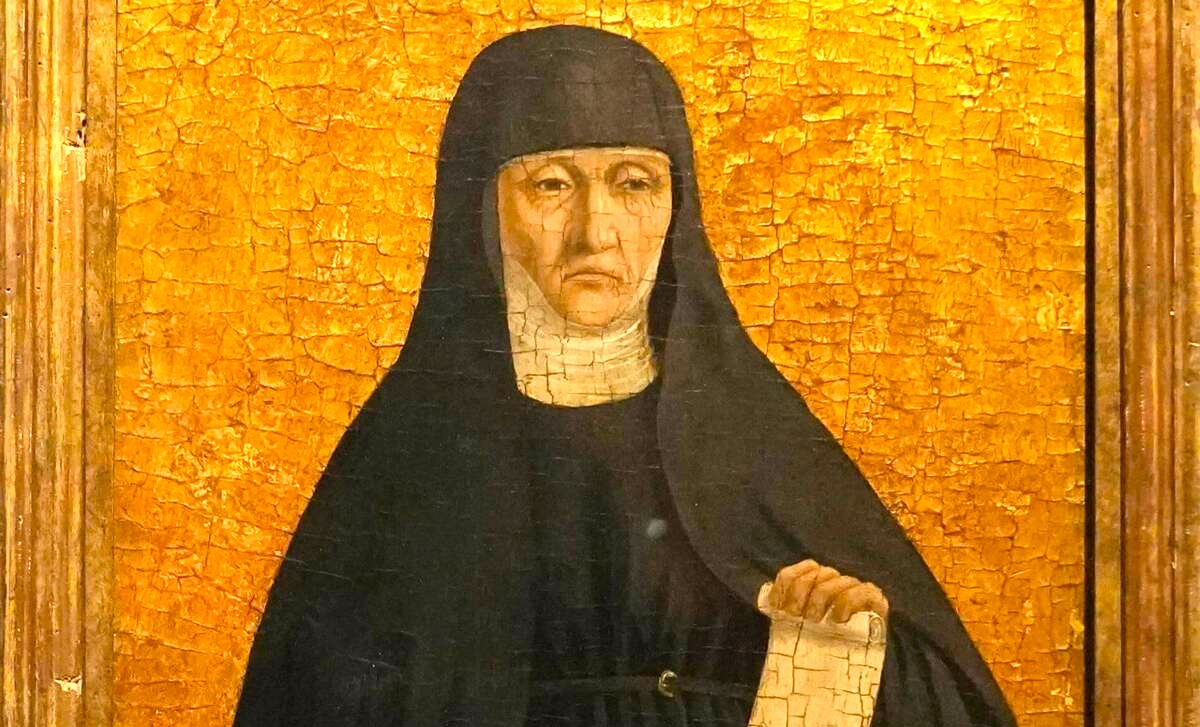
Saint Monica India: The Ancestral Roots of Tagaste
Long before her name reached the coast, she was born in 331 in North Africa. Her father was Gasparo de Thiene and her mother was Maria Porto. They raised her with a focus on discipline and service. This family history is the foundation of the story that would later be told in the halls of the convent. She was part of the high nobility, a background that prepared her for a life of influence. Her childhood was spent in a setting of learning and strict moral guidance. This early period of her existence is vital to understanding the person whose legacy eventually settled on the Holy Hill, bringing a specific sense of purpose to the local population.
The Advisor and the Philosopher
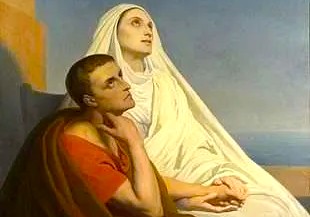
The name Monica comes from the Greek term meaning "Alone" or the Latin word for "Advisor." This definition highlights her role within her household. She was married to Patricius, and they had three children: Augustine, Navigius, and Perpetua. Her life was a story of constant prayer for her eldest son, whose intellectual path eventually changed the world. This connection between the mother and the scholar is the primary narrative shared with the residents of the city. The characters in her life, especially her children, are celebrated for their own contributions to thought. Their collective history provides a template for the families who live in the shadow of the sanctuary today. Saint Monica India
The First Nunnery of the East
Saint Monica is popular in Goa because her convent in Old Goa was the first and largest nunnery built in Asia, founded in the early 1600s as a cloistered home for hundreds of nuns. Dedicated to the mother of Saint Augustine, the church houses the famed Chapel of the Weeping Cross, where a crucified Christ figure is said to have opened its eyes and bled from its wounds in February 1636, witnessed by the viceroy, bishop, and inquisitors. That miracle, combined with the site's grand Baroque architecture, imposing hilltop setting, and now-attached Museum of Christian Art, has made it an enduring pilgrimage and heritage destination.
Seasonal Gatherings and Festive Days
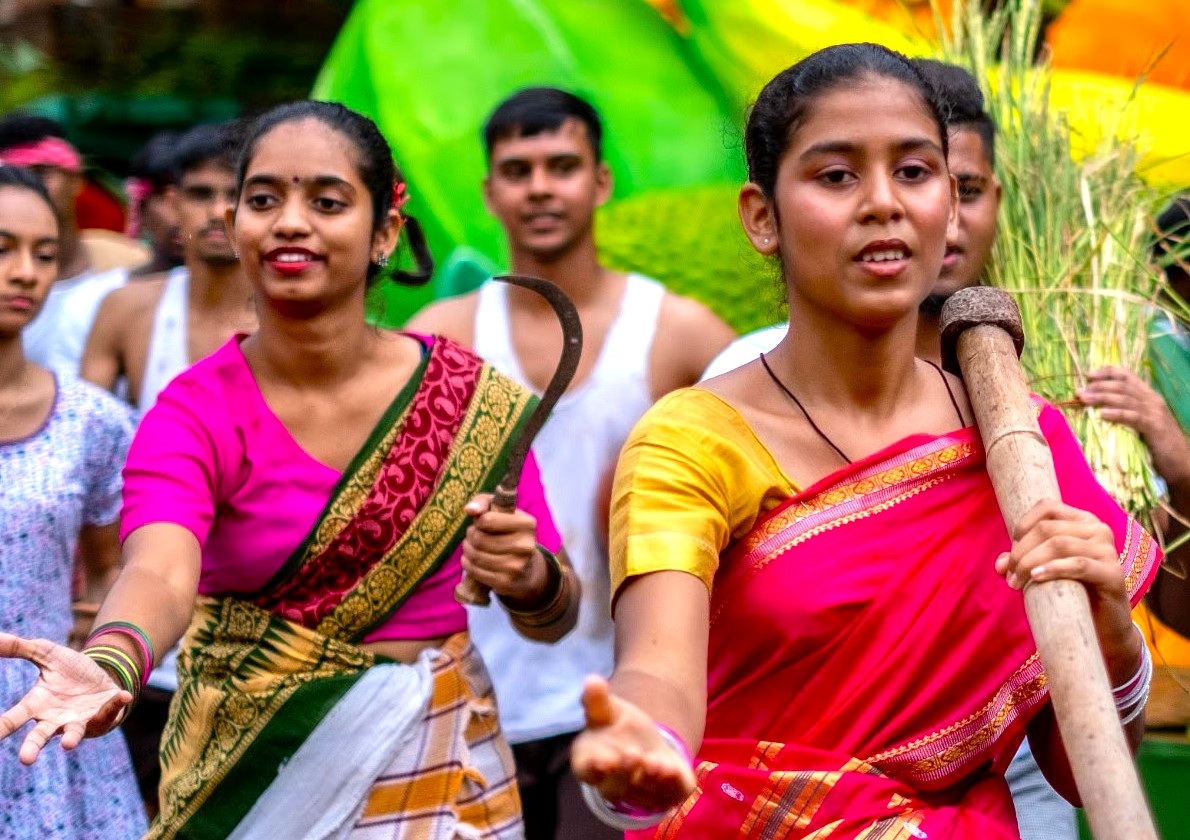
The primary festival for the matron occurs on August 27th, starting at 6:00 AM with a ritual cleaning of the altar. Another event takes place on the first Tuesday of May at 10:00 AM. Locals prepare a meal of rice and lentils to share with the community. The daily life of the royal palace often paused so the leadership could observe these public displays. Before the first rulers arrived, the population celebrated the change of the seasons with agricultural rites. Today, people gather in large numbers to observe these traditions. Marriage announcements are common during these times, as the elders provide advice to the young couples of the local area.
Education and the Scholarly Path
The site became a center for the study of local languages and classical texts. Before the current era, the region encouraged the growth of literature and oral history. Construction of the reading rooms allowed the population to access a wealth of knowledge. The students included figures like the young Antonio and his sister, Clara. Characters like the librarian were responsible for the care of the ancient scrolls. The daily life of the royal palace was often a topic of discussion in the study halls. Today, researchers continue to study the history of the woman who influenced her son to become one of the greatest thinkers in history. Saint Monica India
Step Inside The Story - View All Tour Itineraries & Details
We’re here to offer genuine, thoughtful guidance if your interested in travelling to India. As a small, dedicated team, we pay close attention to every detail so you can focus on enjoying the experience while we take care of the planning. We believe the best trips begin when someone truly listens to what you want and how you like to travel, so the journey feels right for you and contributes to a happy, positive group on tour. Our communication stays clear, straightforward, and respectful at every step, with the goal of helping you feel understood, supported, and confident from first contact to the end of your journey.
Click Catherine Frith - About The Founder
Click Discover Life Travel - All Tours and More
Click Why We Are Different - Unique, Safe, Transparent