Unique Insights Into The Religions Of India
Saint Cajetan: India
Discover Life Travel
The Italian Visionary of Old Goa
The spiritual narrative of the Konkan coast was forever altered in the mid-seventeenth century when the teachings of an Italian reformer arrived in the East. Long before any European power settled on these shores, the region was a center for maritime commerce governed by the Kadamba line. In 1639, three Italian friars from the Theatine Order reached the port of Goa, carrying a mandate to establish a presence inspired by their founder, Saint Cajetan. This presence introduced a new level of spiritual rigor and academic focus to the local population. The history of this location is defined by the persistence of these newcomers who integrated their Mediterranean traditions into the existing social and religious landscape of the Indian subcontinent. Saint Cajetan India
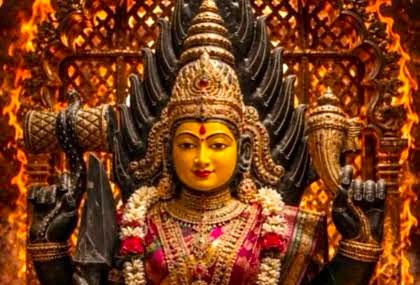
Saint Cajetan India: Lineage of the Vicenza Nobleman
Born in 1480, the man known as Saint Cajetan was the son of Count Gasparo de Thiene and Countess Maria Porto. His family belonged to the high nobility of Vicenza, a background that influenced his sharp intellect and later rejection of worldly wealth. He had two brothers, Giovanni Battista and Filippo, with whom he shared a childhood of privilege before pursuing a doctorate in civil and canon law. This transition from a life of opulence to one of voluntary poverty shocked his peers but laid the foundation for his mission. His connection to the East began posthumously, as his followers sought to bring his specific ideals of service to the diverse population of the Indian coastal regions.
Origins of the Theatine Mission
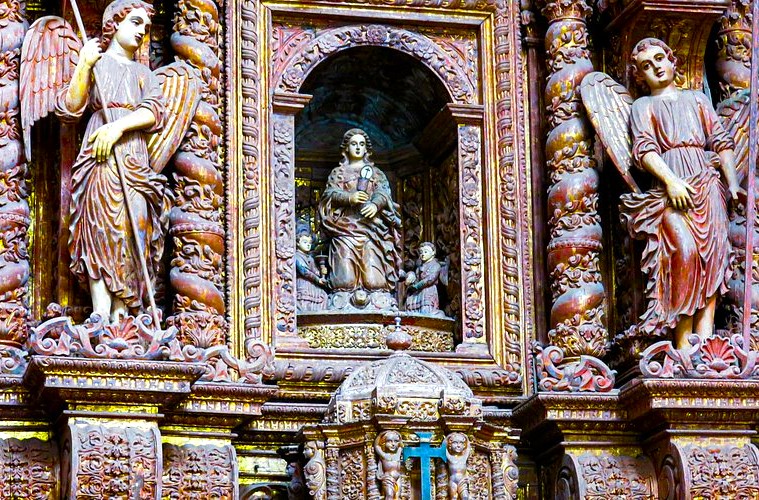
The arrival of the first friars in 1639 was a significant turning point for the local community, as they sought to spread the influence of Saint Cajetan. They settled in the heart of the former capital, a city that had been a jewel of the Adil Shahi line before the Portuguese took control. The population of the city was a vibrant mix of soldiers, merchants, and local artisans. The 1st rulers of the Bijapur Sultanate managed the territory before the religious mission was established. Characters like the three Italian friars initially faced sharp resistance from colonial authorities. Today, the population of the surrounding area remains deeply connected to the history of these early spiritual pioneers. Saint Cajetan India
The Secret Reservoir of the Cloister
Beneath the main altar of Saint Cajetan Church lies a hidden well that predates the European presence in the city. Before the Portuguese established their laws, the local population recognized the water source as a symbol of purity. The 1st rulers of the Silaharas oversaw the land when it was a site for ritual cleansing. During the 1655 construction, the friars decided to keep the well, which remains a unique feature of the site today. The population still speaks of the steady water levels even during the driest months. Past battles for the city often centered on the control of such water sources. Characters like the local water bearers were vital for the residents.
Daily Life of the Theatine Friars
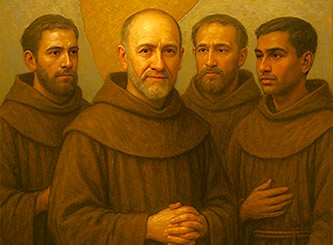
The routine for the residents was focused on the rigorous path of study and prayer, starting at 5:00 AM under the patronage of Saint Cajetan. This lifestyle occupied a space distinct from the daily life of the royal palace, which was centered on diplomacy and gold. The population of the clergy house was usually around twelve people. Characters like the Father Superior managed the library and the daily accounts. The interior was kept simple, with white walls and wooden pews. History mentions the strict discipline of the friars, who were often sought out by the elite. Saint Cajetan India
Roles of Women and Social Ties
In the surrounding neighborhoods, women managed the households and the complex social obligations of the village. Their roles were critical in the domestic economy, particularly in the weaving of textiles. Marriage was a communal event that brought together different families, often involving a feast that lasted for three days. The daily life of the royal palace influenced the formal nature of these social interactions near the shrine of Saint Cajetan. Before the Portuguese, the 1st rulers of the Kadambas established the local social codes. Today, the population continues to honor these traditions. Marriage ceremonies involve the exchange of traditional gifts and the sharing of a meal with the entire village.
Conflict and Defense of the City
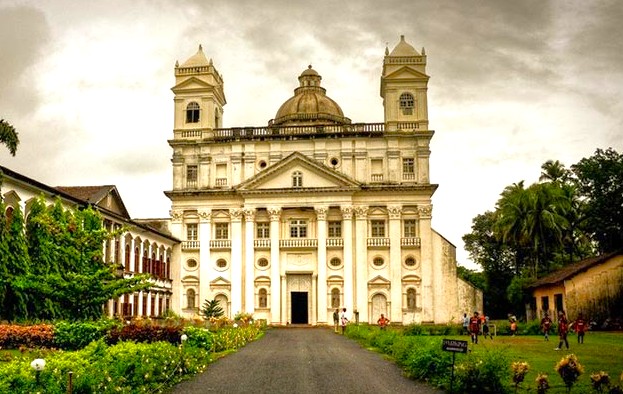
The stone walls of Saint Cajetan have stood through numerous naval strikes and inland raids over the centuries. Before the Portuguese built the massive ramparts, the city was protected by timber fences and earthworks. Construction of the masonry was a reaction to the threats from the Dutch and the Maratha forces. The population of the city lived in a state of readiness, with characters like the captain of the watch monitoring the river. The daily life of the royal palace involved regular reviews of the coastal defenses. History from before the first rulers mentions the bravery of the local militia. Today, the population views the site as a symbol of resilience.
The Intellectual Influence of the Order
The arrival of the Theatines introduced a new academic focus centered on the philosophical teachings of Saint Cajetan. Before the Portuguese, the education system was based on local monastic schools and oral traditions. Construction of the study halls began in 1665, attracting the children of the local leaders. Characters like the Professor of Philosophy guided the curriculum. The daily life of the royal palace was influenced by the debates held within the sanctuary. Today, the population respects the site for its contribution to the intellectual history of the coast. Women’s roles in the community were also impacted by the emphasis on literacy and the preservation of records.
A Life Spent Among the Suffering
Cajetan of Thiene died on August 7, 1547, in Naples, at around age 67. His final years were marked by declining health, worsened by the political and social turmoil then gripping Naples, including tensions between Spanish colonial authorities and local nobility, which reportedly caused him great personal distress. As co-founder of the Theatines, he had spent his later life caring for the sick and poor, often working directly in hospitals among plague victims and the destitute. He died in the Theatine house in Naples, and was buried there. He was beatified in 1629 and canonized in 1671, later becoming known as a patron of the unemployed and, in parts of India, associated with providence and financial security.
Step Inside The Story - View All Tour Itineraries & Details
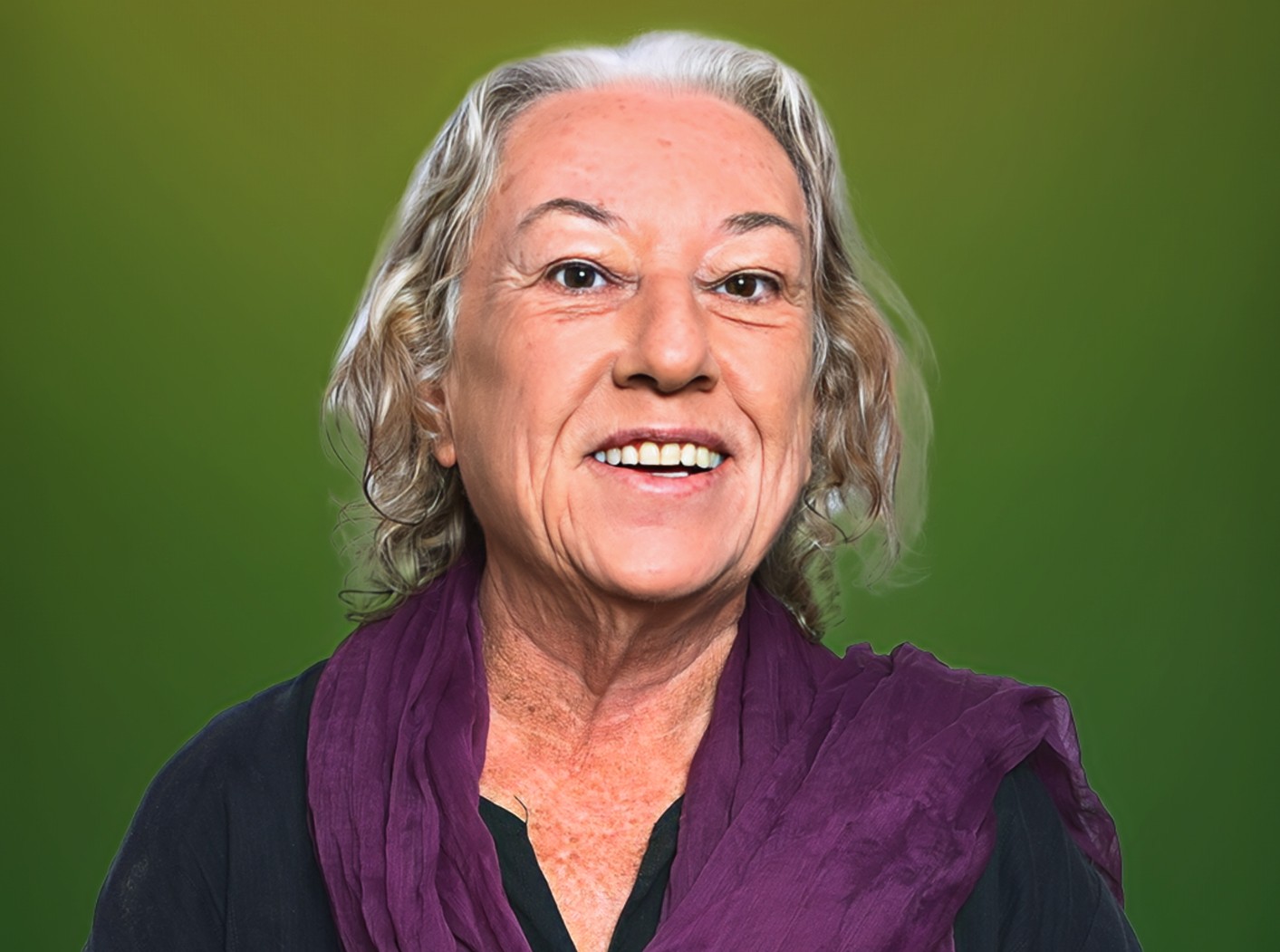
We’re here to offer genuine, thoughtful guidance if your interested in travelling to India. As a small, dedicated team, we pay close attention to every detail so you can focus on enjoying the experience while we take care of the planning. We believe the best trips begin when someone truly listens to what you want and how you like to travel, so the journey feels right for you and contributes to a happy, positive group on tour. Our communication stays clear, straightforward, and respectful at every step, with the goal of helping you feel understood, supported, and confident from first contact to the end of your journey.
Click Catherine Frith - About The Founder
Click Discover Life Travel - All Tours and More
Click Why We Are Different - Unique, Safe, Transparent