Unique Insights Into The Religions Of India
Saint Anthony: India
Discover Life Travel
Guardian of the Lost
The spiritual landscape of the southern coast underwent a transformation with the arrival of the Portuguese in the sixteenth century, who brought the devotion of Saint Anthony to the subcontinent. Long before any European Dynasty established a presence, the region was governed by ancient lineages like the Kadambas and the Hoysalas. The name Anthony, meaning "Priceless," became a cornerstone of local faith. In the year 1568, the first dedicated altars to Saint Anthony were raised in the lush coastal regions. The local population, steeped in a rich tapestry of Vedic and maritime traditions, found a unique connection to the scholars of Padua. This started a profound cultural synthesis that blended Iberian rituals with the indigenous customs of the Konkan and Malabar shores. Saint Anthony India
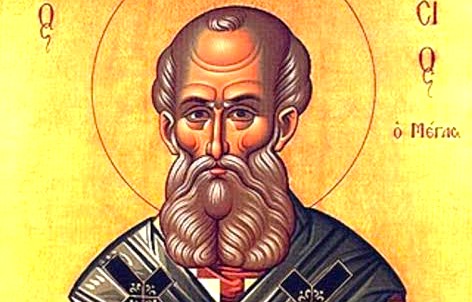
Saint Anthony India: Birth and Noble Beginnings
Anthony of Padua was born Fernando Martins de Bulhões around August 15, 1195, in Lisbon, to a noble family connected to the royal court. He was educated at the Lisbon Cathedral school before joining the Augustinian Canons around age fifteen, later moving to the Abbey of Santa Cruz in Coimbra, a renowned center of theological learning. In 1220, inspired by the relics of five Franciscan friars martyred in Morocco, Fernando left the Augustinians for the Franciscan Order, adopting the name Anthony. He was ordained a priest soon after, beginning a ministry that would reveal his remarkable gifts as a preacher and teacher.
Devotion Through Colonization
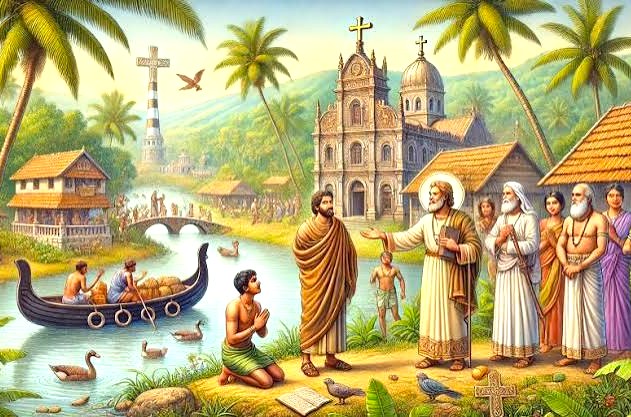
St. Anthony of Padua is one of India's most beloved saints, despite never having set foot there. His devotion arrived with Portuguese colonization, taking root in Goa from the 1500s and spreading through Kerala's Christian communities. Known as the "finder of lost things," Anthony became a deeply personal intercessor, invoked for lost objects, causes, and everyday prayers answered. Goan Catholics embraced traditions like "Anthony's bread," donating to the poor in thanks for favors granted, while his feast day on June 13 remains widely celebrated. Statues of Anthony holding the Christ child are common in Indian homes and churches, reflecting how thoroughly his cult embedded itself locally through transplanted devotion rather than direct missionary presence. Saint Anthony India
Origins of the Siolim Sanctuary
The village of Siolim was known as "The Den of Lions" before the first Portuguese Dynasty arrived. Prior to that era, the Silahara kings ruled the land, overseeing a population of pearl divers and warriors. Construction of the primary stone edifice dedicated to Saint Anthony was completed in 1600. The story follows a local family, including the patriarch Antonio and his children, Lucia and Paulo, who claimed a statue of Saint Anthony saved them from a deadly sea serpent during a storm. Today, the population of the village is around eleven thousand people. In the past, battles between the Marathas and the Portuguese often occurred nearby, involving characters like the fierce local Viceroy.
The Miracle of the Dornahalli Fields
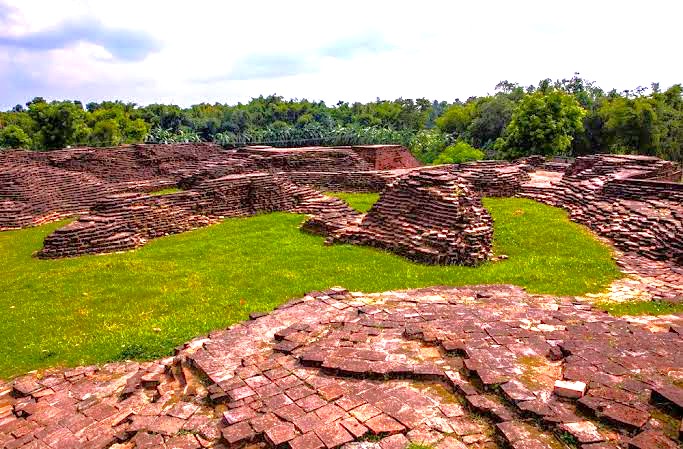
Dornahalli signifies "The Village of the Trough." Before the Wodeyar Dynasty expanded their influence, the area was a quiet agricultural patch. The 1st Dynasty rulers of the region were the Ganga's, who governed a sparse population of silk weavers. Construction of the initial chapel took place in 1813 after a farmer named Anthony and his son, Joseph, found a wooden figure of Saint Anthony while plowing. The current population of the district exceeds one million. Historically, the land saw skirmishes during the Anglo-Mysore wars. Local women’s roles involved maintaining the silk looms and managing the household grain stores. Marriage was a simple ceremony followed by a village feast. Saint Anthony India
Coastal Devotion in Kochi
Kochi was a center for the pepper trade long before the Dutch Dynasty took interest. The name denotes "Small Lagoon." Before the first local Dynasty emerged, Jewish and Arab traders frequented the docks. Construction of the Franciscan church, which houses a dedicated altar to Saint Anthony, dates to 1503. The population of the city has grown to over two million today. Characters like the trader Vasco and his wife Maria were early patrons of the site. Daily life for the locals involved morning visits to the harbor and evening prayers. Women played a sharp role in the spice markets, handling the drying and sorting of the aromatic cloves.
The Portuguese Dynasty in Old Goa
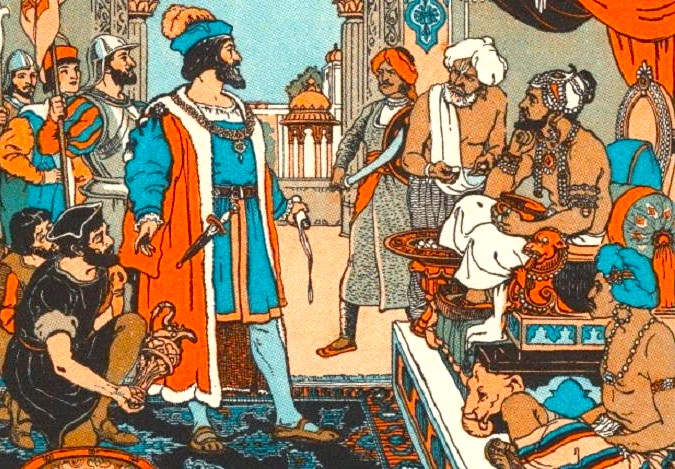
Old Goa translates to "The City of the Sun." Before the 1st Dynasty of the Adil Shahi sultans, the Konkan coast was a collection of independent hamlets. Construction of the major religious complexes dedicated to Saint Anthony began in 1540. The family of the governor, including his children Francisco and Isabella, lived within the high walls. The daily life of the royal palace was a sequence of formal receptions and diplomatic meetings. Today, the population of the region is approximately one point five million. Past battles against the Bijapur forces are recorded in the local archives. Marriage among the nobility was a strategic alliance involving the transfer of coastal properties.
Daily Rhythms of the Fisherfolk
In the small hamlets along the Arabian Sea, the name of Saint Anthony is invoked every time a boat is launched. Before the colonial Dynasty, the 1st Dynasty rulers were the Silaharas. The population was primarily composed of the Koli community. Construction of the beach-side crosses occurred in 1750. Locals spend their days repairing nets and monitoring the tides. Women’s roles include the processing of the daily catch and managing the family budget. Marriage is celebrated with a traditional "Resper" or wedding mass followed by music. The daily life of the royal palace nearby was a world away from these humble, salty lives. Saint Anthony India
The Feast of the Miraculous Statue
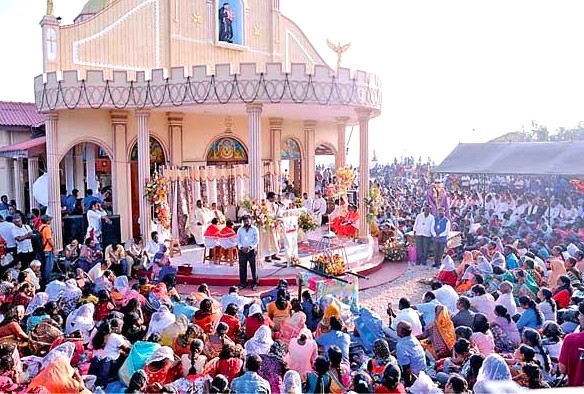
The annual celebration for Saint Anthony occurs on June 13th, starting at 5:00 AM with a ritual cleaning of the altar and ending at 10:00 PM with a candle-lit walk. Another event takes place on the first Tuesday of every month at 8:00 AM. Locals prepare a special meal of boiled chickpeas and coconut. The 1st Dynasty of the local region originally forbade such gatherings, but later kings allowed them to ensure public peace. The population gathers in the thousands, sharing stories of the past. Marriage announcements are often made during these festivals. The daily life of the royal palace was often put on hold so the royalty could observe the festivities. Saint Anthony India
Domestic Traditions of the Luso-Indians
Within the homes of the coastal residents, life is a blend of European and Indian habits. The name of Saint Anthony is often given to the firstborn son. Before the 1st Dynasty took control, the local social structure was based on clan loyalty. Construction of the traditional "Balcao" or porch in the houses dates back to the eighteenth century. The population of these ancestral homes is declining as younger generations move to the cities. Women’s roles are centered on the preservation of culinary secrets and religious oral history. Marriage involves the "Binnari" ceremony, where the bride is formally welcomed with songs. The daily life of the royal palace provided the template for these social hierarchies.
Last Rites and a Final Vision
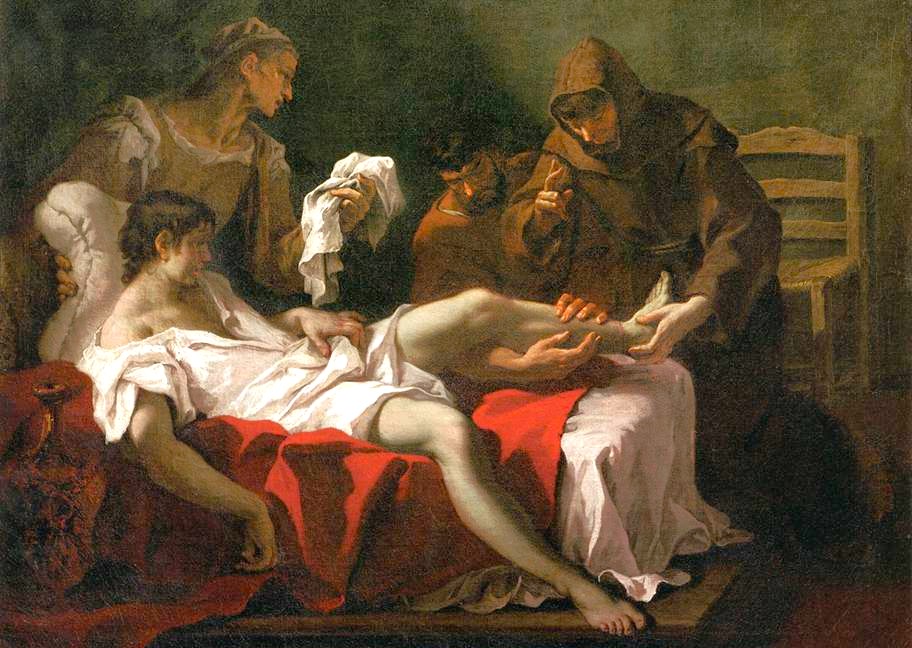
Anthony of Padua died on June 13, 1231, at the Poor Clares' convent in Arcella, near Padua, Italy, at just 35 years old. His health had been declining for some time, worn down by years of relentless preaching, fasting, and travel across Italy and southern France. Sensing death approaching, he had asked to be taken toward Padua, but grew too weak to continue and stopped at Arcella instead. He reportedly received the last rites and died peacefully, his final words expressing a vision of Christ. His body was then transported to Padua amid great public mourning, and he was canonized less than a year later, in 1232, remarkably swiftly by medieval standards.
Step Inside The Story - View All Tour Itineraries & Details
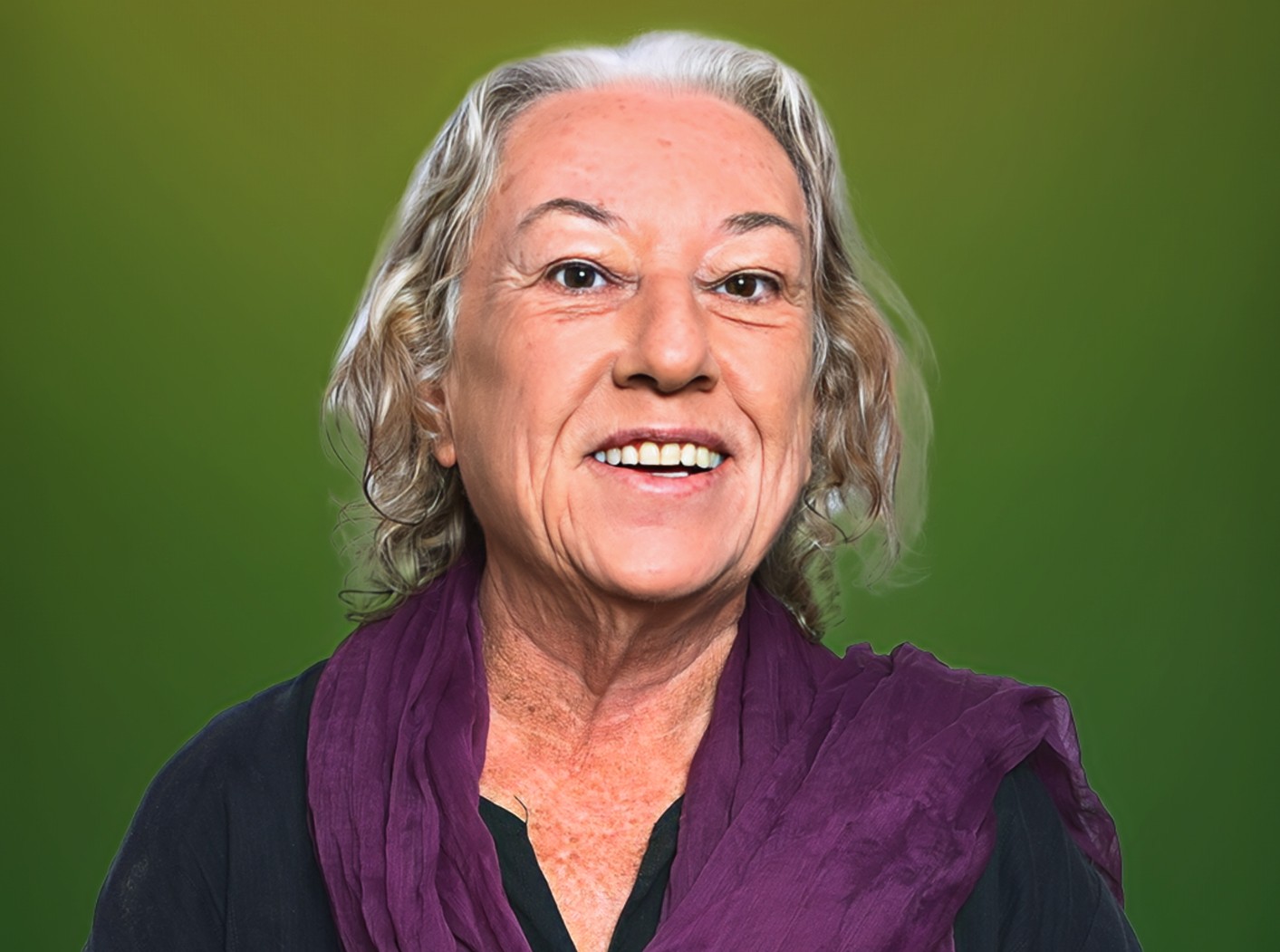
We’re here to offer genuine, thoughtful guidance if your interested in travelling to India. As a small, dedicated team, we pay close attention to every detail so you can focus on enjoying the experience while we take care of the planning. We believe the best trips begin when someone truly listens to what you want and how you like to travel, so the journey feels right for you and contributes to a happy, positive group on tour. Our communication stays clear, straightforward, and respectful at every step, with the goal of helping you feel understood, supported, and confident from first contact to the end of your journey.
Click Catherine Frith - About The Founder
Click Discover Life Travel - All Tours and More
Click Why We Are Different - Unique, Safe, Transparent