Safe India Tours for Women: Comparisons - Budget vs Luxury
Discover Life Travel
What Your Money Buys in India: Comparing Economy vs. High-End Tours
Limitless in its possibilities, India travel empowers you to curate a distinct narrative, spanning from spirited budget adventures to high-end luxury experiences. Your chosen travel style ranges from the complete independence of Private Touring to specific shared journeys. Group options vary distinctly in scale: choose the rare intimacy of Elite Micro-Groups (capped at 8 guests), the social balance of Small Groups (12–16 travelers), or the Large Tours of 16–30 people. Whether you select a personalized private itinerary or a structured team, the cost will align with the level of service, flexibility, and personalized care your looking for. Mid-range and Luxury budgets provide higher safety buffers, including pre-vetted drivers, guides, and "bubbled" transport. India opens its heart to every style of traveler.
The Aunti Advantage
In India, maturity commands a unique reverence. Women are often addressed as "Auntie" - a title of high respect that unlocks a protective and affectionate level of hospitality. Yet, this welcoming nature extends to all. Regardless of age, female travelers who approach the culture with openness will find their curiosity matched by the warmth and friendliness of the local people.
What to Expect: 1 - 5 Star Tour Choices
Budget Tours for Women in India: 1-2 Star
Best for: Adventurous travelers, students, and those prioritizing immersion over comfort. India can be highly rewarding if you prepare for local standards. 1-2 star hotels offer unbeatable prices for budget touring. However, the "budget" label carries specific realities that differ wildly from Western standards. While these tours open doors to the Golden Triangle and beyond for a fraction of luxury prices. Understanding the infrastructure of budget travel ensures you aren't blindsided by the raw, unpolished side of incredible India.
The Numbers: Budget Tours and Exchange Realities
Budget tours typically target a price point under $100 AUD ($67 USD) per day. This tier is designed for the budget explorer who wants the security of a group without a "palace hotel" price tag. For a standard 14-day itinerary, your base cost would be approximately $1,400 AUD ($936 USD) for the two-week trip. This covers a bed and basic transit however leaves much to the imagination regarding daily extras and comfort levels. Traveling this way ensures affordability while providing essential logistics. It is the perfect balance for those prioritizing cultural immersion over luxury.
Budget Operators: The Pretty Picture vs. The Reality
Budget operators are often masters of marketing, often using high-saturation photos of the Taj Mahal and serene Kerala backwaters to mask a leaner reality. While they provide excellent value for those wanting a "boots on the ground" experience, there is a deceptive gap between the brochure and the sidewalk. The "pretty pictures" rarely show the crowded public buses or the 1-star guesthouses tucked away in noisy alleys. What is "included" is often the bare minimum - the seat on the bus and a roof overhead.
- The Pros: Incredible price accessibility, and a structured itinerary that hits all the major landmarks without the stress of self-planning.
- The Cons: Marketing often omits the "wait times" and the basic nature of local facilities. You may find yourself at "tie-up" shops where the guide receives a commission, rather than authentic local markets.
The Rotating Door: Changing Tour Leaders

One quirk of budget private operators is the lack of a single "constant" companion. Unlike luxury tours where one person holds your hand from Delhi to Mumbai, budget models often utilize a "relay" system where leaders change as you cross state lines. Also the travellers change as they join in for part of the tour then attend the same companys other tours they have going at the same timwe- a mix a match that few know about. This can lead to a lack of continuity; you might have to repeat your dietary needs or safety preferences every few days as a new face takes over.
Budget Hotels
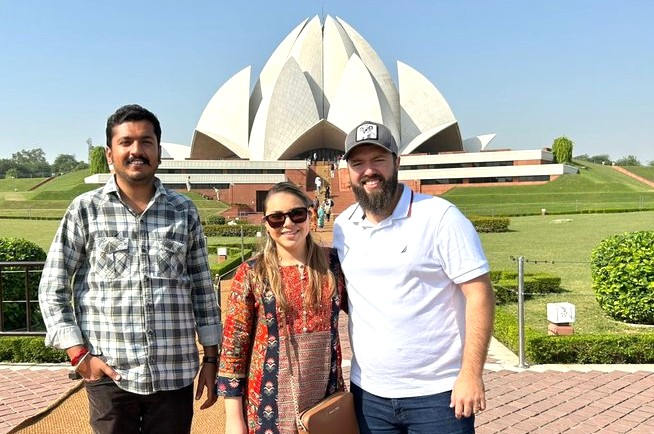
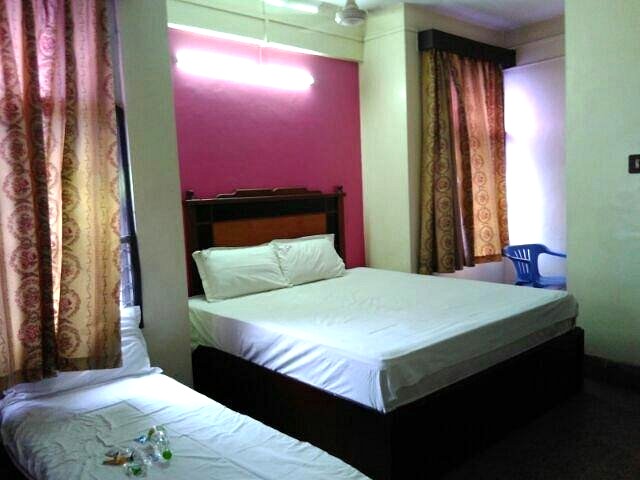
In the budget world, "3 stars" in India is often equivalent to a basic 1-star motel in Australia or the US. Expect functional, but far from flawless, accommodations where the "essentials" often feel like luxuries.
The Rooms: Expect less comfortable mattresses, "wet room" style bathrooms where the shower is positioned closer to the toilet, benches to place your items however they will get wet most of the time.
The Power Factor: Electricity is a luxury. Load-shedding (scheduled power cuts) is common, and budget hotels rarely have the high-capacity generators needed to keep A/C running through the night.
Connectivity: Wifi is notoriously weak if it exists at all. If it does work, it’s usually only in the lobby, and speeds are rarely sufficient for more than a basic text message.
The Environment: Service is "earnest but slow." Noise levels are the biggest shock - Indian cities never sleep, and budget hotels often lack the sound-proofing needed to block out street honking and temple bells.
Transport, Meals, and Hidden Extras and Guides
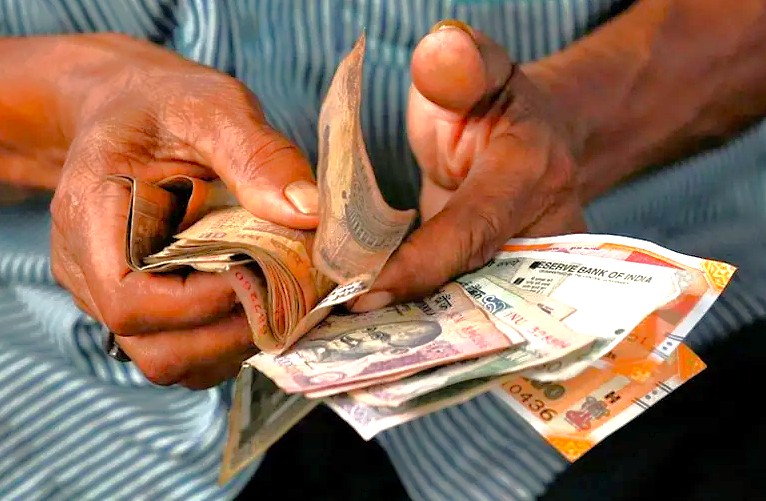
On a budget tour, the journey is rarely "private." You are paying for efficiency, not exclusivity, and your transport will reflect the local way of moving through the chaos.
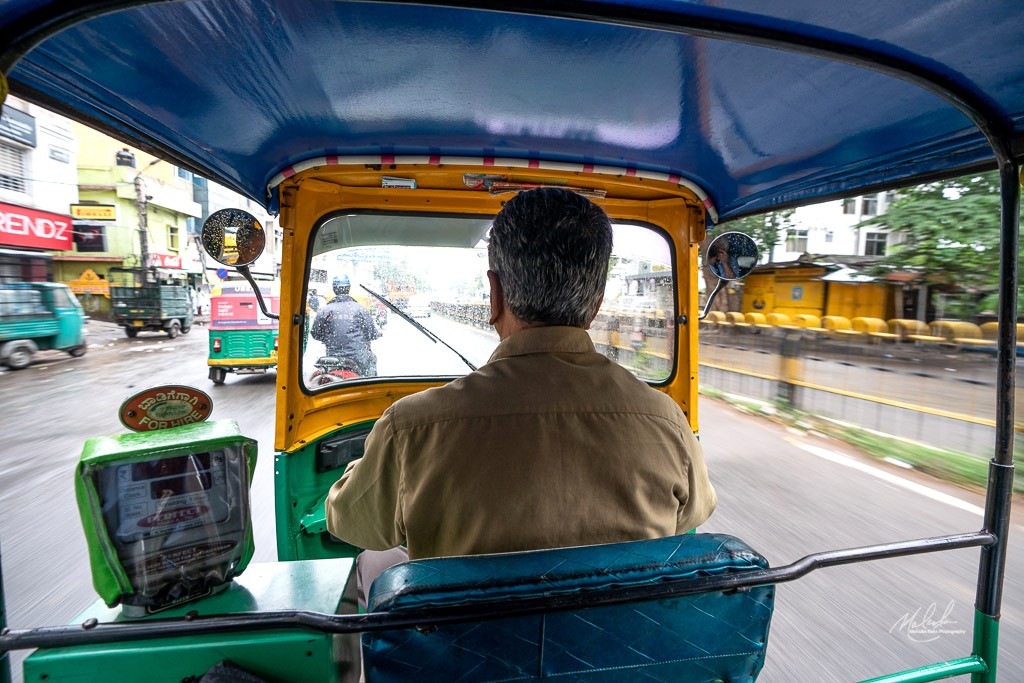
Transport: You will likely navigate via mini-buses, 2nd-class AC trains, or even the occasional auto-rickshaw for short hops. Private drivers for individuals are rare in this price bracket.
Variety is limited: Expect a "fixed menu" of dal, rice, and roti. While delicious, it can become repetitive after ten days of the same "tourist-safe" buffet.
Extras: The "Extras": This is where budgets break. Most entrance fees to major landmarks (like the Taj or Amber Fort) are not included. These can add up to several hundred dollars over 14 days.
Guides: City guides are often paid low base rates and rely on tips or "shopping stops" to make a living, meaning their attention may be divided.
3 - 4 Star Women’s Tours in India: Elevating the Experience:
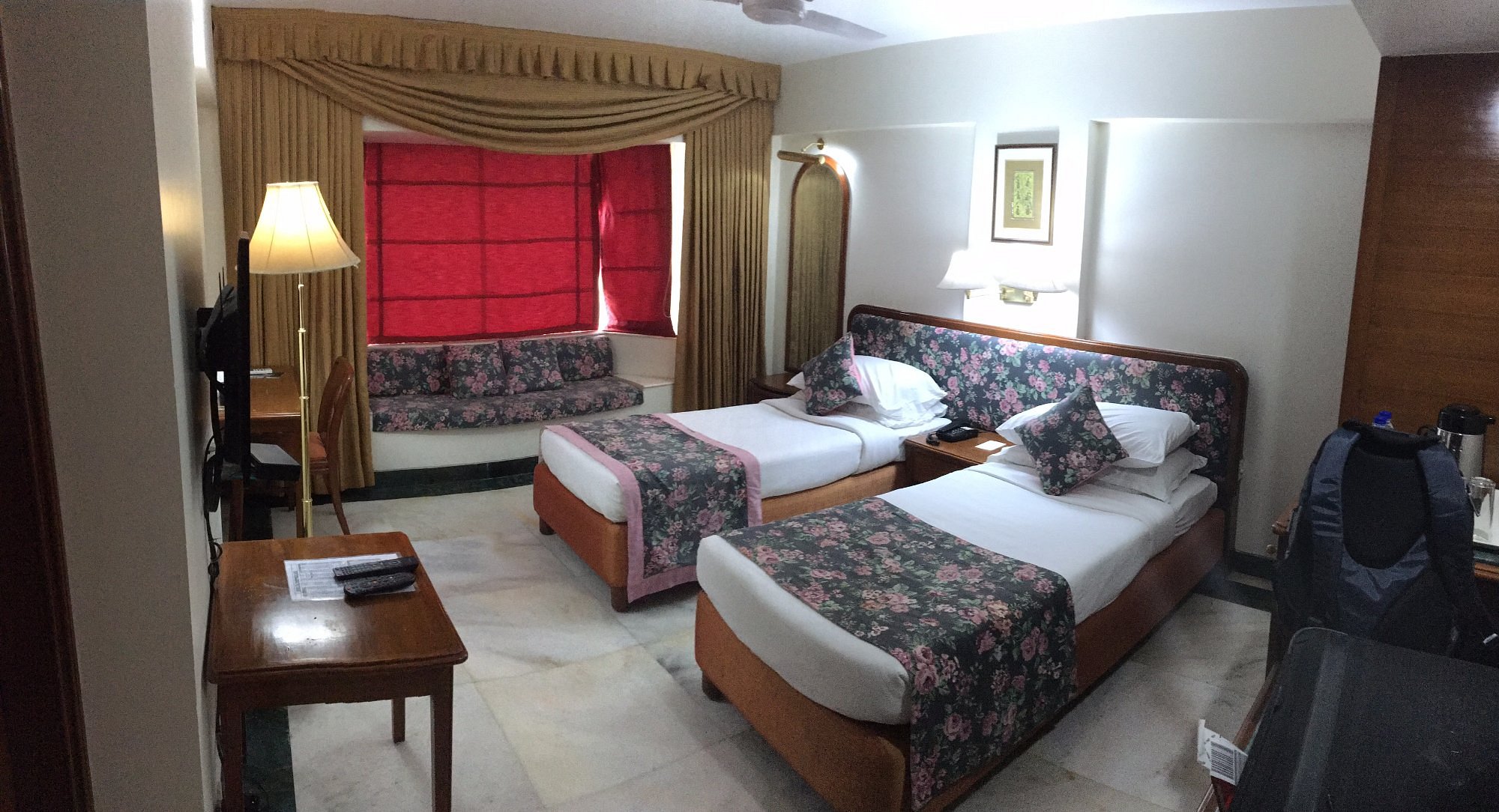
Stepping up to a mid-range tour in India transforms the journey from an "endurance test" into a curated cultural immersion. At the 3 to 4-star level, the focus shifts toward comfort, reliability, and better access to India’s finer details. While you are still in the heart of the vibrant chaos, this tier provides a polished sanctuary to retreat to each evening. It is the sweet spot for women who want to see the "real India" without sacrificing a good night’s sleep or a reliable hot shower.
The Numbers: Mid-Range Value and Costs
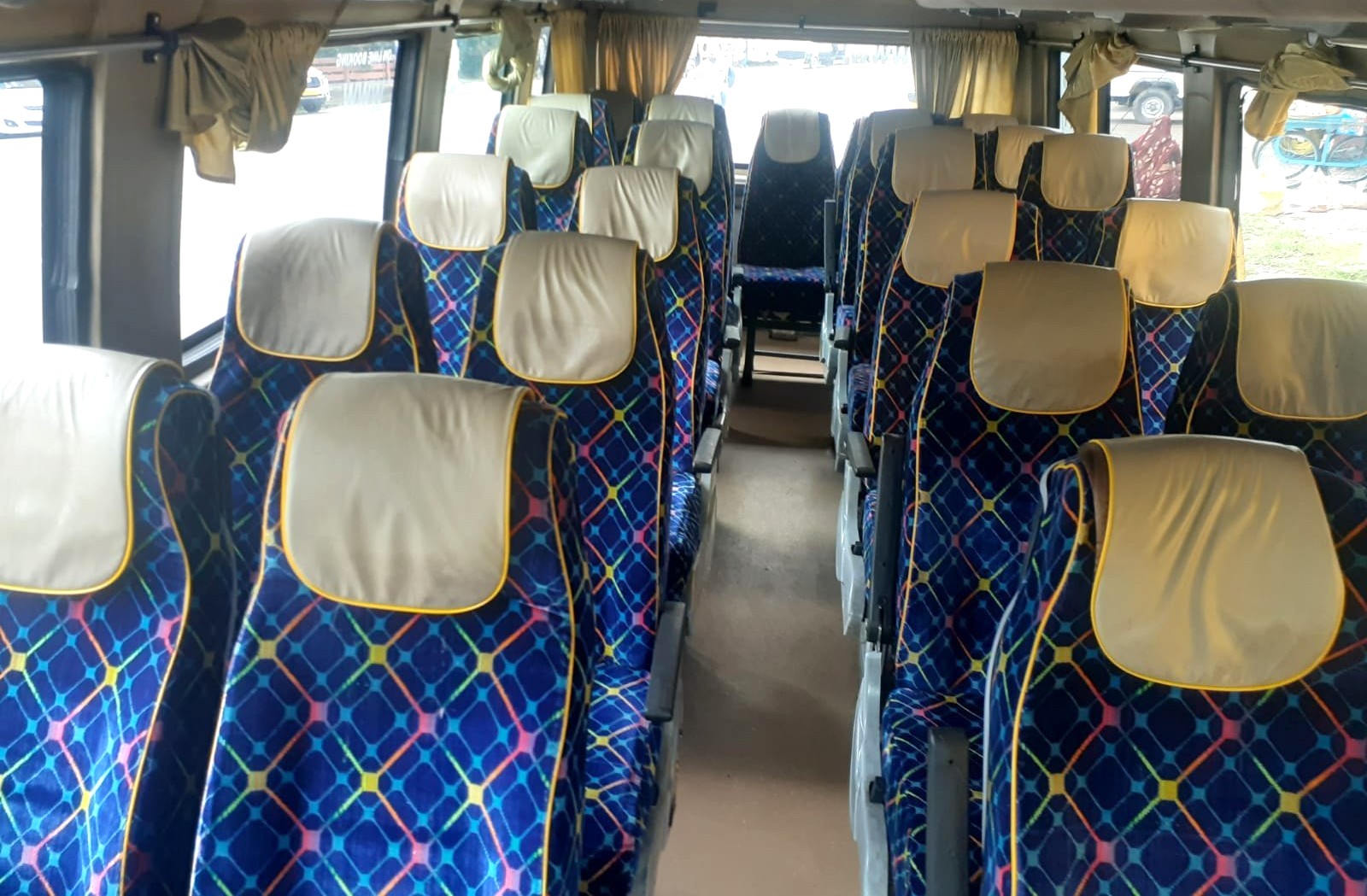
For a 3 to 4-star experience, expect to budget between $150 and $250 AUD per day. This increased price point covers significantly higher standards of accommodation and more seamless logistics. For a 14-day tour, your total base cost will range from $2,100 to $3,500 AUD. In US Dollars, this converts to approximately $1,400 to $2,345 USD for the full two-week journey. This investment generally moves you from "basic survival" to a holiday where your primary focus is the destination rather than the logistics of the next meal or bus.
Mid-Range Operators: Consistency vs. The "Boutique" Promise
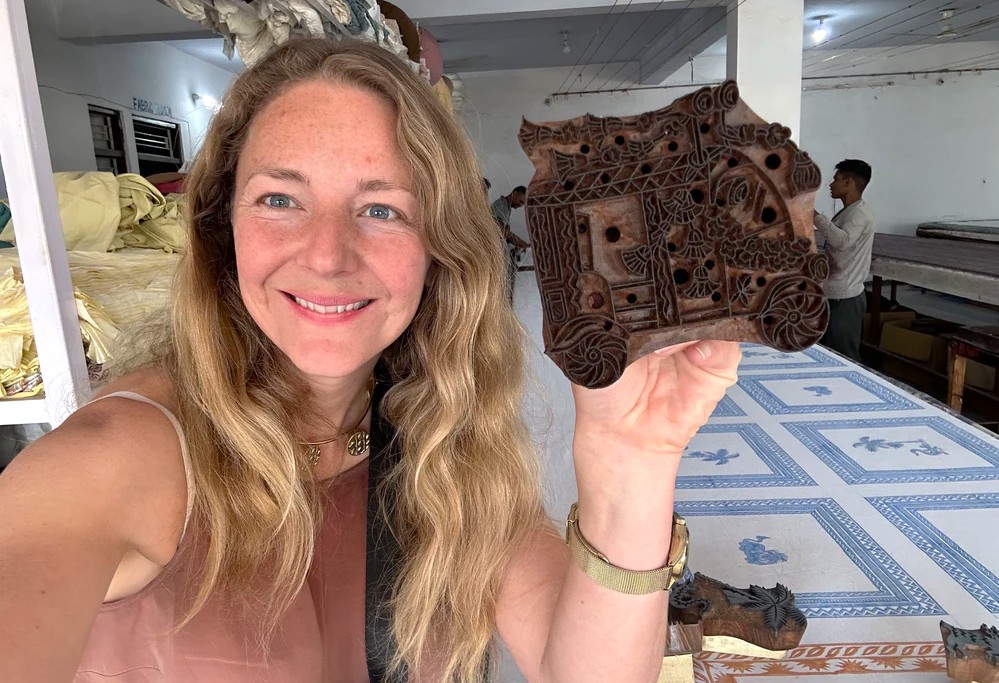
Operators in this bracket often pride themselves on reliability and reputation. Unlike budget counterparts, these companies are selling a "hiccup-free" experience, though the marketing can still be a bit glossy.
The Pros: Professionalism is high; you get what you pay for. Stays often include decent hotels with free Wi-fi and customer service.
The Cons: These tours can sometimes feel "sanitized." Because the hotels and restaurants are pre-screened for western standards, you might miss some of the raw, local grit that makes India unique.
The Reality: The "pretty pictures" are usually accurate here, but remember that even a 4-star hotel in India may face infrastructure challenges that are out of the operator's control, such as sudden road closures or local festivals.
Continuity of Care: Stable Tour Leadership and Guides
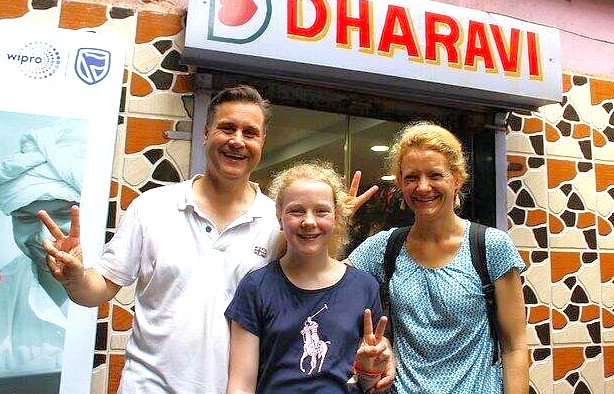
One of the greatest advantages of a 3 to 4-star tour is the "National Escort" or a dedicated Tour Leader who stays with the group for the entire 14-day duration.
The Constant: Having one leader from start to finish ensures your personal preferences and group dynamics are understood and managed consistently across different cities.
Guides: While local "city guides" are still used for their specific expertise at monuments, your main leader handles all the "behind-the-scenes" drama, from check-ins to train platform navigation. For women travellers, this provides a much higher sense of security and a single point of contact for any health or safety concerns.
Hotel Quality: The 3 to 4-Star Sanctuary
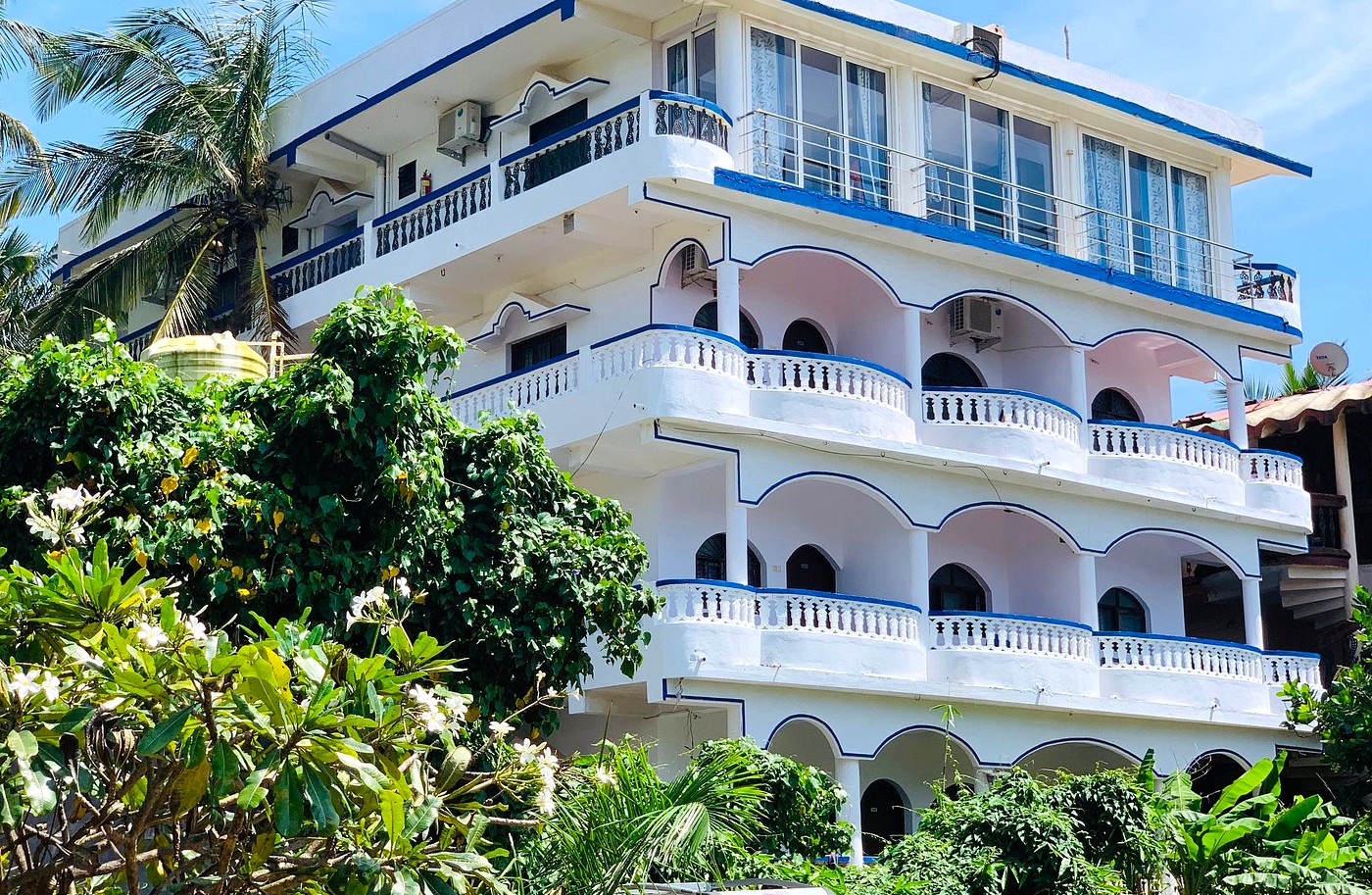
At this level, hotels are a significant upgrade. You are often staying in "Deluxe" or "Super-Deluxe" rooms that function as true retreats from the sensory overload outside.
The Rooms: Expect plush bedding, air conditioning that actually works (and stays on), and private bathrooms with consistent hot water and modern fixtures.
Electricity & Backup: These hotels almost always have "100% Power Backup" (heavy-duty generators). If the city grid goes down, your lights and A/C will usually kick back on within 5 to 10 minutes.
Wifi & Service: Connectivity is much stronger, often available in rooms rather than just the lobby. Service is professional and proactive - staff are trained to handle international requests with efficiency.
Noise Control: While no Indian hotel is silent, 3 - 4 star properties are often set back from main roads or have better glazing, offering a significantly quieter environment than budget guesthouses.
Swimming Pools: Usually these are not included in 3 - 4 star hotels.
Transport, Dining, Guides and Hidden Costs
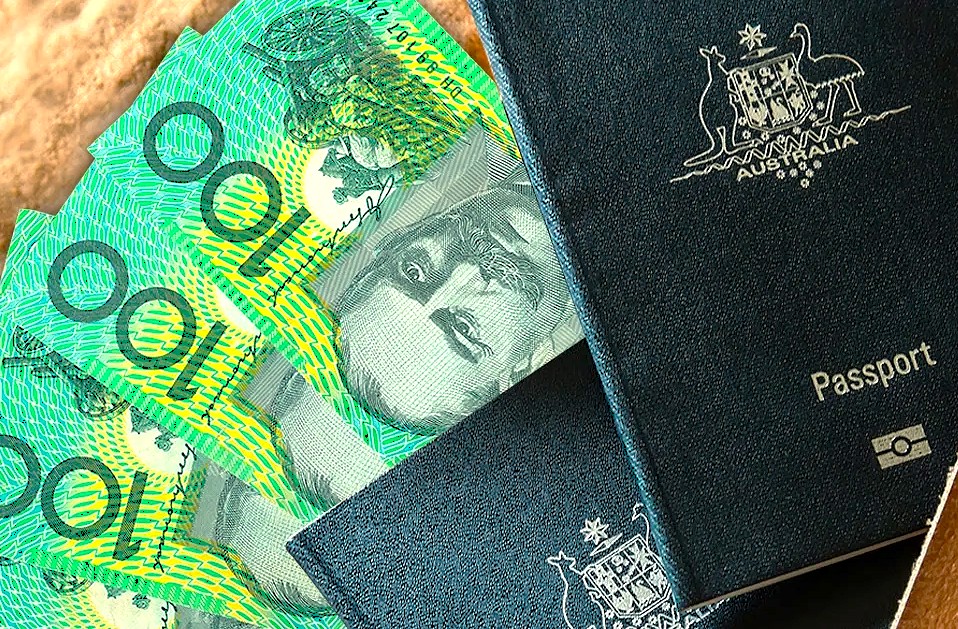
The way you move and eat in this bracket is designed to minimize fatigue and maximize the "vacation" feeling.
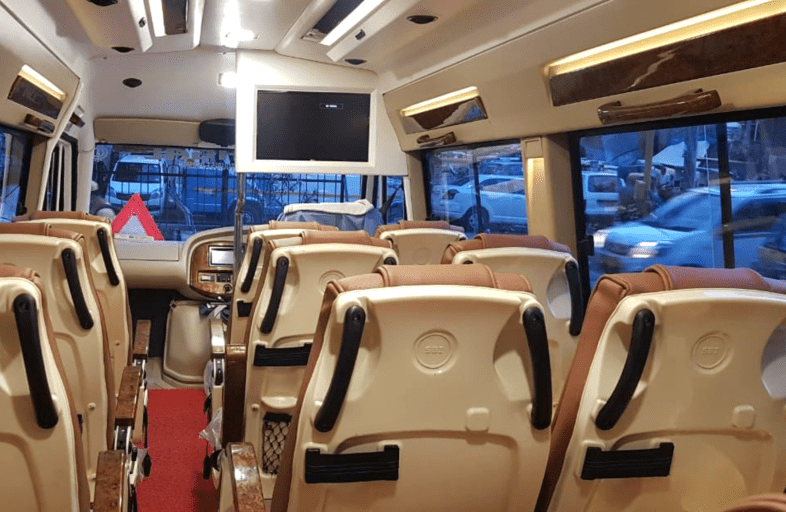
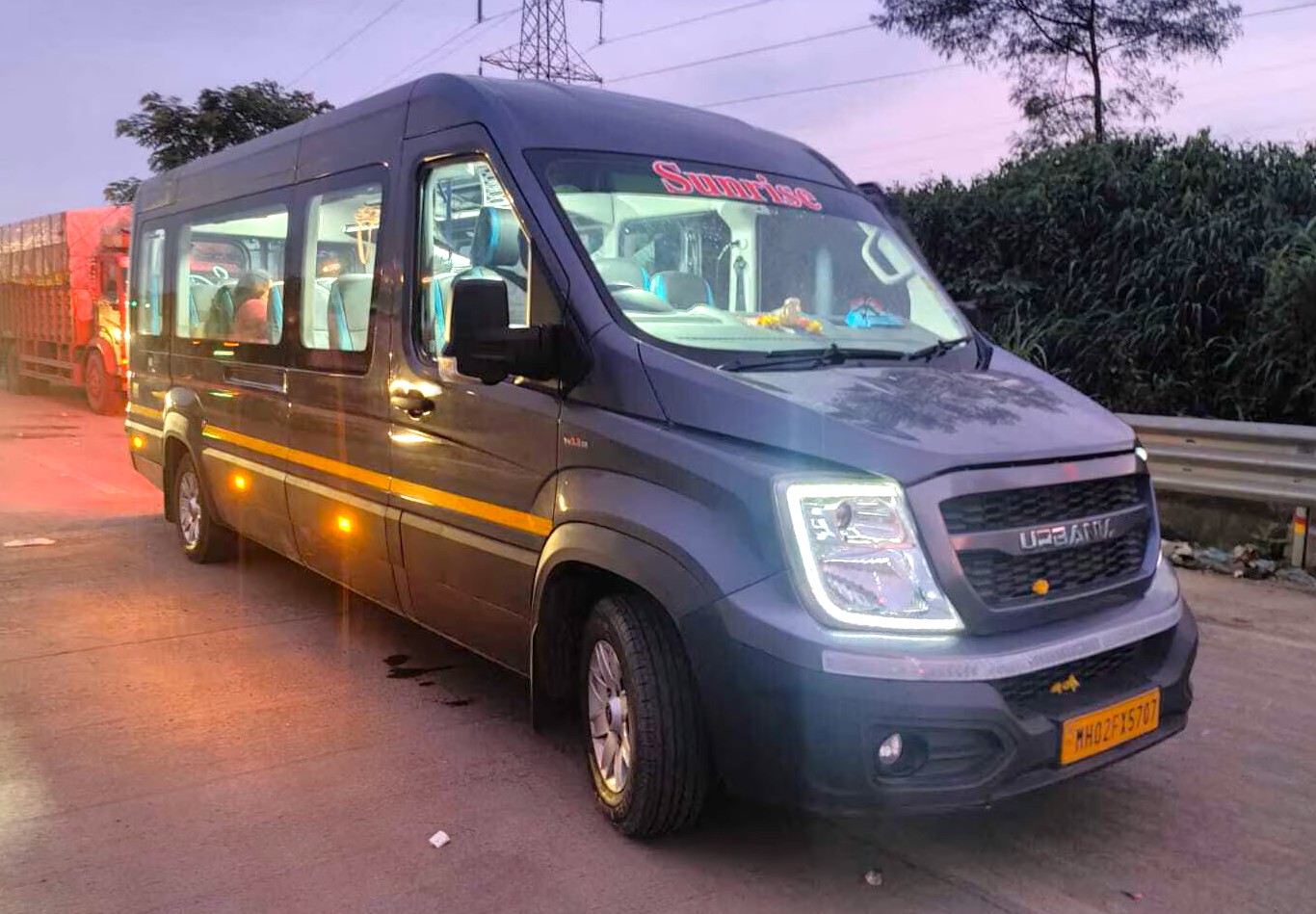
Transport: You won't be on public buses. You will travel in private, air-conditioned "Innova" SUVs (for small groups) or "Tempo Travellers" with "Maharaja" (recliner) seats. Drivers are professional, vetted, and often provide onboard refreshments. If you find that the driver is talking on his mobile phone, or overtaking vehicles on blind corners - only relying on their horn, you can request that this stops, and usually does.
Meals: Variety is much broader. Breakfasts are usually large international buffets, and dinners often feature curated menus at reputable local restaurants or high-end hotel dining rooms, ensuring both safety and flavour. Food is usually Indian based however check with the tour company before you commit.
Extra Costs: Still within this price range, you will need to check the fine print. Meals can be limited, it might read 30 meals included when you actually need 40 or so. Same with entrance fees, and keep in mind the tips that's customary.
The Ultimate 5 Star + Luxury Tours
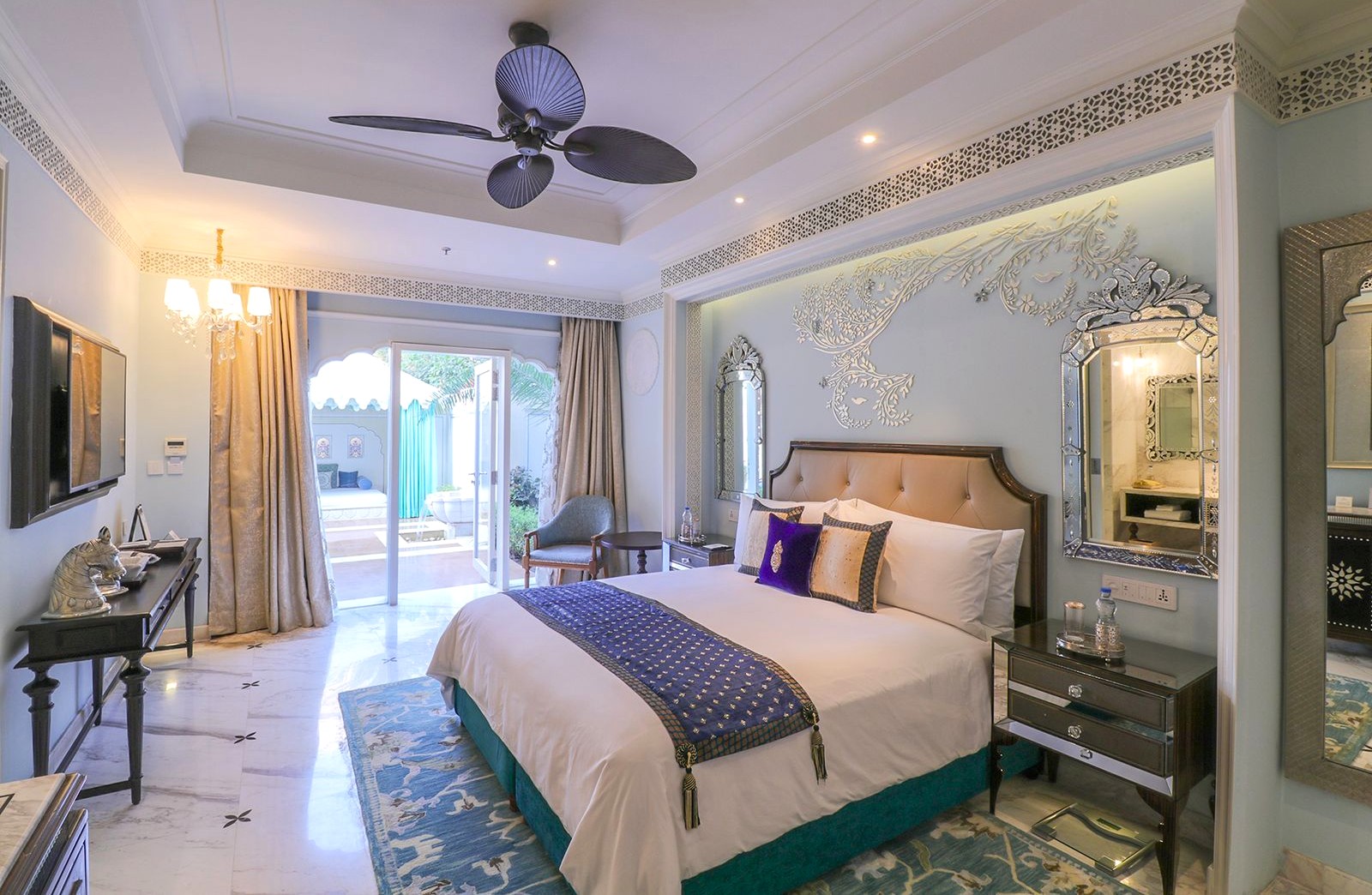
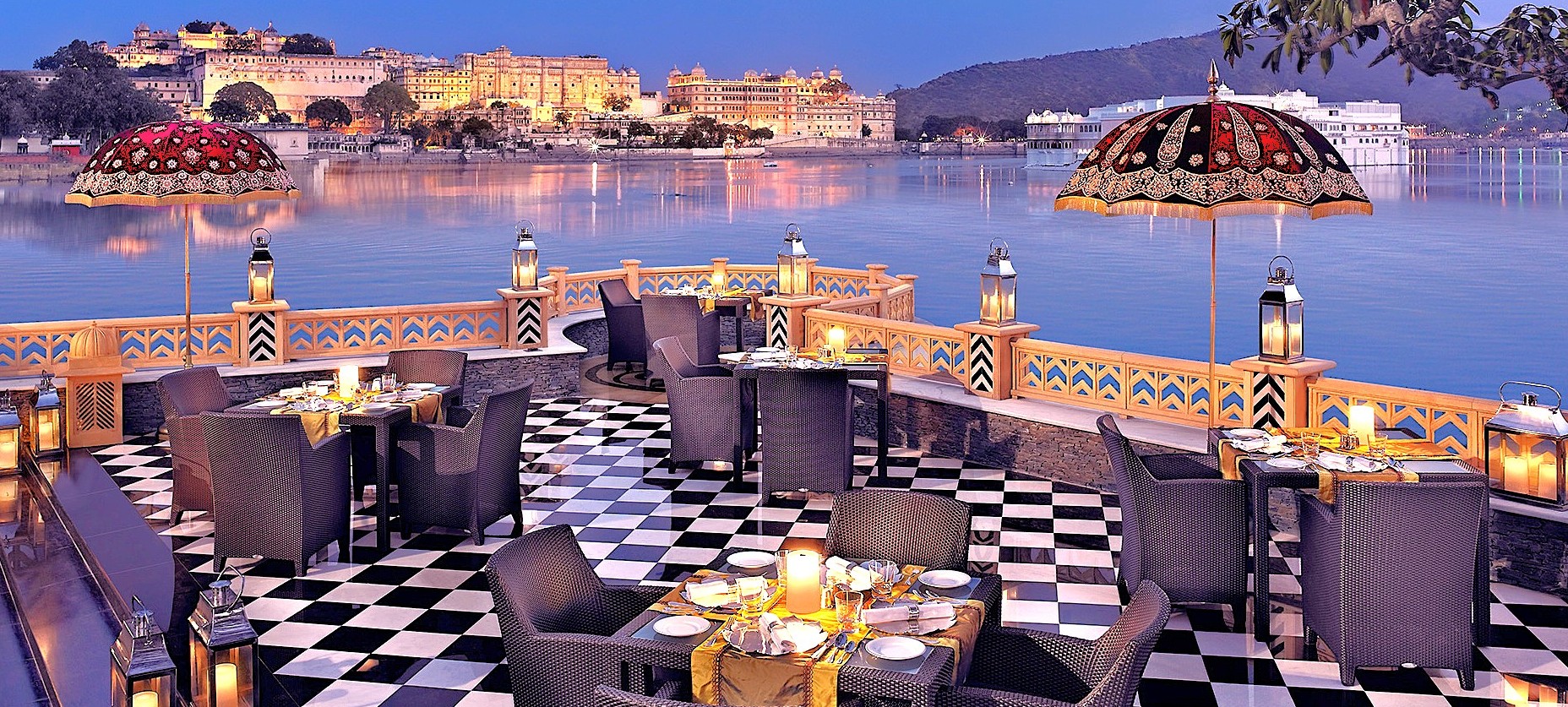
For the woman who wants to experience India’s majesty without the friction of its chaos, 5-star luxury tours offer a world of "Palace Living." This tier isn't just about a room: it’s about exclusive access, world-class hospitality, and a seamlessness that feels almost magical. You aren't just visiting India: you are being hosted by it. From private after-hours tours of monuments to staying in the former residences of Maharajas, this is the gold standard for travellers who prioritize absolute comfort and personalized care.
The Numbers: The Cost of Royal Treatment
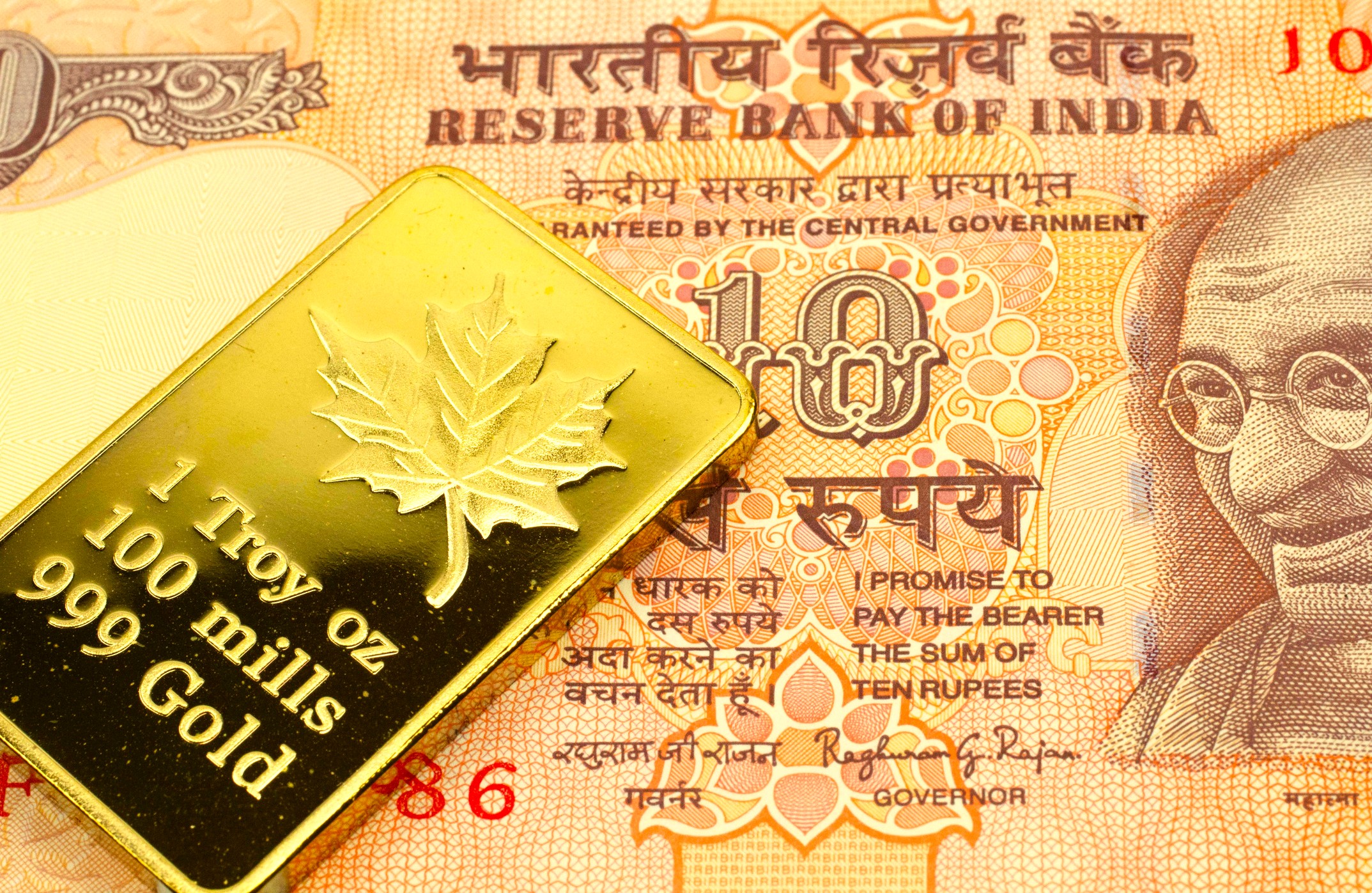
A 5-star luxury tour is a significant investment, typically ranging from AUD $850 to $1200+ - USD $570 - $800 per day. This covers stays at top-rated hotels, palaces and heritage buildings, with high-end and International dining. High end tours eliminate almost every "hidden cost" and physical stressor associated with international travel in a developing nation. However, again - check the details and total inclusions as they can still be hidden away within the expected inclusions.
Luxury Operators: Unlocking the Impossible
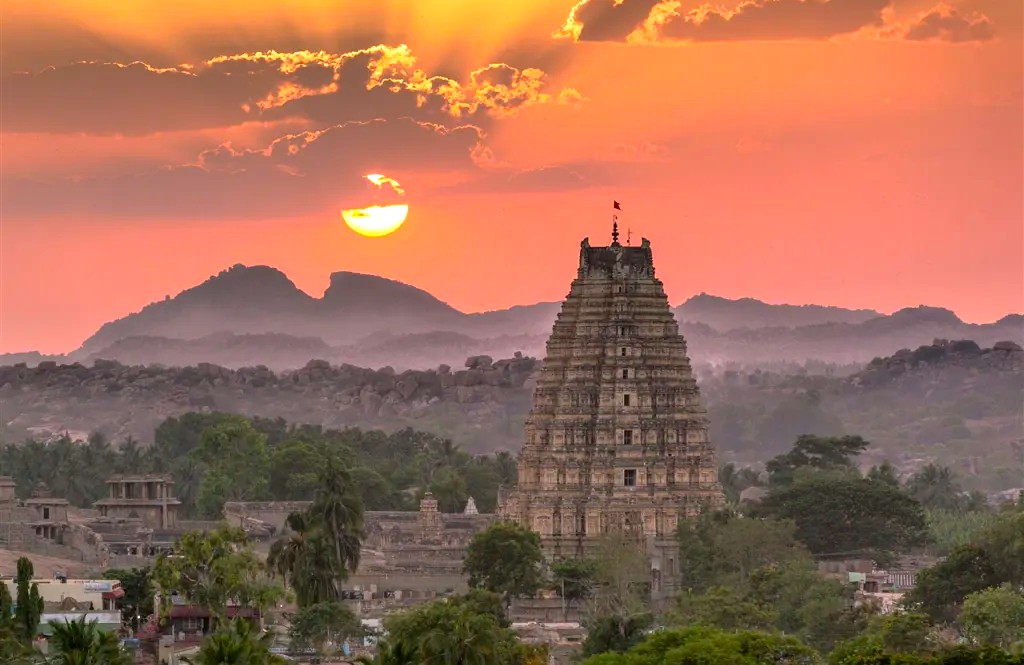
Luxury operators "unlock" the destination. They leverage local connections to provide experiences that money alone cannot always buy on the spot.
The Pros: Absolute peace of mind. Every detail - from luggage handling to specialized dietary needs - is managed by a professional team. You get "VIP" treatment, often bypassing lines and crowds at major sites.
The Cons: The price is the primary barrier. Additionally, because the environment is so curated, it can be easy to stay in a "luxury bubble," potentially missing the raw, spontaneous energy of the local streets unless you specifically ask your guide for a walk. Check the tour theme as you may wish for more cultural immersions like visiting a local village, traditional cooking classes, hot air ballooning or wildlife safaris - these are usually found in small group or private tour companies.
The Promise: The "pretty pictures" are not only accurate but often don't do justice to the legendary service (like the Taj Hotels) where staff often remember your name and tea preferences within an hour of arrival.
Personal Concierge: Elite Tour Management

In the 5 star + bracket, your tour leader is more than a guide: they are a high-level concierge. They are often accompanied by a support team that stays out of sight but keeps the wheels turning perfectly.
National Escort & Experts: You have a dedicated National Escort throughout, plus "Specialist Guides" - often historians or professors - for specific sites like the Taj Mahal.
Seamless Safety and Guides
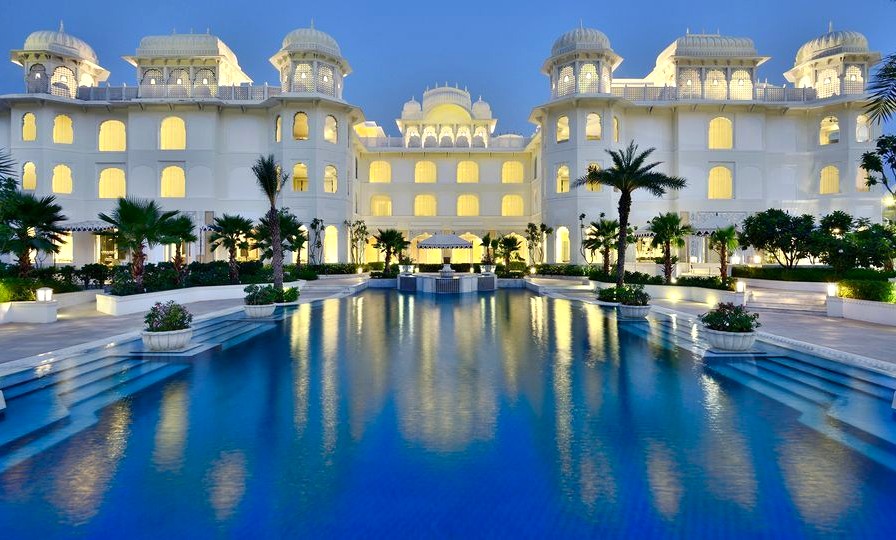
For women, this tier offers the highest safety profile. Your transport, guides, and hotel staff are vetted to international corporate standards, providing a secure "sanctuary" at every turn.
Guides: Your guides are the best in the business - articulate, deeply knowledgeable, and focused entirely on your education and comfort rather than sales commissions.
Hotel Quality: Palaces, Resorts, and Spas
At this level, your accommodation is a destination in itself. You will often stay in properties ranked among the best in the world.
The Rooms: Expect "Royal Suites" or "Luxury Rooms" with marble bathrooms, pillow menus, and views that are often direct-facing monuments (like the Taj Mahal from your balcony).
Reliability: 5-star hotels feature industrial-grade backup systems. Power cuts are non-existent for the guest, and high-speed, fiber-optic Wifi is available throughout the property, even in the gardens.
Legendary Service: The "Butler Service" is common here. Whether you need a sari draped for dinner or a midnight snack, the staff-to-guest ratio is extremely high.
Quiet & Calm: These properties are true oases. Advanced soundproofing and sprawling, manicured grounds ensure that the honking and heat of the city are left entirely at the gate.
Transport, Dining, and All-Inclusivity
Logistics in the luxury tier are designed to be invisible. You never wait for a car; the car waits for you, chilled and stocked.
Transport: Movement is via high-end luxury SUVs (like Audi, BMW, or top-spec Toyotas) or even private internal flights to skip long drives. Drivers are uniformed, English-speaking, and highly trained.
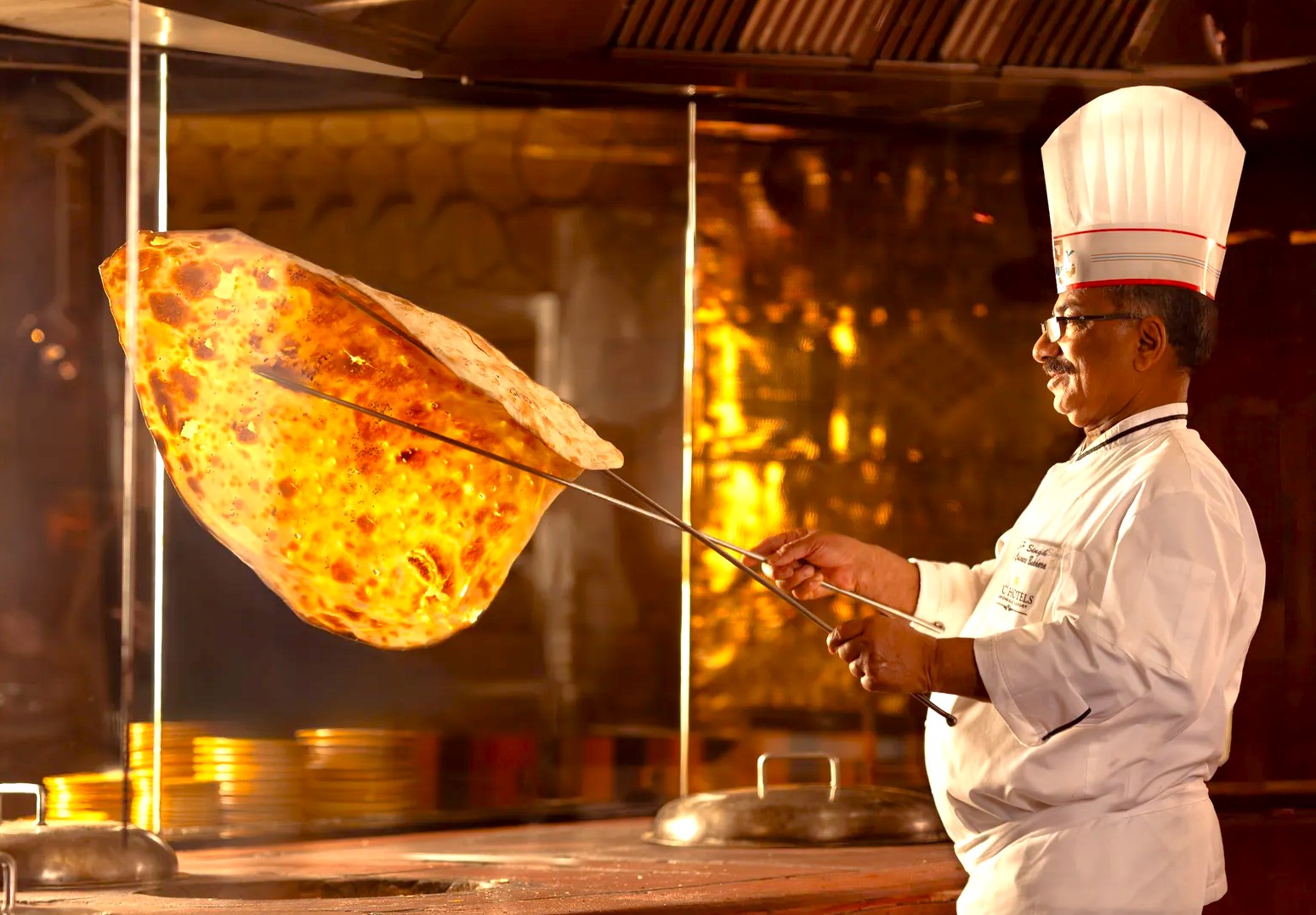
Dining: You aren't limited to a buffet. You'll enjoy fine-dining experiences at award-winning restaurants, private "table-under-the-stars" dinners, and meals prepared by executive chefs who can cater to any allergy or preference.
All-Included: Almost everything is covered - all entrance fees, camera fees, bottled water, snacks, and even high-end gratuities. You can effectively leave your wallet in the hotel safe for the majority of the day.
Private Tours: The Ultimate in Travelling India
Based on 14 Day Tours for 2 People: For a 14-day private tour of India for example, the variation in quality, price, and the operators you choose creates vastly different travel experiences. Since you are booking for one or more people, the following breakdown covers the broad spectrum of options available across the country, from the Himalayas to the backwaters of Kerala.
Budget - Quality and Price Variations: At the standard level, you can expect to pay between $6,000 - $10,000 AUD per person, for 14 days. Quality at this price point focuses on reliability and essential comfort. You will likely stay in 3-star boutique hotels or well-rated heritage "Havelis." Transport is typically a standard air-conditioned sedan, and while you have a private driver, you may handle some of your own meal logistics and hire local site-specific guides at monument gates.
Mid Range: Moving to premium quality, the cost jumps to between $10,000 - $15,000 AUD per person. Here, the "quality" is defined by a significant reduction in travel friction. You will stay in 4-star and 5-star international or grand heritage hotels. Your vehicle will be a more spacious SUV, like a Toyota Innova, and most tours include a dedicated guide who stays with you for the duration of the trip. These packages often include unique experiences, such as private cooking classes or sunset boat charters and are all inclusive.
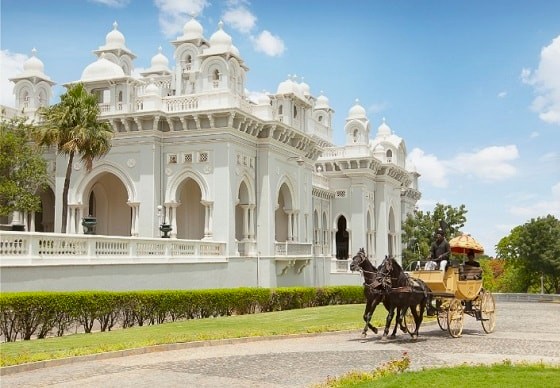
Ultra Luxury: At the ultra-luxury level, $12,000 – $18,000+ AUD per person, the quality is world-class. You are staying in iconic properties like the Taj Lake Palace or Oberoi resorts. This tier includes private airport "meet and greet" services, luxury vehicle transfers (like BMWs), and often domestic flights to skip long drives. You are treated like Royalty
Homestays - B&Bs
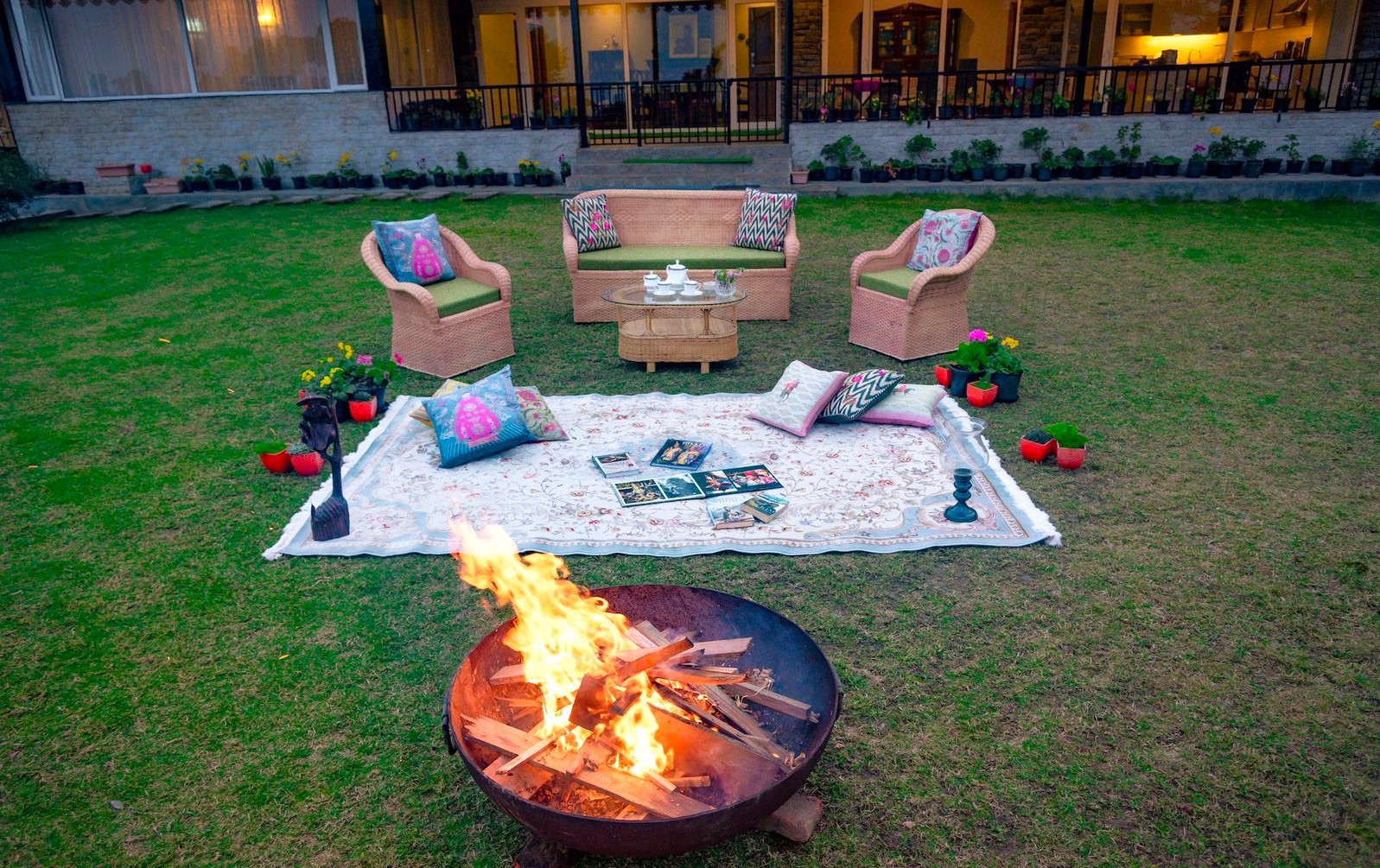
In 2026, homestays and Bed & Breakfasts in India have evolved into a sophisticated alternative to traditional hotels. They offer a "lived-in" charm that provides a deeper connection to local life, whether you are staying in a mountain cottage in Himachal or a colonial villa in Kerala. The choices are vast and you will need to research for the best ones. Some are hit and miss and others are fantastic and well worth the time there.
Budget Homestays: $30 – $80 AUD per night
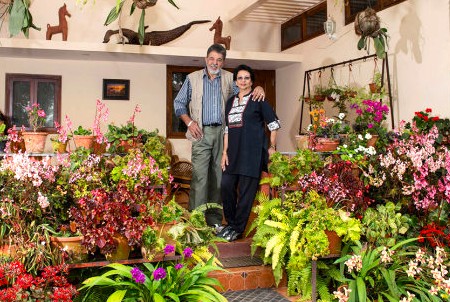
The Experience: These are usually "true" homestays where you have a private room within a family’s home. It is authentic, simple, and very social. You’ll often eat home-cooked vegetarian meals with the family and receive "insider" advice on local transport and markets.
Pros: Incredible value. You get a "local family" who will look out for you, help you navigate chaotic markets, and cook generational recipes you can’t find in restaurants.
Cons: The "Bucket Bath" reality. Many budget stays don't have consistent hot water or showers - you’ll use a bucket and a mug.
The Risk: Poor Hygiene. There are many stories of "stale" linens that haven't been washed between guests or mouldy bathrooms that don't match the bright photos online. Noise is also a major issue; you might be right next to a temple with loudspeakers at 5:00 AM.
Quality: Clean but basic. You can expect a semi-comfortable bed, a private bathroom (though water heaters may be small), and a ceiling fan (AC is sometimes extra).
Highlights: You might be invited to join a family festival or a local wedding. It’s the best way to see "real" India on a shoestring.
Mid-Range B&Bs ($120 – $250 AUD per night)
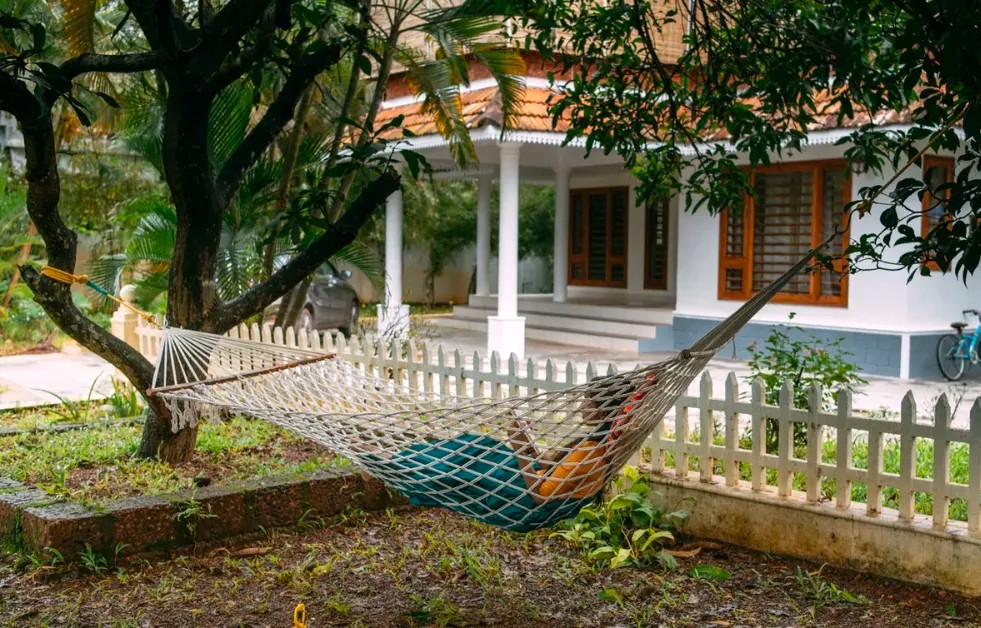
The Experience: These are often "Boutique Homestays" or professionally run guest houses. The owners usually live on-site but have created a separate wing for guests. The focus is on "Slow Travel" - farm-to-table breakfasts, curated local walks, and beautiful common areas.
Quality: High-quality linens, consistent air-conditioning, and aesthetic decor (often using local crafts and antiques).
Highlights: Included activities like pottery workshops, spice plantation walks, or traditional cooking demonstrations using ingredients from the garden.
Pros: The "Sweet Spot." You get a stylish, boutique room with modern AC and plumbing, but still have the warmth of a host who can arrange a private tuk-tuk or a secret walking tour.
Cons: The "Commercialized" Trap. Some mid-range stays have become "mini-hotels." The host is never there, and the staff might be indifferent or poorly trained, leaving you with the lack of privacy of a home but none of the hospitality.
The Risk: The Review Scam. Some hosts are aggressive about reviews. There are stories of hosts literally standing over guests at 6:00 AM asking them to write a 5-star Google review before they check out.
Luxury Villas & Estates ($450 – $900+ AUD per night)

The Experience: This is the "Exclusive Use" or "Private Estate" level. You are often staying in a historic ancestral home, a high-end plantation bungalow, or a luxury glamping tent. It is highly private, with a dedicated staff (chef, butler, and guide) just for your party.
Quality: Equivalent to a 5-star hotel but with the soul of a private home. You’ll have private pools, vast gardens, and personalized menus tailored to your dietary preferences.
Highlights: Total seclusion. Imagine a sunset dinner on a 150-year-old boat in the Kerala backwaters or a private naturalist-led safari from your estate in Ranthambore.
Pros: Absolute exclusivity. You get a private chef and a historical estate (like a tea plantation or a palace wing) all to yourself. It is the safest and most polished way to stay in India.
Cons: The "Stuck" Factor. These estates are often remote. If you don't like the food or the vibe, you are "stuck" there unless you have a private driver. You also lose the "real India" feeling as you are in a high-end bubble.
The Risk: Cloned Website Scams. This is a major issue for 2026. Scammers create "clone" websites of famous luxury villas (like StayVista properties) with slightly different URLs. They take a 50% deposit via WhatsApp or bank transfer, and when you arrive, the real villa has no record of your booking.
Critical Tips: Never Pay Outside the App: If a host on Airbnb or Booking.com asks you to pay via WhatsApp, a direct bank transfer, or UPI to "save on commission," it is almost always a scam.
Verify via Google Maps: Before booking, find the property on Google Maps. Look for "Street View" or recent photos uploaded by users, not the owner. If the map location is vague or there are no user photos, skip it.
The "Linen Test": When you arrive, check the bed immediately. If the sheets feel damp or smell like the previous guest, don't be polite - politely ask for a fresh set immediately.
B&Bs: What To Watch Out For

Since 2022, the distinction between a true Indian homestay and a boutique hotel has blurred as commercial chains "cash in" on the desire for authenticity. A genuine homestay is defined by the physical presence of the owner, who shares their family history and home-cooked meals at a communal table. In contrast, many mid-range "B&Bs" are actually small, rebranded hotels managed by shift staff in uniforms. You can spot these "ghost" homestays by looking for professional reception desks, room counts exceeding eight, or 24-hour room service. While hotels offer polished privacy, true homestays trade corporate perfection for a soulful, lived-in experience where you are treated as a guest, not a customer.
The Rise of Boutique & Women-Led Journeys
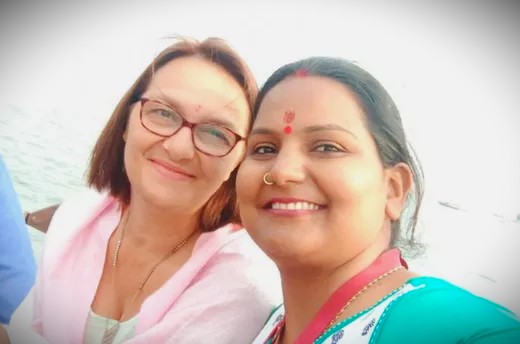
For a deeper cultural connection, travelers are turning to small group tours and women-run travel companies. These intimate experiences offer a distinct advantage: access. Female-led tours open doors that remain closed to standard groups, such as invitations into local kitchens, private homes, and women’s artisan cooperatives. This focus allows visitors to engage with the private side of Indian life, fostering conversations over chai that commercial operators cannot replicate. Furthermore, these companies prioritize ethical employment and community reinvestment.
Discover Life Travel - Discover Us
For more information on tours and tips about India, its people, its history, Dynasties and the customs and traditions. Check out our Indian tip pages on transport, dress codes and more. www.discoverlifetravel.com - an Australian Tour Company - Inspired and created by Catherine Frith, based in Melbourne, Victoria.