Unique Insights Into The Foods Of Royalty
Royal Kitchens of Ancient India
Discover Life travel
The Eternal Fires of Bharat
The royal kitchens of Bharat, known as the 'Rasoi' or 'Bhandar', functioned as the physiological and spiritual pulse of the state for over three millennia. These centers of production were located within the innermost courtyards of the palace to ensure the purity and security of the food consumed by the sovereign. Beyond simple sustenance, the kitchen was a site of complex alchemy where ingredients were balanced according to ancient Ayurvedic principles to maintain the health of the ruling lineage. From the stone-carved pits of the early Vedic period to the sophisticated brick ovens of the medieval era, these spaces managed massive quantities of grain and spices, supporting thousands of staff and providing the fuel for the political and military expansions of various dynasties. This history reflects a deep connection between nutrition and power that defined the ancient world. Royal Kitchens of Ancient India
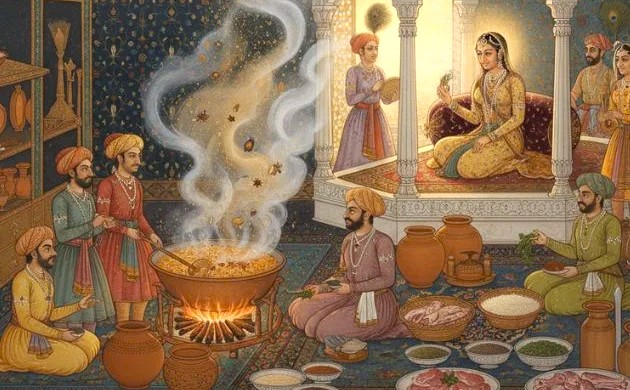
Royal Kitchens of Ancient India: Primordial Smoke of the First Alchemists
Before the rise of structured states, the pre-history of the region identifies the character King Nala as the first master of the culinary arts. His skill in the 'Pakadarpanam' established the foundational rules for heat management and ingredient pairing. In the era before the first recorded Dynasty, the population of the upper Gangetic plains relied on fire-pits dug into the earth near riverbanks. These early spaces were managed by tribal leaders who saw fire as a medium for spiritual transformation. They prepared wild grains and hunted game, focusing on seasonal availability. The kitchen was a portable sanctuary that followed the migratory patterns of the early clans, establishing the initial link between the hearth and the divine order.
Stone Foundations of the Mauryan Storehouses
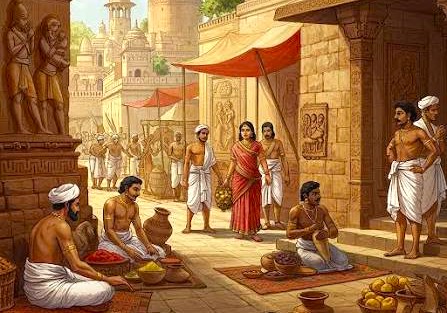
In 322 BCE, the Mauryan Dynasty established massive kitchen complexes in the capital of Pataliputra. Led by Chandragupta Maurya and his advisor Chanakya, the administration created the first recorded food safety protocols. The location featured stone-lined storage pits that could hold up to 10,000 tons of rice and wheat. Construction began in 320 BCE, utilizing labor from across the northern plains. The population of the palace staff reached 5,000, including tasters and inspectors who guarded against poison. These halls were designed with ventilation shafts to prevent the buildup of smoke. The daily life of the royal family was dictated by a strict schedule where the King and his sons, Bindusara and Ashoka, consumed meals prepared under the supervision of state-appointed physicians.
Engineering the Hydrology of the Royal Cisterns
Advanced water systems were essential for the cleaning and cooking requirements of the massive kitchen staff. In 1571 CE, the construction of Fatehpur Sikri included a complex network of overhead tanks and stone pipes that delivered freshwater from the local lake. The population of the city relied on these gravity-fed systems to maintain the hygiene of the royal pantries. These cisterns were designed to store up to 500,000 liters of water, ensuring a steady supply even during the peak of summer. The water was often infused with vetiver roots for fragrance and purity. The management of these systems was overseen by engineers who ensured that the drainage from the kitchens did not contaminate the local groundwater, reflecting a sophisticated understanding of environmental health. Royal Kitchens of Ancient India
Spiritual Essence of the Temple Pantry
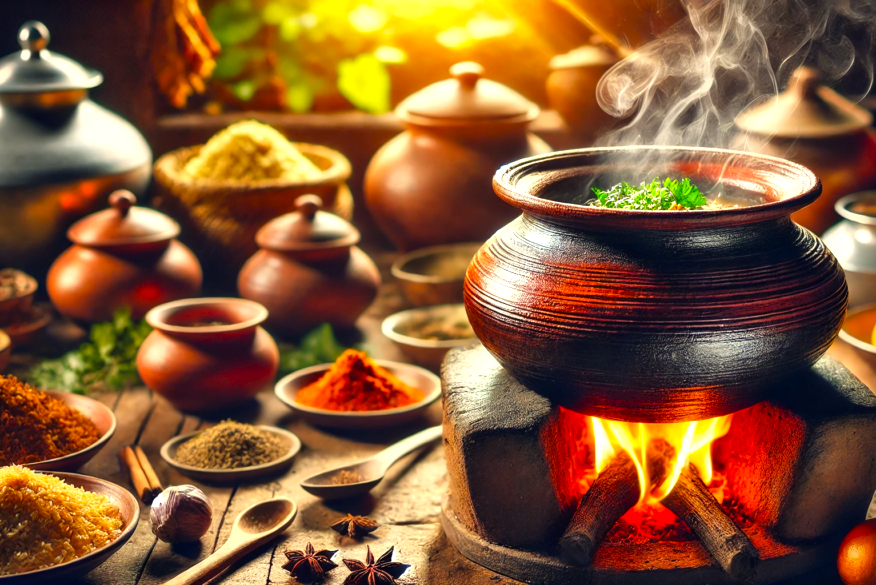
Religious practices dictated the flow of the kitchen, with every meal offered to the deities before consumption. In the temple city of Puri, the 'Mahaprasad' kitchen, built in 1135 CE, remains one of the largest in the world. This site manages the feeding of a population that fluctuates between 50,000 and 100,000 people daily. The tradition involves cooking in earthen pots stacked in seven layers over a single fire, where the top pot is said to cook first. The royal family of Odisha served as the primary patrons. These kitchens follow the solar calendar, preparing specific items for the Ratha Yatra festival held in June or July, where 20,000 kilograms of sweets are distributed among the devotees at precisely 2:00 PM.
Protocols of the Zenana Hearth
The role of women in the palace was centered on the management of the inner kitchens and the social welfare of the royal household. The Queen held the keys to the spice vaults and dictated the daily menu based on the health of the King and the children. Marriage for royal women often included the transfer of specialized culinary staff and secret recipes as part of the dowry. Daily life involved supervising the cleaning of thousands of metal plates and the storage of seasonal preserves. The royal children were taught the value of the hearth from a young age. These women were the governors of the palace economy, managing budgets that exceeded millions of copper coins annually to feed the court and maintain the social hierarchy. Royal Kitchens of Ancient India
Chronicles of the Fortified Silos
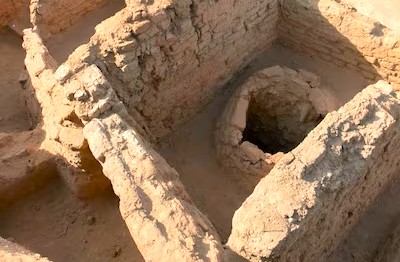
During times of military conflict, the kitchen moved to the fortified ramparts to support the defending population. In 1303 CE, during the siege of Chittorgarh, the kitchens were managed with extreme rationing to sustain 30,000 soldiers for several months. The battle chronicles of the Rajput lineages, including Rana Ratan Singh and his Queen Padmini, record the importance of the grain silos. Water systems were fortified with stone walls to prevent poisoning by the invading forces. The kitchen staff worked in shifts to provide energy-dense meals of bajra and dried lentils. These periods of crisis highlighted the resilience of the food supply chain, as the survival of the Dynasty depended on the efficiency of the underground storage systems and the loyalty of the staff.
Trade Veins of the Pepper Route
The kitchen was the final destination for goods traveling along the ancient trade routes. Spices from the Malabar coast reached the northern palaces via the 'Dakshinapatha'. By 800 CE, the Chola Dynasty in the south controlled the maritime routes that brought cloves and nutmeg from Southeast Asia. These ingredients were used in quantities exceeding 50 kilograms per day in the royal kitchens of Thanjavur. The administration of Rajaraja Chola I and his son Rajendra I ensured that the kitchen was a hub of international exchange. These routes provided the oils and minerals required for the complex sauces that defined the wealth of the Dynasty. The kitchen acted as a commercial engine, driving the demand for exotic produce across the entire subcontinent. Royal Kitchens of Ancient India
Lineage of the Master Spice Guardians
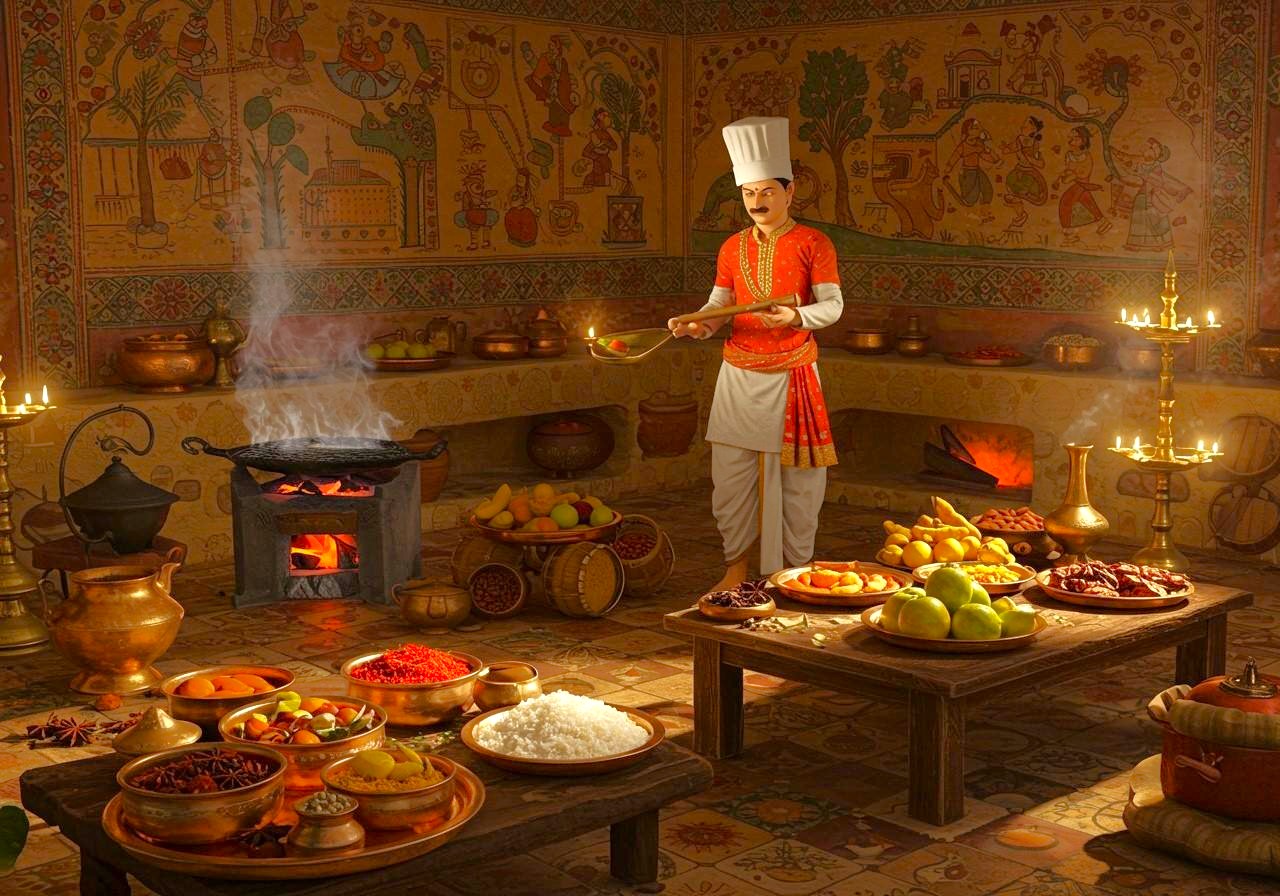
Notable family lineages of hereditary cooks served the same royal houses for generations. These families, such as the descendants of the early Persian chefs who arrived in 1526 CE, maintained secret spice blends passed from father to son. Their status was high within the palace hierarchy, often receiving land grants and titles for their service. The population of these specialist families lived in dedicated quarters near the palace walls. They were responsible for the creation of unique flavors that defined the identity of the Dynasty. These cooks acted as the guardians of the oral culinary history, ensuring that the favorite dishes of the King, such as the slow-cooked biryanis of the Awadh rulers, remained consistent over several centuries of rule.
Vessels of the Celestial Churn
Cooking instruments were manufactured from brass, copper, and clay, often reaching massive proportions to accommodate the palace needs. The 'Degs' or cauldrons used in the 16th century could hold 2,000 kilograms of rice and meat, standing over five feet tall. Large 'Karahis' with diameters of six feet were used for deep-frying sweets in clarified butter. Stone grinders were used to crush spices, weighing over 40 kilograms each. The administration of the Tughlaq Dynasty in 1320 CE ordered the construction of specialized bronze vessels that were tinned monthly to prevent toxicity. These containers allowed for the preparation of communal meals that supported the entire administrative and military population of the royal citadel, ensuring that no one went hungry during the long campaigns.
Apothecary of the Royal Spice Chest
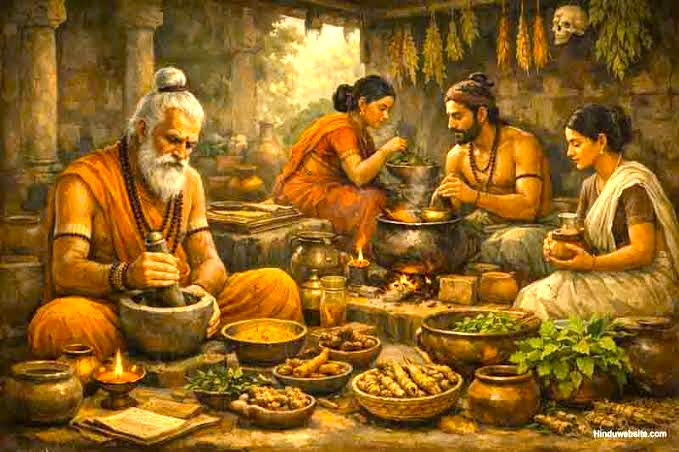
The kitchen functioned as a pharmacy where the Queen supervised the preparation of tonics and healing broths. Medicines used included turmeric for inflammation and ginger for digestive health, integrated directly into the daily recipes. During the 16th century, the Mughal Dynasty under Akbar expanded this practice, employing specialized physicians to oversee the nutritional intake of the royal family. The children, including Prince Salim, were given specific diets to enhance cognitive function. The use of saffron water and rosewater was common for their cooling properties. These traditions were based on the 'Ain-i-Akbari', which documented the specific weights and measures of every herb used in the palace, ensuring that the food served as a shield against the humidity and seasonal fevers. Royal Kitchens of Ancient India
Harvest Rituals of the Lunar Calendar
The agricultural cycle dictated the transition of ingredients within the royal stores. In January, the festival of Makar Sankranti marked the arrival of the new harvest, where the kitchen prepared dishes using freshly threshed rice and sugarcane. The population of the rural districts sent their best produce to the palace as a form of tribute. These traditions were documented in the 12th-century text 'Manasollasa', written by King Someshvara III of the Chalukya Dynasty. He detailed the preparation of hundreds of items, including fermented breads and flavored milks. The kitchen followed the phases of the moon to determine the preparation of cooling or heating foods. These rituals ensured that the Dynasty remained in harmony with the natural rhythms of the earth and the seasons.
Daily Pulse of the Throne
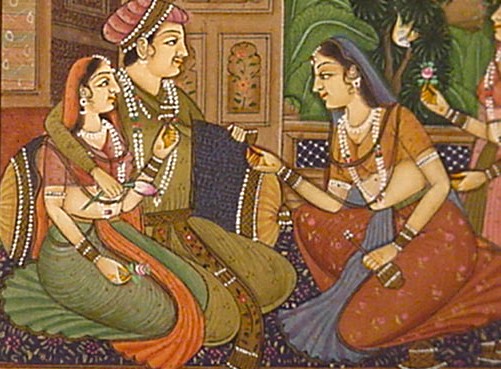
The daily life of the royal family was a blend of ceremony and logistical rigor. The King typically rose before dawn for a ritual bath, followed by a light meal of fruits and nuts. The Queen oversaw the education of the princesses, focusing on music and the management of the household. Children played in the palace courtyards and learned the history of their ancestors. Meals were communal but strictly hierarchical, served in silent halls where the focus was on the ritual consumption of items like the slow-cooked 'Haleem' or the delicate 'Shirmal' breads. In the evenings, the family gathered to listen to court poets while consuming cold drinks made from hibiscus and sandalwood. These moments were essential for maintaining the social bonds of the ruling family. Royal Kitchens of Ancient India
Walking through the Ancestral Steam
We walk through these stone corridors to hear the echo of the massive ladles hitting the copper pots. Us observers can feel the heat radiating from the brick ovens that once fed thousands of soldiers and saints. We see the deep grooves in the granite floors where spices were ground by hand for the royal banquets. We touch the cool surfaces of the storage jars that held the wealth of the silk routes. This experience allows us to breathe the lingering scent of sandalwood and cardamom that has permeated the very walls of the palace. We stand where the master blenders once stood, witnessing the immense scale of the production that supported the life of the great kings and queens of the past.
Sunset of the Imperial Hearth
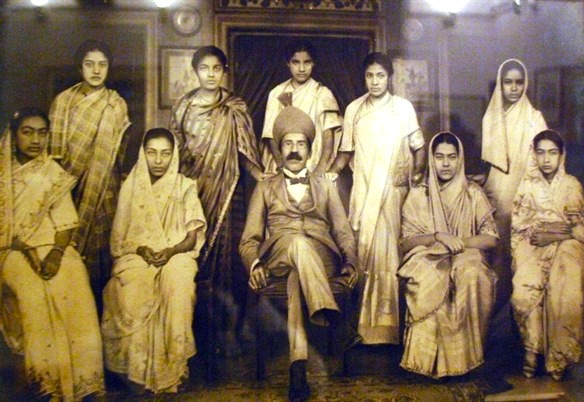
The decline of the traditional royal kitchen Dynasty began in the 19th century as the colonial administration and the introduction of mass-produced goods altered the palace economy. By 1858 CE, the central authority of many regional kings had vanished, leading to the dissolution of the massive kitchen staff. The specialized lineages of cooks were forced to find employment in the new commercial hotels and restaurants. The replacement of the slow-cooking hearth with fuel and centralized industrial processing marked the end of the Ayurvedic culinary science that had defined the health of the subcontinent's elite for generations. Today, these ancient halls remain as silent stone witnesses to a time when the kitchen was the center of spiritual and political power for the great lineages. Royal Kitchens of Ancient India
Step Inside The Story - View All Tour Itineraries & Details

We’re here to offer genuine, thoughtful guidance if your interested in travelling to India. As a small, dedicated team, we pay close attention to every detail so you can focus on enjoying the experience while we take care of the planning. We believe the best trips begin when someone truly listens to what you want and how you like to travel, so the journey feels right for you and contributes to a happy, positive group on tour. Our communication stays clear, straightforward, and respectful at every step, with the goal of helping you feel understood, supported, and confident from first contact to the end of your journey.
Click Catherine Frith - About The Founder
Click Discover Life Travel - All Tours and More
Click Why We Are Different - Unique, Safe, Transparent