Unique Insights Into The Railways Of India
Railway System Of India
Discover Life Travel
The Primordial Path of Transit
Before the arrival of steam technology, the transit systems of Bharat relied on an extensive network of stone-paved royal roads and riverine routes. Characters like Sher Shah Suri and the rulers of the Mughal Dynasty established the Grand Trunk Road, featuring regular rest houses and shaded groves for travelers. Logistics were managed using massive caravans of bullock carts and pack animals that moved silk and spices between inland trade hubs. Water systems, including step-wells and stone bridges, supported these routes, ensuring a steady flow of commerce. This pre-industrial system was decentralized, relying on local animal power and seasonal river currents rather than a unified mechanical infrastructure. Railway System Of India
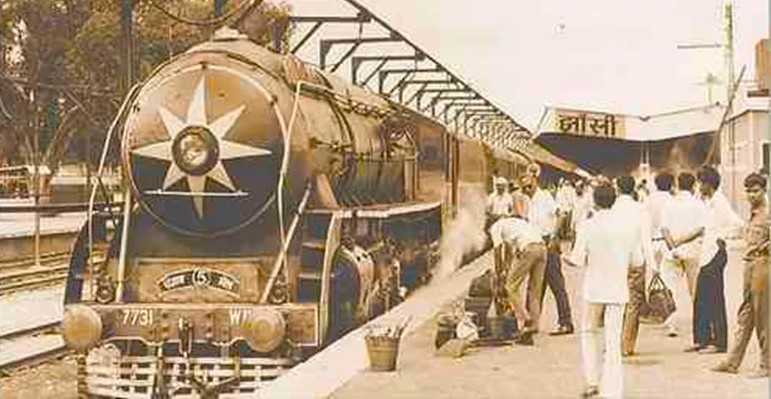
Railway System Of India: The British Iron Framework
The British influence on the Indian Railway system began with the strategic vision of the East India Company and Lord Dalhousie, who saw the iron tracks as a means to consolidate military power and commercial profit. Starting with the inaugural run in 1853, the British implemented a centralized administrative structure that standardized time, technology, and social hierarchies across the subcontinent. This system replaced traditional transit methods with a rigid, steam-powered network designed to link the interior resource zones with coastal ports. While it provided a technical foundation for modern India, the system was primarily an instrument of imperial control, facilitating the extraction of wealth and the rapid movement of colonial troops to suppress local resistance.
Strategies of the Company Boards
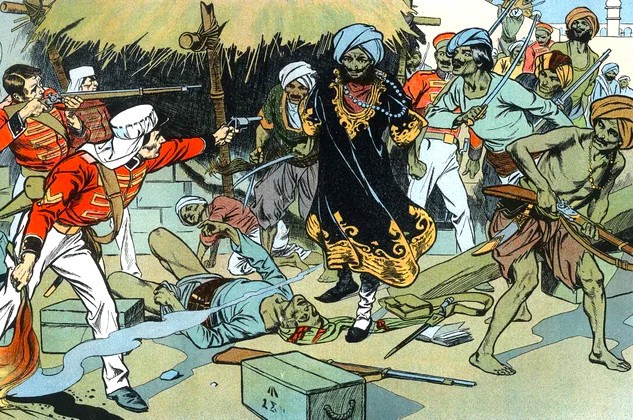
Before the first rail was laid, the East India Company established the legal and financial framework for the system. In 1849, they introduced a "guaranteed interest" system, where British investors were promised a five percent return on their capital, funded by Indian taxpayers. This ensured that the construction risks were borne locally while the profits remained in London. Characters like Lord Hardinge emphasized that the rail lines must serve military objectives first, ensuring that the British could deploy artillery and infantry to any province within days. This period of planning established a dependency on British engineering and capital that would define the infrastructure for over a century.
Lineages of the British Administrators
The expansion of the tracks was managed by a distinct lineage of British officials, including the Dalhousies, Elphinstones, and various members of the Covenanted Civil Service. These administrators lived in isolated railway colonies that were social replicas of British towns, complete with clubs and manicured gardens. The daily life of these families was defined by a strict adherence to European social protocols, maintaining a clear distance from the local population. Marriage for the daughters of these officials often served to consolidate the administrative elite. These lineages held the exclusive keys to the technical and financial management of the tracks, creating a foreign governing class that operated independently of local social structures. Railway System Of India
Chronicles of Imperial Military Speed
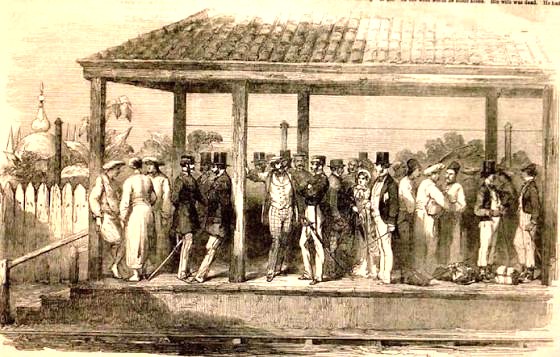
The primary military influence of the British was demonstrated during the events of 1857, where the railway allowed for the rapid movement of reinforcements to key centers of conflict. The British utilized the tracks to bypass traditional obstacles, delivering fresh troops and heavy munitions to besieged garrisons. In the following decades, the railway was extended toward the Northwest Frontier specifically to counter potential threats from the Russian Dynasty. Military chronicles from 1860 to 1890 highlight the train as a mobile arm of the British army. This strategic use of the iron path solidified the foreign grip on the territory, turning the railway into a tool of permanent military surveillance and rapid response.
Segregation of the Divided Carriages
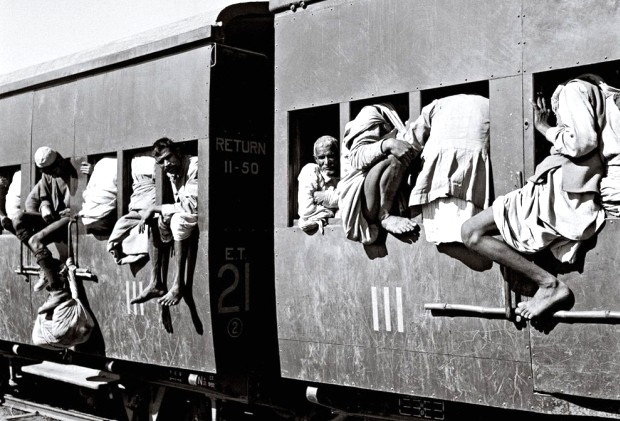
The social influence of the British was most visible in the rigid class system enforced within the trains. First-class carriages were often reserved for Europeans, featuring plush upholstery and private lavatories, while third-class cars for the local population were overcrowded and lacked basic amenities. This physical segregation reflected the broader racial hierarchy of the British Raj. By 1900, these divisions were institutionalized in the railway manuals, dictating everything from waiting room access to the quality of food served at the stations. This enforced separation created a sense of grievance among the educated local classes, eventually turning the railway into a primary site for social and political protest against foreign rule. Railway System Of India
Extraction of the Interior Wealth
The British designed the trade routes specifically to facilitate the movement of raw materials like cotton, coal, and tea from the interior to the coastal ports. By 1880, the rail network had effectively bypassed traditional local markets, funnelling resources toward British-owned merchant ships in Bombay and Calcutta. The railway acted as a one-way artery that drained the wealth of the provinces. This system led to the downfall of local handloom and artisan industries, as mass-produced British goods were transported back through the same lines at low costs. The economic influence was defined by a shift from a self-sufficient local trade model to a globalized colonial economy focused on raw material export.
Standardization of the Unified Clock
One of the most profound British influences was the introduction of Railway Time in 1870. To ensure the coordination of trains across vast distances, the British replaced the local solar time of different cities with a unified standard. This forced the entire population to synchronize their lives with the movements of the locomotives. This mechanical standardization of time was a radical departure from the traditional rhythmic cycles of Indian life. It allowed the British to regulate labor, commerce, and movement with surgical precision. The introduction of the unified clock represented the victory of industrial logic over local tradition, creating a sense of a single, synchronized territory under British administrative control. Railway System Of India
Daily Life of the Colonial Elite
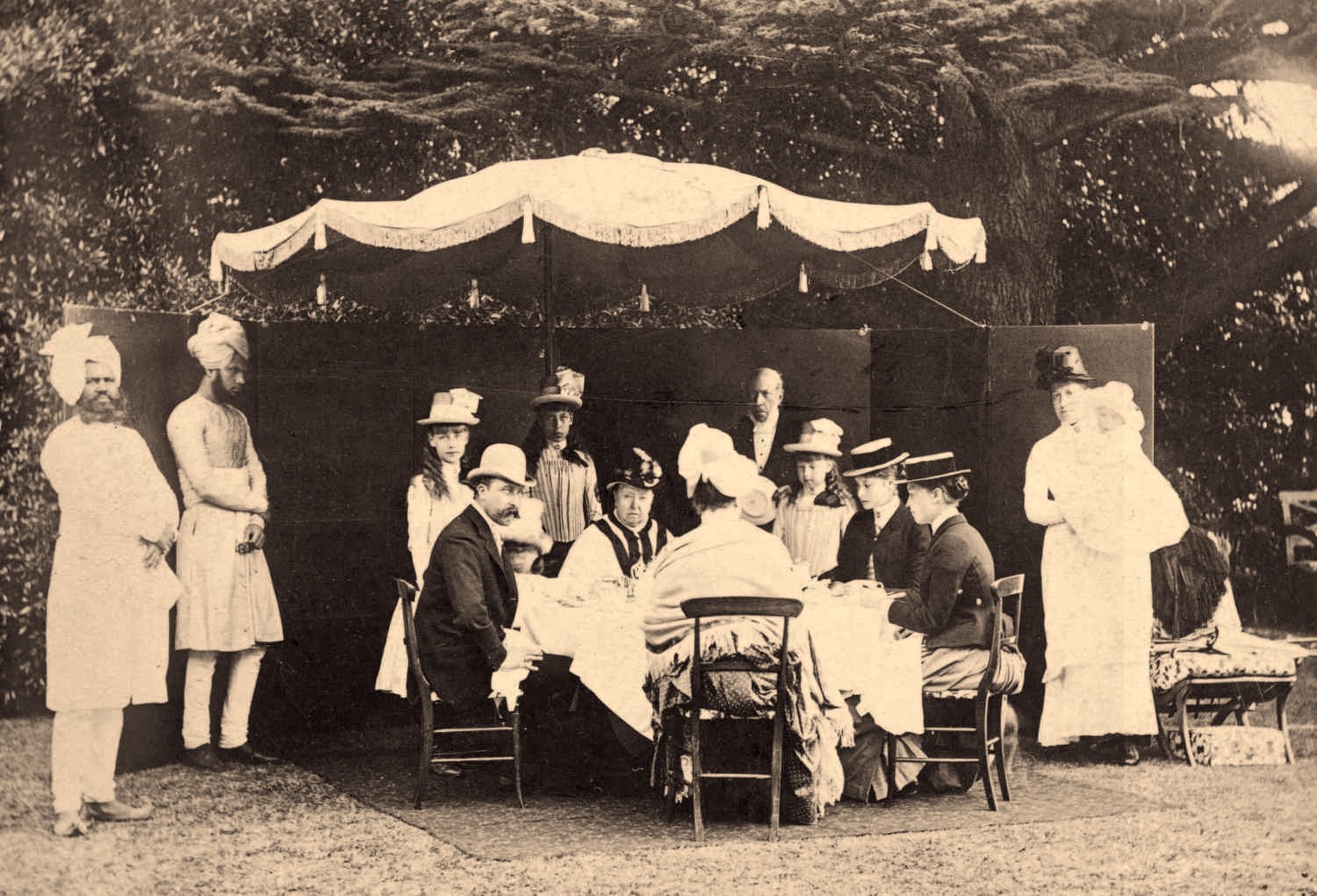
The daily life of the British railway elite involved a blend of technical supervision and social ceremony. Senior engineers and board members traveled in private, luxurious saloons that acted as mobile villas. These cars were equipped with kitchens, bedrooms, and offices, allowing the officials to maintain their European lifestyle while inspecting the most remote sections of the track. In the evenings, the officers gathered in exclusive railway institutes to socialize and listen to brass bands. This life of "luxury on wheels" was a constant reminder of the disparity between the rulers and the ruled. The elite maintained a culture of technical excellence and racial exclusivity that defined the character of the railway management until the mid-20th century.
Medicines of the Tropical Frontier
British medical influence was centered on the need to protect the European staff from the harsh tropical environment. Railway hospitals were established at every major junction, primarily focusing on the distribution of Quinine to combat malaria. By 1910, the British had developed sophisticated medical protocols for the transit of troops and officials, ensuring they were insulated from local epidemics like cholera. The railway doctors were trained in London and enforced strict sanitation standards in the railway colonies. While these medical facilities occasionally served the local staff, their primary purpose was to ensure that the "thin red line" of British administration did not break due to the biological challenges of the region. Railway System Of India
Rites of the Queen’s Locomotives
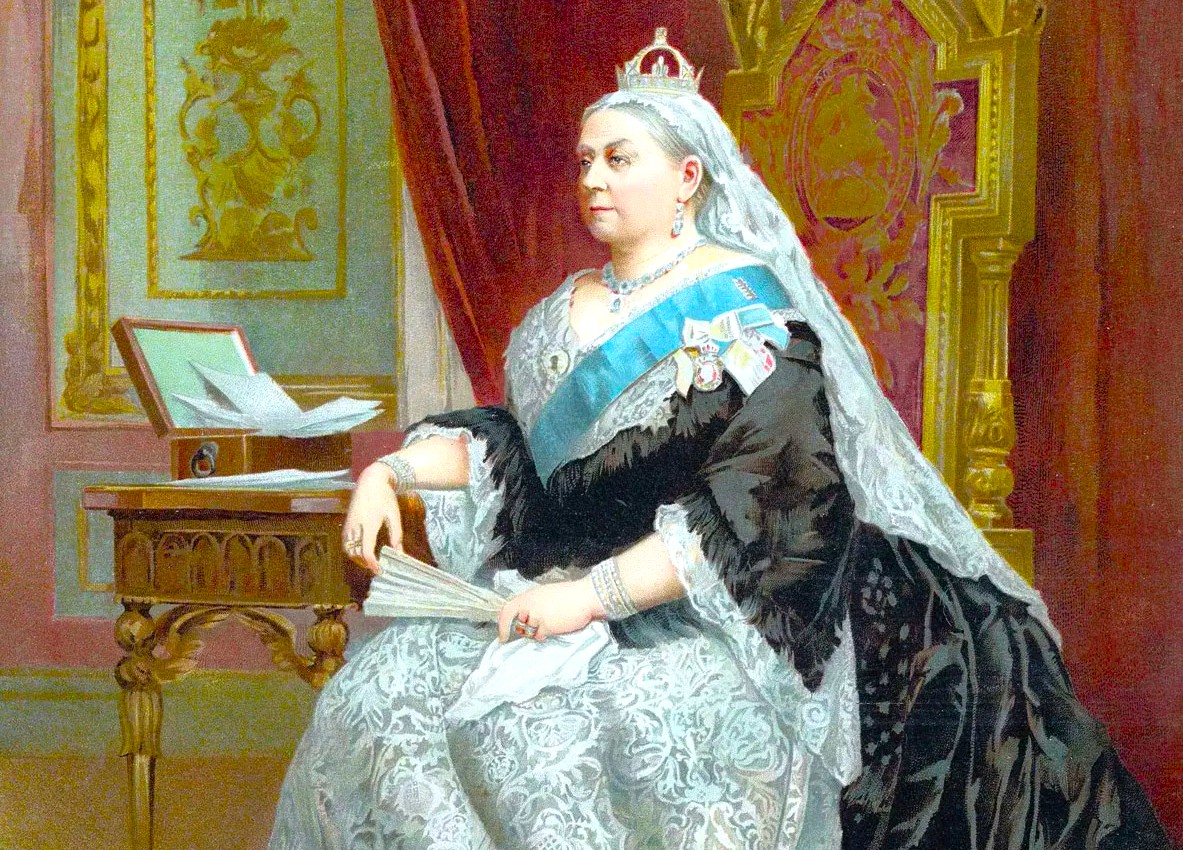
The British incorporated their own royal rituals into the railway culture, naming locomotives after members of the royal family and British victories. On the Queen’s birthday, major stations were decorated with the Union Jack and illuminated with gas lamps. These celebrations were used to reinforce the image of the British monarch as the ultimate authority over the iron paths. Cultural performances at these events were often restricted to military bands playing British anthems. These rituals served to legitimize the foreign presence by presenting the railway as a gift from the crown. The scale of these events demonstrated the immense resources at the disposal of the British administration, aimed at awing the local population into submission.
Shadows of the Extractive Network
The British influence left a legacy of displacement for local communities. Large tracts of land were seized for track expansion, often without adequate compensation for the traditional owners. The construction of massive bridges and embankments frequently disrupted local water systems and traditional flood patterns, leading to environmental changes in the river valleys. By 1920, the statistics showed that while the railway had expanded to 35,000 miles, the benefits were largely skewed toward the foreign administration. The downfall of the indigenous village economy was accelerated by the railway's ability to flood local markets with foreign manufactured goods. This period was marked by a conflict between industrial progress and the erosion of traditional livelihoods.
Apothecary of the Garrison Towns
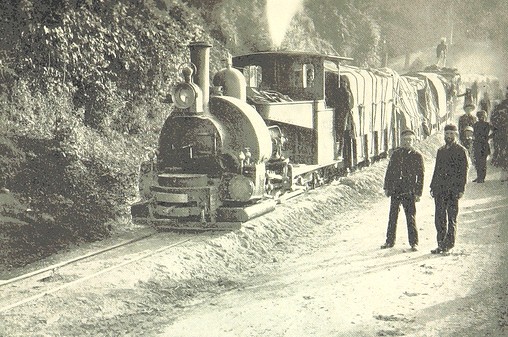
The British influence extended to the creation of railway garrison towns like Kharagpur and Mughalsarai. These towns were designed as strategic hubs for the maintenance of the locomotives and the housing of the European and Anglo-Indian staff. The layout of these towns followed a military grid pattern, with the railway station acting as the central fortress. By 1930, these towns had become the primary centers for the technical education of the staff, emphasizing British engineering standards. The daily life in these towns was governed by the whistle of the locomotives, which signaled the start and end of the workday. These hubs ensured that the British could maintain their technical sovereignty over the network from coast to coast. Railway System Of India
Echoes of the Imperial Decline
The influence of the British began to wane as the independence movement used the very same rail network to spread the message of self-rule. Characters like Gandhi used third-class travel to identify with the common people and highlight the injustices of the system. The British response was to increase surveillance and military presence at the major junctions. By 1940, the railway had become a contested space where the foreign administration struggled to maintain control against a unified national demand for sovereignty. The statistics from this era show a significant increase in sabotage and strikes by railway workers, signaling the end of the foreign administrative dominance over the iron paths of the subcontinent.
Sunset of the Colonial Dynasty
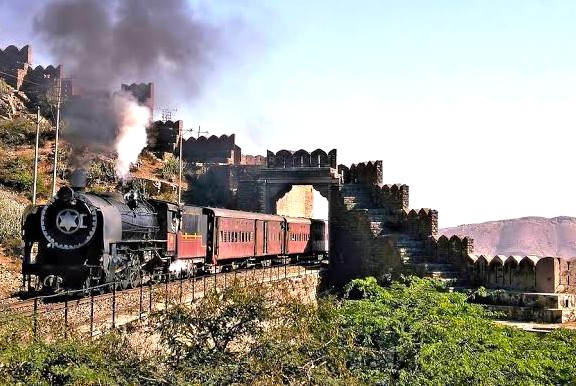
The decline of the British Raj Dynasty over the railway system concluded in 1947 with the partition of the territory. The British, who had unified the network for their own control, oversaw its fragmentation into two separate national entities. The departure of the British administrative elite left a massive technical and logistical gap that was filled by the newly formed national governments. By 1951, the final traces of the private British railway companies were nationalized into the Indian Railways. This marked the replacement of the colonial extractive model with a national public service mandate. The centralized power of the British boards was dissolved, leaving behind a massive iron skeleton that would be repurposed for the goals of a modern, independent nation.
Step Inside The Story - View All Tour Itineraries & Details

We’re here to offer genuine, thoughtful guidance if your interested in travelling to India. As a small, dedicated team, we pay close attention to every detail so you can focus on enjoying the experience while we take care of the planning. We believe the best trips begin when someone truly listens to what you want and how you like to travel, so the journey feels right for you and contributes to a happy, positive group on tour. Our communication stays clear, straightforward, and respectful at every step, with the goal of helping you feel understood, supported, and confident from first contact to the end of your journey.
Click Catherine Frith - About The Founder
Click Discover Life Travel - All Tours and More
Click Why We Are Different - Unique, Safe, Transparent