Unique Insights Into The Religions Of India
Quran: India
Discover Life Travel
Eternal Verses
The word "Quran" translates from the Arabic "Al-Quran," which means the act of reciting or reading aloud. This spiritual record is rooted in the Hejaz region of the Arabian Peninsula, specifically around the cities of Mecca and Medina. Long before any organized ruling house appeared, the land was a place of oral poetry and seasonal trade routes. Today, the global population of those following these teachings has reached roughly 1.9 billion people. This history from the beginning involves precise dates, specific family lineages, and the rise of the first major ruling houses in the region. The journey from a localized oral tradition to a worldwide written record involves the first Rashidun leaders and the transition to the Umayyad Dynasty. Quran India
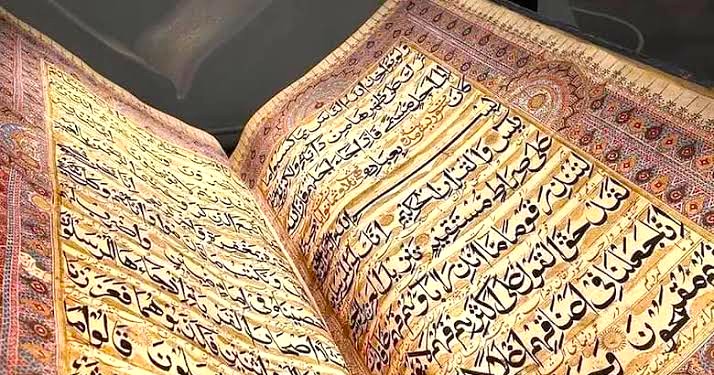
Quran India: Ancient Sands and Tribal Echoes
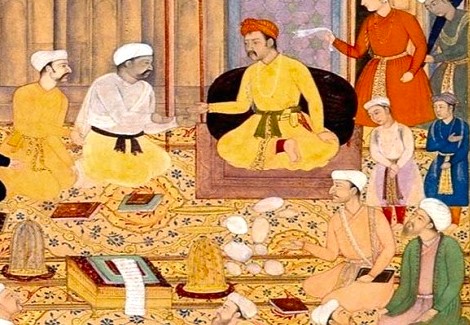
Before the first well-documented ruling lines, the Arabian Peninsula was a landscape of nomadic groups and merchant clans. The Quraysh tribe held power in Mecca, managing the trade of incense and spices along the Red Sea coast. Within this environment, the population lived in skin tents or stone dwellings, following ancestral laws that governed marriage and water access. Women often managed the household resources and the education of children while men traveled on long trade journeys. This pre-history ground provided the social structure that would eventually support a unified spiritual message. The locals were experts at desert survival, using wells and oases to sustain their livestock in a harsh, dry climate.
The First House of Power
The initial leadership following the early period was the Rashidun Caliphate, starting in 632 with Abu Bakr, followed by Umar, Uthman, and Ali. These leaders governed from Medina, which became the administrative heart of the expanding community. During this era, the population grew quickly as new territories were incorporated into the realm. Marriage was a vital tool for social stability, and the family of the ruler lived a life of discipline and service. The structure of the government was based on consultation and the application of the newly shared verses. This period set the foundation for the administrative and legal systems that would later define the first major dynasties of the region. Quran India
Scribes of the Unified Script
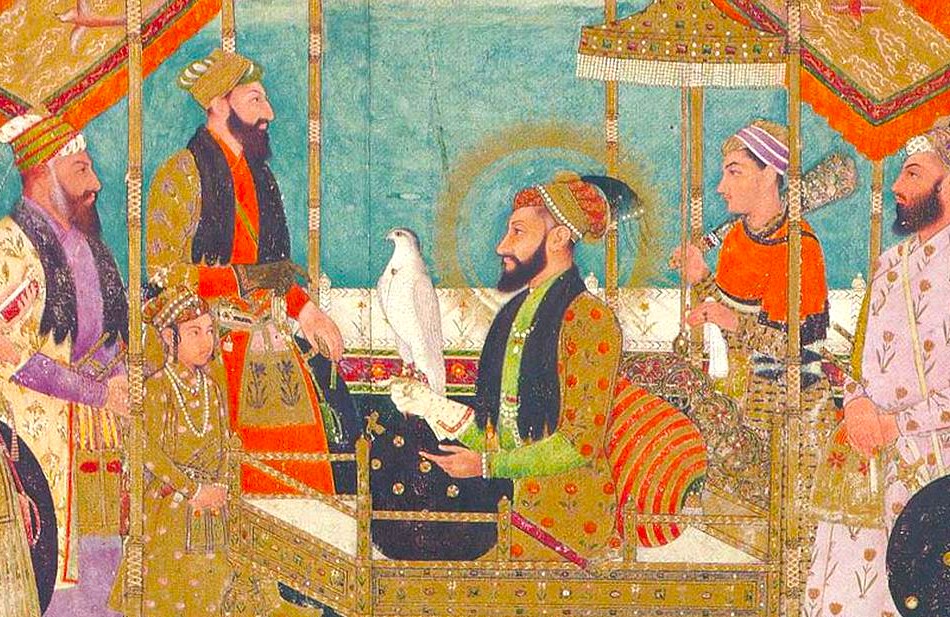
The construction of a single written volume was a story of scholars and scribes working together in Medina. Under the third leader, Uthman ibn Affan, around the year 650, the various oral versions were officially compiled into one record to ensure consistency across the growing population. This process involved careful verification of every verse. The project was not a physical building but a substantial intellectual edifice that provided a permanent framework for the community. Scribes like Zayd ibn Thabit were central to this work, documenting the words on parchment and bone. This unified volume allowed the message to travel along trade routes, reaching far beyond the desert borders into Persia and Egypt.
Dynastic Shifts to Damascus
In 661, the Umayyad Dynasty took power, moving the seat of authority from Medina to the ancient city of Damascus. This shift transformed the simple administrative style into a more formal court life. The ruling family established palaces that reflected their new status, where the king, his queen, and their children lived in substantial quarters. This era saw the population continue to rise as the borders expanded toward the Atlantic and the borders of China. The daily life of the court was governed by the principles of the text, but the administrative framework became more complex to manage the vast lands. The transition marked the end of the early period and the start of a global presence. Quran India
The Royal Hearth in the Palace
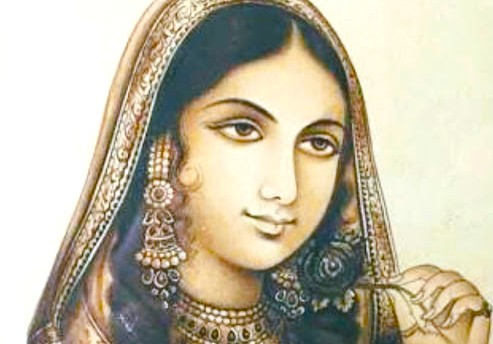
Life inside the royal dwellings of the early ruling houses followed a strict protocol. The leader, his queen, and their children lived in quarters designed for privacy and security. While the ruler handled matters of state and law, the family engaged in education and the study of the sacred record. The children were trained in horse riding, poetry, and the application of the verses in daily life. Women held influential roles in the domestic sphere, often overseeing the upbringing of heirs and managing large estates. These courts were not just political centers but hubs where the daily recitation was practiced and preserved as the foundation of the community’s social and legal order.
Wisdom of the Domestic Sphere
Marriage in this era was a formal contract involving specific dowries and witness testimony, often used to bind tribal lineages together. Within the household, women were responsible for the moral education of children and the management of domestic affairs. Historical figures like Khadija, the first wife of the prophet, and later Fatima and Aisha, are noted for their contributions to the early community. While men often participated in defense and trade, women maintained the continuity of the faith at home. This social structure supported a growing population that valued large families. The rules of the household were outlined in the verses, which defined inheritance rights and the substantial protections afforded to women. Quran India
Clashes of the Desert Shield
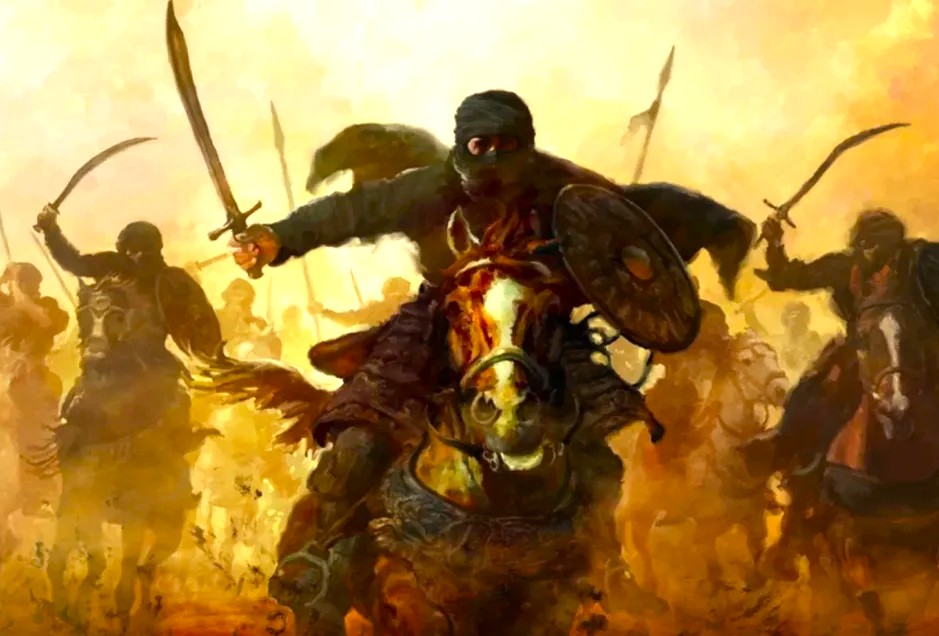
The early years involved several documented battles that shaped the future of the region. The Battle of Badr in 624 saw a smaller force defeat a larger Quraysh army, followed by the Battle of Uhud in 625. These events are recorded with specific names of participants and outcomes that influenced tribal loyalties. As the ruling houses expanded their territory, the population they governed became more diverse. These military encounters were not merely about land but about the survival of the new social order. The outcomes determined which trade routes would remain open and how the growing community would defend its newly established centers in the Hejaz and the surrounding territories.
Caravans of the Incense Path
Trade held the desert communities together long before the first dynasty. Overland corridors connected Mecca and Medina to Gaza and Yemen, linking regions for the exchange of spices, textiles, and perfumes. Maritime exchange across the Red Sea relied on coastal sailing, connecting ports to East Africa and Egypt. This economic life shaped the livelihoods of weavers, boatmen, and caravan handlers. Market life also influenced the giving of alms, as the verses required that a portion of wealth be shared with the poor. In this social model, trade was necessary but required honest weights and fair dealings, ensuring that the growing population could thrive through mutual support and ethical commerce across the desert. Quran India
Step Inside The Story - View All Tour Itineraries & Details
We’re here to offer genuine, thoughtful guidance if your interested in travelling to India. As a small, dedicated team, we pay close attention to every detail so you can focus on enjoying the experience while we take care of the planning. We believe the best trips begin when someone truly listens to what you want and how you like to travel, so the journey feels right for you and contributes to a happy, positive group on tour. Our communication stays clear, straightforward, and respectful at every step, with the goal of helping you feel understood, supported, and confident from first contact to the end of your journey.
Click Catherine Frith - About The Founder
Click Discover Life Travel - All tours and more
Click Why We Are Different