A Unique Look Into Indian History
Pandya Dynasty: Tamil Nadu
Discover Life Travel
River Crowns Of The South
The Pandya Dynasty ruled portions of what is now southern Tamil Nadu, India, from ancient times into the early modern period, centering on cities like Korkai and later Madurai. Their name is often linked to the Tamil root “pandu,” suggesting oldness or antiquity, fitting a house that claimed very ancient origins. Their domains stretched around the Vaigai and Tamiraparani rivers, reaching the Gulf of Mahhar's pearl banks and inland hill tracts. To follow their story, we move from early megalithic cultures and Sangam-age chiefs to temple construction, rice fields, sea trade, royal marriages, medical practice, festivals, wars, and a long, uneven decline as other powers rose on the same landscape. Pandya Dynasty Tamil Nadu
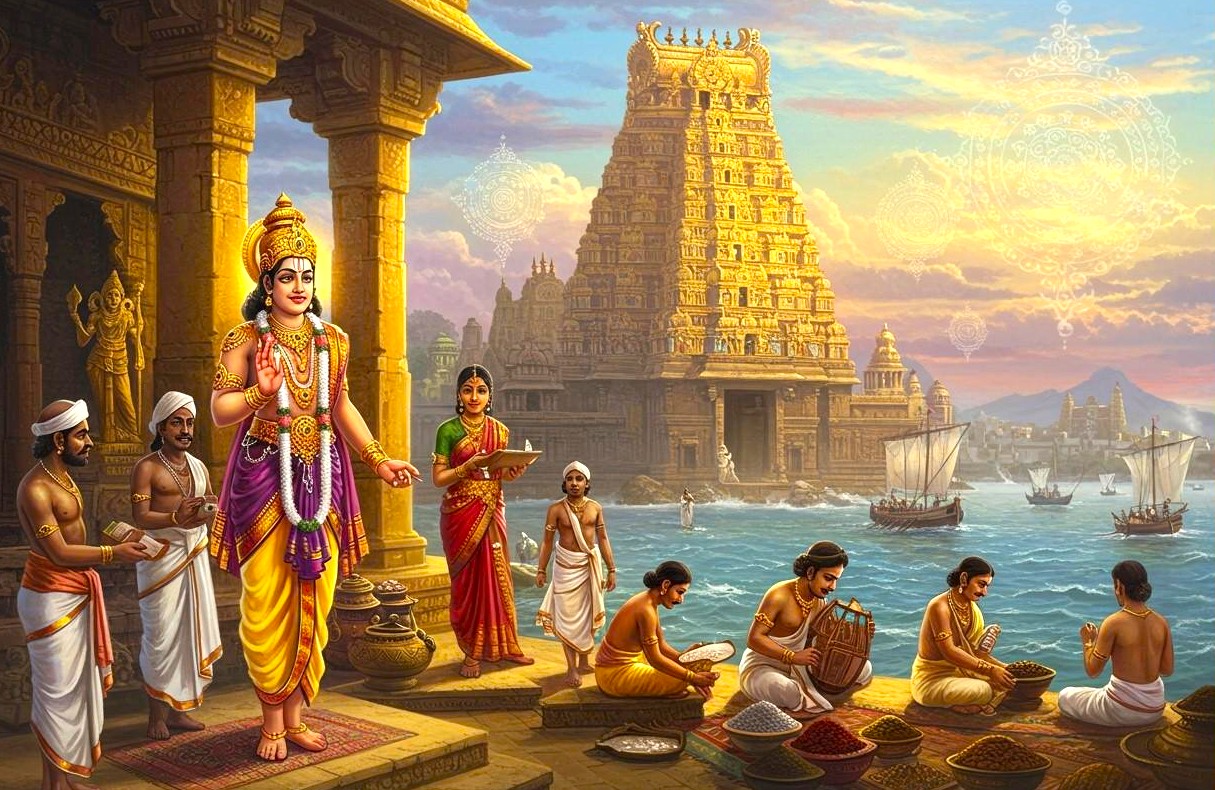
Pandya Dynasty - Tamil Nadu: Before Korkai Held Crowns
Long before engraved copperplates named Pandya rulers, the region held Neolithic and Iron Age communities whose megalithic burials dot present-day Tirunelveli and Madurai districts, roughly between 1200 and 300 BCE. Literary memory in Sangam poems speaks of early chieftains like Pari and Ay Andiran in nearby hill tracts, and legendary Pandyas linked to sage Agastya and the mythical Tamil Sangams. Villages ringed freshwater tanks, while coastal hamlets near the future port of Korkai traded salt, fish, and pearls. Early shrines honored mother goddesses, hero stones, and hill spirits. These settled and semi-settled peoples formed the cultural ground on which titled Pandya kings would later appear by name in inscriptions and foreign accounts.
Korkai And Madurai Rising
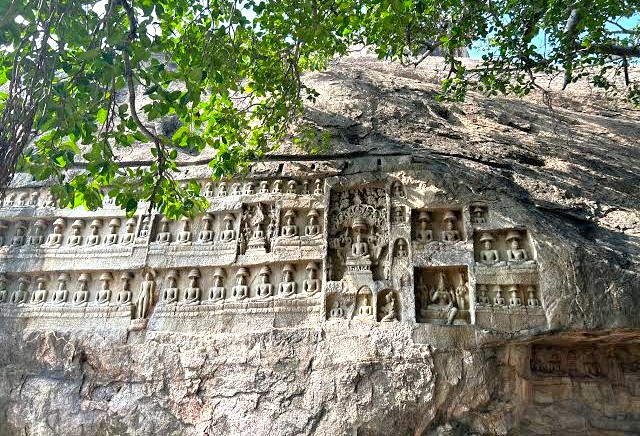
Korkai, near present-day Tuticorin in Tamil Nadu, appears in early Tamil poems and classical accounts as a thriving port and pearl center by at least the 3rd–2nd centuries BCE. Madurai, located further inland on the Vaigai, became the royal capital, with evidence for urban life from the early centuries CE. Excavations show brick structures, beads, and coins pointing to sustained settlement. The inner fort at Madurai likely took shape by the early 1st millennium CE, with successive stone and brick defenses added through the 7th–10th centuries under Pandya patronage. Population in and around Madurai may have reached tens of thousands, supported by villages along the Vaigai and its irrigation network. Pandya Dynasty Tamil Nadu
Temples, Deities, And Daily Rituals
Religious life under the Pandyas centered strongly on Shaivism and goddess worship, with important Vaishnava presence as well. Madurai’s Meenakshi-Sundareswarar complex, whose core sanctums likely existed in some form by the early medieval period and saw major expansions from the 12th–16th centuries, anchored city ritual. Earlier shrines at Korkai and Tirunelveli honored local deities alongside Shiva and Vishnu. Daily practice involved lamps, incense, and offerings of cooked rice, flowers, and betel leaves. Households maintained small altars, while public festivals drew crowds into processions. Jain and Buddhist communities also left inscriptions in the Pandya region, reflecting a layered religious landscape negotiated through royal grants and local devotions.
Rivers, Tanks, And Canal Work
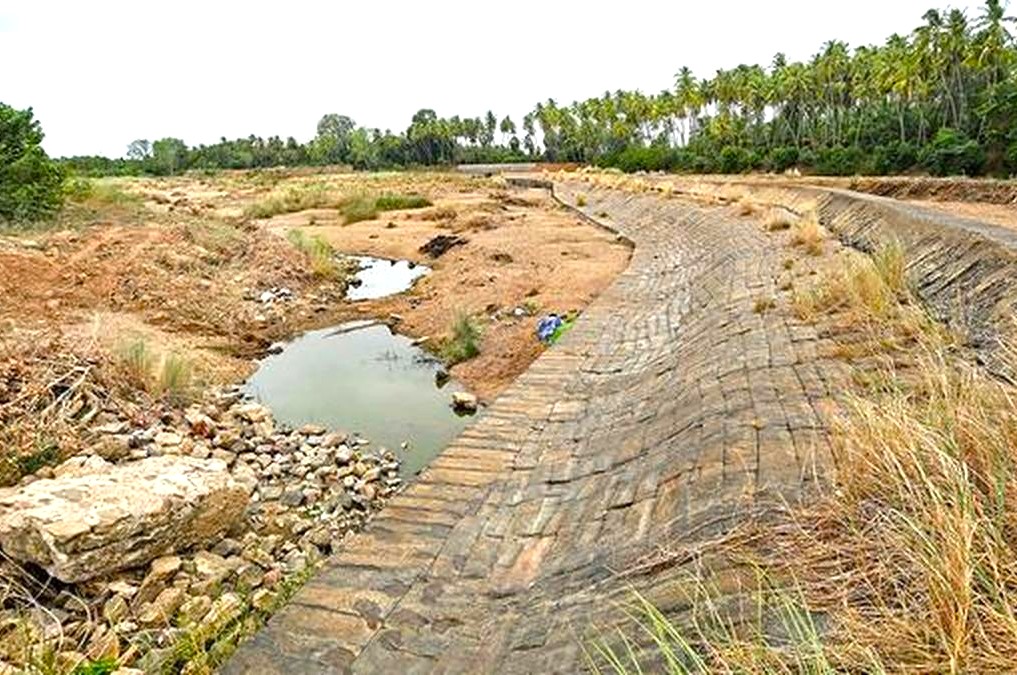
Water systems under Pandya rule turned seasonal rivers into reliable support for intensive agriculture. The Vaigai, flowing past Madurai, was harnessed through anicuts and canals, with stone and earthen embankments improving over centuries. The Tamiraparani region further south used tanks (erys) and channels to spread floodwaters into paddy fields. Inscriptions from the 8th-13th centuries record endowments for tank maintenance and new sluices. Coastal estuaries around Korkai balanced freshwater inflows with tidal influence, vital for pearl oyster banks. The combination of river-fed irrigation and rainwater storage allowed multiple rice crops and supported population growth, albeit always dependent on monsoon reliability and careful communal upkeep of channels and bunds.
Rice Pots, Fish, And Pepper
Food traditions in Pandya lands grew from river valleys and the nearby sea. Rice formed the staple, cooked in large brass pots each day and served with lentils, tamarind-based gravies, and seasonal vegetables. Along the coast and riverbanks, fish, shellfish, and dried seafood added protein, while inland communities relied more on goat and occasional cattle meat, especially outside strictly brahmin circles. Coconuts from coastal groves, sesame oil, and ghee enriched dishes. Pepper and other spices from western ghats reached kitchens and export warehouses. For temple festivals and royal events, quantities of rice, vegetables, and sweets were measured in kalams and marakkals - local volume units - feeding priests, soldiers, and common people in carefully organized feasts. Pandya Dynasty Tamil Nadu
Ships On The Pearling Sea
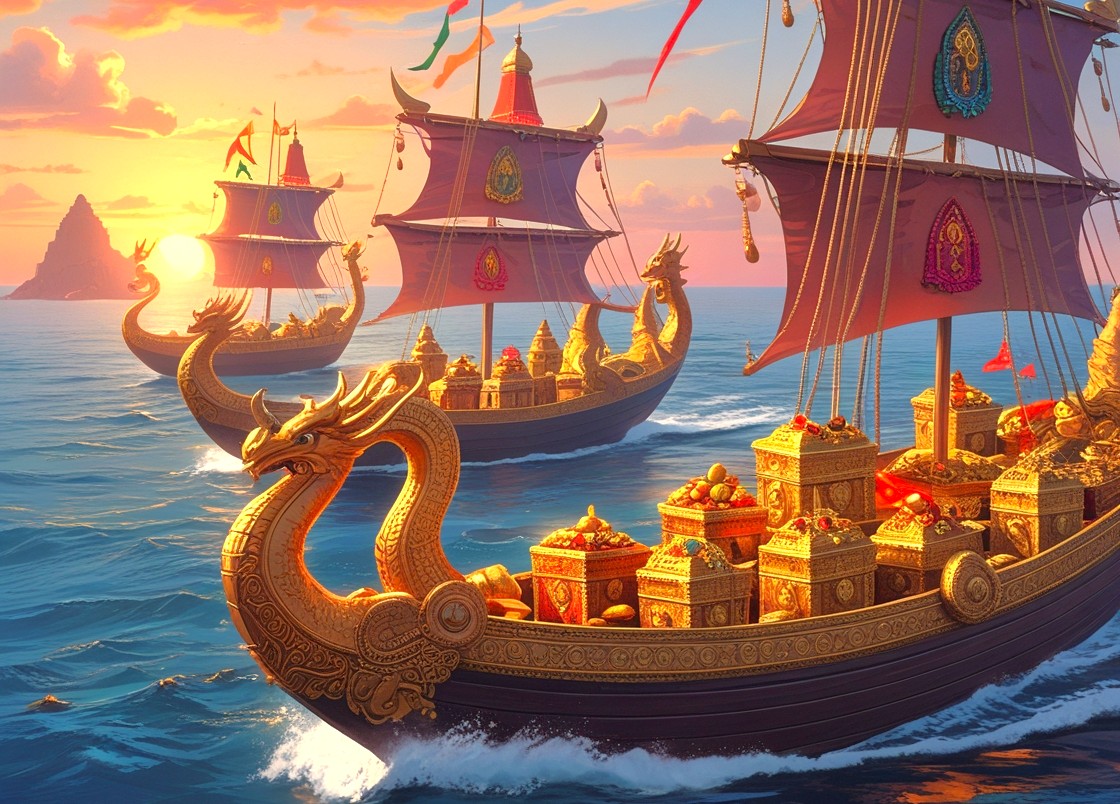
Pandya strength rested heavily on maritime trade. From at least the 1st century CE, Korkai and later ports like Korkai’s successors in the Gulf of Mannar region connected the kingdom to Roman, West Asian, and Southeast Asian networks. Sangam poems and Greco-Roman accounts note pearls, chanks (conch shells), pepper, ivory, and textiles shipped out, with gold, wine, and amphorae coming in. Inland routes linked Madurai to the coast and to Chera and Chola territories, crossing passes toward western ghats. Merchant guilds such as the Ainnurruvar and Manigramam operated under royal protection, funding temples, rest houses, and sometimes military ventures, making trade a critical pillar of Pandya prosperity and political leverage.
Herbal Knowledge And Healing Hands
Medicine in the Pandya realm combined local plant lore with classical Ayurveda and early Siddha traditions. Physicians used herbs like tulsi, neem, long pepper, and Indian gooseberry for fevers, respiratory ailments, and digestive troubles. Decoctions were boiled in clay or metal vessels, dosed by age and strength. Oils infused with medicinal leaves eased joint pain and muscle strain among farmers and warriors. Minerals and metals, carefully processed, entered some chronic disease regimens. Midwives oversaw childbirth with dietary rules and bathing practices, while palace physicians treated kings and queens with personalized diets and tonics. Inscriptions mention grants to Brahmin physicians and endowments for feeding and treating the sick near temples.
Wars Across River And Coast
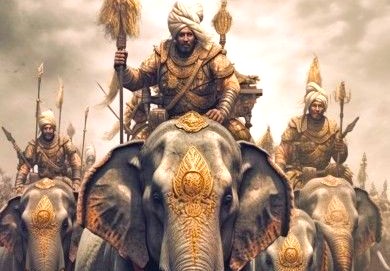
Battle chronicles show frequent conflict in Pandya history. Early rulers fought Chera and Chola neighbors over control of fertile tracts and trade routes. In the 7th–9th centuries, Pandyas contested with Pallavas and early Cholas around the Kaveri region. The Later Pandyas under Jatavarman Sundara Pandyan I launched successful campaigns northward in the mid-13th century, defeating rivals and briefly asserting dominance across much of Tamil country. Sea routes also became arenas of power in clashes with Sri Lankan rulers. Victories brought tribute and temple endowments; defeats exposed ports and fields to raids. Villages felt war’s weight through recruitment, loss of grain stores, and higher taxes to pay for campaigns. Pandya Dynasty Tamil Nadu
Marriages, Queens, And Palace Worlds
Royal marriages were central tools of Pandya diplomacy. Kings took queens from allied Tamil houses, Sri Lankan dynasties, and sometimes northern lineages, weaving a map of obligations. Inscriptions record queens like Mangayarkkarasiyar, famed in later tradition for Shaiva devotion, and other consorts who funded temple renovations and feeding houses. Marriage contracts linked land grants, trade privileges, and mutual defense. Inside palaces at Madurai, queens managed inner courtyards, textile production, and the early education of princes and princesses. Children grew up moving between garden courts, shrines, and training grounds, learning Tamil literature, ritual protocol, and warfare, preparing them for both throne claims and marriages that extended Pandya reach.
Courtyards, Children, And Daily Life
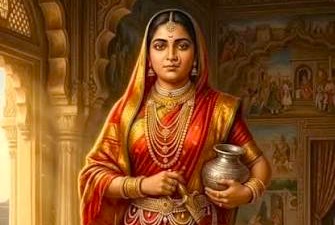
Daily life in Pandya royal households balanced ceremony and administration. Kings began days with ablutions and puja at palace shrines, then met ministers, generals, and revenue officials in audience halls. Petitions from merchants and villagers flowed through scribes trained in Tamil and sometimes Sanskrit. Queens oversaw domestic staff, stores of grain and textiles, and ritual observances for household deities. Children practiced archery, swordsmanship, and horse riding, while also memorizing poetry and legal norms. Midday meals brought family and honored guests together over rice, curries, and sweets. Evenings often featured music, dance, and poet recitations, reinforcing ideals of generosity, bravery, and devotion central to Pandya self-image. Pandya Dynasty Tamil Nadu
Festivals Of Floods And Light
Festivals anchored agricultural and spiritual time. Aadi Perukku, observed on the 18th day of the Tamil month Aadi (late July or early August), saw women and families honor swelling rivers, especially the Vaigai, with offerings of flowers and cooked rice on embankments. Pongal, beginning on the first day of Thai (mid-January), celebrated harvest with new rice boiled until it overflowed from decorated pots, shared among neighbors and temple staff. At Madurai, annual festivals for Meenakshi and Sundareswarar involved processions of deities through streets, chariot pulls, and mass feedings. These dates structured rural labor cycles and reminded people of the fragile balance between monsoon, river, and royal stewardship.
Population Shifts Through Centuries
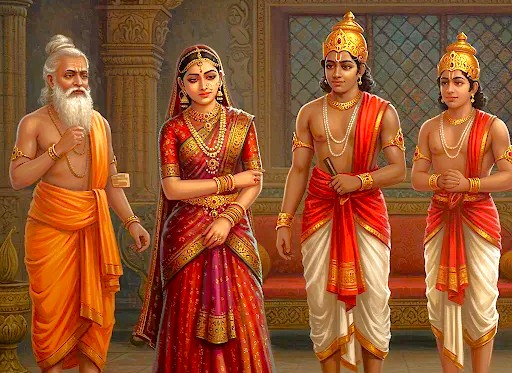
As irrigation improved and trade expanded from roughly the early centuries CE into the 13th century, populations in Pandya areas grew. Madurai and its hinterland saw dense clustering of villages along the Vaigai and its channels, while coastal zones around the Tamiraparani delta supported pearl fishers, traders, and cultivators. At their height under the Later Pandyas, urban centers likely held tens of thousands, with total regional population reaching several hundred thousand. Periods of war, epidemic, or monsoon failure caused local declines and migrations, including movements toward more secure fortified towns. Today, the same river basins and coastal stretches remain thickly settled, bearing village names and temple sites that recall Pandya-period endowments. Pandya Dynasty Tamil Nadu
Fading Crowns And New Powers
From the late 13th century, the Pandya dynasty faced mounting strain. Internal succession disputes weakened central control just as Delhi Sultanate forces under Malik Kafur raided Madurai in 1311 CE. By the 1320s–1330s, repeated northern incursions and local rebellions fractured authority, paving the way for the short-lived Madurai Sultanate. In 1378, Vijayanagara forces under Kumara Kampana absorbed the region, replacing Pandya sovereignty. Later Nayak governors ruled from Madurai under Vijayanagara and then semi-independently. While the royal lineage fragmented, Pandya-endowed temples, tanks, and settlement patterns endured, repurposed by new rulers. The dynasty’s crowns faded, but the landscape they shaped remained central to southern Tamil life under successive states.
Step Inside The Story - View All Tour Itineraries & Details

We’re here to offer genuine, thoughtful guidance if your interested in travelling to India. As a small, dedicated team, we pay close attention to every detail so you can focus on enjoying the experience while we take care of the planning. We believe the best trips begin when someone truly listens to what you want and how you like to travel, so the journey feels right for you and contributes to a happy, positive group on tour. Our communication stays clear, straightforward, and respectful at every step, with the goal of helping you feel understood, supported, and confident from first contact to the end of your journey.
Click Catherine Frith - About The Founder
Click Discover Life Travel - All tours and more
Click Why We Are Different - Unique, Safe, Transparent