A Unique Look Into Indian History
Panchala Dynasty: Uttar Pradesh - India
Discover Life Travel
A Land Forged from Two Peoples
Before it became a single, powerful kingdom, the land between the upper Ganga and the Yamuna rivers was the home of several Rigvedic tribes. The most prominent were the Krivis, who were later joined by the Bharatas and other clans. Through a process of alliance and assimilation, these groups coalesced. The formation of the Panchala kingdom from Vedic tribes created a new political entity, one of the most powerful and culturally significant of the later Vedic period, its name, Panchala ("five-clan"), possibly reflecting its composite origin. Panchala Dynasty Uttar Pradesh India
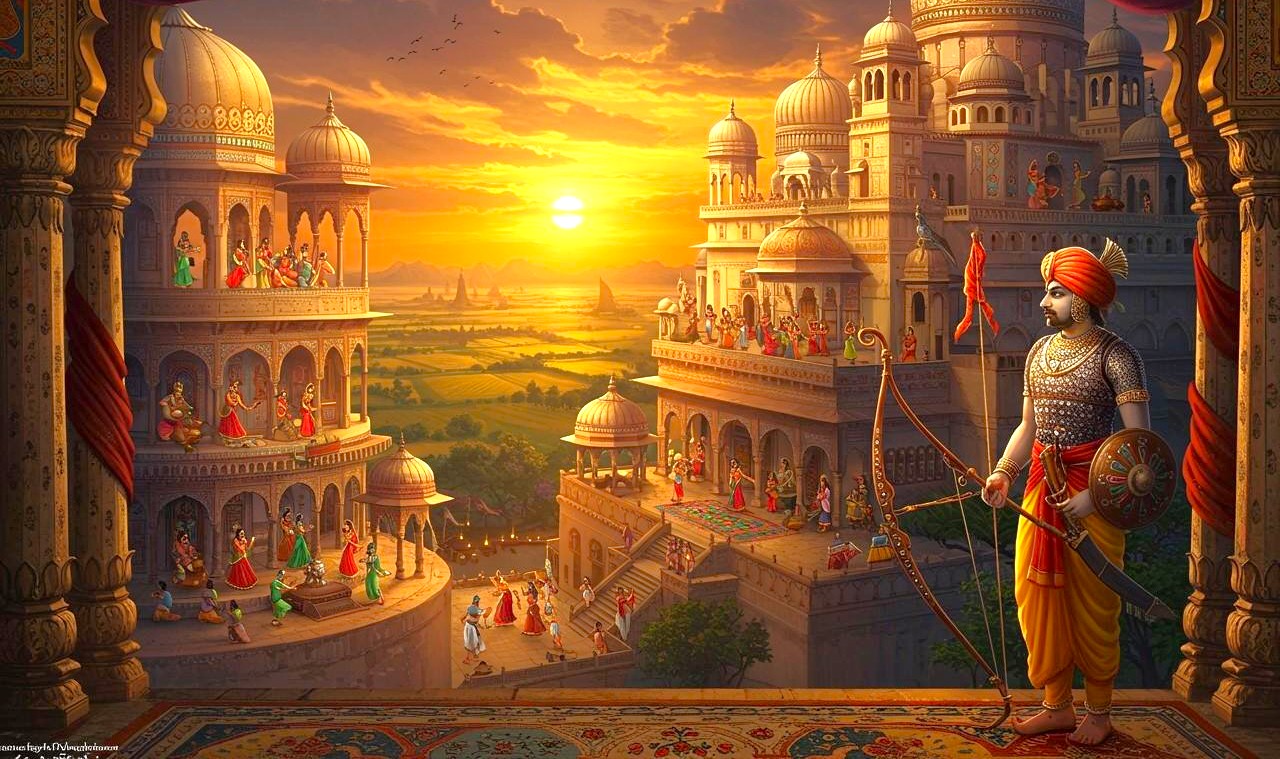
Panchala Dynasty - Uttar Pradesh India: Two Capitals for One Kingdom
The kingdom was unique in that it was divided into two distinct parts by the Ganga river. Northern Panchala, with its capital at Ahichchhatra (near modern Bareilly), was a rugged, hilly territory. Southern Panchala, with its capital at Kampilya (near modern Farrukhabad), was a fertile plain. The geographical division of the Panchala kingdom into northern and southern halves was a defining feature, creating two centers of power within one realm and playing a key role in its later history and its involvement in the great epic.
A King in a Land of Philosophers
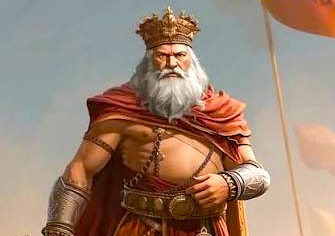
The life of a Panchala king during the late Vedic and Upanishadic period was one of martial leadership combined with profound intellectual patronage. Panchala was famed throughout India as a center for Brahmanical learning and philosophical debate. A king's court would have been filled with renowned sages and scholars. His days would involve not just administering his kingdom and leading his army, but also participating in and sponsoring complex fire sacrifices and deep philosophical inquiries into the nature of the Atman (self) and Brahman (ultimate reality), making the Panchala court a hub of Upanishadic thought. Panchala Dynasty Uttar Pradesh India
Life in the Heartland of Vedism
For the common people, life was governed by the rhythms of agriculture and the elaborate rituals of the Vedic religion. Society was organized into villages, and the social structure was based on the four Varnas (classes). The kingdom was prosperous, situated in the fertile Gangetic plains. The daily life of people in the Panchala Mahajanapada was deeply intertwined with religion, with the performance of domestic rituals and participation in the great public sacrifices sponsored by the king being central to their existence.
Feasting on Sacrificial Offerings
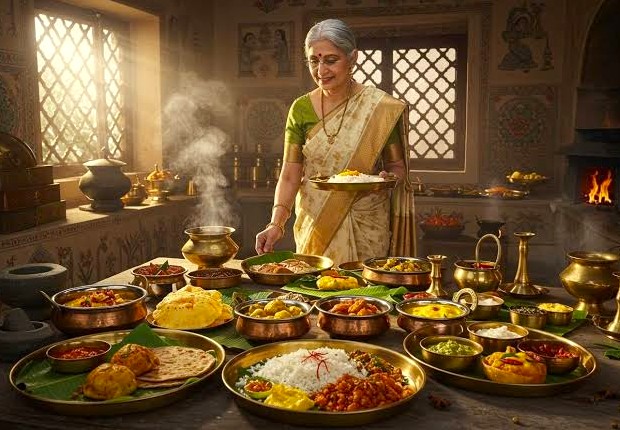
The royal kitchens would have prepared food that was both a means of sustenance and a sacred offering. The diet was based on the produce of the Gangetic plains: wheat, barley, rice, and dairy products like milk, ghee, and curd. While meat was consumed, the most important meals were connected to the great Vedic yajnas (fire sacrifices), where animals were ritually offered to the gods and the consecrated meat was then shared as "prasada." The importance of ritual food in the Vedic society of Panchala made every feast a divine communion.
The Law of the Sacred Texts
Justice in the kingdom was administered according to the principles of Dharma, as laid out in the sacred Vedic texts and interpreted by the learned Brahmin priests. The king was the ultimate upholder of this law, advised by a council of elders and scholars. The legal system was not codified in the modern sense but was based on a deep tradition of scriptural authority and customary practice, designed to maintain the cosmic and social order. The Brahmanical influence on the legal system was absolute, making it a true bastion of orthodox Vedic law. Panchala Dynasty Uttar Pradesh India
The Great Fire Altars of the Gods
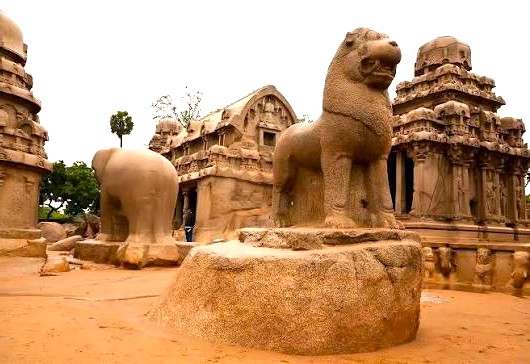
The spiritual life was the very heart of the later Vedic religion. The kingdom was famous for its powerful Brahmins and its patronage of the most complex and elaborate public fire sacrifices (yajnas), like the Ashvamedha (horse sacrifice) and the Rajasuya (royal consecration). These were not just religious rites but massive socio-political events, demonstrating the king's power and ensuring the prosperity of the realm. The kingdom as a center for Vedic ritualism made it a spiritual powerhouse, a place where the gods were believed to descend to accept the offerings of mortals.
A Philosophical Symposium as Festival
The greatest "festival" in Panchala was often an intellectual one. The court of a king like Pravahana Jaivali was famous for hosting grand debates and symposia where the greatest philosophical minds of the age gathered to discuss the mysteries of the universe. These were not dry academic exercises but passionate, high-stakes contests of intellect, where scholars challenged each other on the nature of reality. The fame of Panchala for philosophical debates, as recorded in the Upanishads, made it a beacon of learning, attracting truth-seekers from all corners of India. Panchala Dynasty Uttar Pradesh India
The Court of the Philosopher-King
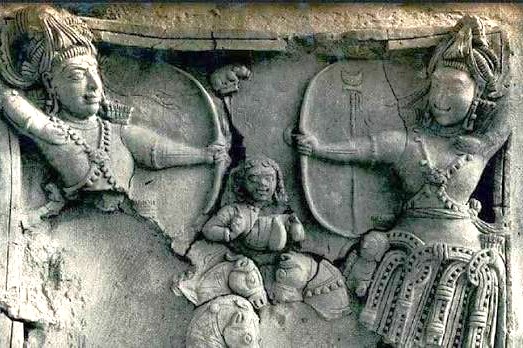
The court was less a place of singers and dancers and more a university under royal patronage. The true stars were the philosophers and the priests who had mastered the intricate details of the Vedic rituals. Entertainment was intellectual. The king and his courtiers would listen to the chanting of the Vedas and the deep philosophical discourses of sages. The intellectual atmosphere of the court of King Pravahana Jaivali represents a high point in Indian philosophy, where the pursuit of knowledge was considered the most noble and entertaining of all royal activities.
The Insult That Sparked a Great War
The kingdom of Panchala is central to the Mahabharata epic. Its king, Drupada, was a childhood friend of Drona, the teacher of the Kuru princes. A perceived insult led to a bitter feud. Drona, using his Kuru disciples, defeated Drupada and took half his kingdom. In revenge, Drupada performed a great sacrifice to obtain a son, Dhrishtadyumna, destined to kill Drona, and a daughter, Draupadi, destined to marry the Pandavas. The feud between King Drupada and Dronacharya created an unbreakable link between Panchala and the Pandavas, ensuring their central role in the coming war.
The Bride of the Five Pandavas
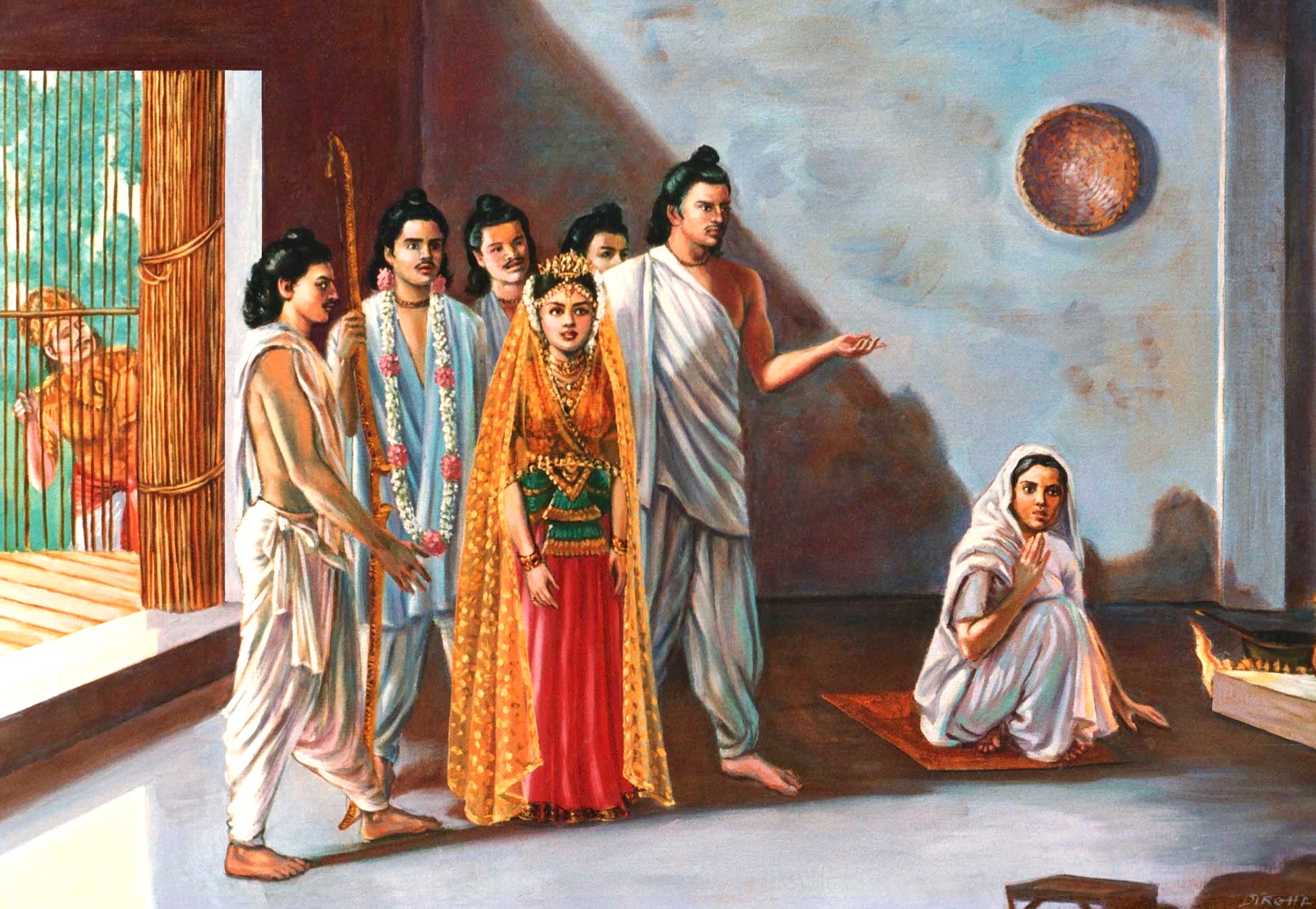
The most pivotal alliance in history was forged through the marriage of its princess, Draupadi. At her Svayamvara (bride-choice ceremony), she was won by the Pandava prince Arjuna in disguise. This union made the Panchalas the most powerful and committed allies of the Pandavas in their struggle against the Kauravas. Draupadi, the daughter of Panchala, became the queen of the Pandavas and a central figure in the epic, her humiliation at the hands of the Kauravas being the ultimate cause of the war. The marriage of Draupadi to the Pandava brothers sealed the fate of the Panchala kingdom.
An Art of Fire and Earthenware
The tangible artistic legacy of the kingdom is subtle but significant. Archaeologically, the region is associated with the Painted Grey Ware (PGW) culture, a type of fine, wheel-made pottery with geometric designs in black. This earthenware is a key marker of the later Vedic period. The primary "art" of the time, however, was the construction of complex and precise fire altars for the great yajnas, an architectural art form made of brick, whose beauty lay in its mathematical perfection and ritual significance, not in ornamentation. The Painted Grey Ware culture and its association with Panchala provides a material link to this ancient civilization. Panchala Dynasty Uttar Pradesh India
A Fire Born for Vengeance
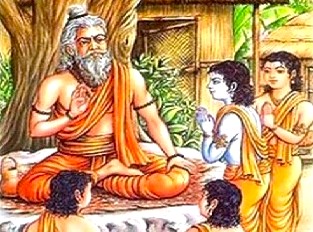
The most famous "artistic" creation of Panchala was a living one. In his quest for revenge against Drona, King Drupada performed a great yajna. From the sacred fire emerged two grown children: a son, Dhrishtadyumna, fully armed and destined to be Drona's slayer, and a dark-skinned, beautiful daughter, Draupadi. This miraculous birth of Dhrishtadyumna and Draupadi from a sacrificial fire is a powerful epic motif, symbolizing that the war to come was not just a human conflict but one sanctified and set in motion by divine and ritualistic forces.
The Warrior's Passage on the Battlefield
In the great Kurukshetra War, the Panchala army, led by Dhrishtadyumna and his brother Shikhandi, formed the core of the Pandava forces. The funeral rites for the countless Panchala warriors who fell would have been mass cremations performed on the battlefield itself. King Drupada, Dhrishtadyumna, and all the great heroes of Panchala perished in the 18-day conflict. The decimation of the Panchala royal family in the Kurukshetra War was total, a dynasty that sacrificed itself completely for the cause of its allies.
Healers of a Vedic Age
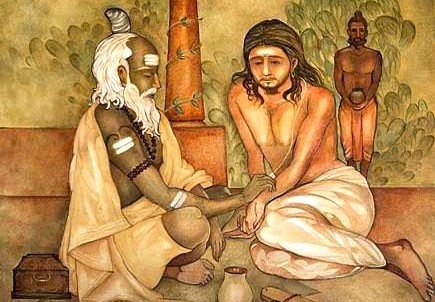
Healthcare in the Vedic age, was intertwined with religion and magic. The Atharvaveda, one of the four sacred texts, contains numerous hymns and charms for the healing of diseases, from fever to wounds. These were administered by Brahmin priests who were also healers. Alongside these magical-religious rites, there was a growing empirical knowledge of the use of medicinal herbs in Vedic India, laying the earliest foundations for the later science of Ayurveda. Panchala Dynasty Uttar Pradesh India
The Lifeblood of the Two Rivers
The Panchala kingdom was strategically and economically blessed by its location in the "doab," the fertile land between the Ganga and Yamuna rivers. These rivers provided abundant water for the agriculture that was the bedrock of their prosperity. They were also sacred highways, connecting Panchala to the other great kingdoms of the Gangetic plain. The geographical advantage of the Ganga-Yamuna doab for the Panchala kingdom was a key factor in its rise to prominence as a major economic and cultural power.
An Echo in the Age of Buddha
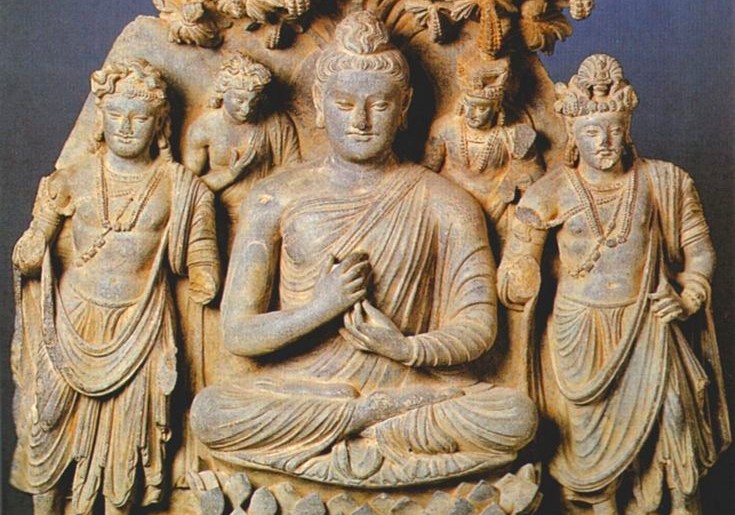
After the devastation of the Mahabharata war, the Panchala kingdom recovered and continued as one of the sixteen Mahajanapadas during the time of the Buddha. However, it never regained the central importance it held in the late Vedic period. Its philosophical pre-eminence gave way to that of Magadha. The decline of Panchala's influence in the post-Mahabharata period was gradual. Eventually, the kingdom was absorbed by the rising power of the Nanda Empire and later the Mauryan Empire, its independent identity fading as new, larger empires reshaped the political map of India.
Step Inside The Story - View All Tour Itineraries & Details
We’re here to offer genuine, thoughtful guidance if your interested in travelling to India. As a small, dedicated team, we pay close attention to every detail so you can focus on enjoying the experience while we take care of the planning. We believe the best trips begin when someone truly listens to what you want and how you like to travel, so the journey feels right for you and contributes to a happy, positive group on tour. Our communication stays clear, straightforward, and respectful at every step, with the goal of helping you feel understood, supported, and confident from first contact to the end of your journey.
Click Catherine Frith - About The Founder
Click Discover Life Travel - All Tours and More
Click Why We Are Different - Unique, Safe, Transparent