A Unique Look Into Indian History
Nikhumba Dynasty: Central Karnataka
Discover Life Travel
Life Around Nikhumpur Before Rule
Long before the Nikhumba Dynasty emerged, the black-cotton plains near today’s Davanagere were dotted with mud forts, forest hamlets and small shrines. Farmers still uncover terracotta toys, iron sickles, spearheads and beads linked to early central Karnataka agrarian clan settlements near Nikhumpur and medieval Deccan interior trade routes between coast and plateau. Faded Prakrit and early Kannada inscriptions mention minor chiefs, grain levies and tank repairs. Folklore remembers the Kedara clan as cattle-guardians and toll collectors. This pre-dynastic Deccan clan society formed the economic and ritual fabric the Nikhumba line would later harness. Nikhumba Dynasty Central Karnataka
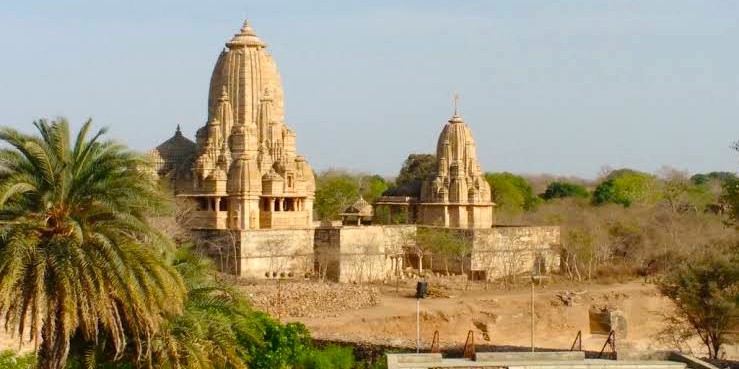
Nikhumba Dynasty Central Karnataka: Nikhumbadeva Seizes Power In Kaliyuga
The origin story begins around 978 CE, in Kaliyuga’s harsh tide. Commander Nikhumbadeva, denied promised land and honors by his overlord at Nikhumpur, turned grievance into resolve. On a storm-dark night, helped by his shrewd queen Samudradevi and loyal horsemen, he captured the fort gates, granaries and armories in a swift strike remembered as a central Karnataka river-fort coup near Davanagere. Their heirs - princes Vikram and Soma, princess Mira - grew amid weapons and temple bells. From that night, a regional Deccan hill-and-plain kingdom began, its banner spreading over farms, groves and key caravan routes.
Daily Life In The Hilltop Palace
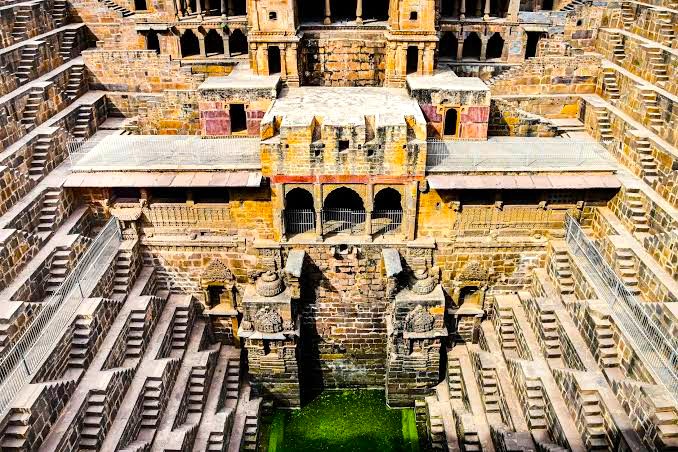
Court routine in the royal household followed strict patterns typical of medieval Karnataka Rajput-style palace life. Before dawn, drums and conches woke servants carrying brass lamps and hot water. Nikhumbadeva bathed in stone tanks, received sandal and ash markings, then met priests and ministers. Samudradevi oversaw inner apartments, stores and temple offerings, exemplifying south Indian royal women’s roles in economic and religious management. Princes drilled in sword, lance, archery and horse-riding; princess Mira learned music, land accounts and diplomatic language. Meals, councils and games all taught court etiquette and political training for Deccan royal children. Nikhumba Dynasty Central Karnataka
Village Society Under Nikhumba Rule
Outside the fort, daily life followed monsoon and market. Men guided oxen across black soils growing millets, pulses and sugarcane, while women queued at wells, trading news of taxes and marriages. Blacksmiths forged ploughs and spearheads; potters fired storage jars; weavers produced coarse cloth, feeding traditional central Karnataka village craft and agrarian economies. Children tended goats or watched fields against parrots and monkeys, hearing legends at night. Panchayat councils under banyans handled disputes, reflecting north Karnataka village self-governance and customary law practices that quietly shaped justice beneath dynastic banners.
Royal Kitchens And Daily Abundance
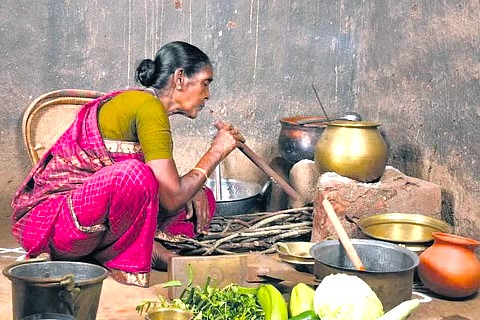
Inside Nikhumpur’s walls, great kitchens revealed medieval Karnataka royal cuisine and large-scale feeding customs. Before first light, cooks stoked fires under iron and bronze cauldrons, boiling mountains of rice and lentils for guards, priests, scribes, guests and entertainers. Spice pastes of cumin, coriander, pepper, ginger and chilies perfumed corridors. Palace gardens and nearby farms supplied gourds, greens, onions and herbs; hunters brought boar and deer; fishermen delivered river fish. On festival days, food overflowed to temples and public squares as Nikhumba Dynasty charity feasts and temple anna-dana fed commoners and pilgrims alike, proving generosity and logistical might in every ladle.
Laws, Trials And Public Punishments
Justice administered territories of Karnataka blended dharmashastra with lived custom. A farmer caught diverting irrigation water at night might lose his crop and work on embankment repairs, typical of traditional Deccan agrarian penalties for water theft. Merchants cheating with false weights during shortages could face public flogging, confiscation of goods and market expulsion, a practice seen in historic south Indian bazaar regulation and punishment rites. Bandits raiding caravans risked hanging at crossroads. Yet village councils often mediated minor offenses, and in years of famine, elders and samudradevi sometimes pushed for leniency, reflecting negotiated justice between royal edicts and panchayat decisions. Nikhumba Dynasty Central Karnataka
Temples, Clan Deities And Sacred Groves
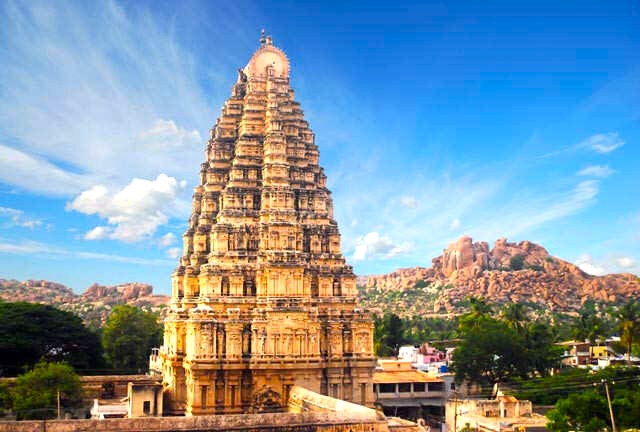
Religion under this house intertwined Karnataka Shaivite and Vaishnavite temple worship with village deity traditions. Nikhumpur’s main temple enshrined Nikhumbeshwara, a fierce form of Shiva, whose lingam priests bathed each dawn with water, milk and curds. Nearby shrines honored Vishnu, Ganesha and goddess forms guarding fertility and frontier. Sacred groves at village edges sheltered serpent stones and ancient trees never cut, embodying South Indian animist practices within medieval Hindu kingdoms. Nikhumba rulers sponsored temple repairs, processions and festivals, using royal temple patronage in central Karnataka to weld clan identities into a shared sacred political landscape.
Festivals, Processions And Community Feasts
Festival days turned dusty lanes into stages of religious processions and village fair traditions. During major utsavas, deity images left sanctums on palanquins and wooden chariots, carried along flower-strewn streets amid drums, conches, dancers and acrobats. Villagers from surrounding hamlets thronged into town for medieval south Indian temple festivals with markets, music and mass feeding. Harvest rites offered first grain at shrines, followed by shared meals under lamps and stars. These events reinforced Nikhumba authority and unity, as sacred spectacle and free food stitched city and countryside into one lived ritual calendar. Nikhumba Dynasty Central Karnataka
Courts, Performances And Political Display
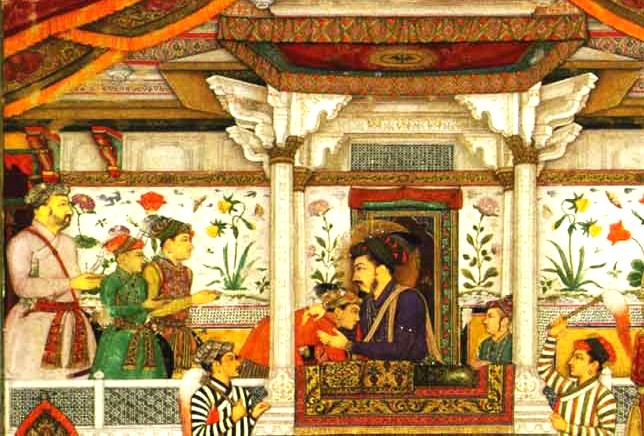
The audience hall in Nikhumpur exemplified Deccan durbar culture and courtly entertainment under regional dynasties. Mornings saw land disputes, irrigation claims and border issues presented before the ruler, with scribes documenting decisions. Envoys petitioned for marriages, treaties or trade rights. Afternoons shifted to art: musicians unfolded ragas; dancers enacted epic scenes; poets recited Kannada and Sanskrit praises casting Nikhumba kings as protectors of dharma and agrarian prosperity. Jugglers, wrestlers and illusionists followed. This layered program formed a tool of royal image-making and soft power in Karnataka, where favor, status and policy were all negotiated in public view.
Campaigns, Sieges And Tenacious Survival
The military record of this line contributes to regional warfare history in central Karnataka and the Deccan plateau. Nikhumba armies defended river crossings, trade tracks and borders against rival nayakas and larger kingdoms. Engagements erupted at passes, ford points and fortified mounds, with cavalry, archers and elephants deployed in evolving medieval south Indian battlefield tactics. Some forts fell, others withstood lengthy siege. Defeats led to strategic retreats into interior strongholds and counter-raids against supply lines. Over generations, this house became known for political and military resilience in the face of stronger powers, often surviving by flexibility more than brute force.
Marriages, Alliances And Women’s Agency
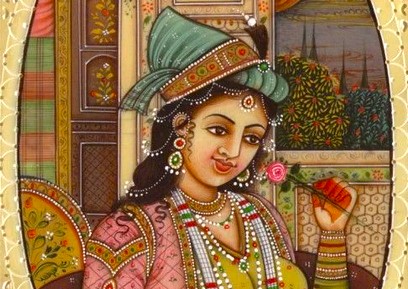
Dynastic marriages under this house illustrate Karnataka royal alliance networks and Rajput-style matrimonial diplomacy. Daughters married into neighboring Kannada and Telugu houses, while incoming brides linked Nikhumba blood to coastal and interior elites. Queens like Samudradevi appear in inscriptions granting land to temples and tanks, signaling medieval Indian royal women’s property rights and religious patronage. Within the zenana, women mediated disputes, shaped succession opinions and used festival hospitality to gauge loyalty. Peasant and artisan women, meanwhile, anchored gendered labor in south Indian agrarian society, managing fields, homes and markets while remaining largely unseen in formal chronicles. Nikhumba Dynasty Central Karnataka
Magic, Art And Courtly Literature
Cultural life in the courts reflects Karnataka literary, artistic and performance traditions in regional courts. Magicians astonished audiences with fire tricks, vanishing objects and uncanny guesses. Sculptors adorned temples with processions of gods, dancers and warriors; painters illuminated palm-leaf manuscripts with scenes of court and myth. Poets composed in Sanskrit and Kannada, praising Nikhumba patrons as guardians of faith, law and fertile land, their works recited with veena accompaniment. Through grants to bards, artisans and performers, rulers deployed royal cultural patronage in the Deccan to project refinement, sanctity and enduring prestige beyond battlefield and tax records.
Funerary Rites And Hero Memorial Stones
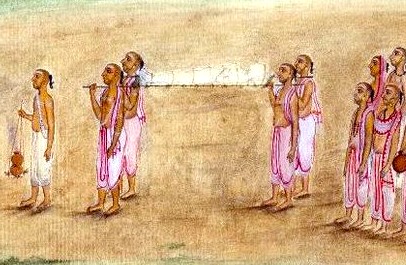
Death rituals during this reign drew on Karnataka cremation customs and viragallu hero-stone practices. Commoners were carried to riversides or cremation grounds, burned on wood pyres while priests and family recited mantras; ashes were dispersed into water or buried near sacred groves. Nobles and kings might receive sandalwood pyres, extended ceremonies and memorial panels in temples. Hero-stones erected along roads and near battle sites depicted armed figures in final combat or worship poses, functioning as hero memorials for fallen warriors. Such stones preserved names and valor in stone, teaching courage to future generations.
Healers, Herbs And Temple Medicine
Health care under Nikhumba rule mixed text-based science with local belief, representing Ayurvedic practice, folk medicine and temple healing. Court vaidyas diagnosed via pulse, tongue and questioning, prescribing decoctions of neem, turmeric, long pepper and regional herbs. They set fractures, lanced abscesses and managed fevers. Village healers used charms, mantras and smoke fumigation, embodying traditional rural healing and ritual protection practices in south India. Temples maintained tanks and rest-shelters where pilgrims sought cures through vows and baths. During outbreaks, authorities sometimes combined quarantines with special worship to disease-goddesses, showing a dual reliance on remedy and ritual. Nikhumba Dynasty Central Karnataka
Canals, Tanks And Managed Waterways
Water projects in Nikhumba lands are examples of irrigation tank networks and traditional canal systems. Monsoon runoff from low hills was guided by stone and earthen channels into large tanks and reservoirs; from these, smaller canals fanned out to paddy fields, sugarcane plots and gardens. Village assemblies coordinated sluice openings and maintenance, forming community-driven water management for agriculture in premodern Deccan states. Within Nikhumpur’s fort, conduits supplied baths, kitchens and shrines. New tanks and repaired channels often appear in inscriptions praising kings as protectors of rain, river and harvest, critical in a climate where one failed season could undo years of rule.
Succession, Decline And Shifting Power
Over time, internal rivalries, shifts in trade and pressure from stronger neighbors weakened this line, fitting patterns of dynastic change in regional polities. Powerful generals, supported by merchant guilds and monasteries, gradually eclipsed the central family. Eventually, another house assumed control of Nikhumpur, its emblems replacing old on gates and coins. Yet in village ballads, temple sculptures and hero-stones, the legacy of the Nikhumba Dynasty historical memory endured. Successor rulers inherited fortified mounds, tanks and sacred landscapes shaped by this earlier regime, proving that even when banners change, the deep structures of place and story remain.
Step Inside The Story - View All Tour Itineraries & Details

We’re here to offer genuine, thoughtful guidance if your interested in travelling to India. As a small, dedicated team, we pay close attention to every detail so you can focus on enjoying the experience while we take care of the planning. We believe the best trips begin when someone truly listens to what you want and how you like to travel, so the journey feels right for you and contributes to a happy, positive group on tour. Our communication stays clear, straightforward, and respectful at every step, with the goal of helping you feel understood, supported, and confident from first contact to the end of your journey.
Click Catherine Frith - About The Founder
Click Discover Life Travel - All Tours and More
Click Why We Are Different - Unique, Safe, Transparent