A Unique Look Into Indian History
Nagavanshi Dynasty: India
Discover Life Travel
A Land Watered by the Serpent's Coil
Before the Nagavanshis rose to prominence, the dense, forested plateau of Chota Nagpur (in modern Jharkhand) was the domain of indigenous Munda tribes. This was a region rich in minerals and ancient forests, a landscape outside the mainstream of Gangetic valley empires. The Munda people had their own sophisticated social structure and customs, centered on village councils. The pre-Nagavanshi tribal society of Chota Nagpur was self-sufficient and deeply connected to the land, a world where the spirits of the forest and the ancestors were the primary objects of reverence, awaiting a king to unite them under a single royal banner. Nagavanshi Dynasty India
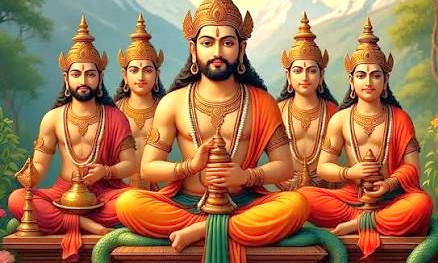
Nagavanshi Dynasty India: A Serpent God's Chosen Child
The origin of the Dynasty is a powerful myth of divine selection. A Brahmin pilgrim, journeying through the forest, found a newborn baby lying under the protective hood of a giant cobra ("Naga"). The child was adopted by the Munda chieftain. This boy, Phani Mukut Rai, displayed such extraordinary qualities that the Munda and Oraon tribal leaders unanimously elected him as their king. The legendary founding of the Nagavanshi dynasty by Phani Mukut Rai established a unique royal line, a Hindu king chosen by and for the tribal people of the region.
The Maharaja's Court in the Jungle
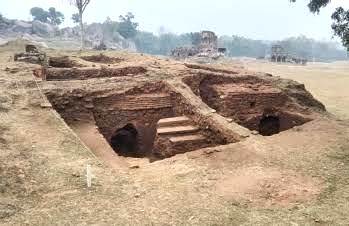
The life of a Nagavanshi king at his capital in Sutiambe or later Khukhragarh was a unique blend of Hindu royal tradition and tribal chieftainship. He was a Maharaja, but also the leader among his people. His court was simpler than those on the plains, his authority derived not just from divine right but from the continued consent of the tribal councils. A king's day would involve adjudicating disputes between clans, overseeing the administration of his forested kingdom, and performing rituals that honored both Hindu deities and the ancient tribal customs of the Chota Nagpur plateau. Nagavanshi Dynasty India
Life in the Forest Kingdom
For the common people, who were predominantly Munda and Oraon tribes, life continued much as it had before. Their daily existence revolved around forest agriculture, hunting, and gathering. The key difference was the presence of a central king who could act as a unifier and protector against external threats. The symbiotic relationship between the Nagavanshi kings and their tribal subjects was the dynasty's defining feature. The king did not interfere heavily in the internal affairs of the villages, which continued to be governed by their traditional councils ("parhas").
Feasting on Forest Bounty
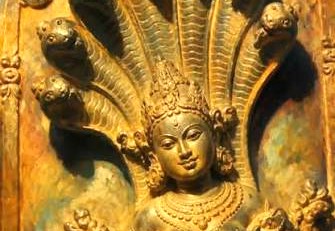
The royal kitchens of the Nagavanshis would have featured a cuisine deeply rooted in the local environment. Rice was a staple, but it was supplemented by a rich variety of forest produce: tubers, mushrooms, local vegetables, and fruits. The diet of the people in the Nagavanshi kingdom would also have included game meat from hunting. This was a hearty, organic cuisine, its flavors derived from the natural bounty of the jungles and hills, a world away from the spice-laden, complex food of the imperial courts.
The King and the Council's Law
Justice in the kingdom was a hybrid system. The king, as a Hindu monarch, would have been familiar with the principles of Dharmashastras. However, the real power of day-to-day justice lay with the traditional tribal councils. These councils resolved disputes over land, family matters, and social conduct based on long-standing customary laws. The dual judicial system of the Nagavanshi kingdom, balancing royal authority with tribal self-governance, was crucial for maintaining peace and the king's legitimacy among his people. Nagavanshi Dynasty India
Where the Serpent God and Shiva Meet
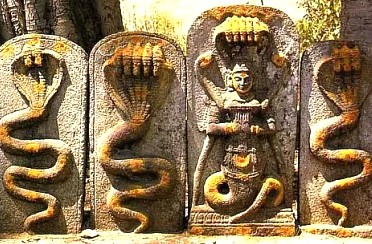
The Nagavanshis, as their name suggests, held the "Naga" or serpent deity in special reverence, a continuation of ancient tribal worship. As Hindu kings, they were also devout Shaivas, building temples dedicated to Shiva. This created a unique spiritual synthesis. The serpent, often associated with Shiva in Puranic lore, became a powerful symbol of the dynasty, bridging their divine origin myth with their chosen Hindu faith. The syncretism of Naga and Shiva worship was the spiritual bedrock of the Nagavanshi rulers.
Festivals of the Harvest and the Hunt
The festivals were vibrant, earthy celebrations tied to the cycles of nature. The most important was Sarhul, a spring festival where the sal trees are worshipped, celebrating the renewal of nature. Karma was another major festival, celebrating the harvest. These were joyous community events, marked by drumming, singing, and energetic folk dances. The celebration of indigenous festivals like Sarhul and Karma under the Nagavanshis was a vital part of their rule, demonstrating their deep respect for the cultural traditions of their tribal subjects. Nagavanshi Dynasty India
The Rhythmic Beat of the Mandar Drum
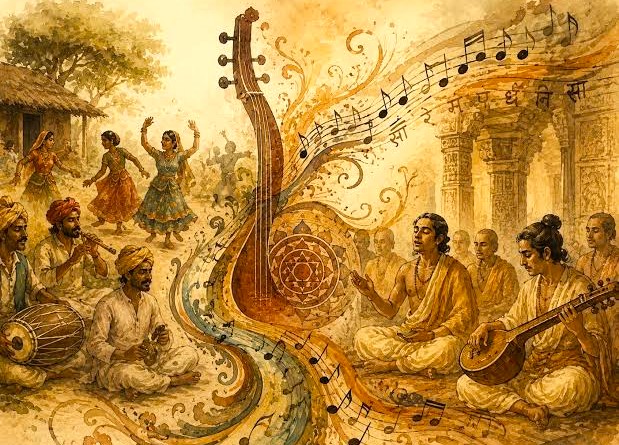
Entertainment in the Nagavanshi kingdom was not found in courtly poetry but in the rhythmic pulse of community life. Evenings and festivals would come alive with the sound of the "Mandar," a large folk drum, accompanied by energetic group dances. Storytellers would pass down the oral histories of the tribes and the legends of the dynasty's founding. The importance of folk music and dance in Nagavanshi culture was immense, serving as a primary form of artistic expression, historical record, and community bonding.
Guardians of the Forest Frontier
The military history is one of defensive resilience. Their kingdom's rugged, forested terrain provided a natural fortress against outside powers. Their army, composed largely of skilled tribal archers and warriors, was adept at guerrilla warfare. For centuries, they successfully maintained their autonomy, repelling minor incursions and navigating the complex political landscape as larger empires rose and fell on the plains. The kingdom's strategic use of its geography for defense was the key to its incredible longevity.
Marriages to Strengthen the Land
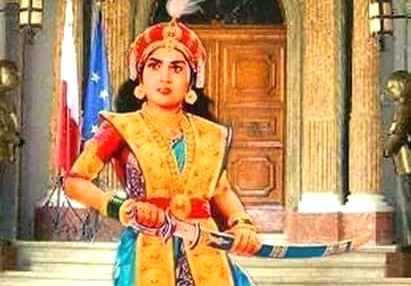
To consolidate their rule and build alliances, the Nagavanshi kings often formed marital ties with other powerful land-owning families and the heads of local principalities within their region. These marriages were not about grand imperial diplomacy but about strengthening the internal fabric of their kingdom. The role of strategic marriages within the Chota Nagpur region helped the Nagavanshis weave a network of loyalty, ensuring stability and reinforcing their position as the paramount rulers of the plateau.
Temples of Stone in a Wooden World
While much of the local architecture would have used perishable materials like wood and clay, the Nagavanshis left behind an enduring artistic legacy in stone. They were patrons of temple construction, building Hindu temples in a style that sometimes blended classical forms with local influences. The 17th-century Jagannath Temple at Ranchi is a prominent example of their later patronage. The Nagavanshi dynasty's patronage of temple architecture was a significant expression of their Hindu royal identity in a predominantly tribal landscape. Nagavanshi Dynasty India
A Final Journey Back to the Earth
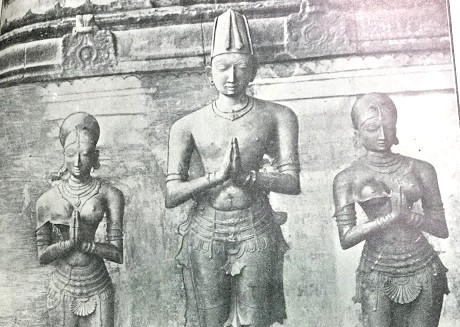
The funeral rites of the Nagavanshi kings would have followed Hindu cremation ceremonies, befitting their royal status. For their tribal subjects, however, traditional practices remained paramount. These often involved burial, with the deceased's final resting place marked by large stone slabs known as megaliths. The coexistence of Hindu and tribal funerary customs in the kingdom is another example of the unique cultural synthesis that defined the Nagavanshi rule, a blend of the royal and the indigenous.
Healers Who Knew the Forest's Secrets
Healthcare in the kingdom was entirely based on the immense botanical wealth of the Chota Nagpur forests. Local healers, known as "Ojha" or "Vaidya," possessed an encyclopedic knowledge of medicinal plants, roots, and herbs. This knowledge was passed down through oral tradition. The use of traditional herbal medicine by tribal healers was the foundation of the region's healthcare, a system deeply embedded in the local ecology and spiritual beliefs, serving the well-being of the community.
A Kingdom Without Grand Canals
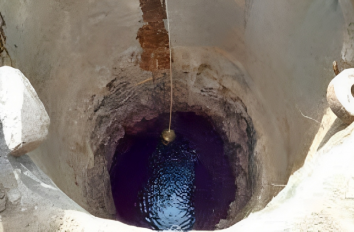
The Nagavanshi kingdom was not a land of grand irrigation projects. The undulating terrain and high rainfall made large-scale canals impractical. Instead, agriculture was supported by the natural river systems and the community's skill in managing rainwater through small-scale terracing and water harvesting. The kingdom's reliance on natural hydrology reflected its close relationship with its environment, a sustainable system that supported its people for centuries without the need for massive state-led engineering projects. Nagavanshi Dynasty India
The Shadow of the Mughal and the British
The long autonomy of the Nagavanshis was eventually challenged. During the Mughal era, the diamond mines of their territory attracted imperial attention, and they were forced to become tributaries. This relationship continued and was later transferred to the British East India Company. The imposition of tributary status on the Nagavanshi dynasty marked the beginning of the end of their isolation. The subsequent introduction of British laws and the influx of outsiders severely eroded their traditional authority, gradually transforming the ancient kingdom into a zamindari estate within the framework of the British Raj.
Step Inside The Story - View All Tour Itineraries & Details

We’re here to offer genuine, thoughtful guidance if your interested in travelling to India. As a small, dedicated team, we pay close attention to every detail so you can focus on enjoying the experience while we take care of the planning. We believe the best trips begin when someone truly listens to what you want and how you like to travel, so the journey feels right for you and contributes to a happy, positive group on tour. Our communication stays clear, straightforward, and respectful at every step, with the goal of helping you feel understood, supported, and confident from first contact to the end of your journey.
Click Catherine Frith - About The Founder
Click Discover Life Travel - All Tours and More
Click Why We Are Different - Unique, Safe, Transparent