Unique Insights Into The Empires Of India
Muhammad Shah: A Forgotten Crown
Discover Life Travel
Saffron Thrones In Delhi Skies
Muhammad Shah, often called Muhammad Shah Rangila, ruled the Mughal Dynasty from 1719 to 1748, a period when old grandeur flickered under gathering storms. His name means “Praised King,” combining “Muhammad,” the praised one, with “Shah,” ruler, and his court remained rooted in Delhi on the Yamuna’s western bank. Though the dynasty’s reach had once stretched over much of the subcontinent, by his reign its hold on regions such as the Deccan and Gujarat had thinned. Yet within the Red Fort and palace quarters, refined arts, music, and poetry persisted beside political fractures. His time joins mystical devotion, courtly ritual, and harsh invasions in a single, intricate chronicle. Muhammad Shah A Forgotten Crown
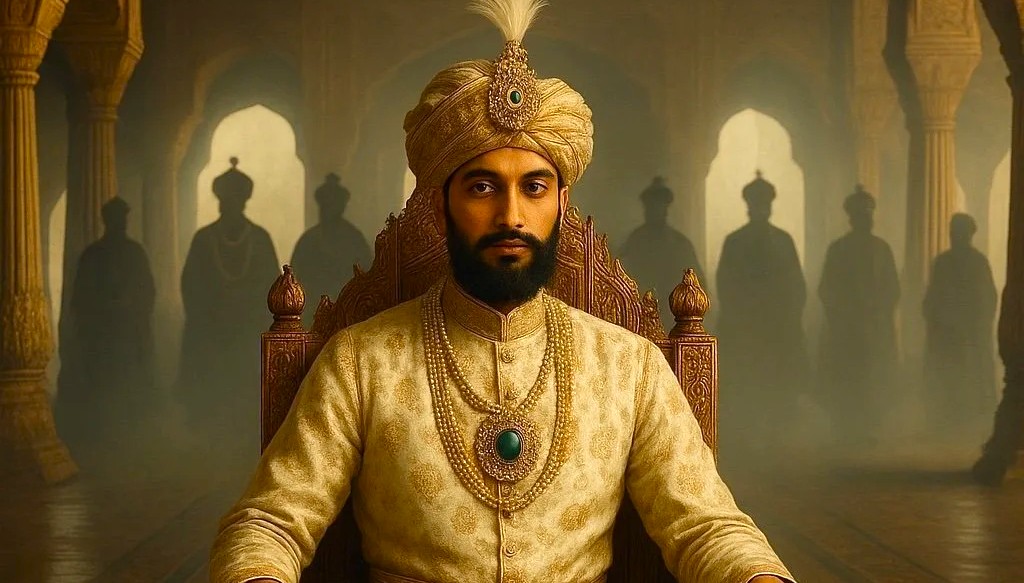
Muhammad Shah: A Forgotten Crown
Long before Muhammad Shah’s Delhi, the Yamuna plain carried human memory through the painted grey ware culture around 1200 BCE. Early communities along the river followed semi-settled farming, worshipping deities of storm and fertility with simple fire altars and clay figurines. Local legends speak of priestly figures such as Rishi Bharadvaja guiding rituals at dawn, when smoke rose over riverside clearings. By the first millennium BCE, trade paths linked this plain with Taxila and Ujjain, carrying copper tools, beads, and cloth. These precedents of ritual fire, river reverence, and caravan exchange formed a spiritual and economic groundwork that outlived empires and later shaped the Mughal court’s own use of the Yamuna as sacred lifeline.
Timurid Bloodlines And Sacred Titles
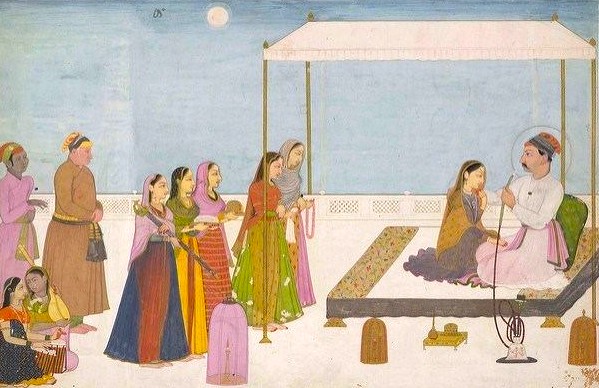
Muhammad Shah was born in 1702 as Roshan Akhtar, a direct descendant of Timur and Genghis Khan through the Timurid-Mughal line founded by Babur in 1526. His lineage threads through Humayun, Akbar, Jahangir, Shah Jahan, and Aurangzeb, each intertwining Persianate court culture with Indian religious landscapes. The Timurid family tree emphasized divine favor, tracing ancestry back to noble clans of Central Asia, including the Barlas and the house of Timur’s son Shah Rukh. Names like Akbar, Jahangir, and Jahanara were recited in court histories as quasi-sacred ancestors whose justice and piety Muhammad Shah was expected to emulate. This heritage affirmed his right to the Peacock Throne, even as regional powers in Awadh, Hyderabad, and Bengal grew increasingly independent of Delhi’s weakening center. Muhammad Shah A Forgotten Crown
Crowns Amidst Fractured Succession
Muhammad Shah reached the throne in 1719 after violent succession crises that followed Aurangzeb’s death in 1707. Within those twelve years, emperors Jahandar Shah, Farrukhsiyar, and the short-lived puppet rulers Rafi ud-Darajat and Shah Jahan II fell through power struggles, many shaped by the Sayyid Brothers, Abdullah Khan and Husain Ali Khan. These kingmakers from the Barha Sayyid lineage raised and removed emperors, using the imperial court as a stage for their own authority. On 27 September 1719, Roshan Akhtar took the regal name Muhammad Shah, crowned in the Red Fort audience hall under Quranic recitations and Sufi blessings. His coronation, though glittering, carried the shadow that his throne depended on wary alliances with powerful nobles and regional governors.
Palace Courts And Sacred Rhythms
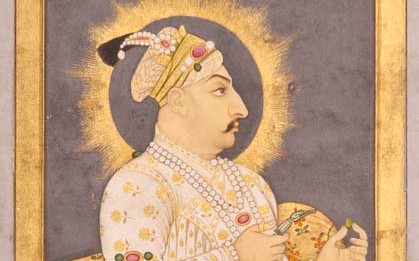
Within Delhi’s fort and palace gardens, Muhammad Shah’s daily life followed a strict yet spiritually infused rhythm. At dawn he offered ṣalāh in private chambers, guided by royal imams who recited verses promising mercy to just rulers. His queens and concubines occupied the zenana, a separate complex where women of the Timurid line such as Qudsia Begum wielded discreet influence, arranging marriages, endowments, and charitable kitchens. Children were tutored in Persian prose, Quranic recitation, and calligraphy, under the watchful eyes of eunuch attendants sworn to loyalty. Musicians like Naimat Khan Sadarang developed khayal singing in these halls, combining mystical love poetry with intricate ragas performed at night under lamp glow. The palace thus blended earthly politics with rhythms of prayer, music, and familial ties.
Waters Of The Yamuna Veins
Delhi’s survival under Muhammad Shah depended on the Yamuna’s current and older canal systems revived by Mughal engineers. The Nahr-i-Faiz and other channels carried water into palace pools, gardens, and city quarters, using sluice gates and stepped wells known as baolis. In the royal precincts, marble tanks reflected moonlight while supplying ritual washing for prayer and daily bathing. Smaller stone-lined wells provided neighborhoods with potable water, distributed by leather bags hoisted by bullocks along circular ramps. During dry months, imperial orders prioritized palace, mosques, and key markets, while charitable fountains near shrines ensured that the poor received some share. Water thus functioned as both material necessity and symbol of divine mercy coursing through the declining dynasty. Muhammad Shah A Forgotten Crown
Festivals Of Moon And Sword
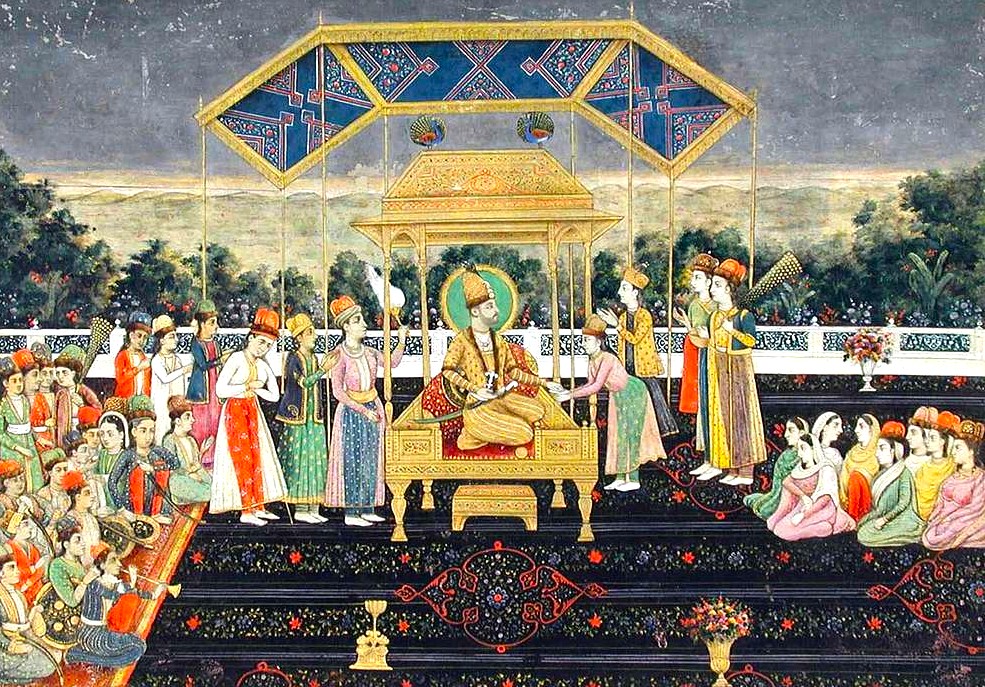
Two key festivals defined public time in Muhammad Shah’s Delhi: Eid al-Fitr at Ramadan’s end and Muharram’s mourning rituals. Eid prayers filled the Jama Masjid courtyard at dawn, with the emperor sometimes appearing under a canopy around 8 a.m., distributing robes of honor and coins to the poor. Food charity increased in this period, with cauldrons of stew ladled out near major mosques and Sufi shrines. During Muharram, processions carried tazias through the city at night, drums echoing stories of Karbala, while nobles sponsored recitations of elegiac poetry. These observances both reaffirmed allegiance to Islamic history and gave the court a means to display piety, even as political control over distant regions steadily slipped away. Muhammad Shah A Forgotten Crown
Caravans, Coins, And Distant Ports
Trade during Muhammad Shah’s reign moved along tried routes linking Delhi to Lahore, Kabul, Surat, Masulipatnam, and Bengal’s riverine towns. Caravans carried cotton textiles, indigo, opium, and raw silk, while silver rupees bearing his name circulated through markets frequented by Indian, Persian, and European merchants. The Grand Trunk Road, first consolidated under earlier Mughals, still served as a principal artery, although insecurity grew as central authority weakened. To the south, Hyderabad and the Maratha sphere redirected revenue streams once pledged to Delhi, altering long-standing trading balances. At sea, European companies from Britain, France, and the Netherlands gained leverage at ports, affecting prices inland. Trade remained a lifeline for the dynasty, but its flows increasingly favored regional powers and foreign companies rather than the central court.
Healing Herbs And Court Physicians
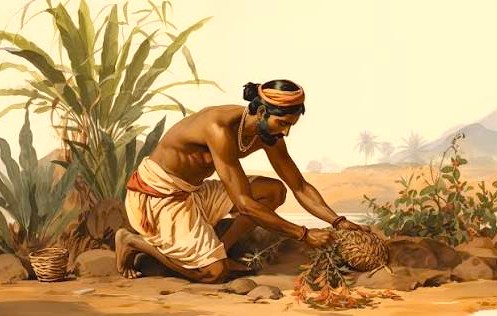
Medicine in Muhammad Shah’s court drew heavily on Unani traditions developed from Greek, Persian, and Indian knowledge. Hakims such as Hakim Muhammad Hashim prescribed treatments based on humoral theory, using herbs like ashwagandha, senna, fennel, and saffron in carefully balanced mixtures. Decoctions, syrups, and electuaries addressed fevers, digestive troubles, and melancholic states, while cupping and cauterization appeared in more severe cases. Palace dispensaries stored dried plant parts and mineral substances in labeled jars, with records tracking quantities dispensed to nobles and soldiers alike. Alongside formal medicine, the royal household relied on Quranic recitations, amulets, and pilgrimages to shrines as spiritual aids to healing. This interweaving of empirical practice and devotional trust reflected broader patterns in Mughal medical culture. Muhammad Shah A Forgotten Crown
Queens, Alliances, And Marriage Bonds
Marriage within Muhammad Shah’s world tied bloodlines, territories, and spiritual prestige together. Royal women of Timurid descent, including consorts honored with titles such as Malika-uz-Zamani, negotiated alliances through dowries, endowments, and strategic placements of relatives in provincial positions. Daughters were often married into powerful noble families, binding the imperial line to clans like the Nizam’s house in the Deccan or important sayyid and Afghan lineages. Women managed estates, supervised female quarters, and funded mosques, madrasas, and charitable kitchens. Their letters and petitions influenced appointments and pardons, though always through veiled channels. In this environment, marriage served as a political instrument and a way of weaving the dynasty into the broader fabric of elite Indo-Islamic society.
Shadows Lengthening Over Delhi Courts
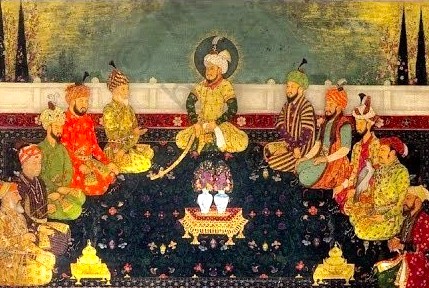
After Nadir Shah’s invasion, the Mughal population in Delhi and surrounding regions suffered displacement, economic strain, and psychological trauma. By the 1740s, the effective authority of the emperor rarely extended far beyond the capital and a few loyal districts. Maratha forces advanced into Malwa and later toward Delhi, while the Rohilla Afghans and Jats carved out their own enclaves. Population estimates in core territories declined or stagnated as warfare, revenue pressure, and famine disturbed rural life. In the capital, artisans and traders adjusted to new patrons, including regional courts and European companies. Muhammad Shah died on 26 April 1748, leaving behind a throne still outwardly adorned but politically hollow, soon inherited by his son Ahmad Shah Bahadur under even more constrained conditions.
Twilight And Successors Of The Peacock
Muhammad Shah’s dynasty did not fall in a single night, but his death in 1748 marked an irreversible descent. Ahmad Shah Bahadur, his son and successor, lacked his limited diplomatic skill and faced Maratha advances and internal rivalries that further reduced imperial reach. Power shifted decisively to regional rulers, including the Nawabs of Awadh, the Nizam of Hyderabad, and the Marathas, who treated the emperor mainly as a symbolic figurehead. By the late eighteenth century, new foreign forces, especially the British East India Company, positioned themselves as arbiters over the declining court. The spiritual, artistic, and culinary legacies of Muhammad Shah’s era survived, but the dynasty’s political command ceded to successor states that redefined power on the subcontinent. Muhammad Shah A Forgotten Crown
Step Inside The Story - View All Tour Itineraries & Details

We’re here to offer genuine, thoughtful guidance if your interested in travelling to India. As a small, dedicated team, we pay close attention to every detail so you can focus on enjoying the experience while we take care of the planning. We believe the best trips begin when someone truly listens to what you want and how you like to travel, so the journey feels right for you and contributes to a happy, positive group on tour. Our communication stays clear, straightforward, and respectful at every step, with the goal of helping you feel understood, supported, and confident from first contact to the end of your journey.
Click Catherine Frith - About The Founder
Click Discover Life Travel - All Tours and More
Click Why We Are Different - Unique, Safe, Transparent