A Unique Look into Indian History
Mewar Dynasty: Aravali Hills - India
Discover Life Travel
The Land Before the Mewar Dynasty
Before the rise of its legendary dynasty, the rocky Aravalli hills and plains of Medapata (Mewar) were the domain of powerful Bhil tribal chieftains. The story of the kingdom's birth is one of divine anointment. In the 8th century, a young Guhilot prince in exile, Bappa Rawal, served the sage Harita Rashi. Impressed by his devotion, the sage blessed him with the kingdom of Mewar, a boon from the dynasty's patron deity, Eklingji (a form of Shiva). With this blessing, Bappa Rawal captured the formidable Chittorgarh fort, founding the Guhilot-Sisodia dynasty of Mewar and establishing a lineage destined for heroic resistance. Mewar Dynasty Aravali Hills India
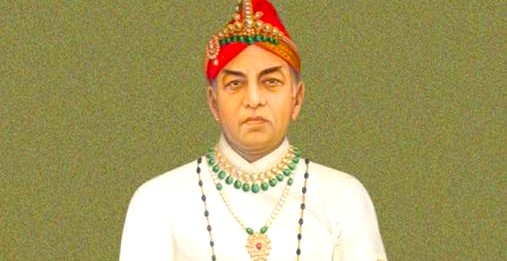
Mewar Dynasty Aravali Hills - India: The Unconquerable Hill Fort Rises
The heart and soul of Mewar was Chittorgarh, a colossal fortress sprawling across a high plateau, a symbol of Rajput defiance. This was more than a fort; it was a city in the sky, with palaces, temples, reservoirs, and fields, designed to withstand epic sieges. For centuries, the history of Chittorgarh fort as the Mewar capital was a saga of glory and tragedy. Its possession was the ultimate prize, the symbol of sovereignty in Rajputana. The story of Mewar is inextricably linked to this mountain fortress, its unconquerable spirit carved into every stone.
A Day of War Councils and Dharma
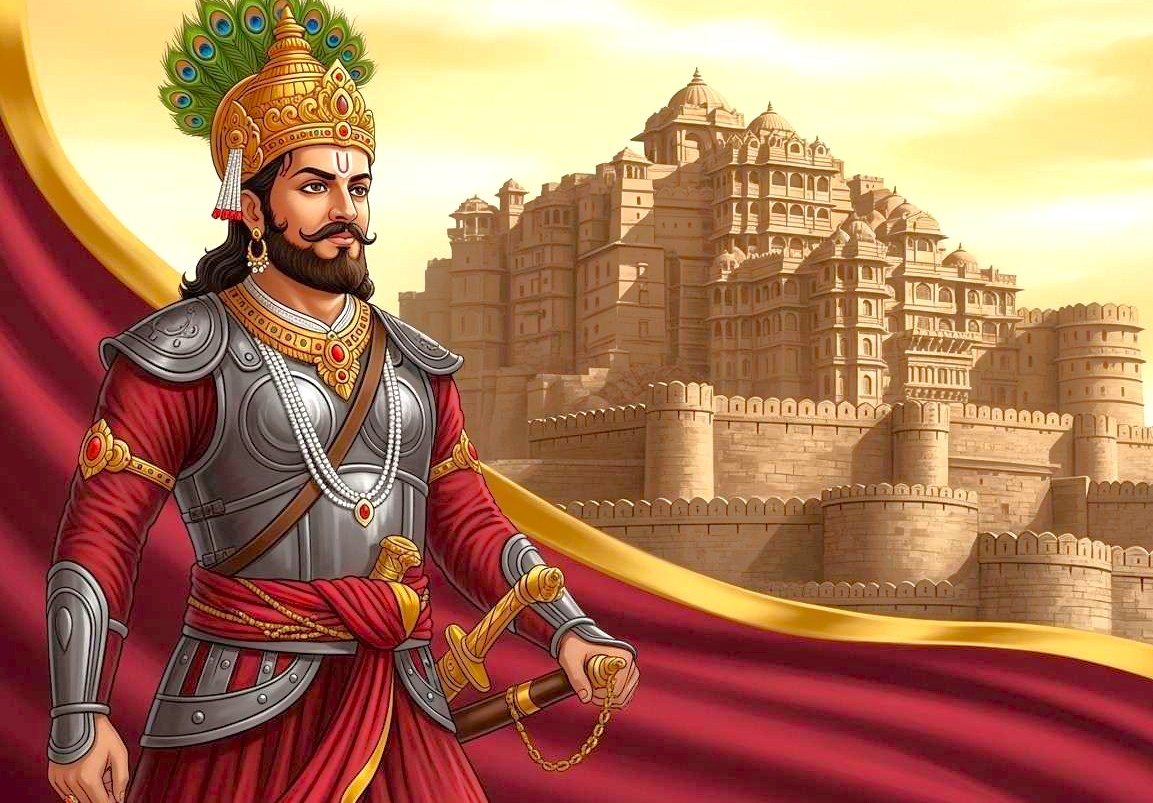
The daily life of a Maharana of Mewar was a relentless exercise in vigilance and upholding Rajput Dharma. Mornings began with prayers to Eklingji, followed by the "durbar," where the ruler dispensed justice and met his feudal nobles ("samants"). Much of the day was consumed by war councils, planning the defense of the realm, reviewing the state of the army, and receiving intelligence reports. The daily routine of a Rajput king in Mewar was that of a warrior-king, the first among equals, whose primary duty was the protection of his land and his people's honor. Mewar Dynasty Aravali Hills India
Life Under the Banner of the Sun
For the common people - farmers, artisans, and herders - life was governed by the feudal system and a fierce, unwavering loyalty to their clan and their Maharana. They were subjects of the Suryavanshi (Sun Dynasty), and their lives were a blend of agricultural toil and readiness for military service. In times of siege, the entire populace would contribute to the defense. This feudal society and culture of Mewar created a deep, symbiotic bond between the ruler and the ruled, united by a shared identity and a willingness to sacrifice everything for the honor of their homeland.
Feasts Fit for a Desert Warrior
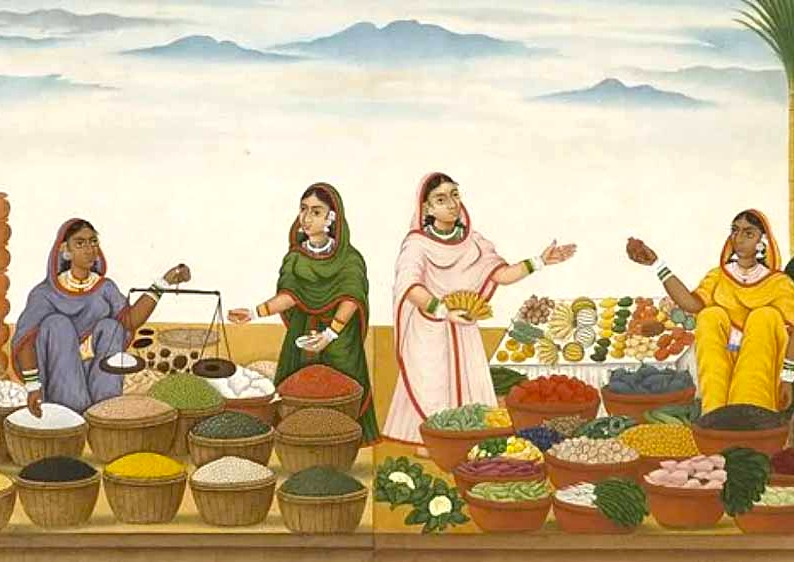
The royal kitchens reflected the martial lifestyle and arid landscape of Rajasthan. The cuisine was robust and flavorful, with an emphasis on game meats like wild boar and deer, and hardy grains like corn and millet. The most famous dish, "Laal Maas," a fiery red meat curry, was born from this warrior culture. The traditional Rajput royal cuisine of Mewar was designed to be prepared with limited water and to sustain warriors in the field, a gastronomy forged in the crucible of conflict and the desert environment.
The Sword of Rajput Justice
Justice was swift, personal, and deeply rooted in the Rajput code of honor and Dharma. The Maharana was the ultimate arbiter of justice, and his court was the highest law in the land. For local disputes, village councils (panchayats) and feudal lords administered justice based on custom. Betrayal of one's clan or king was the highest crime, often met with severe punishment. The legal system of the Mewar kingdom was less about codified laws and more about upholding a strict, honor-bound social order where loyalty and valor were the supreme virtues. Mewar Dynasty Aravali Hills India
The Divine Guardian of Mewar
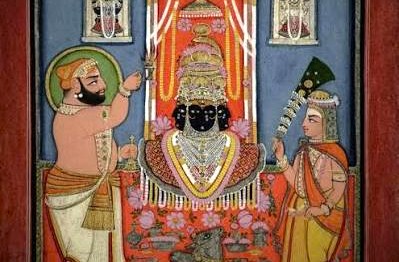
The true ruler of Mewar was considered to be Eklingji, a fierce form of Shiva. The Maharana ruled only as his "Dewan" or prime minister. The magnificent Eklingji temple complex, built in a gorge outside Udaipur, has been the spiritual heart of the dynasty for centuries. Every major act, from coronations to battles, was undertaken only after seeking the deity's blessings. The significance of the Eklingji temple to the Sisodia dynasty is absolute; it is the source of their legitimacy, their spiritual strength, and their unwavering resilience.
When Valor and Devotion Parade
Mewar's festivals were vibrant expressions of its unique culture. Dasara was a grand martial celebration, marking the end of the monsoon and the start of the campaigning season, with a massive parade of horses, elephants, and soldiers. But equally important was Gangaur, a festival where women worshipped Gauri (Parvati) for marital bliss, celebrated with colorful processions and immense devotion. The celebration of traditional Rajput festivals in Mewar was a dazzling spectacle, blending fierce martial pride with deep spiritual piety. Mewar Dynasty Aravali Hills India
Where Bards Sang of Immortal Glory
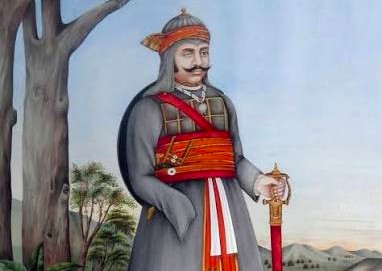
In the courts of Chittor and Udaipur, entertainment was a matter of immortalizing heroism. The "Charans" and "Bhats" (bards and genealogists) were revered figures. They composed and sang powerful ballads, reciting the epic deeds of the dynasty's ancestors and heroes in a booming voice, often accompanied by folk instruments. The role of Charan poets in preserving Mewar's history was crucial. They were not mere entertainers but the custodians of the clan's honor, their songs inspiring generations of warriors to live up to the glorious, impossible standards of their forefathers.
The Great Sieges and Sacrificial Flames
Mewar's history is defined by its resistance, epitomized by the three great sacks of Chittorgarh. When defeat was inevitable against overwhelming invading forces, the fort witnessed the ultimate Rajput sacrifice. The men would perform "Saka," donning saffron robes and riding out to fight to the last man. The women, led by their queen, would commit "Jauhar," mass self-immolation in a sacred fire to protect their honor from the enemy. The Rajput ritual of Jauhar and Saka at Chittorgarh is a harrowing, legendary testament to Mewar's code of death before dishonor.
The Mirror, The Queen, The Legend
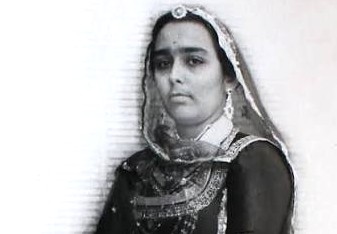
No story of Mewar is complete without the legend of Queen Padmini. When the Sultan of Delhi, Alauddin Khilji, besotted by her beauty, laid siege to Chittor, he demanded to see her. To save her kingdom, she agreed to let him see her reflection in a mirror. The legend of her beauty, intelligence, and ultimate sacrifice in the great Jauhar of 1303 has made her an immortal symbol of Rajput honor and womanhood. The legend of Rani Padmini of Chittorgarh embodies the ideals of beauty, sacrifice, and the supreme importance of protecting one's dignity. Mewar Dynasty Aravali Hills India
A Tower Built of Victory
The artistic legacy of Mewar is as strong as its military one, best exemplified by the "Vijay Stambha," or Tower of Victory, at Chittorgarh. This nine-story, intricately carved tower was built by the brilliant Maharana Kumbha in the 15th century to commemorate his victory over the Sultan of Malwa. It is a masterpiece of Rajput architecture, covered in sculptures of Hindu gods and goddesses. The architectural significance of the Vijay Stambha is that it is not just a war memorial but a celebration of Hindu Dharma and a symbol of Mewar's triumphant spirit.
A Royal Exile in the Forest
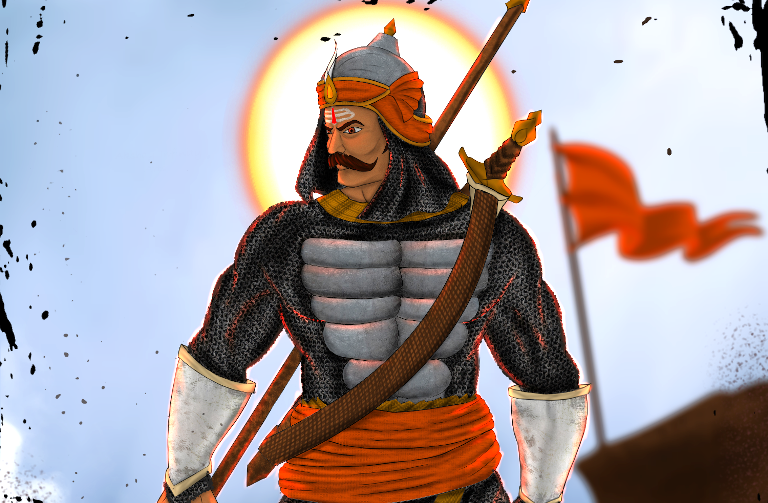
The story of Mewar's resistance is personified by Maharana Pratap. After the fall of Chittorgarh to Akbar, he refused to surrender. Abandoning his palaces, he waged a relentless guerrilla war against the mighty Mughal Empire from the Aravalli hills. His legendary horse, Chetak, became a symbol of loyalty and sacrifice. The guerrilla warfare tactics of Maharana Pratap and his unwavering defiance against overwhelming odds have made him the ultimate icon of Rajput valor and the enduring spirit of Indian independence.
The Final Sleep of Kings
Upon the death of a Maharana, his body was carried in a grand procession to Mahasatyaji in Ahar, the royal cremation ground. There, he was cremated with full state and Vedic honors. A "chhatri," or cenotaph, was later erected at the spot to commemorate him. These beautiful, pillared pavilions became a permanent record of the dynasty's lineage. The funerary architecture of the Mewar royal cenotaphs at Ahar created a serene and stately final resting place for the "Sun of the Hindus." Mewar Dynasty Aravali Hills India
Physicians of the Royal Court
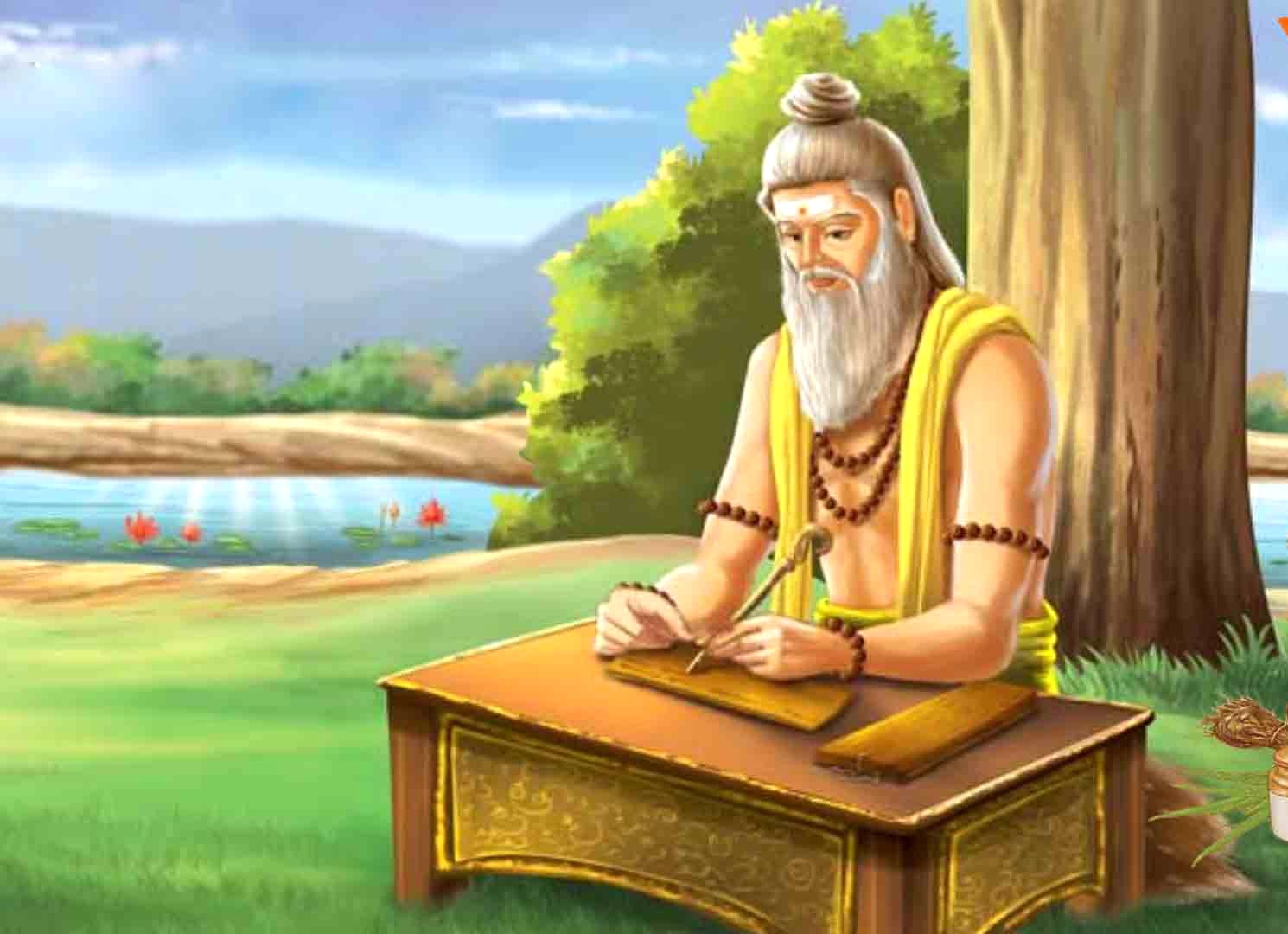
The rulers of Mewar were patrons of Ayurveda, the traditional Indian system of medicine. The court maintained "Rajvaidyas," or royal physicians, who were skilled in treating everything from common ailments to battlefield wounds. They used herbal remedies sourced from the Aravalli hills and followed holistic principles to maintain the health of the royal family and the army. The practice of Ayurvedic medicine in the court of Mewar was an integral part of the kingdom's administration, ensuring the well-being of its defenders.
Palaces That Float on Water
When the capital shifted to Udaipur, the Kachwaha rulers created a new architectural marvel: the lake city. They built a series of interconnected lakes and, within them, magnificent palaces that seem to float on the water. The Lake Palace (Jag Niwas) and Jagmandir are ethereal examples of this unique vision. This creation of the lake city of Udaipur was a stroke of genius, a beautiful and defensible new capital that became a symbol of Mewar's enduring grace and aesthetic sensibility, a paradise built in a warrior's land.
The Sun Bows to a Setting Sun
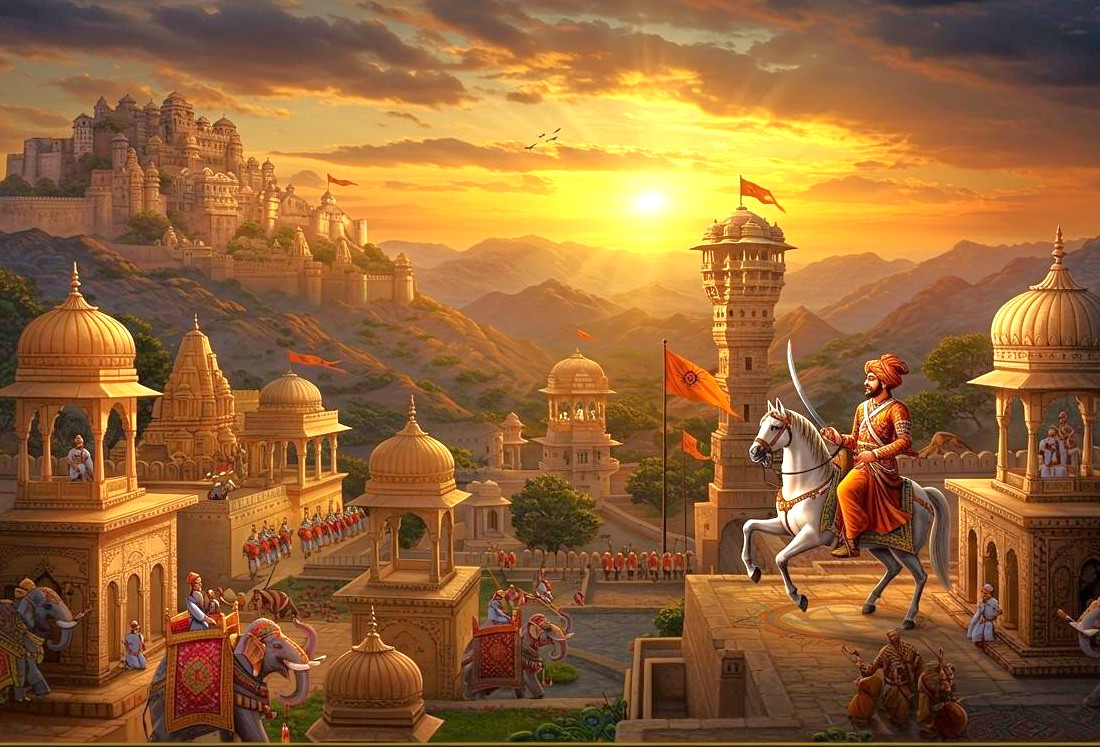
After centuries of fierce independence, the relentless pressures of Maratha raids and internal decay forced the rulers of Mewar into a new reality. In 1818, Maharana Bhim Singh signed a treaty with the British East India Company, accepting British suzerainty in exchange for protection. This marked the end of Mewar's sovereignty. The Mewar dynasty's transition into a British princely state was a pragmatic, if painful, decision, allowing the world's oldest-serving dynasty to preserve its lineage and cultural heritage, adapting its ancient glory to the modern age.
Step Inside The Story - View All Tour Itineraries & Details

We’re here to offer genuine, thoughtful guidance if your interested in travelling to India. As a small, dedicated team, we pay close attention to every detail so you can focus on enjoying the experience while we take care of the planning. We believe the best trips begin when someone truly listens to what you want and how you like to travel, so the journey feels right for you and contributes to a happy, positive group on tour. Our communication stays clear, straightforward, and respectful at every step, with the goal of helping you feel understood, supported, and confident from first contact to the end of your journey.
Click Catherine Frith - About The Founder
Click Discover Life Travel - All Tours and More
Click Why We Are Different - Unique, Safe, Transparent