A Unique Look Into Indian History
Maranatha Dynasty: Western Ghats - India
Discover Life Travel
Forest Valleys Before Maranatha Rule
Before the Maranatha Dynasty region of India emerged, the steep valleys and forested ridges were held by small hill clans and scattered fort-hamlets. Archaeological traces - terracotta votive figures, iron arrowheads, querns and copper bangles - fit early Western Ghats tribal settlements and upland agrarian sites. Old rock inscriptions and oral lore speak of clans guarding passes between coast and plateau, taxing salt, cloth and grain, part of pre-dynastic hill-chiefdom networks along Konkan–Deccan trade routes. Sacred groves, stream shrines and rough stone bastions formed a loose but resilient landscape that Maranatha leaders would later weld into a more centralized rule. Maranatha Dynasty Western Ghats India
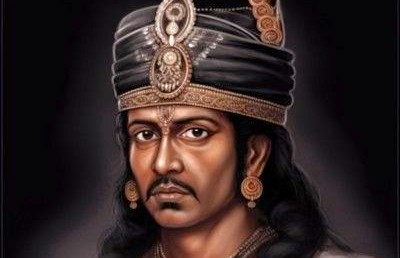
Maranatha Dynasty Western Ghats India: Maranatha’s Seizure Of The Hill-Fort
The origin story of the Maranatha Dynasty tells of a hill-chief, Maranatha, once a vassal of a declining overlord in a key mountain fort. After being denied promised land and insulted in public council, he turned clan loyalty into rebellion. One monsoon night, with queen Laxmidevi and sons Vir and Som at his side, he led a surprise assault on the inner gates, capturing armory, granaries and strongpoints, remembered as a Western Ghats hill-fort coup creating a regional mountain kingdom. From this fort, Marantha banners began to command villages, passes and markets across the surrounding hills.
Dawn Routines In The Maranatha Palace
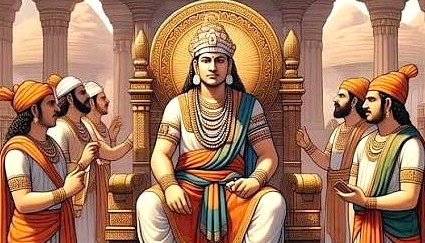
Life inside the royal stronghold followed a strict, martial rhythm typical of medieval hill-fort court life in peninsular India. At first light, drums and conches echoed off stone as Marantha bathed in spring-fed cisterns, received sandal and ash markings, then made offerings at a small Shiva or goddess shrine. Queen Laxmidevi supervised storerooms, jewelry, household staff and temple gifts, reflecting royal women’s roles in fortress economies and religious patronage. Princes Vir and Som practiced sword, shield and bow along ramparts, then studied land records and dharma; daughters learned music, grain accounts and marriage diplomacy. Maranatha Dynasty Western Ghats India
Terraced Fields And Village Panchayats
Outside the walls, everyday life in Marantha-era Western Ghats hill villages and valleys revolved around terraced farming, herding and forest use. Men guided oxen or buffalo along narrow terraces cut into slopes, sowing millets, rice patches and pulses. Women carried water from springs, collected firewood and forest produce, spun cotton or coarse fibers, and traded in weekly bazaars. Blacksmiths, potters and weavers supplied tools and cloth, anchoring traditional Western Ghats agro-forest village economies. Village panchayats under banyan or peepal trees settled disputes over water, grazing and marriage, demonstrating local self-governance and customary law in upland communities beneath Maranatha oversight.
Fort Kitchens, Grain Stores And Feasts
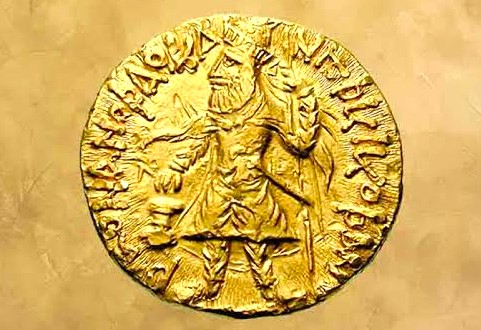
Within the hill-fort, large kitchens and granaries revealed Western Ghats royal cuisine and provisioning practices in a mountain kingdom. Before sunrise, cooks stoked fires under iron and brass cauldrons, boiling rice, millets and lentils for garrison, priests, scribes and guests. Spices - coriander, cumin, pepper, chilies, tamarind and fresh ginger - were ground into masalas. Grain from valley fields, roots and greens from forest fringes, and fish or game from rivers and woods supported a mixed hill agrarian and forest-based diet. On major festivals or victory days, extra cauldrons fed villagers and pilgrims, turning food into public proof of Maranatha generosity and logistical strength. Maranatha Dynasty Western Ghats India
Laws, Fines And Hilltop Punishments
Justice under Maranatha territories blended dharmashastra ideals with hill customary codes, forming hybrid legal practices in upland Rajput-style states. A farmer caught diverting irrigation channels at night might lose a harvest and be ordered to repair terraces or tanks. Timber poachers or unauthorized grazers in royal forests could face fines in cattle or days of forced labor. Market cheats risked public shaming - broken measures, confiscated goods - matching historic bazaar regulation and honor-based punishment customs in Indian hill regions. For serious banditry or treason, execution at a gate or cliff-edge was possible, yet village councils often softened sentences during famine.
Temples, Grove Shrines And Clan Gods
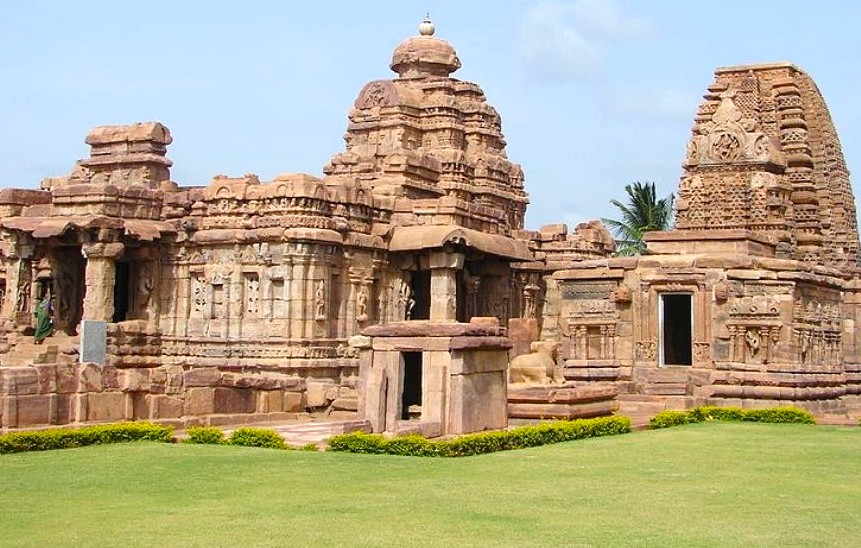
Religious life in Marantha lands revolved around hilltop temples, village goddess shrines and sacred groves, reflecting Western Ghats Shaivite, Shakta and animist traditions. The fort’s crest often housed a Shiva lingam or fierce goddess image, served by priests performing daily abhisheka and seasonal yajnas. Villages maintained shrines to gramadevatas, serpent stones at springs and ancestral stones under trees, showing continuity of local deity cults within a formal Hindu framework. Maranatha rulers granted land and lamps to temples, sponsored festivals and protected groves, using temple patronage and sacred forest protection as both spiritual duty and political strategy.
Processions, Jatras And Market Celebrations
Festival seasons turned forts and villages into vibrant stages of Western Ghats temple processions, jatras and market fairs. Deity images left sanctums on palanquins or simple chariots, carried along steep paths lined with lamps and flower garlands. Drummers, flautists and dancers led crowds to tanks, groves or hill saddles. At the same time, traders set up stalls with cloth, grain, tools and sweets, turning these days into religious melas that combined worship, trade and entertainment. Kings or princes sometimes joined processions or distributed alms and food, using public ritual and jatra patronage to reinforce Marantha status as protectors and benefactors. Maranatha Dynasty Western Ghats India
Durbar Tents, Bards And Entertainers
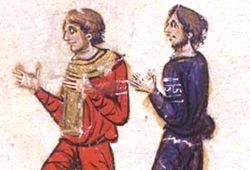
The court - half stone hall, half tented courtyard - was a hub of hill-fort durbar culture and bardic performance in the Western Ghats. Mornings brought land petitions, tax appeals and reports from passes, ferries and neighboring chiefs. Afternoons and evenings featured bards singing genealogies and battle stories, dancers enacting epics, and musicians playing drums, flutes and stringed instruments, all part of oral epic and performance traditions that built Maranatha royal image. Jugglers and magicians offered spectacle. Patronage through cloth, coins and land grants bound artists and story-keepers to the dynasty, spreading its fame across valleys and trade routes.
Campaigns Through Ghats And Forests
Military life for this line fit within Western Ghats hill-fort warfare and frontier defense patterns. Maranatha forces defended key passes, ridge routes and trade tracks connecting coast and plateau. Light infantry familiar with ravines and forests, archers on slopes, and limited cavalry on plateaus confronted raiders and rival chiefs. Sieges involved blockading forts, cutting off mountain springs and skirmishing along narrow paths, typical of mountain fortress siege tactics in peninsular India. Survival depended on terrain knowledge, mobile defense and timely alliances, giving the dynasty a reputation for resilience despite clashes with larger lowland powers. Maranatha Dynasty Western Ghats India
Marriage Pacts And Women’s Quiet Power
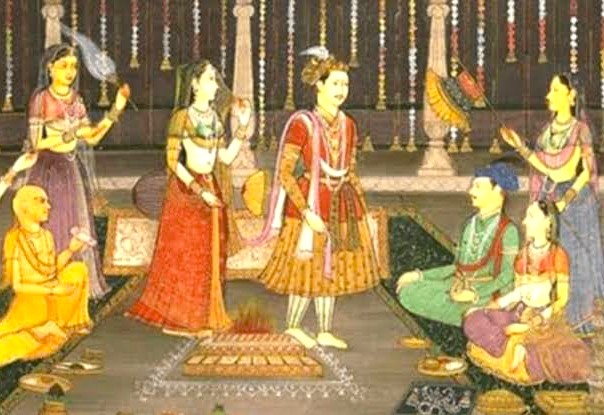
Dynastic marriages under this house reflected hill-state matrimonial diplomacy and alliance-building in the Western Ghats. Maranatha princesses married into neighboring highland and lowland houses, knitting together trade, military aid and peace pacts; incoming queens brought dowries, warriors or access to new passes and markets. Some queens appear in grants to temples or tanks, evidence of royal women’s property rights and religious patronage in upland polities. Within the zenana and household, women shaped succession debates, mediated family disputes and maintained ritual ties with allied families, quietly exercising significant but often unrecorded political influence alongside their economic and ritual responsibilities.
Magic, Craftsmen And Epic Songs
Cultural expression under Maranatha rule fused local craft traditions, ritual specialists and epic singers in a hill-fort context. Metalworkers forged weapons, horse gear and ritual lamps; woodcarvers shaped doors and chariot parts; weavers produced coarse and fine cloth for court and village, sustaining Western Ghats material culture in both portable and architectural forms. Ritual specialists used mantras, yantras and healing rites that onlookers might call “magic.” Bards memorized and recited long ballads of ancestors, gods and battles, forming a living oral literature that preserved Maranatha prestige and regional history even where written records were thin.
Funeral Pyres, Hero Stones And Ancestors
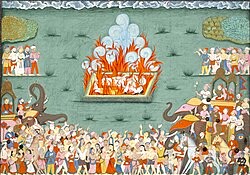
Death rites in Marantha-ruled Western Ghats communities combined Hindu cremation practices and viragallu-style hero-stone memorials. Most people were cremated near rivers or on dedicated grounds, with ashes scattered in water or buried near sacred groves. Royal and noble funerals involved sandalwood, extended rituals and memorial donations. Along roads and former battle sites, upright stones carved with warriors carrying swords or riding horses served as hero stones commemorating fallen fighters in hill warrior culture. Families performed yearly ancestor rites and visited these stones, keeping memory and moral example active in daily routes and seasonal festivals.
Healers, Forest Herbs And Shrines
Health care in this realm depended on Ayurvedic-influenced practice, forest herbal knowledge and shrine-based healing traditions. Court vaidyas treated rulers and elites with plant-based medicines drawn from hill forests - neem, bael, long pepper, ashwagandha and local roots - for fevers, wounds and digestive problems. Village healers used poultices, smokes, mantras and amulets, representing traditional Western Ghats folk medicine and spiritual protection customs. Springs and temple tanks were seen as curative; people made vows, fasts and offerings for recovery. During outbreaks, rulers might support quarantines, cleaning water-sources and rites for disease deities, intertwining practical health measures with ritual responses to illness. Maranatha Dynasty Western Ghats India
Springs, Tanks And Mountain Waterworks
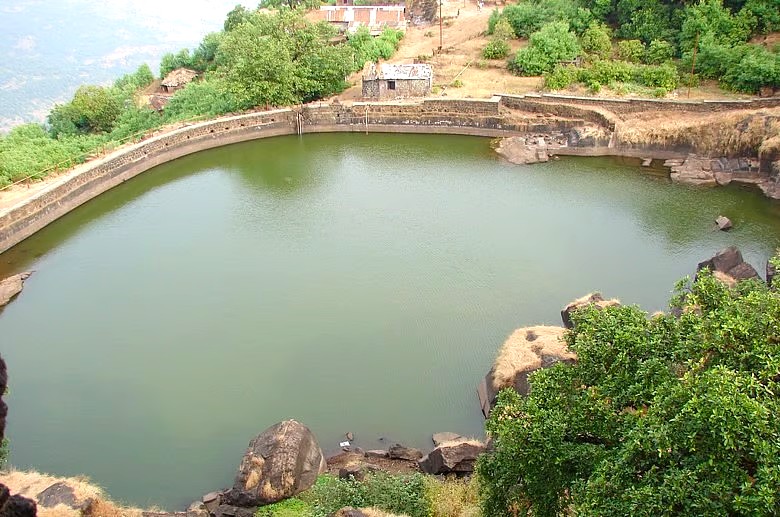
Water management under Maranatha rule centered on Western Ghats spring protection, hillside tanks and small canal systems. Stone-lined channels captured monsoon and spring flows, feeding terraced fields and storage tanks; simple sluice gates allocated water to plots under community-managed irrigation and water-sharing agreements in upland villages. Sacred groves around springs prevented deforestation and erosion. Inside the fort, cisterns, stepwells and covered channels ensured supplies during siege and dry months. Grants and inscriptions sometimes praised rulers for repairing tanks or safeguarding springs, framing control of hill water as a core duty of just kingship and survival in this demanding terrain.
Succession Fights And Echoes In The Hills
Over time, internal rivalries, encroaching lowland states and shifting trade routes eroded this house’s strength, following common patterns of dynastic decline in regional hill-fort polities. Powerful generals or allied families sometimes overshadowed the main line; external empires sought to absorb key forts and passes. Eventually, another power took the Marantha stronghold, raising new insignia over old bastions. Yet in ballads, shrines, hero stones and village lore, the legacy of the Maranatha Dynasty in Western Ghats regional memory endured. Even as banners changed, terraces, tanks and stories continued to whisper the names of earlier hill kings to those who lived in their shadow.
Step Inside The Story - View All Tour Itineraries & Details

We’re here to offer genuine, thoughtful guidance if your interested in travelling to India. As a small, dedicated team, we pay close attention to every detail so you can focus on enjoying the experience while we take care of the planning. We believe the best trips begin when someone truly listens to what you want and how you like to travel, so the journey feels right for you and contributes to a happy, positive group on tour. Our communication stays clear, straightforward, and respectful at every step, with the goal of helping you feel understood, supported, and confident from first contact to the end of your journey.
Click Catherine Frith - About The Founder
Click Discover Life Travel - All Tours and More
Click Why We Are Different - Unique, Safe, Transparent