Unique Insights Into Religions Of India
Mahatma Gandhi: India
Discover Life Travel
The Eternal Light of Truth
Mohandas Karamchand Gandhi entered the world in 1869, during an era when the British Dynasty exerted vast control over the Indian subcontinent. Born in Porbandar, a coastal town where the Jethwa Rajput Dynasty once flourished, his early years were shaped by the administrative service of his father and the deep spiritual devotion of his mother. This narrative explores his evolution from a young law student to the leader of a global movement for freedom. His life was defined by the principles of Satyagraha, or truth-force, which challenged the foundations of colonial power. Through a disciplined adherence to non-violence, he sought to unite a diverse population against social injustice and foreign rule, ultimately leaving an indelible mark on the moral consciousness of the twentieth century. Mahatma Gandhi India
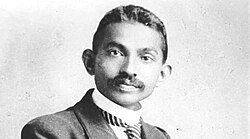
Ancestral Beginnings: Mahatma Gandhi India
The name Gandhi translates to grocer, indicating the mercantile roots of the family lineage before they moved into political administration. Born at twenty-one degrees North, the child was raised in a three-story house built in 1777. His father, Karamchand, served as the Diwan of Porbandar, a role traditionally associated with high courtly service. The family belonged to the Modh Bania community, part of a population that historically managed trade routes along the Arabian Sea. Before his birth, the region had been a patchwork of small states governed by local rulers. The lineage included his grandfather Uttamchand, who also held high office, establishing a tradition of civil service and ethical governance that would later influence his political theories. Mahatma Gandhi India
Domestic Spiritual Rhythms
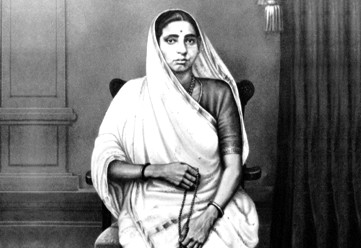
Daily life in the childhood home was centered on the influence of Putlibai, his mother, whose religious practices were rigorous and constant. She followed the Pranami tradition, which blended Hindu and Islamic elements, emphasizing the unity of all faiths. Women in the household were responsible for maintaining the spiritual purity of the dwelling, often participating in extended fasts that lasted several days. The family consumed a strict vegetarian diet, often preparing simple meals of lentils and grains that were cooked over small stoves. This atmosphere of devotion and austerity provided the moral framework for the young boy, teaching him that physical denial could lead to greater spiritual clarity and strength in the face of adversity. Mahatma Gandhi India
Marriage Rites and Early Ties
In 1883, at the age of thirteen, Gandhi entered into an arranged marriage with Kasturba Makhanji, a union that followed the traditional customs of the region. This marriage reflected the social structures of the time, where women were expected to manage the domestic sphere while men pursued public or professional paths. The ceremony took place during a local festival, a time when the population gathered for communal celebration. Together, they would later have four children: Harilal, Manilal, Ramdas, and Devdas. Their early relationship was a learning ground for the concepts of patience and mutual respect, which would eventually evolve into a partnership dedicated to the cause of national independence and social reform.
Crossing the Dark Waters
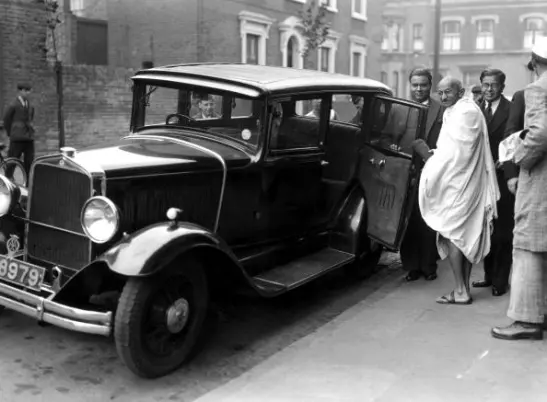
The journey to London in 1888 for legal studies was a departure from the traditional expectations of his community. At that time, crossing the ocean was considered a spiritual risk, yet the young student persisted to gain a degree in law. During his time in the capital of the British Dynasty, he lived a disciplined life, carefully managing his finances and adhering to his vegetarian principles. He studied the local water systems and urban planning, while also engaging with the works of Western philosophers. This period was crucial for his understanding of the legal mechanisms of the colonial power, providing him with the intellectual tools necessary to later challenge the injustice of the foreign administration through their own judicial frameworks.
The Crucible of the Southern Veld
Arriving in South Africa in 1893, the lawyer encountered the harsh realities of racial segregation under the local administration. Specifically located in Natal and the Transvaal, he witnessed the struggles of the Indian population who worked the sugar plantations. It was here that he first developed the method of Satyagraha to protest discriminatory laws. He organized the community to challenge the authorities through non-violent resistance, marking a shift from private legal practice to public activism. This period involved frequent battles in the courtroom and on the streets, where the outcome was a gradual recognition of the rights of the immigrant population. These experiences forged his character and refined his tactics for the larger struggles awaiting him in India.
Return to the Ancestral Soils
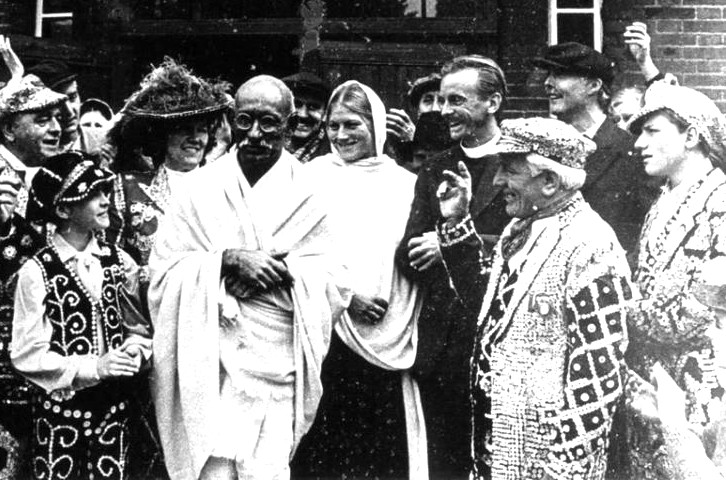
Upon returning to India in 1915, the leader spent a year traveling the country to observe the conditions of the rural population. He established an ashram near Ahmedabad, a location chosen for its proximity to the textile mills and the Sabarmati River. The water system here was primitive, and the inhabitants lived in extreme poverty. He promoted the use of the spinning wheel, or charkha, as a means of economic self-reliance for the masses. This daily labor was both a practical necessity and a spiritual meditation, symbolizing the rejection of foreign-made goods. By integrating the lives of the royal elite with those of the common laborers, he began to unify the diverse segments of the Indian population. Mahatma Gandhi India
Healing through Natural Law
The medicinal practices favored by the leader were rooted in nature and the Ayurvedic traditions of his youth. He advocated for the use of earth poultices and water therapy to treat various ailments, avoiding the chemical preparations of the British Dynasty. His diet remained simple, often consisting of goat's milk, fruits, and nuts in specific quantities to maintain physical health without indulgence. He used the neem leaf for its cleansing properties and practiced intermittent fasting as a way to purify the body and mind. This commitment to natural health was part of his broader philosophy of Swaraj, or self-rule, which started with the control over one’s own physical and spiritual well-being.
The Salt of the Earth
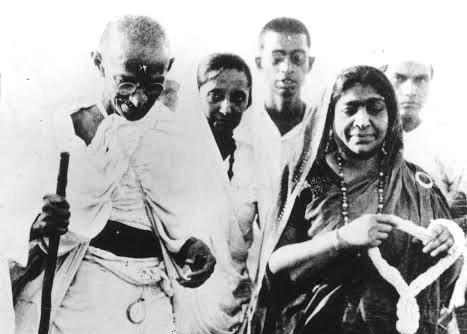
In March 1930, the leader organized a march to the coastal village of Dandi to protest the salt tax imposed by the colonial Dynasty. This act was a direct challenge to the trade routes controlled by the foreign administration. Thousands of people joined the 240-mile trek, a population united by a single goal of reclaiming their right to the resources of their own land. On April 6, he picked up a handful of salt from the shore, an act that signaled the start of a nationwide civil disobedience movement. This battle of wills demonstrated that the power of a determined population was greater than the military force of an occupier, proving the effectiveness of non-violence on a global stage. Mahatma Gandhi India
Festivals of Resistance and Unity
The struggle for independence was often punctuated by symbolic observances that aligned with the cultural festivals of the land. During the celebration of Diwali in November, the population was encouraged to light the lamps of freedom and boycott foreign cloth. The leader used these times of communal gathering to deliver messages of unity and social reform. He spent his days in the ashram, following a strict schedule of prayer at 4:00 AM and communal spinning in the afternoon. Women played a vital role in these movements, leading picket lines and managing the distribution of local goods. These activities transformed traditional festivals into political statements, strengthening the resolve of the people to achieve self-governance.
Chronicles of the Great Hunger
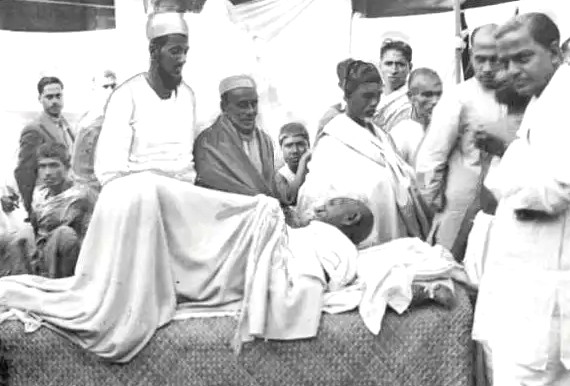
Fasting was used as a powerful political weapon during the many battles for social justice and religious harmony. In 1932, the leader undertook a fast to protest the separation of the Dalit population from the mainstream electorate. These periods of self-imposed starvation were monitored by doctors, yet the resolve was spiritual rather than physical. The outcome of these fasts was often a significant shift in public opinion and a change in government policy. By putting his own life at risk, he forced the competing factions to find a peaceful resolution. This method of struggle was a unique contribution to the history of political conflict, proving that sacrifice could be more effective than the use of weapons.
Water Systems and Rural Renewal
The focus on rural development involved the improvement of water systems and sanitation in the villages. The leader believed that the strength of the nation lay in its 700,000 rural communities. He encouraged the construction of simple wells and the cleaning of local ponds to prevent the spread of disease. This work was a form of service to the population, moving away from the centralized industrial models of the British Dynasty. By teaching the people how to manage their own resources, he laid the foundation for an independent agricultural economy. This emphasis on local governance was a practical application of his mystical belief in the sanctity of the land and the dignity of manual labor. Mahatma Gandhi India
The Final Prayer for Peace
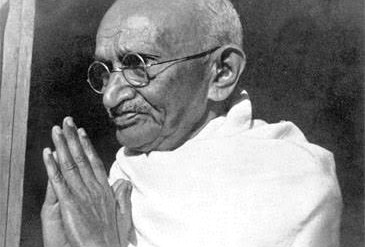
On January 30, 1948, the leader walked to his evening prayer meeting in Delhi, a location where thousands gathered to hear his message of religious tolerance. The population was in a state of turmoil following the partition of the land. His daily life in these final months was dedicated to quelling the violence between different communities. At 5:17 PM, as he approached the prayer ground, his life was ended by a private act of violence. This event shocked the world and led to a global period of mourning. Even in his final moments, his commitment to the principles of truth and non-violence remained absolute, leaving a legacy that continues to inspire movements for justice across the globe.
Decline of the Colonial Dynasty
The decline of the British Dynasty in India was accelerated by the mass movements led by the subject between 1915 and 1947. The colonial administration, once an absolute power, found itself unable to govern a population that refused to cooperate with its laws. By the time of the 1942 Quit India movement, the administrative structures were under immense pressure. Following the end of the global conflict in 1945, the cost of maintaining the colony became unsustainable. The formal transfer of power in 1947 replaced the foreign monarchy with a sovereign democratic republic. This transition marked the end of centuries of external rule and the beginning of a new era of self-governance for the Indian people. Mahatma Gandhi India
Step Inside The Story - View All Tour Itineraries & Details

We’re here to offer genuine, thoughtful guidance if your interested in travelling to India. As a small, dedicated team, we pay close attention to every detail so you can focus on enjoying the experience while we take care of the planning. We believe the best trips begin when someone truly listens to what you want and how you like to travel, so the journey feels right for you and contributes to a happy, positive group on tour. Our communication stays clear, straightforward, and respectful at every step, with the goal of helping you feel understood, supported, and confident from first contact to the end of your journey.
Click Catherine Frith - About The Founder
Click Discover Life Travel - All Tours and More
Click Why We Are Different - Unique, Safe, Transparent