Unique Insights Indo The Rivers Of India
Mahanadi River: India
Discover Life Travel
The Great Water of Odisha
The Mahanadi River, whose name translates from Sanskrit as the Great River, originates from the Sihawa mountains in the Dhamtari district of Chhattisgarh at an elevation of 442 meters. Flowing across 858 kilometers, it traverses the states of Chhattisgarh and Odisha before discharging into the Bay of Bengal at False Point. The river basin covers approximately 141,589 square kilometers, serving as the primary hydrological system for the eastern plateau. This water body provides the essential irrigation for the rice-growing regions of the Mahanadi delta. Since the ancient periods, the river has functioned as a central geographical marker, shaping the territorial boundaries and the agrarian identity of the regions it nourishes through its extensive network of tributaries like the Seonath, Jonk, and Hasdeo. Mahanadi River India
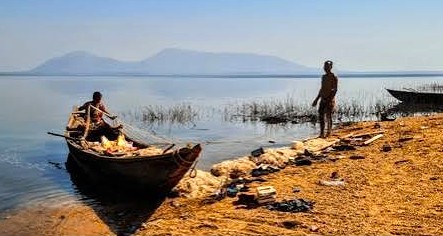
Etymology of the Great Stream: Mahanadi River India
The name Mahanadi is a combination of the words 'Maha', meaning great, and 'Nadi', meaning river, reflecting its status as the largest water system in the region. Local oral traditions identify the river as the Chitrotpala during the age of the sages. The precise location of its source is within the dense forests of the Dandakaranya region. In ancient texts, it was also referred to as the Nilotpala, signifying the blue lotus that supposedly bloomed in its clear mountain reaches. The river's identity is tied to the monsoon cycles that transform it from a narrow stream into a massive expanse of water that dominates the landscape of eastern India for several months each year.
Pathways of the Silt Flow
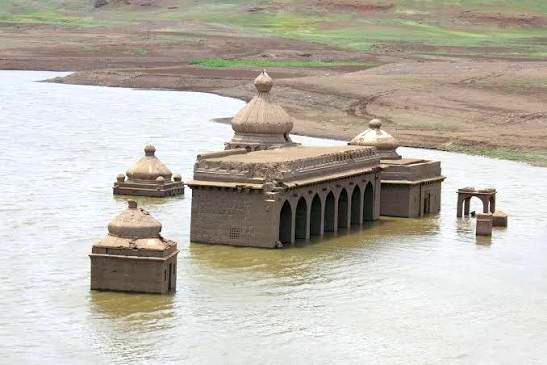
The river flows eastward from its source, cutting through the rugged terrain of the Chhattisgarh plains. It enters the state of Odisha near the town of Jharsuguda and continues its journey through the Sambalpur district. The river then carves a deep gorge through the Eastern Ghats at Satkosia, providing a unique ecological corridor. The precise locations of its major confluences, such as where the Tel River joins it at Sonepur, are critical for the local agricultural cycles. As the river approaches the coast, it bifurcates into numerous distributaries like the Kathajodi and Devi, creating a vast delta that spans over 9,000 square kilometers before reaching the salt marshes of the Bay of Bengal.
Primal Echoes of Ancient Tribes
Before recorded history, the region surrounding the upper Mahanadi was inhabited by the Asura and Sabar people around 4000 BCE. Local oral traditions identify the character Shringi Rishi as a central figure, a sage whose penance supposedly called the river down to earth. During the Neolithic period, approximately 3000 BCE, the banks featured microlithic tools and evidence of early rice cultivation. These early inhabitants practiced rudimentary irrigation and worshipped the spirits of the forest and the water. The river was seen as a divine entity that provided both life and a path for migration. Excavations reveal that these prehistoric communities traded forest produce and iron ore with neighboring groups, establishing the earliest economic networks in the plateau. Mahanadi River India
Engineering the Great Stone Wall
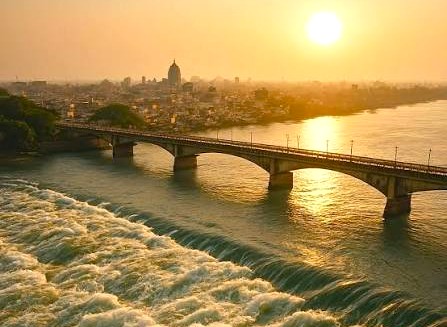
The construction of the Hirakud Dam stands as a primary engineering milestone, completed in 1957. This dam is the longest earthen dam in the world, stretching over 25 kilometers. The structure was designed to control the devastating floods that historically plagued the delta and to provide hydroelectric power. Earlier, in 1868, the British constructed the Naraj weir to manage the flow into the Kathajodi branch. These construction dates mark the transition from a wild, unpredictable river to a regulated hydraulic system. The dams ensured that the river could support a larger sedentary population by providing water for irrigation during the dry months between March and June, transforming the agrarian economy of the entire state.
Census of the Riverine Plains
The population of the Mahanadi basin has seen a steady increase over the centuries. In the 12th century, the region surrounding the delta supported an estimated 250,000 people. By 1951, the population of the districts along the river reached 12 million. Today, the urban centers such as Cuttack and Sambalpur house millions of residents. The river provides the daily water requirements for these expanding metropolitan areas. Statistics from 2021 indicate that the river basin supports over 35 million people. The density of the population along the banks is a direct result of the river's capacity to provide a reliable food supply and industrial cooling water. This demographic concentration has led to the development of complex administrative systems to manage water rights.
Flavors of the Alluvial Harvest
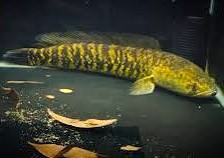
Food traditions are centered on the river's ability to produce high-quality rice and freshwater fish, specifically the Mahanadi Rohu. A staple is the 'Arisa Pitha', a sweet rice cake made with jaggery and sun-dried grain. In the 1800s, annual rice production in the delta exceeded 1 million tons. Traditional preparations involve slow-cooking fish with mustard paste and local greens grown in the river silt. During major festivals, quantities of up to 6,000 kilograms of food are prepared in temple kitchens to feed the poor. Daily meals for commoners consist of fermented rice, lentils, and fried river fish. These food traditions are dictated by the river's seasonal fluctuations, with specific harvests occurring in the months of January and October.
Rhythms of the Coastal Festivals
The Bali Jatra is the most significant celebration, occurring in November on the banks of the river at Cuttack. This festival commemorates the ancient maritime glory and the departure of traders for the islands of Bali and Sumatra. Another key event is the Chaitra Jatra, celebrated in April, where thousands gather to offer the first fruits of the harvest to the river. During these times, the river banks are transformed into massive marketplaces with folk music and traditional dances. Cultural performances include the 'Odissi' dance, which often depicts the river as a nurturing mother. These celebrations are timed with the lunar calendar, ensuring communal participation. The scale of these events requires months of preparation by local guilds. Mahanadi River India
Conflicts on the Riverine Sands
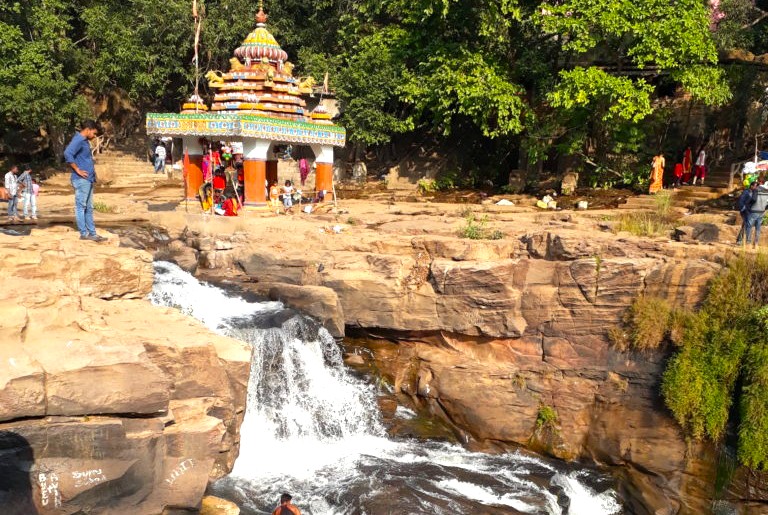
Battle chronicles record the river as a strategic boundary for regional powers. In 1568 CE, the Battle of Gohiratikiri occurred near the river's edge, where the forces of the Bengal Sultanate defeated the last independent king of Odisha. Earlier, in the 14th century, the Ganga Dynasty used the river's deep gorges to launch a defense against invading northern armies. Control over the river's fords and strategic islands like Dhabaleswar was essential for military dominance. These conflicts often resulted in the fortification of the riverbanks. The outcomes of these battles determined the political map of eastern India for centuries. The river has witnessed the passage of countless armies, each seeking to control the wealth of its fertile delta and trade routes.
Vessels of the Diamond Route
Trade routes followed the river's course, connecting the diamond mines of Sambalpur to the maritime ports of the coast. From 100 CE, commodities like timber, silk, and precious stones were transported on large wooden boats called 'Boitas'. The river acted as a conduit for goods destined for Southeast Asia and the Roman Empire. Ports at the river mouth, such as Chandbali, were hubs of global commerce where European traders exchanged silver for Indian spices and textiles. These trade routes facilitated the movement of scholars and monks, spreading the philosophy of the region across the seas. The river provided an efficient means of transport for heavy goods that could not be easily moved across the plateau, supporting a wealthy merchant class.
Potions of the Riverine Woods
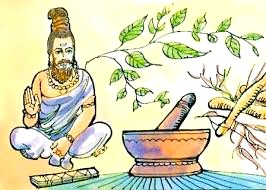
Medicines used by local practitioners are derived from the unique vegetation found in the Mahanadi basin. Species like 'Sarpagandha' and 'Amla' are harvested from the riverine forests to treat various ailments. During the 17th century, the local rulers established gardens that integrated Islamic and Indian medical knowledge. The regions near the river banks are known for herbs used to treat fever and skin infections common in the humid climate. Royal families employed physicians who prepared specialized tonics from river minerals and rare forest seeds. These remedies were documented in old manuscripts that are still consulted by traditional healers. The river water is often used as a purifying agent in the preparation of these ancient cures to ensure their efficacy.
Decline of the Agrarian Dynasty
The decline of the traditional hydraulic sovereignty of the Mahanadi basin began in the late 19th century as centralized colonial administration and large-scale industrial dams replaced the local community management of the water. By 1900, the traditional 'Pani-Panchayat' or village water councils started to lose their influence. The river's flow was increasingly diverted for heavy industry and the growing needs of mining centers in the upper basin. This shift in priority caused the degradation of the river's natural silt flow and increased the salinity of the coastal delta lands. As the old royal and local lineages lost their influence to centralized bureaucracies, the spiritual and communal bond with the river was replaced by economic competition for water shares among different industrial sectors. Mahanadi River India
Step Inside The Story - View All Tour Itineraries & Details

We’re here to offer genuine, thoughtful guidance if your interested in travelling to India. As a small, dedicated team, we pay close attention to every detail so you can focus on enjoying the experience while we take care of the planning. We believe the best trips begin when someone truly listens to what you want and how you like to travel, so the journey feels right for you and contributes to a happy, positive group on tour. Our communication stays clear, straightforward, and respectful at every step, with the goal of helping you feel understood, supported, and confident from first contact to the end of your journey.
Click Catherine Frith - About The Founder
Click Discover Life Travel - All Tours and More
Click Why We Are Different - Unique, Safe, Transparent