A Unique Look Into Indian History
Lohara Dynasty: Kashmir
Discover Life Travel
Valley Landscapes Before Lohara Rule
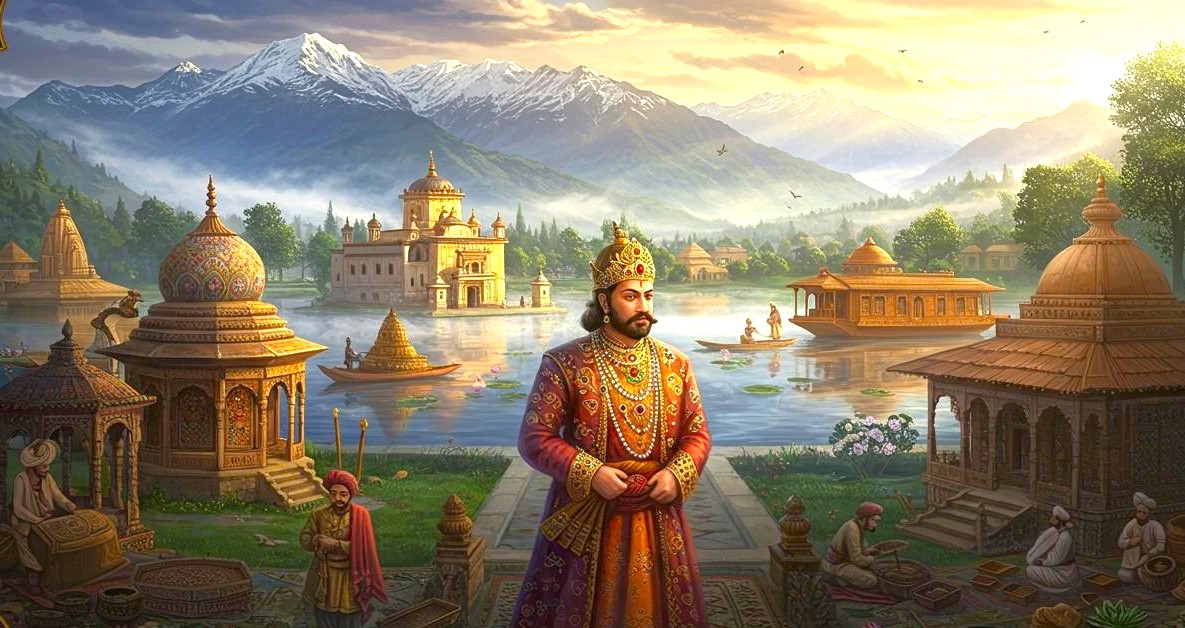
Long before the Lohara Dynasty came to the throne, the valley had already seen powerful houses like the Karkotas and the Utpalas. Terraced fields along the Jhelum and its canals, temple towns, Buddhist sites and Shaiva hermitages formed a dense cultural map, characteristic of medieval Kashmiri agrarian and sacred landscapes. Land was managed by village communities, temple and monastic estates, and royal officials. Trade routes connected the valley with Central Asia, the Punjab and the Gangetic plains, maintaining Kashmir’s role as a mountain crossroads for goods and ideas. Into this sophisticated but politically unstable world the Loharas rose. Lohara Dynasty Kashmir
Lohara Dynasty Kashmir: Founding Of Lohara Power
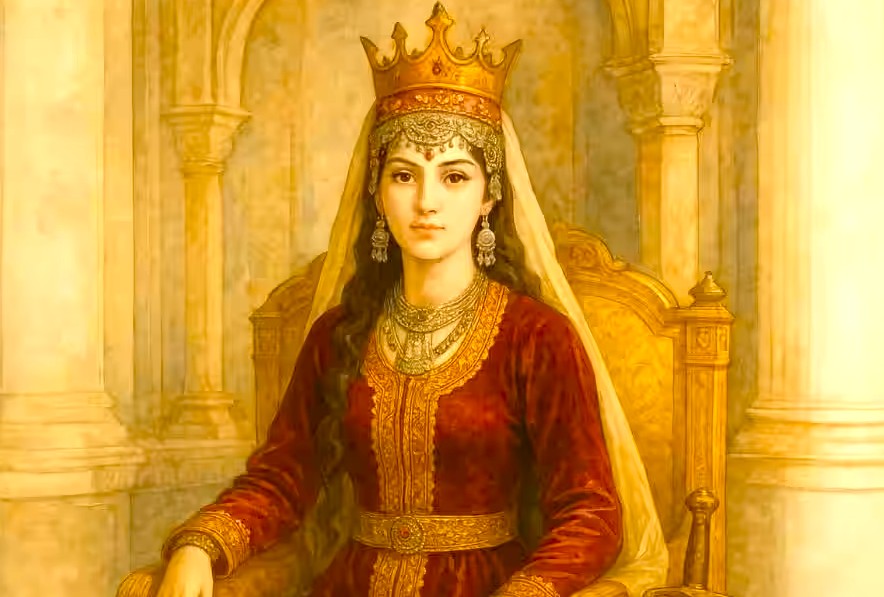
The origin story of the Lohara Dynasty begins in the hill region of Loharin (in today’s Pir Panjal area), where a line of chiefs gained prominence and intermarried with Kashmir’s ruling families. A Lohara prince married Didda, a powerful queen of Kashmir; after ruling as queen and regent, she maneuvered to place her Lohara kin on the throne in the late 10th - early 11th century. This marked a transition from Utpala successors to a new Lohara house ruling from Srinagar. For several generations, kings from this clan tried to hold together a realm beset by internal factions, frontier threats and religious currents that were gradually shifting.
Dawn Routines In The Lohara Court
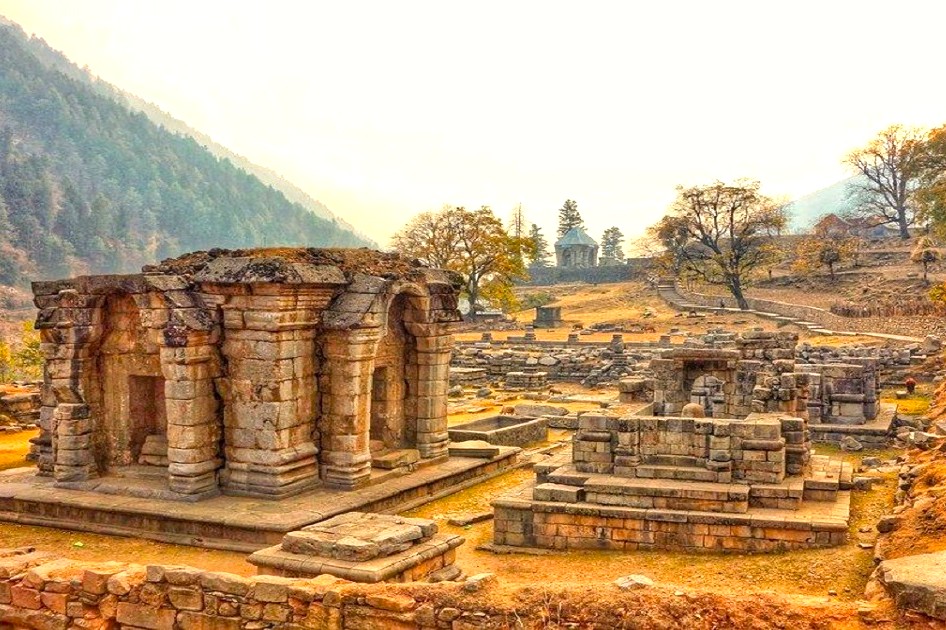
Daily life combined old Kashmiri court ritual with the anxieties of a troubled age. At sunrise, the king bathed - often in water drawn from palace tanks or the Jhelum - received sandal and ash markings, then worshiped Shiva, Vishnu or family deities in private shrines, reflecting continuity of Brahmanical ritual and Kashmiri Shaiva devotion. Queens managed the inner palace, jewelry, grain, textiles and temple grants; some, following Didda’s formidable precedent, also wielded sharp political influence. Princes studied Sanskrit, court etiquette and weapons; scribes presented petitions and revenues. Amid poetry recitals and music, there was a constant undercurrent of intrigue, typical of late medieval Kashmiri royal households under strain. Lohara Dynasty Kashmir
Village Society Under Changing Kings
Outside court circles, most people lived steady lives in Lohara‑era Kashmiri villages. Rice paddies, barley fields, saffron plots and orchards of apples and walnuts lined the valley floor and lower slopes, fed by irrigation channels and springs. Families tended cattle, sheep and goats; women carried water, worked fields, spun yarn and wove cloth. Artisans made copper vessels, wood carvings and shawl‑like textiles, supporting village craft economies tied to Srinagar’s markets. Local headmen, Brahmin landholders and religious institutions oversaw irrigation schedules and dispute resolution. While dynasties rose and fell, these village structures provided continuity, showing how everyday Kashmiri life outlasted courtly instability.
Palace Kitchens, Valley Produce And Feast Days
Within Lohara palaces, kitchens drew on the valley’s famous produce, continuing Kashmiri courtly food traditions. Rice, greens (haak), lotus stem, turnips, radish, dairy and fish from rivers formed staples, flavored with fennel, dry ginger, asafoetida and other local spices. Meat dishes for elites, especially mutton and some game, mirrored older patterns of Kashmiri high cuisine. On major festivals and royal ceremonies, extra cauldrons were lit; food and alms were distributed at temples and ghats, preserving royal anna‑dana and hospitality practices. Even in periods of fiscal strain, public feasts and targeted charity remained tools to signal that the king still upheld dharma. Lohara Dynasty Kashmir
Law, Land Grants And Local Justice
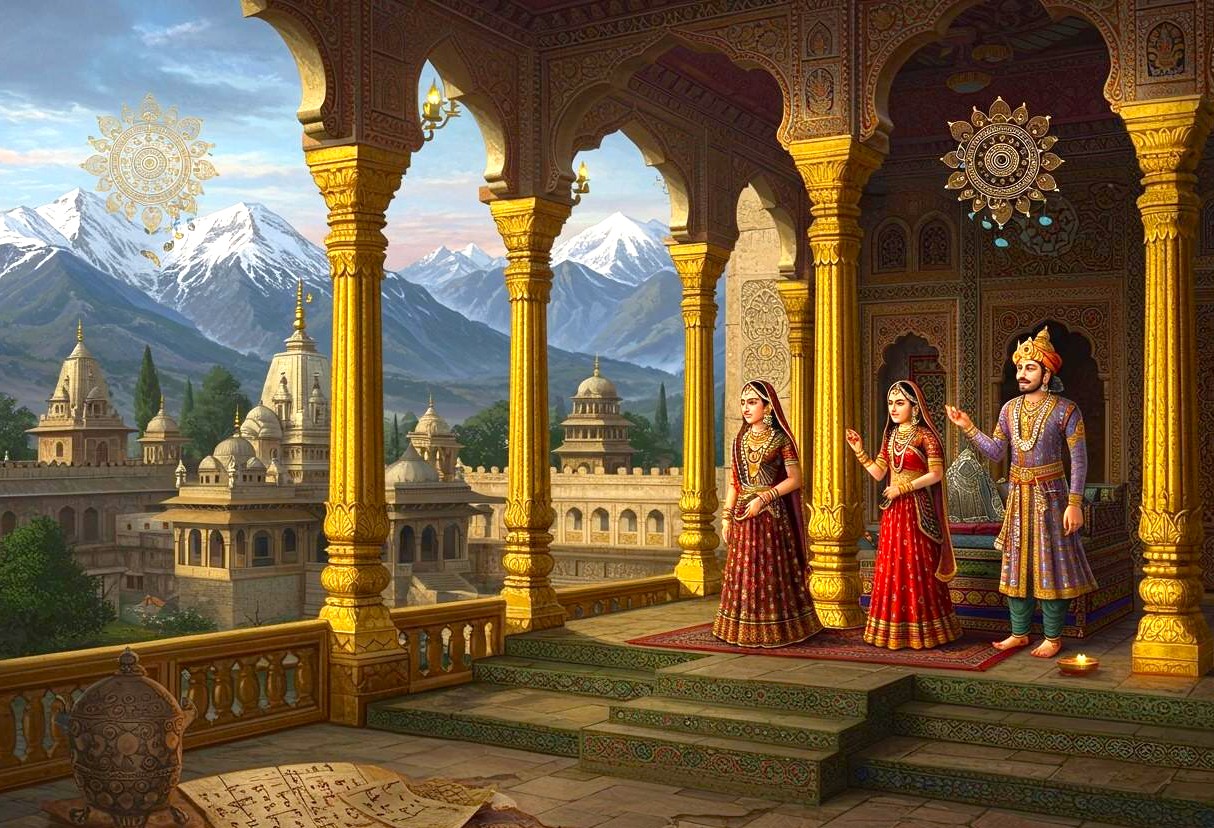
Law under Lohara kings of Kashmir rested on dharmashastra norms, earlier precedents and the realities of factional politics. Copperplate and stone grants show kings confirming or gifting villages, fields and tax rights to Brahmins, temples and monasteries, reflecting continuation of land‑grant legal culture in Kashmir. Village disputes over water, land and inheritance were often settled by local assemblies with Brahmin advice. More serious cases of treason, rebellion or gross misconduct were handled at court, with punishments ranging from fines and confiscation to exile or harsher penalties. In practice, who was punished or forgiven frequently depended on court alliances, making justice a blend of ideal dharma and hard politics.
Temples, Maths And Shifting Religious Currents
Religious life in Lohara‑ruled Kashmir remained rich but was subtly changing. Temples to Shiva, Vishnu and local deities continued to anchor communities; older grand structures from Karkota and Utpala times still dominated the ritual landscape even when damaged or neglected. Maths, Brahmin lineages and early Shaiva philosophical traditions persisted, though intense royal building slowed compared to previous “golden ages”. Meanwhile, contacts with Islamic polities to the west and in the plains increased, and Muslim traders and scholars slowly became more visible in and around the valley, setting the stage for later transformations. The Loharas thus presided over a transitional religious landscape, still strongly Shaiva–Brahmanical but increasingly entangled with new currents.
Festivals, Pilgrimages And Valley Sacred Geography
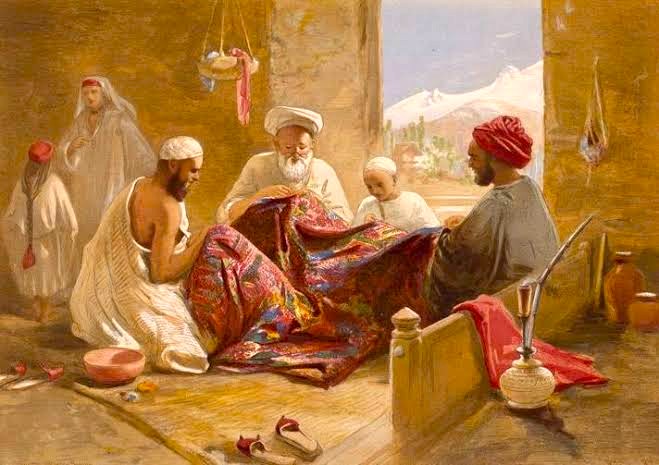
Festivals continued to mark time in Lohara Kashmir much as before. Shivaratri, solar and lunar observances, harvest rites and local goddess festivals drew villagers, merchants and nobles to temples and sacred springs. Pilgrimages to tirthas such as Amarnath, Jyeshtheshvara and numerous nag (spring) shrines reaffirmed a distinct Kashmiri sacred geography tied to mountains, lakes and rivers. Processions with images, lamps and music traversed Srinagar’s lanes and riverfronts, while rural fairs combined ritual, markets and entertainment. Even as political power wavered, this rhythm of festivals and yatras helped hold together a sense of shared Kashmiri identity across classes and factions. Lohara Dynasty Kashmir
Court Scholars, Poets And Intellectual Life
Although not as famed as earlier Karkota courts, Lohara courts still hosted Sanskrit scholars, poets and religious teachers. Commentaries on older works, theological treatises and historical recollections continued to be composed, sustaining Kashmir’s reputation as a learned region. Poets and chroniclers navigated a more precarious patronage environment, shaping their praise carefully to appeal to unstable kings. Monastic and Brahmin scholastic centers outside the court also remained active, contributing to the survival of Kashmiri Shaiva and other intellectual traditions into the late medieval period. In this environment, memory of earlier dynasties was kept alive even as new events unfolded.
Campaigns, Frontier Defense And Internal Revolts
The military story of the Loharas is one of struggling to hold a vulnerable mountain kingdom amid internal and external pressures. They contended with ambitious local feudatories, tribal incursions from surrounding highlands and interventions from powerful neighbors in the Punjab and beyond. Forts guarding passes, bridges and river crossings were crucial, as were seasonal campaigns to quell rebellions or assert tax claims. Limited resources and factionalism made sustained expansion difficult; instead, the dynasty focused on defensive warfare and reactive policing of troubled districts. These strains weakened central authority and opened doors for later changes in sovereignty.
Marriage Alliances And Queens’ Political Weight
Dynastic marriages remained essential for Lohara alliance‑building, both within regional hill networks and with lowland powers. Queens from influential families brought connections that could momentarily stabilize or further complicate court politics. Following the formidable example of Queen Didda, later royal women sometimes acted as regents, king‑makers or prominent patrons of temples and charities, underscoring the significant, if often contested, political role of women in late medieval Kashmiri royalty. Through dowries, grants and ritual sponsorship, they also shaped landholding patterns and religious life. Lohara Dynasty Kashmir
Healers, Springs And Sacred Cures
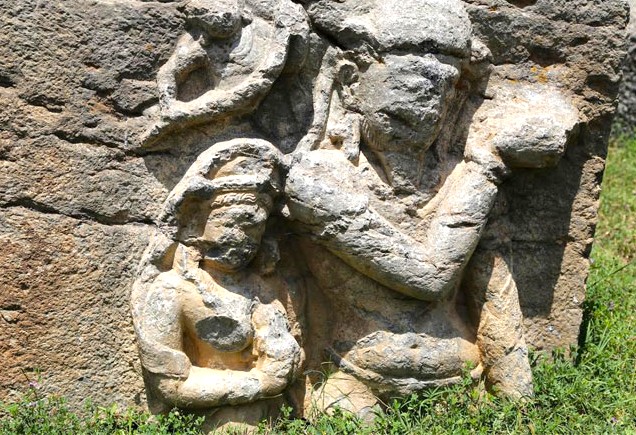
Health in Lohara Kashmir drew on Ayurveda, folk medicine and the valley’s celebrated waters. Vaidyas prescribed herbal preparations using local plants for respiratory, joint and digestive issues common in a cool, damp climate. Sacred springs and nag shrines were visited for bathing and vows seeking cures; temples hosted dharmashalas where the sick could rest, reflecting the intertwining of medical and religious healing. During famines or epidemics, royal and religious leaders responded with a mix of alms, ritual appeasement and practical measures like grain distribution, though limited resources often constrained success.
Canals, Dykes And Valley Irrigation
Water management remained fundamental to Lohara‑era agriculture. Existing canals and embankments that channeled river and spring flows into paddy fields required constant upkeep; village communities and estate managers coordinated cleaning and repair. Some kings attempted new works or restorations, presenting themselves as upholders of the hydraulic systems inherited from earlier dynasties. Success in maintaining these networks meant food security and revenue; neglect or conflict‑driven damage could trigger shortages and unrest. As central authority weakened, more responsibility for water management devolved to local actors, further eroding royal influence. Lohara Dynasty Kashmir
Succession Struggles, New Regimes And Enduring Memory
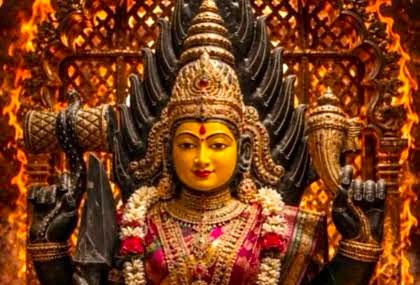
Over time, repeated succession crises, noble rebellions and the attraction of outside intervention eroded Lohara control. By the 14th century, new Muslim rulers and local strongmen increasingly shaped Kashmiri politics, leading eventually to the establishment of a Sultanate. The Lohara line faded from power, but not from memory. Chronicles like the Rajatarangini preserved their names and deeds, often critically, situating them between earlier “golden age” dynasties and later rulers. Temples, land grants and placenames linked to their reign continued to structure social and religious life. In this way, the Lohara Dynasty remains a key transitional bridge in Kashmiri history, marking the complex passage from classical Hindu‑Brahmanical polities to the valley’s subsequent Islamic sultanates while carrying forward much of Kashmir’s older cultural fabric.
Step Inside The Story - View All Tour Itineraries & Details

We’re here to offer genuine, thoughtful guidance if your interested in travelling to India. As a small, dedicated team, we pay close attention to every detail so you can focus on enjoying the experience while we take care of the planning. We believe the best trips begin when someone truly listens to what you want and how you like to travel, so the journey feels right for you and contributes to a happy, positive group on tour. Our communication stays clear, straightforward, and respectful at every step, with the goal of helping you feel understood, supported, and confident from first contact to the end of your journey.
Click Catherine Frith - About The Founder
Click Discover Life Travel - All Tours and More
Click Why We Are Different - Unique, Safe, Transparent