A Unique Look Into Indian History
Lodhi Dynasty: Lodhipur - North India
Discover Life Travel
Life Around Lodhipur Before Rule
Long before the Lodhi Dynasty emerged, the riverine plains near today’s Uttar Pradesh - Madhya Pradesh border were dotted with mud forts, ferry ghats and shrine-marked groves. Archaeologists find terracotta toys, iron arrowheads, querns and beads consistent with early north Indian Gangetic plain settlements near Lodhipur and medieval Indo-Gangetic caravan and river trade routes. Faded Nagari and Persian inscriptions mention petty chieftains, grain levies and mosque - temple grants. Village songs recall the Sagar and Bhairav clans guarding ferries and fields. This pre-dynastic Gangetic clan society formed the living web that Lodhi rulers would later bind into a kingdom. Lodhi Dynasty Lodhipur North India
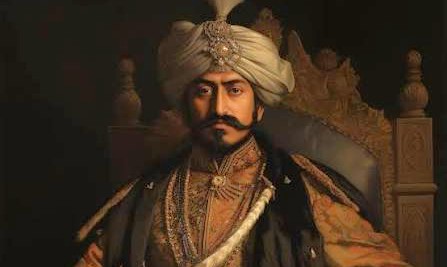
Lodhi Dynasty Lodhipur North India: Shamsher’s Coup And Lodhipur’s Founding
The origin story of the Lodhi centers on Shamsher, a battle-hardened commander serving a fading regional lord at Lodhipur. In 1068 CE, humiliated and denied reward, he turned resentment into strategy. One stormy night, with his astute queen Zeenat and sons Ala and Afsar, he led loyal troops through side-gates, seized the armory and granaries, and confined his patron. Chronicles describe this as a Gangetic river-fort coup establishing a regional Indo-Afghan style dynasty. By dawn, Lodhi standards commanded fields, ghats and caravan stations across a widening belt of the northern plains.
Daily Life Inside The Lodhi Citadel
Court routine under the Lodhi royal family at Lodhipur fused Persianate and Indic practices, typical of Indo-Islamic sultanate court life in medieval north India. Before sunrise, muezzins called for Fajr prayer from the fort mosque while lamps burned in palace shrines. The sultan bathed, donned robes and armor, then heard petitions with qadis and Hindu officials. Queen Zeenat managed harem, charities and festival offerings, reflecting royal women’s influence in Indo-Islamic courts and waqf-style endowments. Princes learned archery, Persian, Arabic, Indian languages and governance; princesses studied music, poetry, diplomacy and estate oversight, embodying elite education patterns in mixed-culture sultanate households. Lodhi Dynasty Lodhipur North India
Village Society On The River Plains
Beyond the walls, most subjects lived in Lodhi-era rural communities of the north Indian Gangetic plains. At dawn, farmers led bullocks to rice, wheat and pulse fields sustained by seasonal floods and canals. Women collected water, spun cotton and bartered in small bazaars. Potters, blacksmiths and carpenters kept tools and transport working, underpinning traditional north Indian agrarian and craft economies under sultanate rule. Hindus and Muslims shared wells, markets and oral epics, even when worship diverged. Village elders convened panchayats to resolve quarrels, preserving local customary law and self-governance alongside Lodhi administrative structures that skimmed tax and loyalty from this busy countryside.
Royal Kitchens, Langars And Banquets
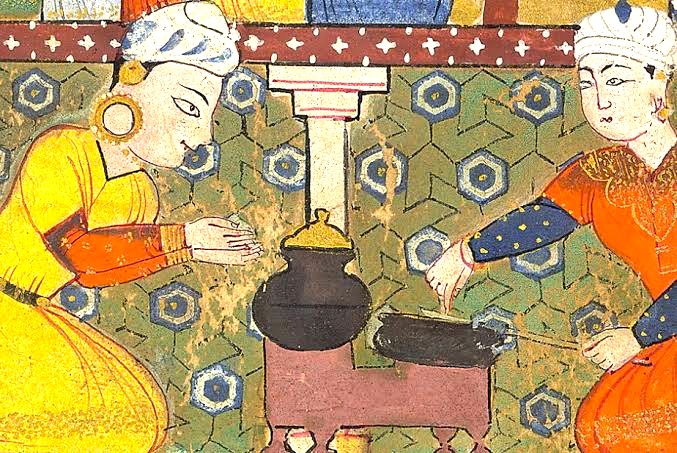
Within Lodhipur’s walls, palace kitchens and attached langars revealed Indo-Islamic royal cuisine and mass-feeding traditions in north India. Before sunrise, fires roared under huge copper cauldrons boiling rice, wheat, lentils and meat. Cooks ground cumin, coriander, cloves, cinnamon, pepper and saffron into fragrant blends. Gardeners delivered melons, gourds, herbs and greens; hunters brought deer and fowl; fishermen supplied river fish. On Fridays and festivals, free meals flowed from palace and mosque kitchens as Lodhi sultans used charity feasts and public banquets to display justice and generosity. Food linked court, ulema, merchants and villagers in shared, spiced sustenance.
Courts, Qadis And Public Punishments
Law in Lodhi-ruled territories of the Indo-Gangetic belt combined sharia, local custom and royal discretion, forming hybrid sultanate legal systems in medieval north India. Qadis adjudicated family, contract and religious matters using Islamic jurisprudence, while village councils applied dharmashastra-influenced customary rules for land and water. A farmer caught diverting canal water might lose rights or serve on repair crews. Market cheats risked flogging, fines and license loss, matching historical north Indian bazaar regulations and public punishment practices. Highway robbers sometimes faced execution at city gates. Yet elders and Sufi shaikhs often advocated clemency, illustrating negotiated justice between text, ruler and community. Lodhi Dynasty Lodhipur North India
Mosques, Temples And Sacred Shrines
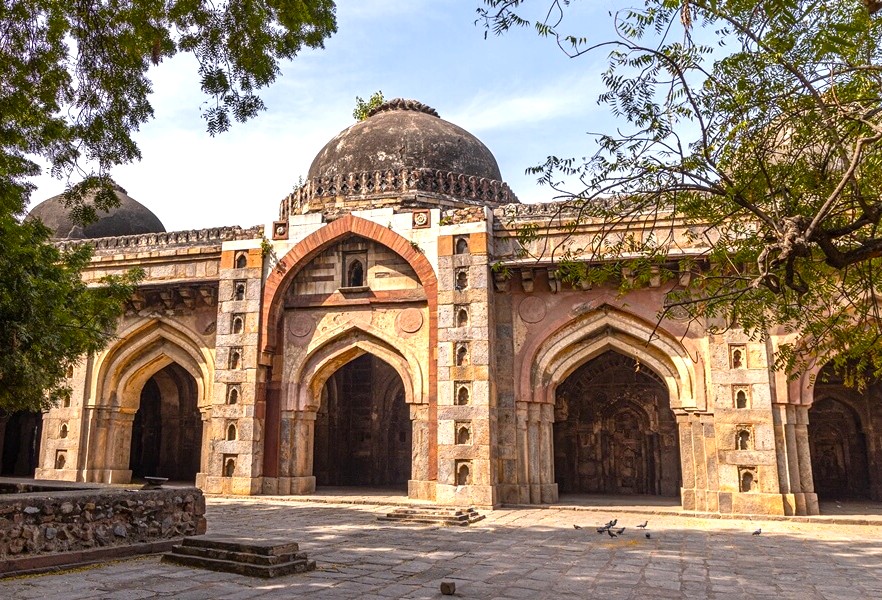
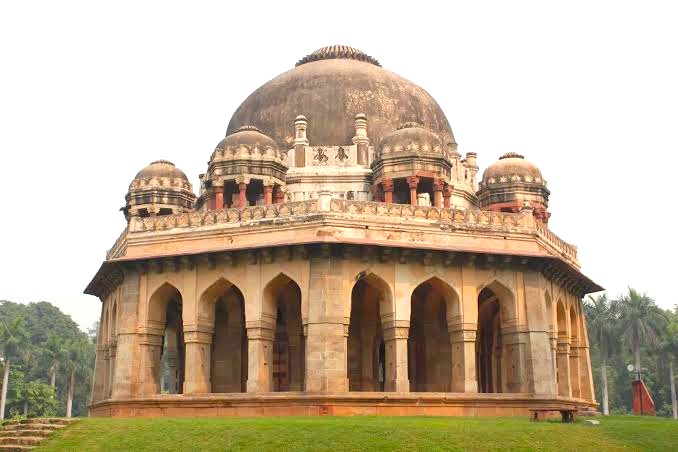
Religion under Lodhi rule unfolded across a landscape of mosques, temples and dargahs that typify Indo-Islamic religious coexistence in medieval north India. Lodhipur’s Friday mosque anchored Muslim life with calls to prayer, sermons and festivals, while inland temples continued Hindu rituals to Shiva, Vishnu and village goddesses. Sufi shrines attracted both faiths, offering shared pilgrimage and vow practices at north Indian dargahs. Rain rites, harvest pujas and Urs celebrations coexisted on the calendar. Lodhi patronage of mosques, madrasas and sometimes temples revealed pragmatic religious policy blending piety, legitimacy and social management in a mixed-confession population.
Festivals, Urs And Market Fairs
Festivals under this house turned Lodhipur into a tapestry of north Indian Sufi Urs celebrations, Hindu temple festivals and rural fairs. At Urs, crowds circled dargahs with qawwali singers, lamps and food for all. On Hindu festival days, processions with deities, drums and conches wound through lanes lined with flags and rangoli. Grain markets, horse fairs and craft stalls thrived during these times, exemplifying medieval Indo-Gangetic mela culture combining trade, devotion and entertainment. Lodhi rulers often appeared in processions or sponsored feeding and illumination, using public religious events as tools of soft power and community cohesion. Lodhi Dynasty Lodhipur North India
Durbars, Music And Courtly Arts
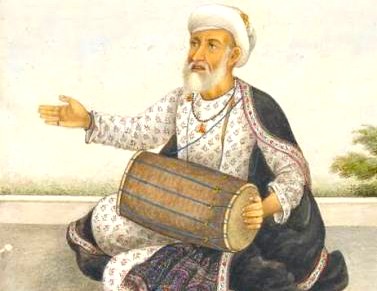
The Lodhi court at Lodhipur combined governance with an active arts scene, a hallmark of Indo-Islamic court culture in late medieval north India. Mornings brought petitions, tax debates and frontier news before the sultan and council. Later audiences featured poets reciting Persian ghazals and Hindavi verses, dancers performing kathak-like story-dances, and musicians playing sitar, rabab and drums. Chroniclers note Lodhi patronage of Persian literature, Hindavi song and miniature painting emerging in this milieu. These performances reinforced status hierarchies and alliances; which poet was rewarded or ignored sent signals, making court entertainment a subtle instrument of political communication.
Campaigns, Sieges And Shifting Frontiers
The military record of this line sits within north Indian sultanate warfare and Deccan frontier conflicts during the medieval period. Lodhi forces defended river crossings, trade corridors and strategic forts against Rajput clans, neighboring sultanates and occasional imperial pushes. Battles at fords and plains relied on armored cavalry, archers, war elephants and field artillery in later years, reflecting evolving Indo-Islamic battlefield tactics along the Gangetic plains. Some campaigns ended in territorial gains; others in costly stalemates. Strategic marriages, truces and allied expeditions showed the dynasty’s reliance on diplomacy and coalition-building to maintain a contested frontier realm.
Marriages, Zenana And Women’s Power
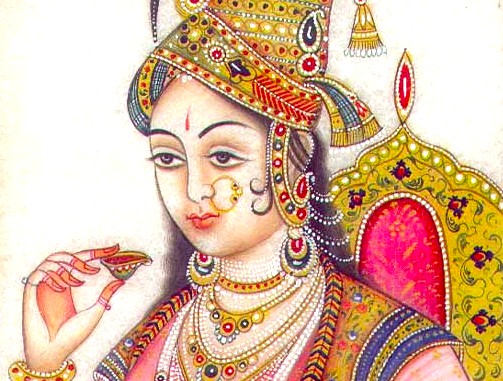
Dynastic weddings under this line demonstrate marriage diplomacy and elite women’s influence in Indo-Islamic north Indian courts. Princesses of Lodhipur wed into neighboring sultanates and Rajput houses, securing alliances; incoming brides brought dowries, cavalry or connections. Inside the zenana, senior women controlled stipends, staff, charitable giving and sometimes intelligence networks, anchoring royal women’s economic and political agency under medieval sultanates. In villages, both Muslim and Hindu women ran households, worked fields, spun cotton and oversaw rituals, forming the hidden backbone of gendered labor and family structures in Gangetic agrarian society that state power ultimately depended upon. Lodhi Dynasty Lodhipur North India
Magic, Artisans And Court Poets
Cultural life at Lodhi court featured Persianate literary patronage, Indo-Islamic art and popular performance traditions. Court magicians performed illusions and feats of agility; artisans crafted inlay work, tile, carved stone and metal, feeding medieval north Indian mosque and palace decorative arts. Poets blended Persian imagery with local landscapes in panegyrics; storytellers fused Indic tales with Islamic motifs. Musicians developed syncretic styles that would later inform Hindustani classical forms. Through stipends, land grants and honorary robes, Lodhi sultans used courtly patronage of poets, artists and entertainers to project refinement, piety and cultural hegemony beyond purely military achievements.
Burials, Funerals And Hero Commemorations
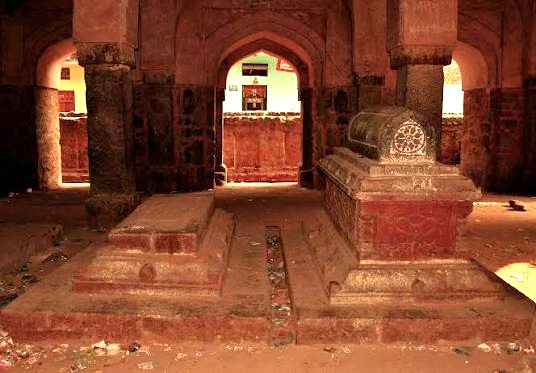
Funerary traditions in Lodhi regions reflect Islamic burial customs and continued Hindu cremation and hero-stone practices in medieval north India. Muslims were washed, shrouded and buried facing Mecca, with simple mounds or domed tombs for elites. Hindus continued cremation at ghats, immersing ashes in rivers. Some fallen warriors, especially in mixed-confession frontier zones, received commemorative stones or inscriptions, echoing viragallu-like memorials and Sufi warrior saint shrines in the Indo-Gangetic belt. Royal mausoleums and family cemeteries on the outskirts of Lodhipur held the dynasty’s dead, tying memory and legitimacy to visible, venerated sites in the surrounding landscape. Lodhi Dynasty Lodhipur North India
Physicians, Hakims And Village Healers
Health care under Lodhi rule drew on Unani medicine, Ayurveda and folk healing traditions in medieval north India. Court hakims examined pulse, urine, diet and temperament, prescribing regimens based on Greco-Arabic theory and local materia medica. Hindu vaidyas used classical Ayurvedic texts and regional herbs. Bonesetters, midwives and barbers provided practical services. Villagers combined herbal remedies with amulets, incantations and vows at shrines, illustrating syncretic healing practices across religious communities on the Gangetic plains. During epidemics, authorities sometimes backed quarantines, public cleansing and processions invoking divine aid, weaving medical pragmatism with spiritual responses to disease.
Canals, Wells And River Control
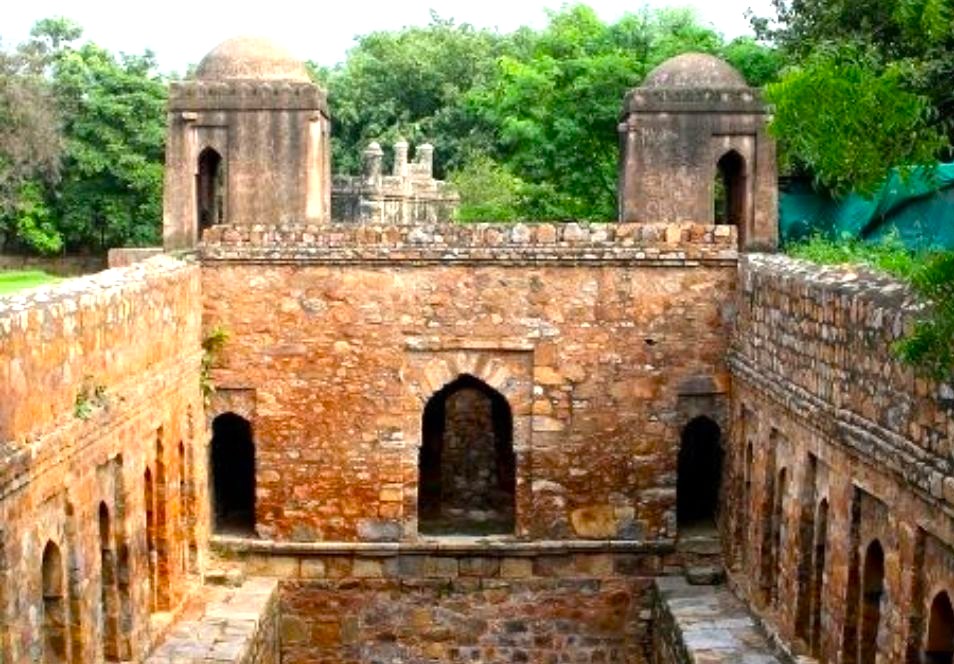
Water management in Lodhi domains was vital to Gangetic plain irrigation, canal networks and flood-control systems in medieval India. Embankments redirected floods; canals and distributaries carried river water to fields; masonry wells supplemented supplies in dry spells. Local communities maintained bunds and channels under state oversight, reflecting shared responsibility for irrigation infrastructure between sultanate officials and village bodies. In Lodhipur, ghats and stepwells provided ritual and practical access to water. Effective projects increased harvests and tax yields, while failures brought unrest, underscoring that control of rivers and canals was central to Lodhi economic and political stability. Lodhi Dynasty Lodhipur North India
Succession Crises And Changing Regimes
Over time, court factionalism, military reverses and changing trade patterns weakened Lodhi authority, fitting the pattern of late sultanate dynastic decline in north India. Ambitious governors and frontier commanders, sometimes tied to emerging imperial powers, challenged central control. Eventually, new regimes and expanding empires absorbed Lodhi territories, though local elites often retained influence. Despite political eclipse, the legacy of the Lodhi Dynasty in regional memory, architecture and Sufi–Rajput narratives persisted. Tombs, mosques, place names and ballads kept their presence alive, showing how dynasties end, but their traces continue in landscape, story and ritual long after banners fall.
Step Inside The Story - View All Tour Itineraries & Details

We’re here to offer genuine, thoughtful guidance if your interested in travelling to India. As a small, dedicated team, we pay close attention to every detail so you can focus on enjoying the experience while we take care of the planning. We believe the best trips begin when someone truly listens to what you want and how you like to travel, so the journey feels right for you and contributes to a happy, positive group on tour. Our communication stays clear, straightforward, and respectful at every step, with the goal of helping you feel understood, supported, and confident from first contact to the end of your journey.
Click Catherine Frith - About The Founder
Click Discover Life Travel - All Tours and More
Click Why We Are Different - Unique, Safe, Transparent