A Unique Look Into Indian History
Kumari Kandam: Tamil Nadu
Discover Life Travel
The Lost Land of Tamil Civilization
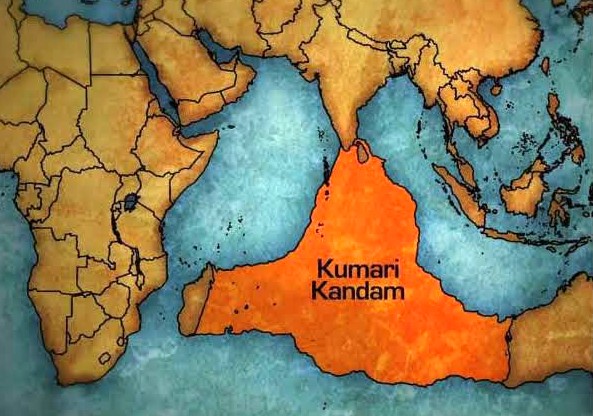
According to Tamil literary tradition, before recorded history, there existed a vast continent south of Kanyakumari (Cape Comorin), connected to present-day India. This was a primordial world of sprawling plains, towering mountain ranges, and two great rivers, the Kumari and the Pahruli. This was not a barren land, but a fertile cradle, the legendary homeland or lanka of the Tamil people. The geographical description of the lost continent Kumari Kandam, as found in ancient texts, paints a picture of a complete world, a terrestrial paradise that was the heartland of the earliest Dravidian peoples. Kumari Kandam Tamil Nadu
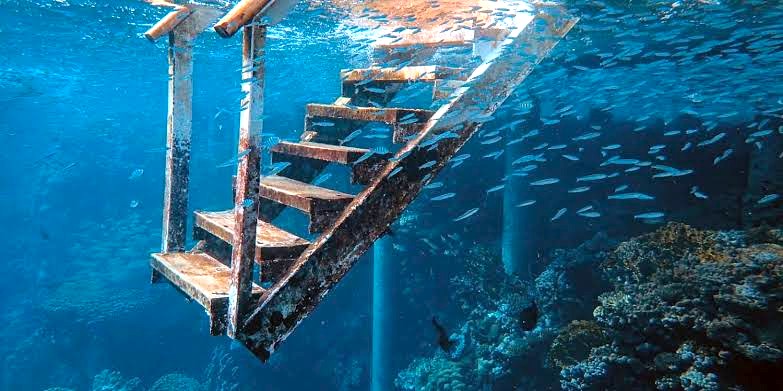
Kumari Kandam Tamil Nadu: Birthplace of the First Tamils
Kumari Kandam is revered as the birthplace of Tamil civilization, the "Thol Mudi" or the First People. It was here that the legendary First Pandyan Kingdom established its rule, with its capital at Thenmadurai (South Madurai). These kings were not just rulers but patrons who convened the First Tamil Sangam, or literary academy. The origin of Tamil language and culture in Kumari Kandam is a foundational belief, suggesting a civilization of immense antiquity and intellectual prowess, a golden age that predates all other known Indian civilizations and whose timeline stretches back into mythological epochs.
Kanyakumari: The Edge of a Vanished Continent
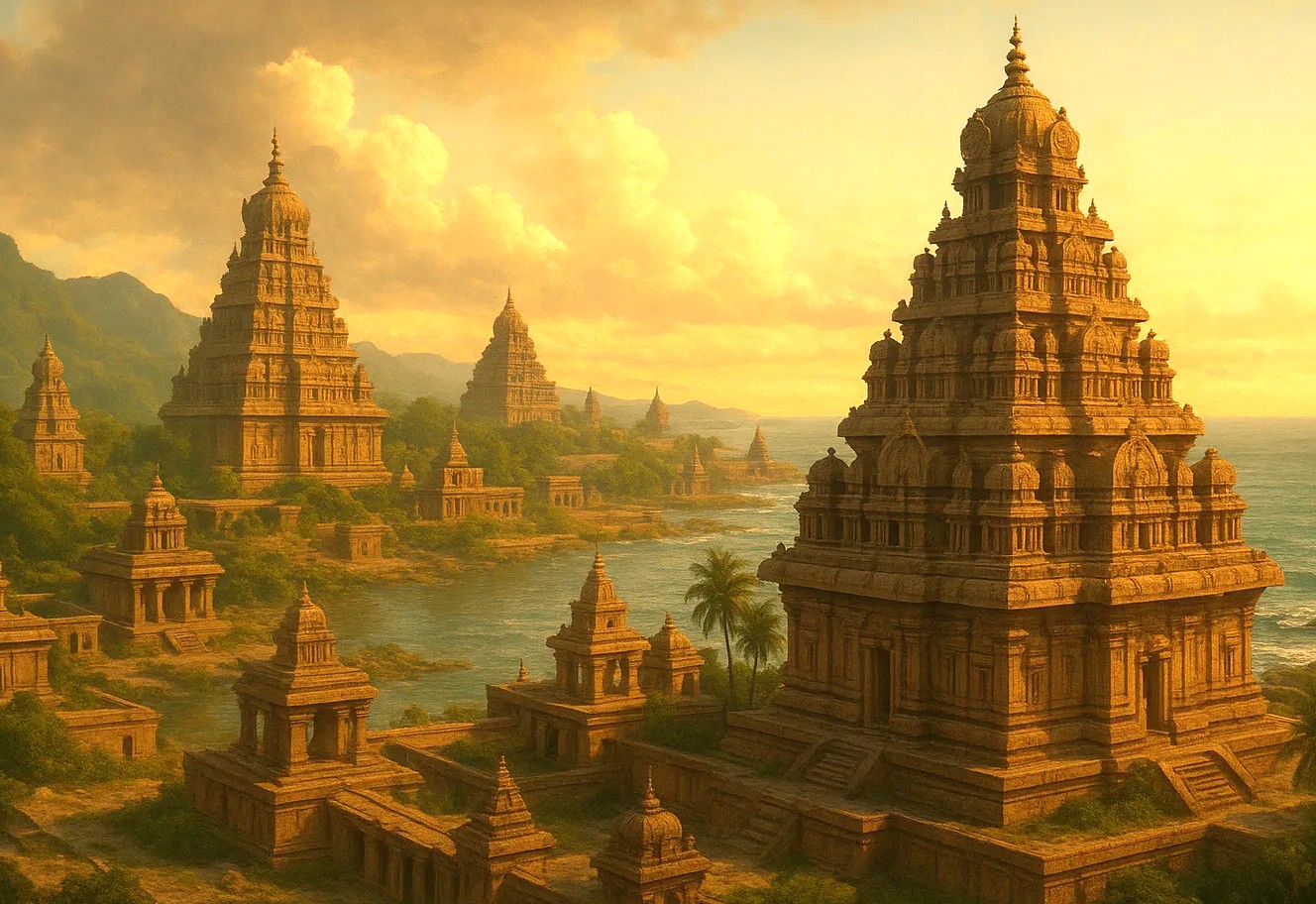
According to some Tamil literary and devotional sources, Kumari Kandam (also called Kumarinadu) was a vast continent or kingdom that once existed south of present-day Kanyakumari, submerged by the sea. The legend ties it to the lost Tamil Sangams (literary academies) - the idea being that early Sangams were held in a Tamil homeland that was later swallowed by rising seas, forcing migration northward to the current Tamil Nadu coast. Some versions place it as a vast continent stretching toward Madagascar or even connecting to a broader "Lemuria"-style landmass.
Court of the Pandyan Sea Lords
The life of a king in Thenmadurai was one of scholarly patronage and maritime supremacy. Mornings would have been spent presiding over the Sangam, listening to the recitation of epic poems and philosophical treatises by thousands of poets. Afternoons would be dedicated to overseeing a vast trading empire built on naval power. The governance of the First Pandyan kings of Kumari Kandam was that of enlightened sea lords, their authority rooted not just in military might but in their role as guardians and promoters of the Tamil language, the soul of their civilization. Kumari Kandam Tamil Nadu
A Society of Poets and Seafarers
Life in Kumari Kandam, as imagined through the lens of Sangam poetry, was one of high culture and prosperous trade. The society was highly literate, with poets and scholars holding esteemed positions. Coastal communities thrived on maritime commerce, their ships navigating the vast Indian Ocean. The social structure was sophisticated, with well-organized cities and a deep reverence for knowledge and the arts. The lifestyle of the ancient Tamil people on Kumari Kandam is depicted as an ideal, a harmonious society that had perfected language, governance, and trade long before the rest of the world.
Feasting on a Sunken World’s Bounty
The cuisine of Kumari Kandam would have been a rich celebration of tropical abundance. The great rivers and vast coastline would have provided a bounty of fish and seafood. The fertile plains would have yielded unique grains, fruits, and vegetables unknown to us today. The hypothetical diet of the lost Tamil civilization would have been diverse and sophisticated, using spices and cooking techniques that were the precursors to modern South Indian food. Royal feasts would have been legendary events, celebrating the prosperity of a land blessed by nature and the genius of its people. Kumari Kandam Tamil Nadu
Law Based on Divine Poetry
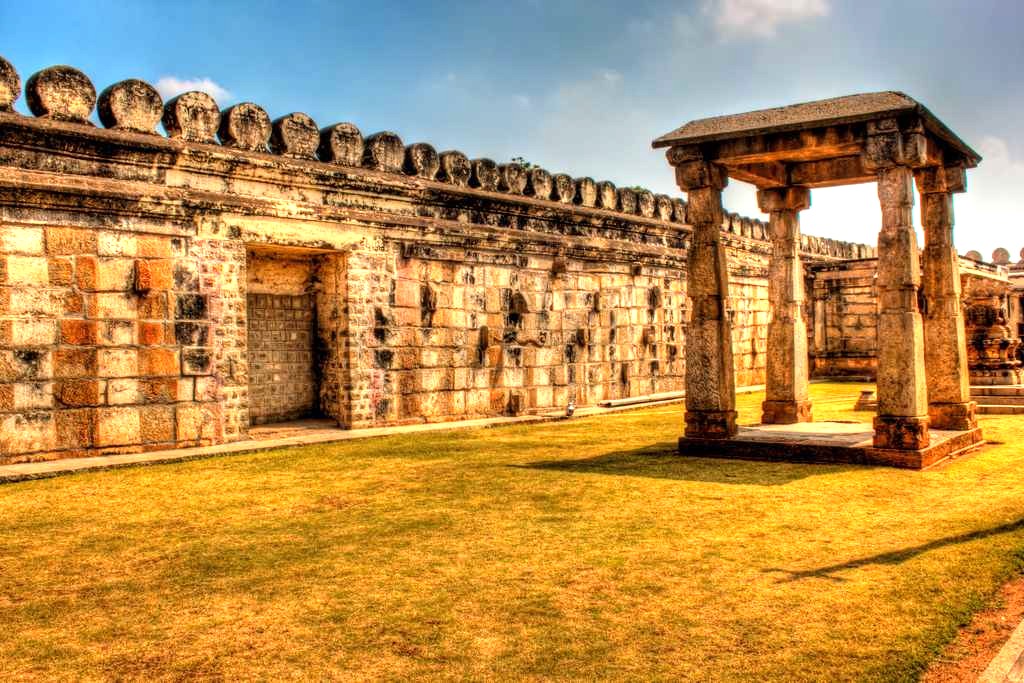
The law of Kumari Kandam was not merely a set of rules but the embodiment of Aram (righteousness or dharma), as articulated by the great poets of the First Sangam. The king was the fountainhead of justice, but his decisions were guided by the ethical wisdom contained in the epic poetry and philosophical texts of the academy. Justice was intertwined with literature, and the ethical principles of the first Tamil Sangam formed the legal and moral bedrock of society, creating a system where law was indistinguishable from poetic and divine truth.
Worship on a Drowned Continent
The spiritual life of Kumari Kandam's inhabitants would have centered on the worship of primordial Dravidian deities. Early forms of Shiva, Murugan as a hill god, and Kottravai, the goddess of victory, would have been revered. Their worship would have been deeply connected to the natural world - the sacred mountains, the life-giving rivers, and the powerful ocean. The religious beliefs of the Kumari Kandam civilization represent the ancient roots of modern Hinduism, a form of worship that was organic, nature-based, and distinctly southern in its character.
The Great Sangam Gathering
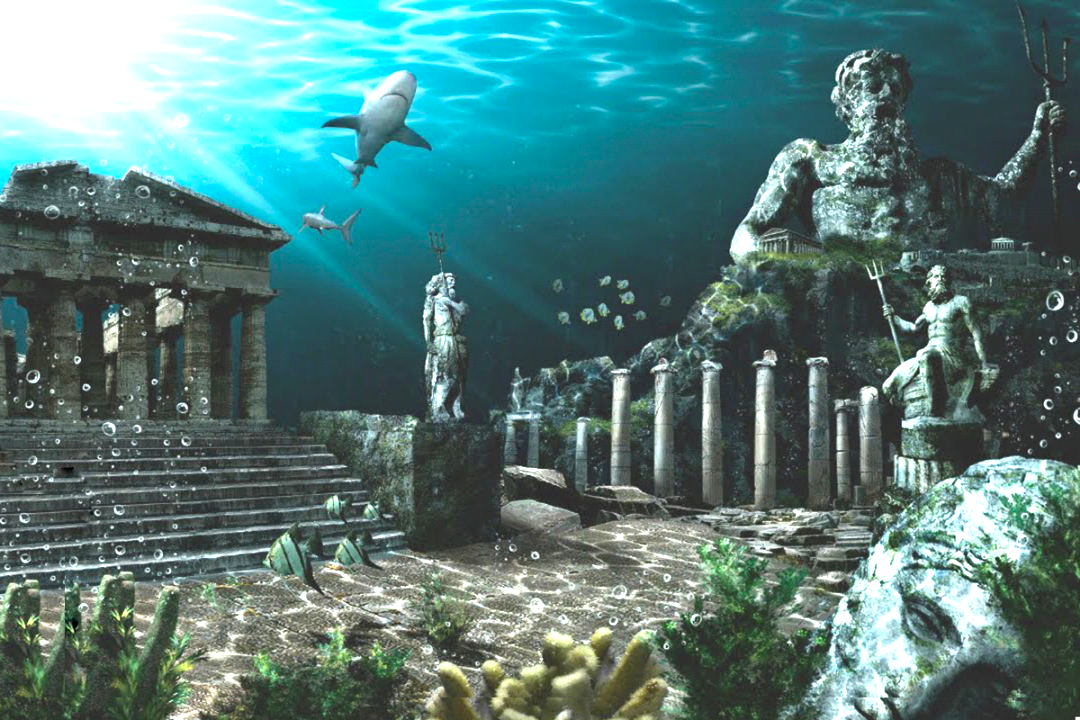
The greatest "festival" in Kumari Kandam was the continuous session of the First Tamil Sangam itself. This was not a yearly event but a permanent institution, a grand gathering of thousands of poets, scholars, and intellectuals under royal patronage. The role of the ancient Tamil literary academies (Sangams) was to set the standards for language, poetry, and grammar. The presentation of a new epic poem before this august body would have been a spectacular event, a celebration of intellectual achievement that was the highest form of cultural expression. Kumari Kandam Tamil Nadu
An Academy of Lost Epics
The court of the Pandyan kings was the Sangam. The entertainment was the sublime beauty of poetry. Imagine thousands of scholars debating grammar, and legendary poets like Agathiyar (Agastya) presenting their masterworks. The artistic and intellectual output was said to be immense, a library of countless epic poems and treatises on music, drama, and philosophy. The lost literature and knowledge of the Kumari Kandam Sangams represent a cultural catastrophe, a vast, unparalleled body of human knowledge, of which only fragments of grammar and mythology survive in later texts.
The Rage of the First Ocean
The resilience of Kumari Kandam was ultimately pitted against the raw power of the ocean itself. According to Tamil and Sanskrit sources, a great "Kadal Kol" (ocean devouring) occurred. A catastrophic deluge, possibly a series of mega-tsunamis or a dramatic rise in sea level following the last Ice Age, consumed the continent. The mythology of the great flood that destroyed Kumari Kandam is a powerful and tragic narrative of a civilization, despite its brilliance, being utterly erased by a cataclysmic natural disaster, a recurring theme in global deluge myths.
The Survivors’ Great Migration
The destruction of Kumari Kandam was not the end of the Tamil people. According to the legend, the Pandyan king, along with the surviving poets and a remnant of his populace, migrated northwards. They carried with them the memory of their lost world and the core principles of their language and culture. They established a new capital at Kapatapuram and convened the Second Sangam, beginning the long process of rebuilding their civilization in a new land. The migration of the Pandyan dynasty after the first deluge is a story of survival and cultural preservation against impossible odds. Kumari Kandam Tamil Nadu
An Art Swallowed by the Sea
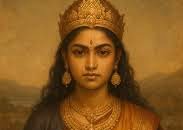
The artistic legacy of Kumari Kandam is one of profound and total loss. The magnificent cities, the grand palaces, and the towering temples described in literature all now lie beneath the waves. There are no ruins to excavate, no statues to admire. The only art that survived was the intangible - the rules of grammar, the poetic forms, and the oral traditions carried by the refugees. The archaeological and artistic evidence for Kumari Kandam remains unfound, its material culture a ghost, forever lost to the depths of the Indian Ocean.
A World’s Final, Watery Grave
The final ceremonies of Kumari Kandam were not for kings but for the land itself. The entire continent was given a burial at sea. For the millions who perished in the flood, there were no individual funeral rites, only a collective descent into a watery grave. The memory of this catastrophe, of a whole people and their world being consumed by the ocean, became the most powerful and tragic story of the Tamil civilization, a foundational trauma that shaped Tamil cultural identity and its deep connection to the land and the sea.
The Lost Science of a Lost Land
Proponents of the Kumari Kandam theory believe that the civilization possessed advanced knowledge of science, medicine, and astronomy, much of which was lost in the deluge. This includes the idea of advanced metallurgical skills, sophisticated urban planning, and a deep understanding of herbal medicine derived from a unique continental flora. The speculation on advanced ancient Tamil technology from Kumari Kandam fuels a narrative of a highly evolved civilization whose scientific achievements were tragically cut short and erased from the world's memory. Kumari Kandam Tamil Nadu
The Rivers Pahruli and Kumari
The two great rivers, the Pahruli and the Kumari, are central to the geography of the lost continent. They were the lifelines of the civilization, irrigating the fertile plains and making its agricultural prosperity possible. The significance of the lost Pahruli and Kumari rivers is immense; they are remembered in Tamil literature as the arteries of a golden age. Today, a small river in Kanyakumari district is named Kumari, a poignant, living link to the memory of its mighty, legendary namesake that now flows only in the landscape of myth.
A Second Deluge, A Final Retreat
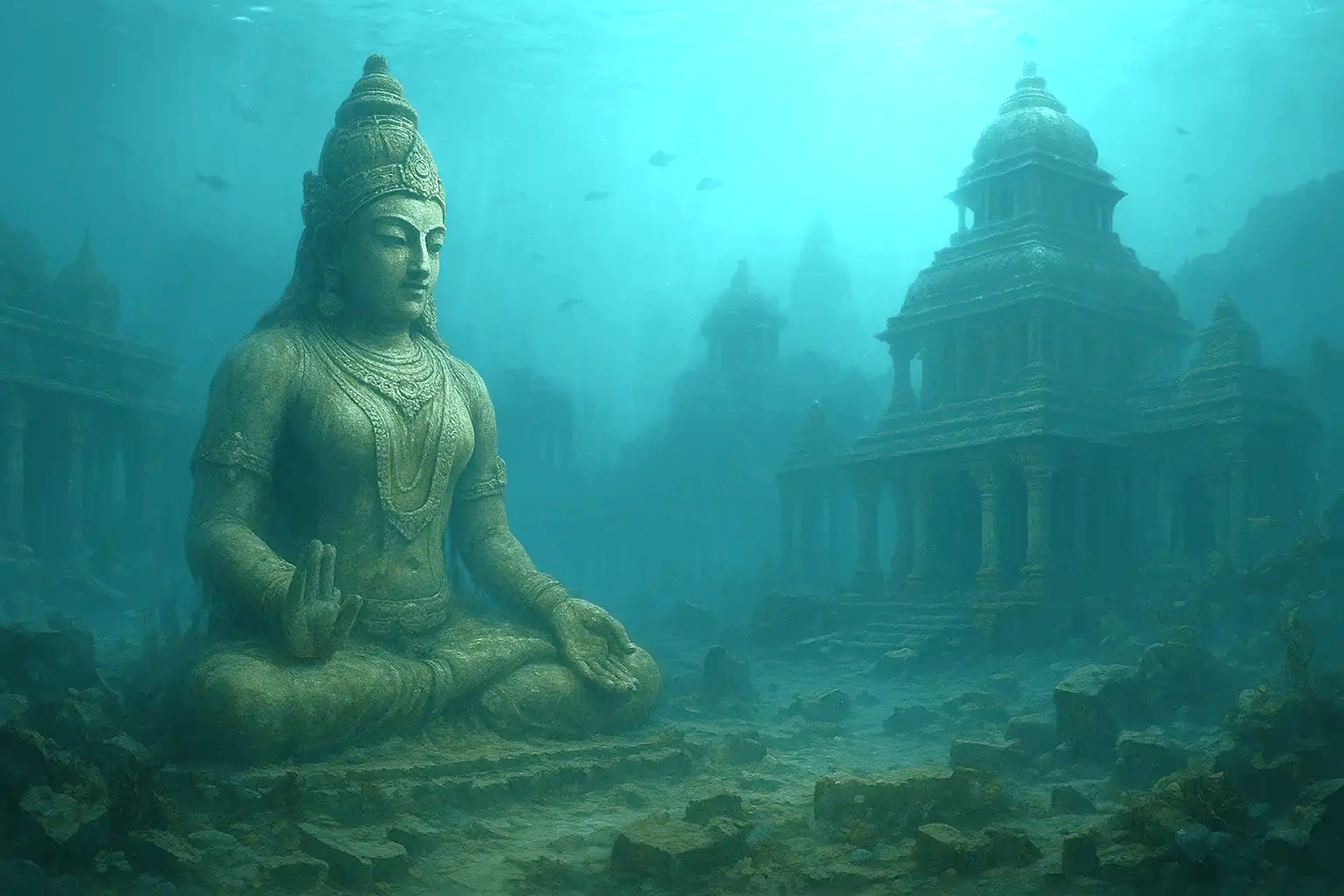
The story does not end with one flood. After the survivors established their new capital at Kapatapuram and held the Second Sangam, another "Kadal Kol" occurred, submerging that city as well. Once again, the Pandyan king and the remnants of his people were forced to flee north, finally establishing the city of Madurai that exists today. It was here they convened the Third Sangam, the works of which form the bulk of surviving classical Tamil literature. The final destruction of Kapatapuram and the founding of modern Madurai marks the end of the mythical age and the beginning of recorded Tamil history.
Step Inside The Story - View All Tour Itineraries & Details
We’re here to offer genuine, thoughtful guidance if your interested in travelling to India. As a small, dedicated team, we pay close attention to every detail so you can focus on enjoying the experience while we take care of the planning. We believe the best trips begin when someone truly listens to what you want and how you like to travel, so the journey feels right for you and contributes to a happy, positive group on tour. Our communication stays clear, straightforward, and respectful at every step, with the goal of helping you feel understood, supported, and confident from first contact to the end of your journey.
Click Catherine Frith - About The Founder
Click Discover Life Travel - All Tours and More
Click Why We Are Different - Unique, Safe, Transparent