Unique Insights Into The Rivers Of India
Krishna River: India
Discover Life Travel
Sacred Arteries of the Deccan
The Krishna River, historically known as the Krishnaveni, originates from the Western Ghats at an elevation of 1,337 meters near the ancient village of Mahabaleshwar in Maharashtra. The name derives from the Sanskrit word 'Krishna', meaning dark or black, referring to the deep hue of the waters during the monsoon season. Flowing across 1,400 kilometers, the river traverses the states of Maharashtra, Karnataka, Telangana, and Andhra Pradesh before discharging into the Bay of Bengal at Hamsaladeevi. The basin covers approximately 258,948 square kilometers, representing nearly eight percent of the total geographical area of India. This water system provides the primary irrigation and power for the southern Deccan Plateau. Since the Vedic period, the river has functioned as a central geographical marker, shaping the territorial boundaries and the agrarian identity of the regions it nourishes through its extensive network of tributaries like the Tungabhadra and Bhima. Krishna River India
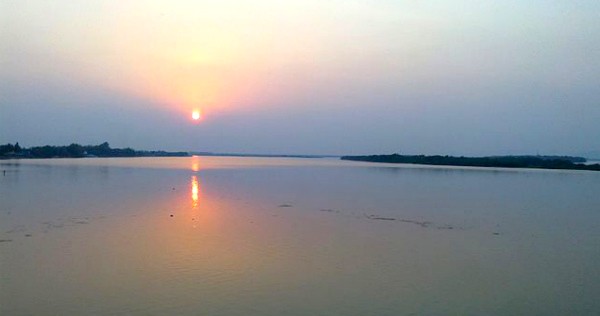
Krishna River India: Primordial Springs of the Dark Mother
Ancient oral traditions identify the character Savitri as a central figure, a consort of Brahma who transformed into the river to sustain the mortal world. During the Paleolithic period around 50,000 BCE, the banks were inhabited by early hominids using quartzite tools. The river provided a constant water source in the rain-shadow region of the plateau. These prehistoric groups established some of the earliest seasonal settlements in the valley. The river was viewed as a physical manifestation of a celestial deity descending to earth. Archaeological evidence from the Krishna-Tungabhadra doab reveals that these early inhabitants utilized the river pebbles for hunting and relied on the seasonal flow for their migration patterns.
Echoes from the Neolithic Silence
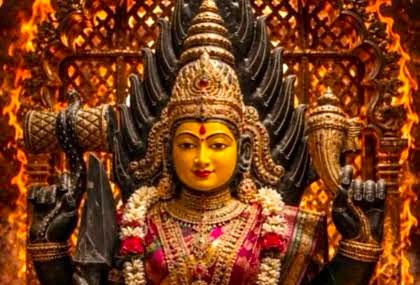
By 3000 BCE, the Ash-mound people settled along the banks, particularly in the regions of Raichur and Bellary. The river facilitated the movement of cattle and early copper tools across the southern plains. Early characters in local legends, such as the sage Jamadagni, are depicted as residing along the banks. These prehistoric populations relied on the river's predictability for their pastoral cycles. The river bed provided the necessary silt for the first experiments in millet cultivation. Carbon dating from sites like Utnour confirms that human activity intensified around 2500 BCE, as the river began to be used for more permanent village life. The interaction between the river and its inhabitants created a stable environment where early social structures could form based on the control of fertile riverine pastures. Krishna River India
Foundations of the Riverine Stronghold
The construction of the first major stone embankments and diversions occurred during the second century BCE under the early Satavahanas. Later, the Prakasam Barrage was completed in 1855, a primary engineering milestone that transformed the delta into a productive agricultural zone. This structure was 1,223 meters long, demonstrating advanced hydraulic knowledge for the nineteenth century. The project was designed to manage the high-velocity floods that occur during the Southwest Monsoon. More recently, the Nagarjuna Sagar Dam was completed in 1967, representing the world's tallest masonry dam. These construction dates mark the transition from natural flow to a highly regulated hydraulic landscape. The dams ensured that the river could support a larger sedentary population by providing water for irrigation during the dry winter months between November and February.
Census of the Fertile Plains
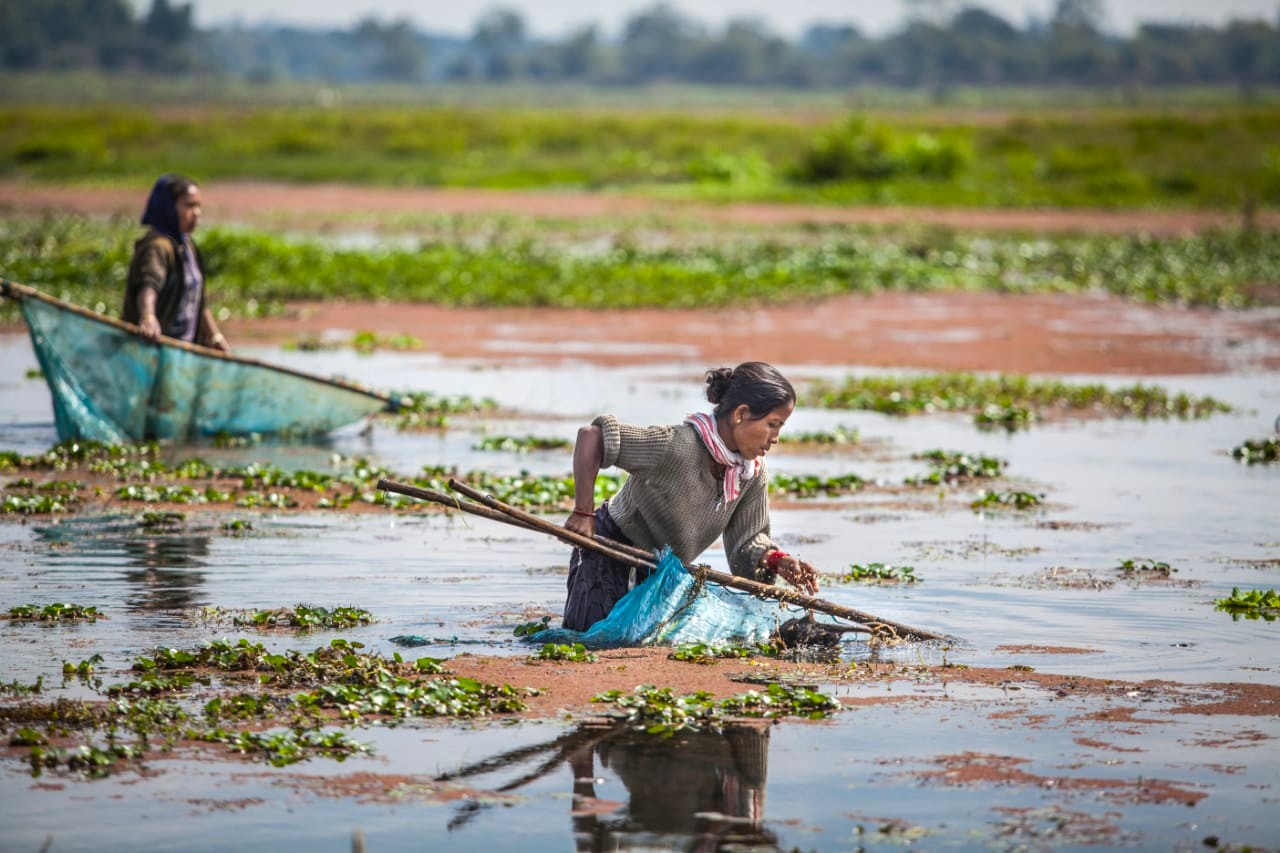
The population of the Krishna basin has seen a massive increase over the centuries. In the 12th century, the region surrounding the delta supported an estimated 300,000 people. By 1951, the population of the districts along the river reached 15 million. Today, the urban centers such as Vijayawada and Guntur house millions of residents. The river provides the daily water requirements for these expanding metropolitan areas. Statistics from 2021 indicate that the river basin supports over 45 million people. The density of the population along the banks is a direct result of the river's capacity to provide a reliable food supply and industrial cooling water. This demographic concentration has led to the development of complex administrative systems to manage water rights among the various linguistic states. Krishna River India
Lineages of the Water Lords
Notable family lineages have been associated with the stewardship of the river for centuries. The Ikshvaku family and the Vishnukundina lineage were instrumental in building the initial temple infrastructure that defines the river's spiritual identity. These families oversaw the maintenance of the ritual ghats and the protection of the riverine forests. The Reddy clans in the delta region maintain ancestral ties to the river's irrigation systems, performing annual rituals to honor their lineage's connection to the water. These families maintained detailed records of land grants and water distribution, some inscribed on copper plates dating back to 500 CE. Their role as custodians ensured that the river's resources were managed according to traditional laws, preserving the flow for future generations while cementing their own local authority.
Rituals of the Liquid Divinity
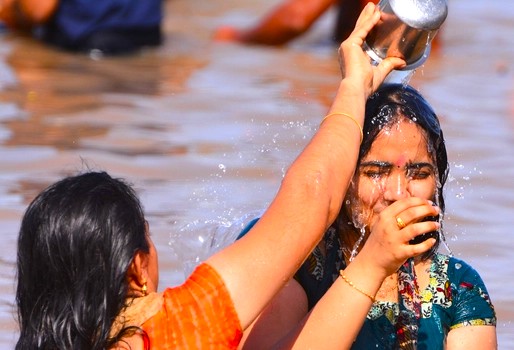
Religious practices are deeply intertwined with the river's seasonal cycles. The concept of 'Punya' or spiritual merit is central to the life of the inhabitants. Thousands gather at the river during the Krishna Pushkaram, a festival occurring once every 12 years when Jupiter enters Virgo. The river is considered a cleansing force that removes all earthly impurities. Daily rituals involve the 'Aarati', where oil lamps are floated on the water at dusk. The river's water is transported to remote mountain shrines for the performance of sacred baths for the idols. These practices have remained consistent for over two thousand years. The river is viewed as a living entity that requires constant veneration to ensure the seasonal rains and the health of the community. Krishna River India
Harvests of the Black Soil
Food traditions are centered on the river's ability to produce high-quality pulses and rice in the black cotton soil. A staple is the 'Krishna-delta' rice, which is the primary food source for the millions living in the basin. Annual rice production in the delta reaches nearly 2 million tons during favorable years. Traditional preparations involve cooking the grain with spicy tamarind bases and local greens grown in the river silt. During major festivals, quantities of up to 7,000 kilograms of food are prepared in temple kitchens to feed the poor. The river also provides a variety of freshwater fish, which are a critical protein source for the laboring classes. These food traditions are dictated by the river's seasonal fluctuations, with specific harvests occurring in the months of January and May.
Blood on the Riverine Sands
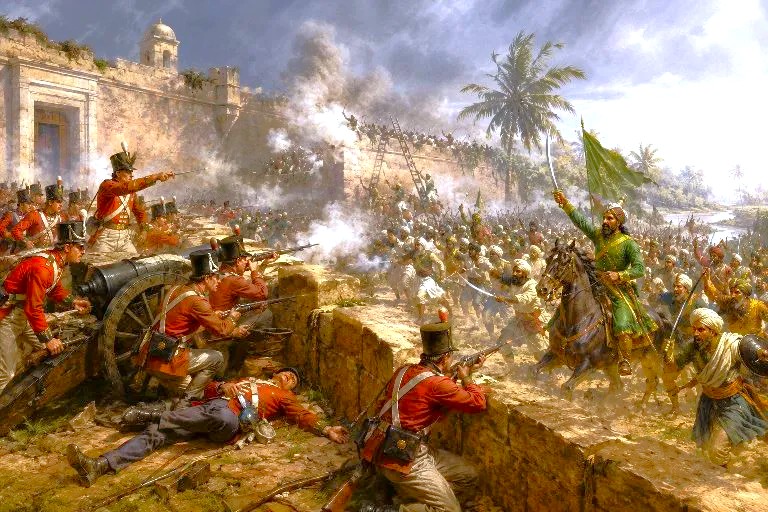
Battle chronicles record the river as a strategic boundary for northern and southern powers. In 1565 CE, the Battle of Talikota occurred near the confluence of the Krishna and its tributaries, where the combined forces of the Deccan Sultanates defeated the Vijayanagara army. Earlier, in the 14th century, the Musunuri Nayakas used the river's rugged terrain to launch a liberation struggle against foreign governors. Control over the river's fords and strategic islands like Kondapalli was essential for military dominance. These conflicts often resulted in the fortification of the hillocks overlooking the water. The outcomes of these battles determined the cultural and political map of the Deccan. The river has witnessed the passage of countless armies, each seeking to control the wealth of its fertile basin.
Paths of the Ancient Mariners
Trade routes followed the river's course, connecting the diamond mines of Golconda to the maritime ports of the east coast. From 100 CE, commodities like cotton, precious stones, and spices were transported on flat-bottomed boats and coracles. The river acted as a conduit for goods destined for the Roman Empire and the Indonesian archipelago. Ports at the river mouth, such as Machilipatnam, were hubs of global commerce where European traders exchanged silver for Indian calico. These trade routes facilitated the movement of Buddhist monks and scholars, spreading the philosophy of the region across Asia. The river provided an efficient means of transport for heavy goods that could not be easily moved across the plateau, supporting a wealthy merchant class. Krishna River India
Veins of the Hydraulic Legacy
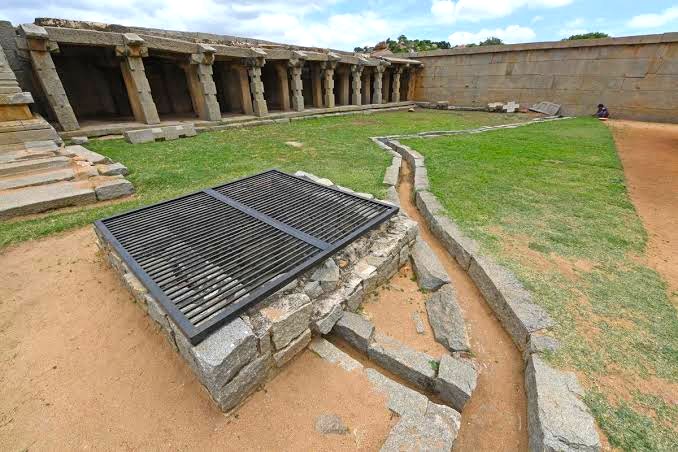
Water systems along the river are among the most complex in the world. The network includes massive irrigation canals like the Buckingham Canal and the modern lift irrigation projects. In the 20th century, engineers documented over 5,000 individual canals in the lower basin. These systems use a combination of gravity and mechanical pumps to distribute water to millions of acres of farmland. The management of these systems requires a high level of coordination between different state governments. The river's silt is rich in minerals, providing natural fertilization for the soil. This hydraulic infrastructure has enabled the region to become a major exporter of chillies and tobacco, ensuring economic stability for the rural population.
Rites of the Silted Brides
Marriage traditions include specific rituals involving the river water to ensure a stable and harmonious home. Women often perform the 'Gauri Puja' at the river bank before their wedding to seek the blessings of the water deity. The river is considered a symbol of endurance and life-giving energy. In some communities, the bride's family offers traditional sweets to the river to ensure the couple's prosperity. These customs highlight the river's role in the social and domestic life of the people. The river is seen as a witness to the lineage's continuation, providing a spiritual backdrop for the family's transition. These practices have been preserved through oral traditions and are still observed with great devotion.
Days of the Riverside Sovereigns
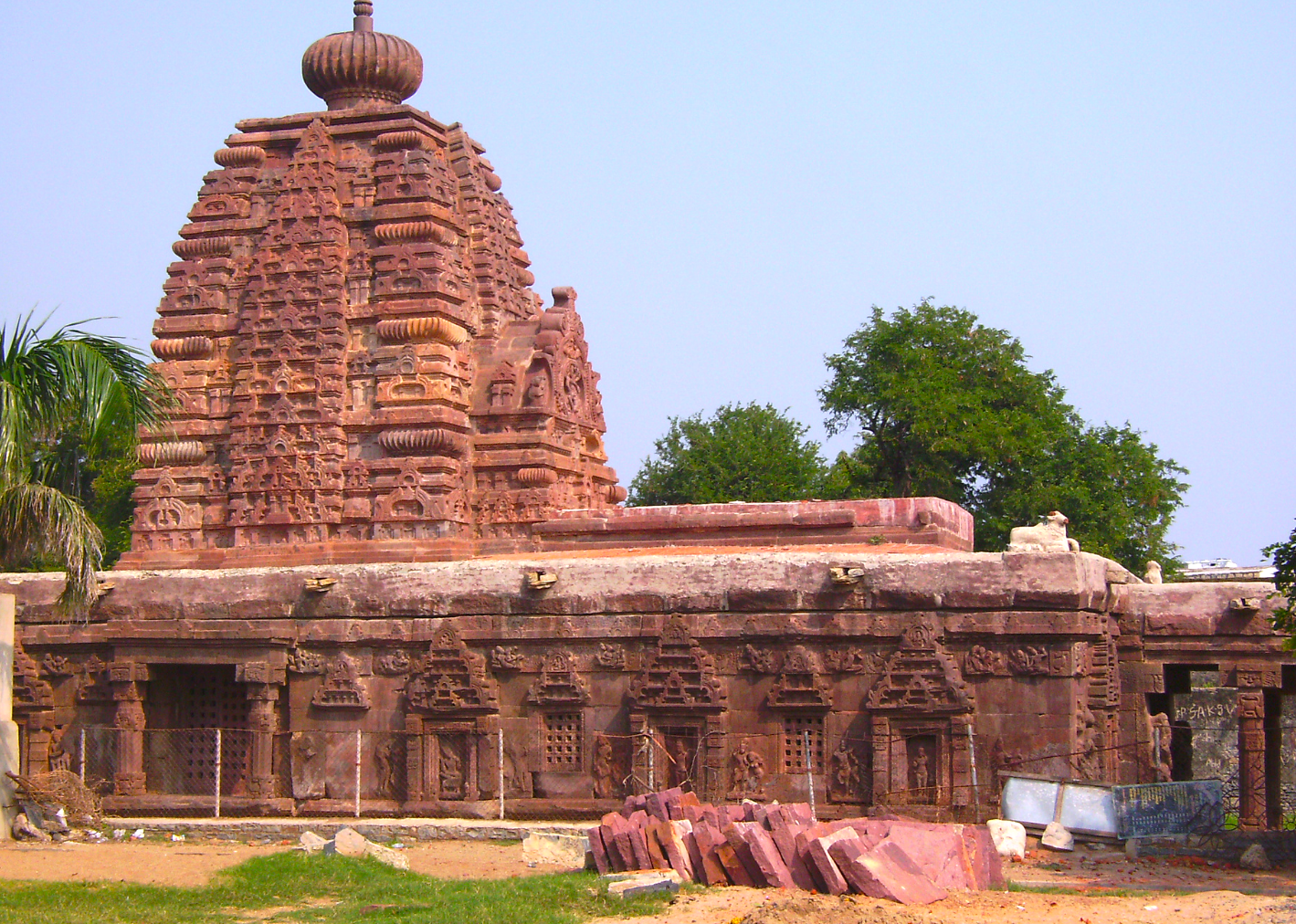
Daily life for the royal family often focused on the riverside forts during the hot summer months. The King and Queen would hold court in open pavilions that allowed the river breeze to cool the assembly. The children were educated in the history of the river and the importance of its management. Royal excursions involved traveling in decorated boats to the island temples. The royal kitchens utilized the freshest river fish and seasonal fruits for their daily meals. These river-side palaces provided a sanctuary from the political pressures of the capital. The royals sponsored the construction of ornate bathing ghats and resting places for travelers, ensuring their legacy was tied to the public's access to the sacred water.
Potions of the Riverine Woods
Medicines used by local practitioners are derived from the unique vegetation found in the Krishna basin. Species like 'Sarpagandha' and 'Ashwagandha' are harvested from the riverine forests to treat various ailments. During the 16th century, the Qutb Shahi rulers established gardens that integrated Islamic and Indian medical knowledge. The regions near the river banks are known for herbs used to treat fever and skin infections common in the humid climate. Royal families employed physicians who prepared specialized tonics from river minerals and rare forest seeds. These remedies were documented in old manuscripts that are still consulted by traditional healers. The river water is often used as a purifying agent in the preparation of these ancient cures. Krishna River India
Decline of the Agrarian Dynasty
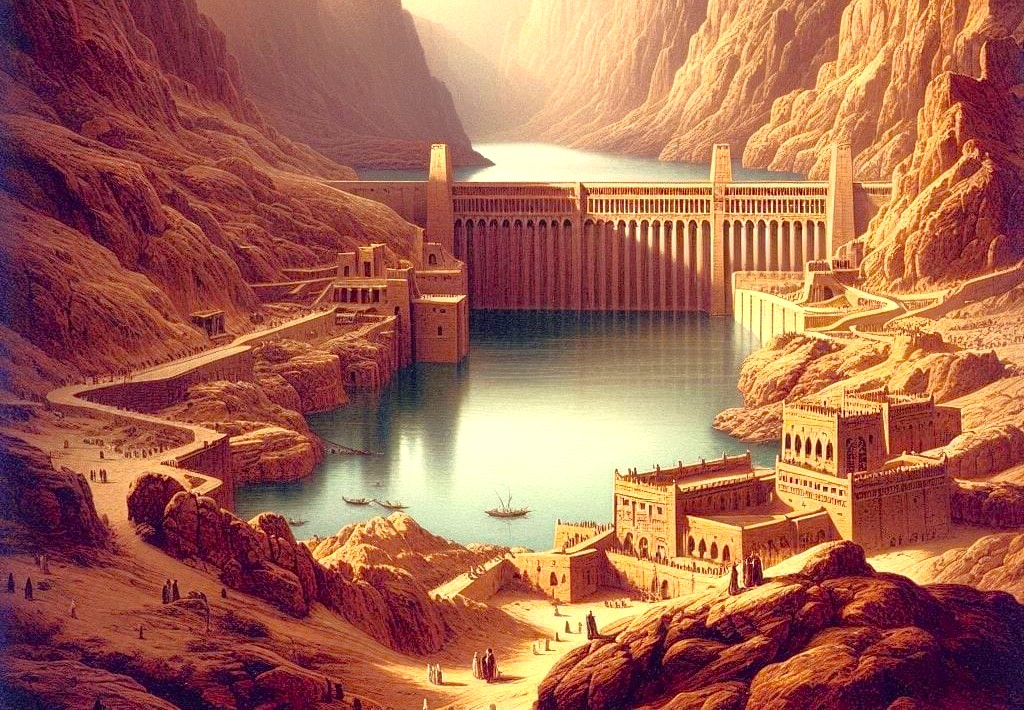
The decline of the traditional hydraulic sovereignty of the Krishna basin began in the late 19th century as industrial irrigation and state-controlled dams replaced the local community management of the water. By 1920, the traditional 'Neeruganti' system, where village officials managed water distribution, started to vanish. The river's flow was increasingly diverted for large-scale energy production and the industrial needs of modern cities. This shift in priority caused the degradation of the river's natural silt flow and the salinization of the delta lands. As the old royal and local lineages lost their influence to centralized bureaucracies, the spiritual and communal bond with the river was replaced by economic competition for water shares among states.
Step Inside The Story - View All Tour Itineraries & Details

We’re here to offer genuine, thoughtful guidance if your interested in travelling to India. As a small, dedicated team, we pay close attention to every detail so you can focus on enjoying the experience while we take care of the planning. We believe the best trips begin when someone truly listens to what you want and how you like to travel, so the journey feels right for you and contributes to a happy, positive group on tour. Our communication stays clear, straightforward, and respectful at every step, with the goal of helping you feel understood, supported, and confident from first contact to the end of your journey.
Click Catherine Frith - About The Founder
Click Discover Life Travel - All Tours and More
Click Why We Are Different - Unique, Safe, Transparent