Unique Insights Into The Rivers Of India
Kaveri River: India
Discover Life Travel
Sacred Waters of Southern India
The Kaveri River originates at Talakaveri in the Brahmagiri Range of the Western Ghats, located in the Kodagu district of Karnataka at an elevation of 1,341 meters. Its name stems from the Sanketi words 'Ka' meaning the source and 'Viri' meaning to expand, denoting the spreading of life-giving waters. Flowing across 800 kilometers, it traverses the states of Karnataka and Tamil Nadu before emptying into the Bay of Bengal. The river basin covers approximately 81,155 square kilometers, providing the primary source of irrigation for the rice-growing regions of the south. This water system supports a population of nearly 80 million people. Its course is defined by three major river islands: Srirangapatna, Sivanasamudra, and Srirangam. Since the early centuries of the common era, the river has functioned as the core geographical and spiritual artery for the southern peninsula, shaping the physical landscape and the agrarian cycles of the region. Kaveri River India
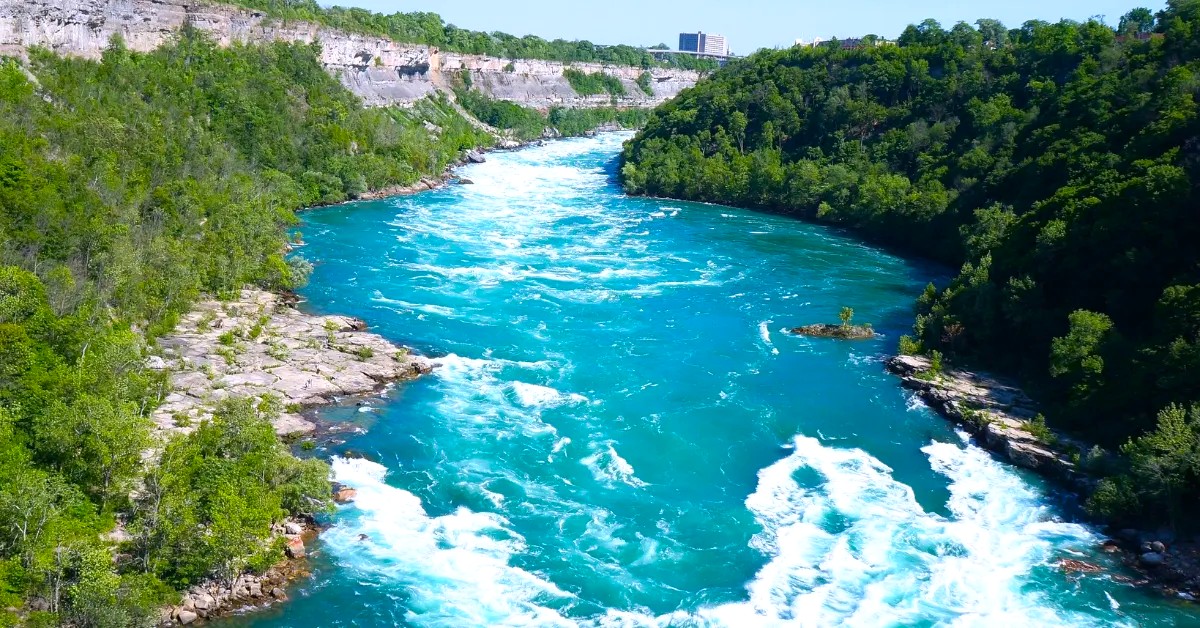
Kaveri River India: Origins of the Celestial Stream
The precise location of the river's start is at 12.42 degrees North and 75.48 degrees East. Ancient oral traditions mention the character Agastya, a sage who supposedly carried the river in his kamandalu or water pot. During the Neolithic period around 3000 BCE, the upper reaches were inhabited by communities using polished stone axes. The river provided a constant water source in the rain-shadow region of the Deccan. These prehistoric groups established some of the earliest agricultural practices in the valley. The river was viewed as a physical manifestation of a goddess sent to end a great drought. Archaeological evidence from sites like Hemmige reveals that these early inhabitants utilized the river silt for rudimentary pottery and relied on the seasonal flow for their survival and expansion.
Ancient Silt of Prehistoric Shores
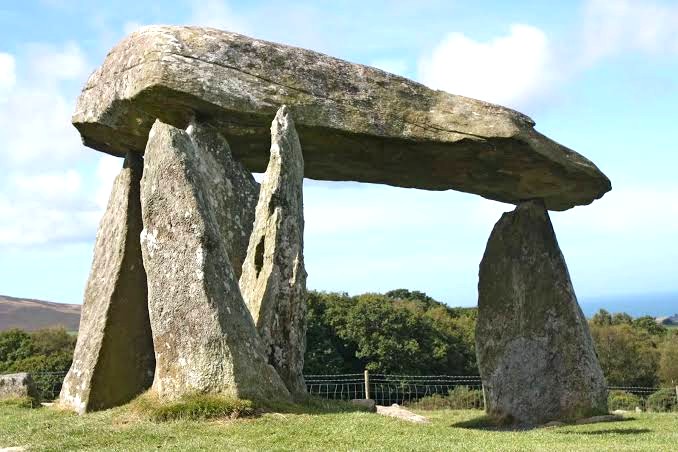
By 1000 BCE, the Megalithic people settled along the banks, constructing stone circles and burial urns. The river facilitated the movement of iron tools and black-and-red ware pottery across the southern plains. Early characters in local legends, such as the river goddess Kaveri Amman, are depicted as protecting the agrarian settlements. These prehistoric populations relied on the river's predictability for their grain storage systems. The river bed provided the necessary clay for building permanent structures. Carbon dating from the delta region confirms that human activity intensified around 500 BCE, as the river began to be used for systematic land reclamation. The interaction between the river and its inhabitants created a stable environment where early social hierarchies could form based on the control of water access. Kaveri River India
Stone Barriers of Antiquity
The construction of the Kallanai, or Grand Anicut, stands as a primary engineering milestone, completed around 150 CE. This dam was built using large unhewn stones to divert the river into the fertile delta. It measures 329 meters in length and 20 meters in width, demonstrating advanced hydraulic knowledge for the era. The structure was designed to manage the high-velocity floods during the monsoon months. Later, in 1931, the Krishna Raja Sagara dam was completed in Karnataka, adding a massive storage capacity to the river system. These construction dates mark the transition from natural flow to a highly regulated hydraulic landscape. The dams ensured that the river could support a larger sedentary population by providing water for irrigation even during the dry summer months between March and June.
Demographics of the Delta Plains
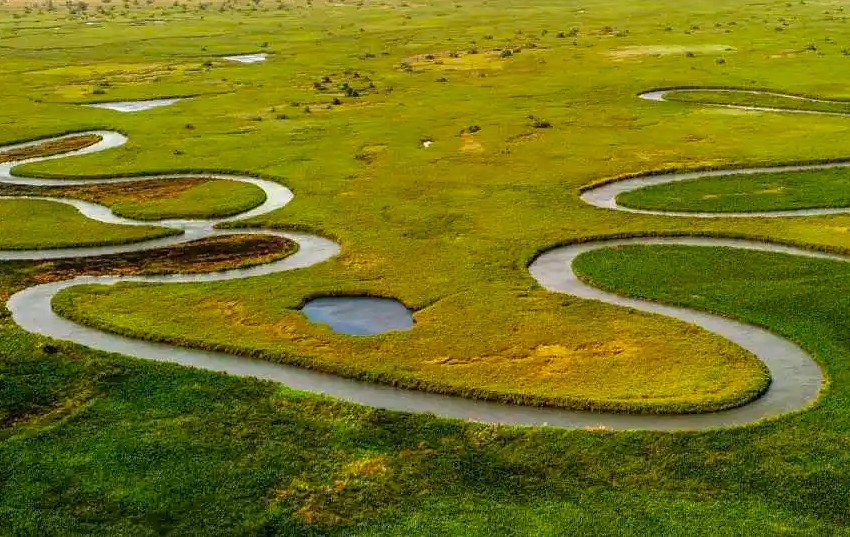
The population of the Kaveri basin has seen steady growth over the centuries. In the 10th century, the delta region supported an estimated 200,000 people. By 1901, the population of the Thanjavur district alone reached 2.2 million. Today, the urban centers along the river, such as Tiruchirappalli and Erode, house millions of residents. The river provides the daily water requirements for these expanding metropolitan areas. Statistics from 2021 indicate that the river supports over 2.5 million hectares of agricultural land. The density of people along the banks is among the highest in southern India, reflecting the river's capacity to provide a reliable food supply. This demographic concentration has led to the development of complex administrative systems to manage water distribution among the various districts and states. Kaveri River India
Lineages of the River Guardians
Notable family lineages have been associated with the stewardship of the river for generations. The Wadiyar family of Mysore and the Chola lineage in the south were instrumental in building the infrastructure that defines the river today. These families oversaw the maintenance of the ghats and the protection of the riparian forests. The Kodava clans in the highlands of Coorg maintain ancestral ties to the river's source, performing annual rituals to honor their lineage's connection to the water. These families maintained detailed records of land grants and water rights, some inscribed on copper plates dating back to 800 CE. Their role as custodians ensured that the river's resources were managed according to traditional laws, preserving the flow for future generations while cementing their own social status.
Rites of the Holy Current
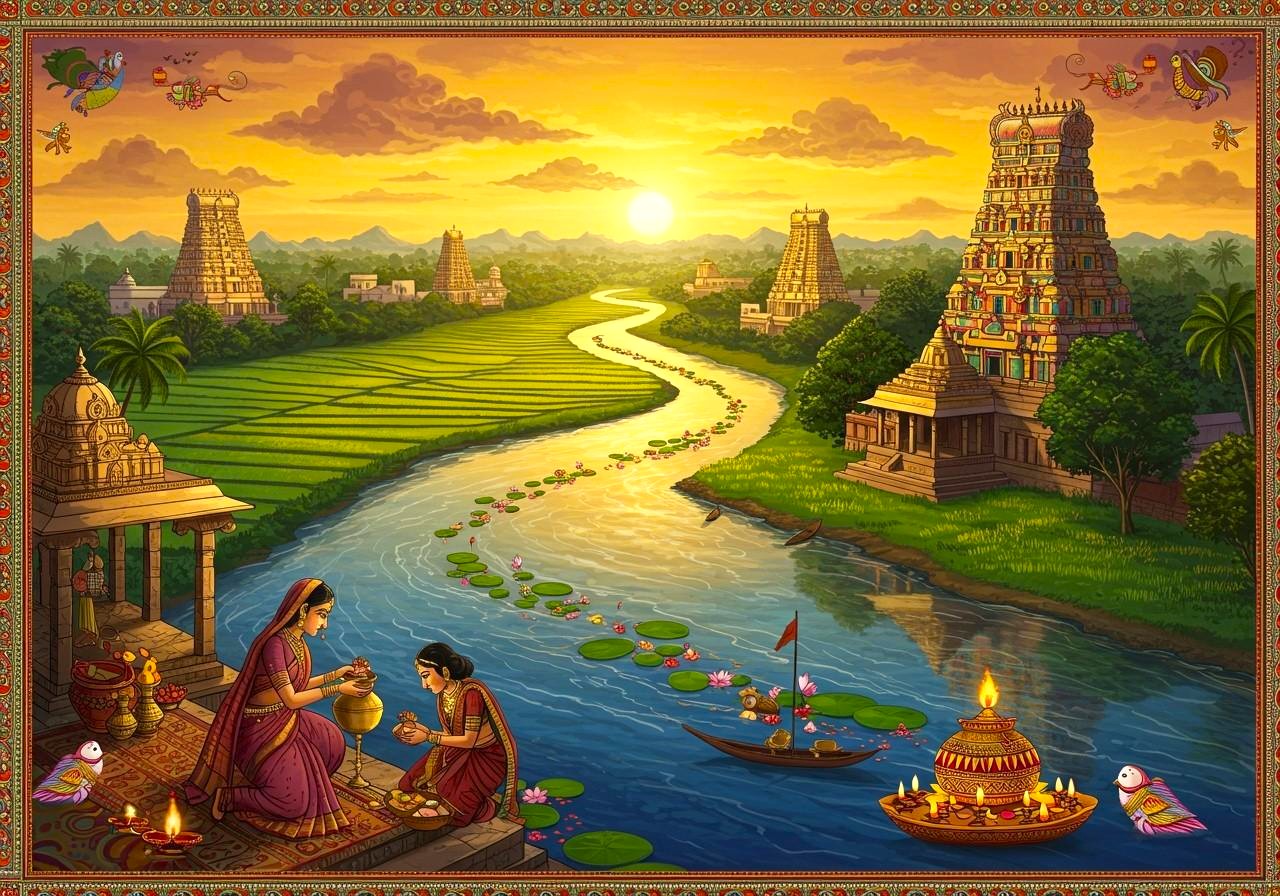
Religious practices are deeply intertwined with the river's seasonal cycles. The concept of 'Snana' or ritual bathing is central to the spiritual life of the inhabitants. Thousands gather at the river during the Kaveri Pushkaram, a festival occurring once every 12 years. The river is considered the 'Mother' who provides physical and spiritual sustenance. Daily prayers involve the lighting of lamps and the chanting of Vedic hymns at sunrise. The river's water is transported to remote temples for the performance of 'Abhishekam' or ritual anointing of deities. These practices have remained consistent for over two thousand years, creating a sense of continuity. The river is viewed as a living entity that requires constant veneration to ensure the prosperity of the land and the health of its people.
Sustenance from the Alluvial Bed
Food traditions are centered on the river's ability to produce high-quality rice, specifically the Ponni variety. This grain is the primary staple for the millions living in the basin. Annual rice production in the delta reaches nearly 1.5 million tons during favorable years. Traditional preparations involve steaming the rice and serving it with lentils and vegetables grown in the river silt. During major festivals, quantities of up to 5,000 kilograms of rice are prepared in community kitchens to feed pilgrims. The river also provides a variety of freshwater fish, which are a critical protein source for the coastal communities. These food traditions are dictated by the river's seasonal fluctuations, with specific dishes prepared to coincide with the harvest periods in January and August.
Timeless Rhythms of Aadi Perukku
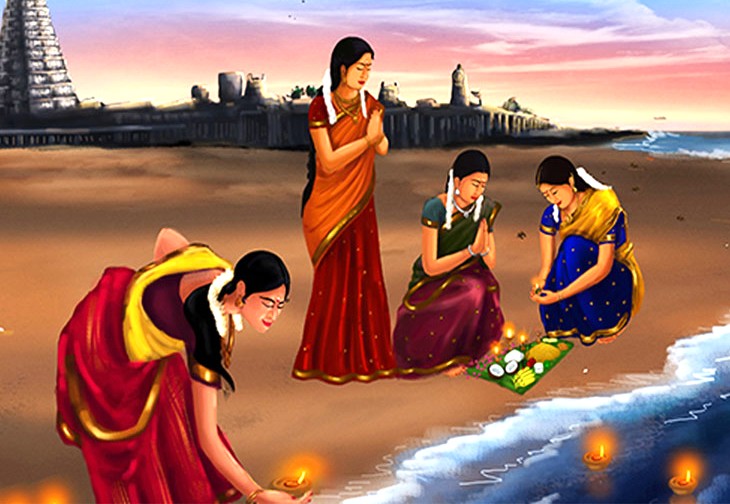
The Aadi Perukku festival is the most significant celebration, held on the 18th day of the Tamil month of Aadi, usually falling in late July or early August. This festival marks the arrival of the monsoon waters and the rising of the river levels. People gather at the banks at precisely 10:00 AM to offer prayers and symbolic gifts of turmeric and flowers. Another major event is the Maha Shivaratri, celebrated in February, where night-long vigils are held at the riverfront temples. These festivals serve as communal markers of the passage of time. The timing of these events is synchronized with the solar and lunar calendars to ensure the maximum benefit from the river's divine energy. The celebrations involve the entire community, transcending social barriers through shared ritual activity.
Conflicts across the Aqueous Border
Battle chronicles record the river as a strategic frontier. In 1799, the fourth Anglo-Mysore war concluded with a decisive siege on the island of Seringapatam. Earlier, in 1311, the forces of the Delhi Sultanate crossed the river to raid the southern temple cities. Control over the river's fords and bridges was essential for military dominance in the region. These conflicts often resulted in the destruction or fortification of riverine assets. The river served as a natural moat for the island forts, providing a formidable defense against invading armies. The outcomes of these battles determined the political map of southern India for centuries. The river banks have witnessed the rise and fall of various powers, each leaving their mark on the landscape through forts and monuments. Kaveri River India
Vessels of the Spice Highway
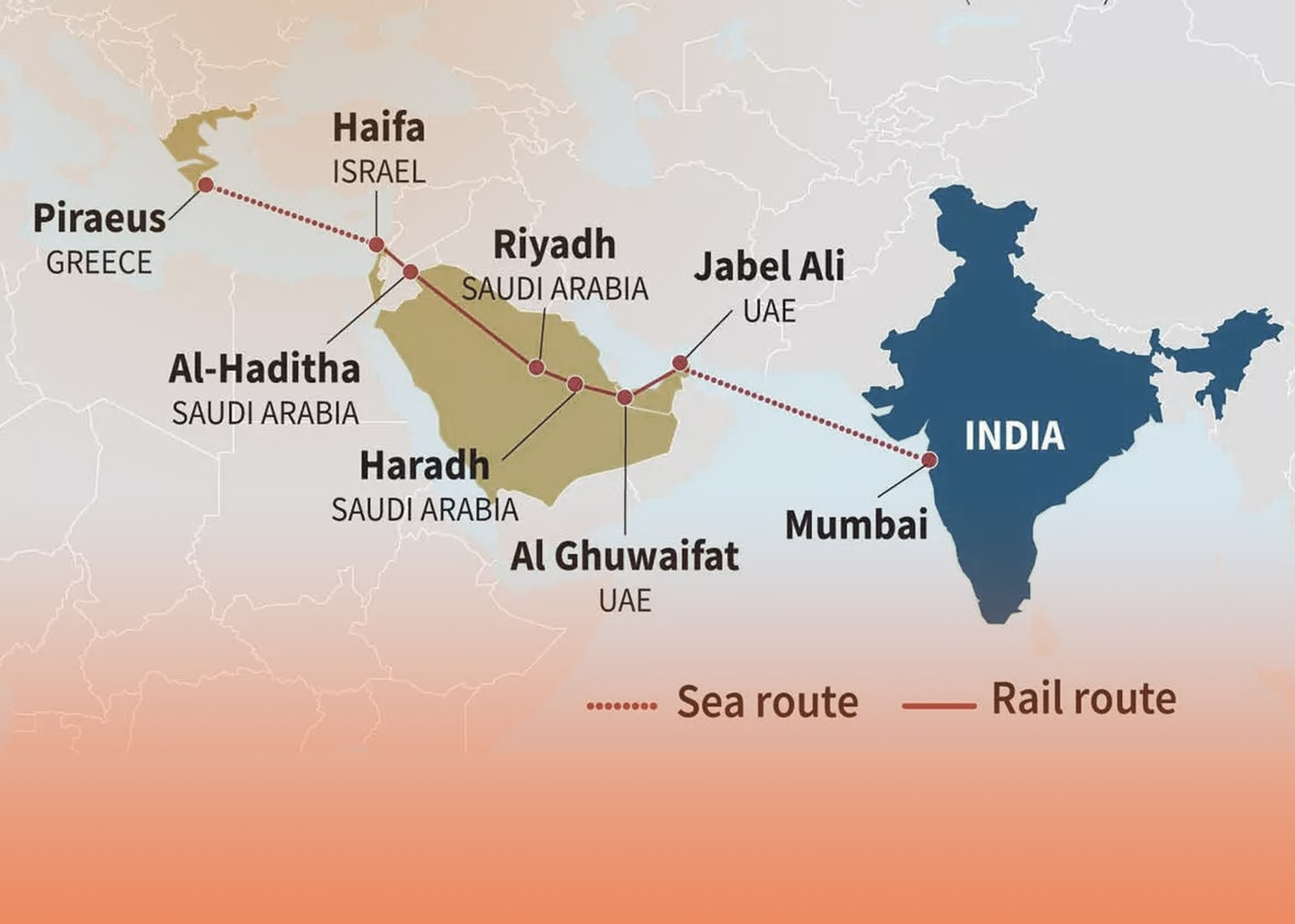
Trade routes followed the river's path, connecting the inland forests to the maritime ports. From 100 CE, commodities like pepper, sandalwood, and fine textiles were transported on coracles, which are circular hide-covered boats. The river acted as a conduit for goods destined for the Roman Empire and Southeast Asia. Ports at the river mouth, such as Poompuhar, were hubs of international commerce where gold was exchanged for spices. These trade routes facilitated the movement of people and ideas, spreading the cultural influence of the region across the seas. The river provided a safe and efficient means of transport for heavy goods that could not be easily moved across the rugged terrain. This commercial network supported a wealthy merchant class and funded the construction of great temples. Kaveri River India
Veins of the Hydraulic Network
Water systems along the river are among the most sophisticated in the world. The network includes thousands of kilometers of canals and distributaries that branch out from the main stem. In the 19th century, British engineers documented over 3,000 individual irrigation channels in the Tanjore district. These systems use gravity-based flow to distribute water to millions of small farms. The management of these systems requires a high level of community cooperation, with local committees overseeing the maintenance of the embankments. The river's silt is periodically removed and used as fertilizer, completing a sustainable cycle of resource management. This hydraulic infrastructure has prevented major famines in the region for over a century, ensuring a stable food supply for the growing urban and rural populations. Kaveri River India
Ritual Bonds of Riverine Brides
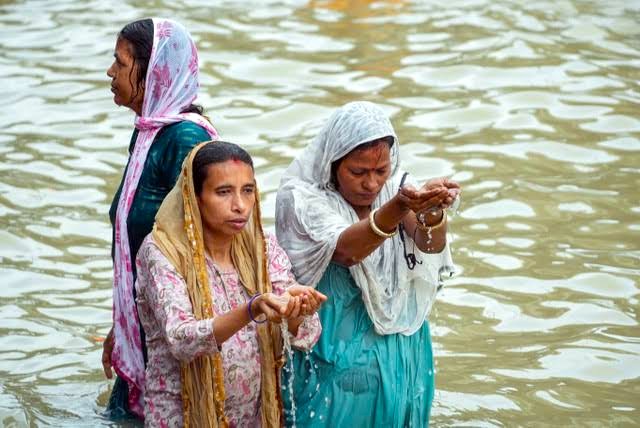
Marriage traditions include specific rituals involving the river water to ensure a fertile and prosperous union. Women often perform prayers at the river bank before their wedding to seek the blessings of the goddess. The water is considered a symbol of purity and domestic harmony. In some communities, the bride and groom perform a ritual bath in the river to signify their transition into a new phase of life. These customs highlight the river's role in the social and domestic life of the people. The river is seen as a witness to the vows taken by the couples, providing a spiritual foundation for the family unit. These practices have been preserved through oral traditions and are still observed by many families living in the river basin. Kaveri River India
Aquatic Leisure of the Sovereigns
Daily life for the royal family often centered on the river palaces during the summer months. The King and Queen would reside in pavilions designed to catch the cool river breezes. The children were taught to swim and row in the calm stretches of the water. Royal hunts and excursions were conducted along the forested banks, where wildlife was abundant. The royal kitchens utilized the freshest river produce for their elaborate banquets. These river-side retreats provided a reprieve from the heat of the plains and a space for private family gatherings away from the rigors of the court. The royals sponsored the construction of ornate ghats and rest houses, ensuring that the public also had access to the river's cooling properties and spiritual benefits. Kaveri River India
Potions of the Riparian Forest
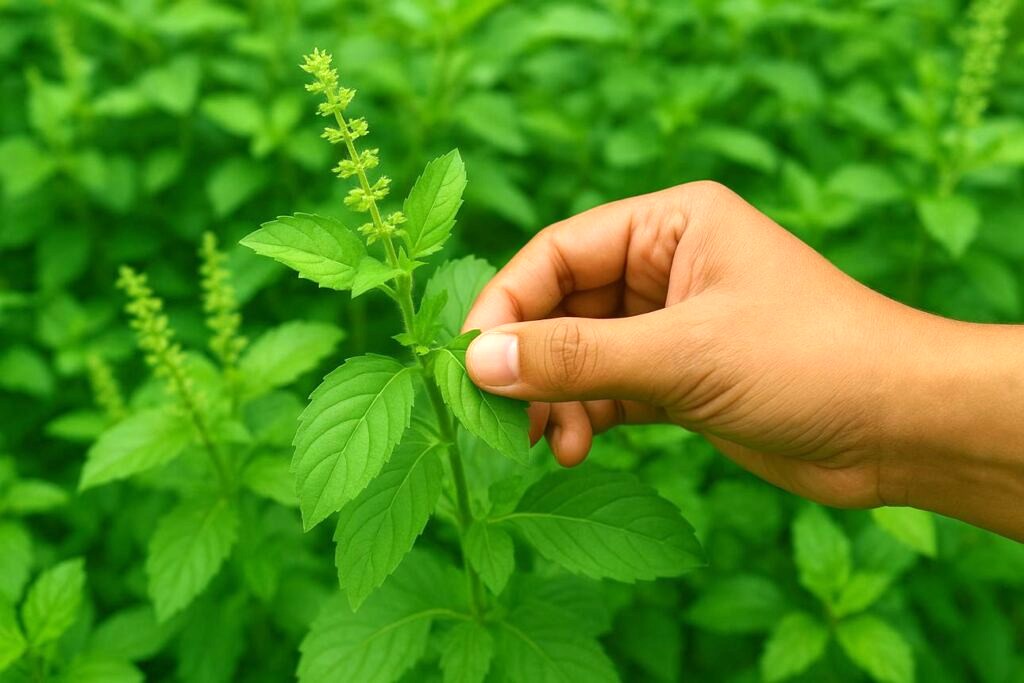
Medicines used by local healers are derived from the diverse plant life found in the riparian forests. Species like 'Neem' and 'Tulsi' are combined with river silt to treat skin conditions and respiratory issues. During the 15th century, practitioners of the Siddha system of medicine documented hundreds of herbs that thrive in the humid river environment. Tonics made from the bark of trees growing on the banks are used to purify the blood and improve digestion. The river water is often used as a base for these herbal concoctions, as it is believed to enhance the potency of the medicine. These traditional healing practices are still common in the rural areas, where the knowledge of forest plants is passed down through generations of healers who live close to the water.
Erosion of the Ancient Dominion
The decline of the traditional management systems of the Kaveri began in the late 19th century as centralized colonial administration replaced local communal control. By 1890, the introduction of large-scale commercial irrigation led to the marginalization of the ancient 'Kudimaramath' or community maintenance system. The river's flow was increasingly diverted for industrial use and the growing needs of distant cities like Bangalore, which drew over 1,400 million liters per day by 2020. This shift in priority caused the degradation of the river's ecology and the shrinking of the delta. As the old administrative lineages lost their power to the modern state, the spiritual and communal bond with the water was replaced by a legalistic and competitive approach to water sharing. Kaveri River India
Step Inside The Story - View All Tour Itineraries & Details

We’re here to offer genuine, thoughtful guidance if your interested in travelling to India. As a small, dedicated team, we pay close attention to every detail so you can focus on enjoying the experience while we take care of the planning. We believe the best trips begin when someone truly listens to what you want and how you like to travel, so the journey feels right for you and contributes to a happy, positive group on tour. Our communication stays clear, straightforward, and respectful at every step, with the goal of helping you feel understood, supported, and confident from first contact to the end of your journey.
Click Catherine Frith - About The Founder
Click Discover Life Travel - All Tours and More
Click Why We Are Different - Unique, Safe, Transparent