Unique Insights Into The Empires Of India
Jahangi: Sky Bound Judgment
Discover Life Travel
The Illuminated Reign of Jahangir
Jahangir, fourth sovereign of the Mughal Dynasty in India, ruled between Akbar’s wide reforms and Shah Jahan’s highly refined court. Born as Prince Salim on 31 August 1569 at Fatehpur Sikri in present‑day Uttar Pradesh, he inherited a domain stretching from Kabul to Bengal and from Kashmir to the Narmada. The name “Jahangir” means “seizer of the world” in Persian, expressing the cosmic ambition associated with the throne. During his reign from 1605 to 1627, population in core regions of the Ganges plain and Punjab continued to rise, with cities like Agra and Lahore exceeding 200,000 residents. Jahangir’s court became known for legal symbolism, natural history, and artistic refinement, while still standing on the military and administrative foundations laid by Akbar and strengthened by campaigns against Rajput, Afghan, and Deccan rivals. Jahangi Sky Bound Judgment
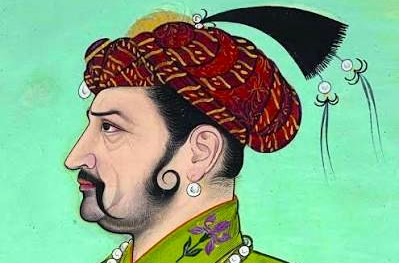
Jahangi Sky Bound Judgment: Ancient Lands Before A Prince
The territories over which Jahangir would later rule carried centuries of layered history. Agra, where he often held court, lay along the Yamuna and was mentioned in early Indian sources as Agravana, a forested region tied to epic traditions. Lahore, another favorite seat, stood on the Ravi, with legends connecting it to Lava, son of Rama, while Kashmir, where Jahangir spent cherished summers, bore memories of Naga cults, Buddhist kingdoms, and Shaivite Dynasties. Before the Mughals, Delhi’s plain had seen the Tomaras, Chauhans, Sultanate rulers like Iltutmish, and later Afghan Lodi kings such as Sikandar and Ibrahim. When Jahangir ascended in 1605, he did so in lands already filled with shrines, old capitals, and sacred rivers that long predated Timurid arrival.
Name Of A World‑Holding King
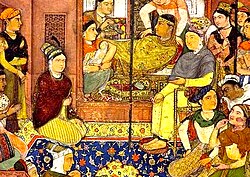
Jahangir’s chosen name fused ambition and spiritual resonance. “Jahan” refers to the world, while “gir” suggests grasping or seizing, together implying a monarch whose authority extends across earthly realms. He was born Salim, named after the Chishti saint Sheikh Salim Chishti of Sikri, whose blessing Akbar had sought for an heir. As emperor, Jahangir resided mainly in Agra and Lahore, with frequent journeys to Kashmir and occasional stays in Ajmer and Mandu. His capital shifted seasonally, but the imperial road between Agra and Lahore functioned as a moving axis of power. The name “Mughal” continued to link him to the Central Asian Timurid legacy, even as his court life absorbed Persian, Indian, and regional cultural threads.
Foundations Before The Peacock Throne
Jahangir’s pre‑history lay firmly within Akbar’s expanding realm. As prince, he governed provinces like Allahabad around 1599, building his own circle of supporters, including nobles such as Raja Man Singh and others later drawn into rivalries. His mother, Harkha Bai of the Kachhwaha house of Amber, tied him to Rajput lineages, while his father’s Timurid blood placed him in the direct line from Babur, Humayun, and Akbar. Conflicts with Akbar over succession and alleged plots tested their relationship, yet Akbar in the end named Salim as heir. When Akbar died on 27 October 1605 at Agra, Salim took the throne as Nuruddin Muhammad Jahangir Padshah Ghazi, pledging to uphold justice and continuity within the dynasty’s legal and spiritual frameworks.
Fortified Cities And Courtly Corridors
Jahangir inherited major palace cities rather than initiating wholly new capitals. Agra, with its fort first strengthened by Akbar from the 1560s onward, formed his early seat; Lahore Fort, extended in the late sixteenth century, served as another key base, especially from 1619 onward. He commissioned additions and improvements, including audience halls, gardens, and riverside pavilions in these cities and in Kashmir’s valleys. Construction under him was steady rather than overwhelming, consolidating earlier works rather than reshaping the urban map. By the 1620s, population in Agra and Lahore remained high, supported by river traffic, caravan roads, and fertile hinterlands that sustained royal establishments and surrounding markets. Jahangi Sky Bound Judgment
Timurid Blood And New Alliances
Jahangir’s lineage reached back to Timur through Babur, and to Chinggisid roots through maternal lines earlier in the dynasty. Within his immediate family, principal figures included his powerful consort Nur Jahan, daughter of Ghiyas Beg (later Itimad‑ud‑Daula), and his sons Khusrau, Khurram (later Shah Jahan), and others such as Shahryar. Rajput connections came through his mother and through further alliances with houses like the Kachhwahas, Rathores, and Bundelas. The Qandahari Safavid‑linked families, Central Asian Turani clans, and long‑serving Indian Muslim and Hindu elites formed the core nobility. These lineages - Barha Sayyids, Khankhanans, and Rajput rulers like Raja Man Singh - ensured that Jahangir’s throne rested on diverse yet intertwined ancestral claims, both martial and devotional.
Sacred Law, Sufis, And Inner Faith
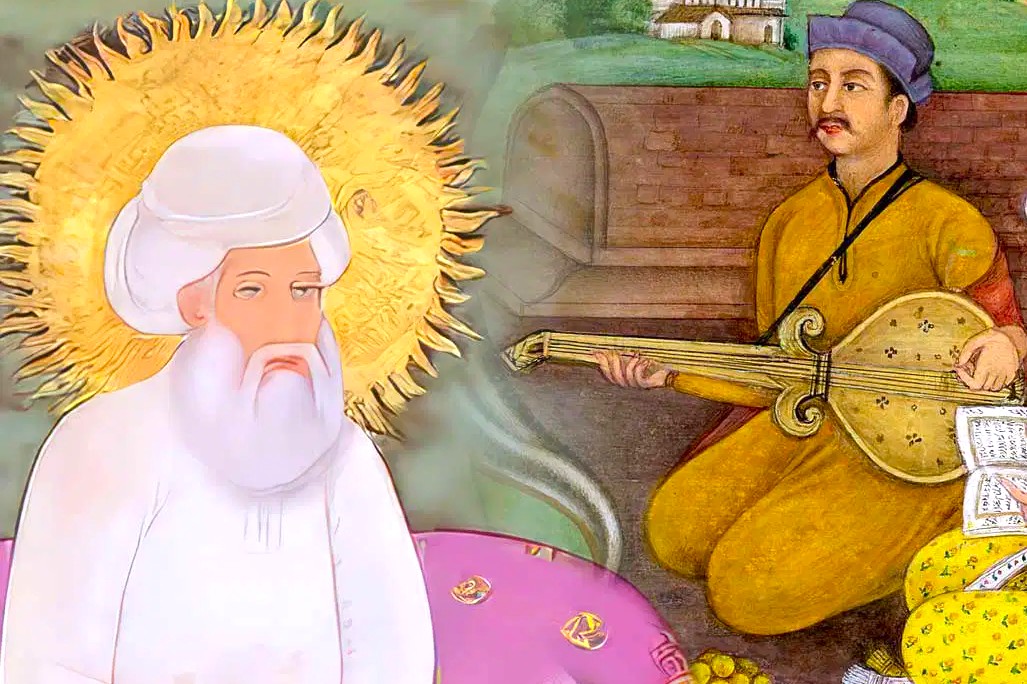
Religious life under Jahangir followed Sunni Islam of the Hanafi school, yet his personal practice reflected a blend of legal awareness, Sufi leanings, and royal ritual. Publicly, he maintained Friday prayers and patronized mosques, while also visiting shrines such as Ajmer’s dargah of Khwaja Muinuddin Chishti, where he sought blessing and legitimacy. His memoir, the Tuzuk‑i Jahangiri, records dreams, omens, and reflections on divine justice, revealing an inner world attuned to signs and moral judgments. Relations with Shia Safavids, Hindu Rajputs, Jains, and Christians from European missions remained part of his diplomatic and intellectual environment. He saw himself as a just king whose decisions on law, pardon, and punishment would be weighed on a higher, unseen scale.
Calendars, Festival Nights, And Sacred Time
Under Jahangir, the Islamic lunar calendar structured state life, with Eid al‑Fitr after Ramadan and Eid al‑Adha on the tenth of Dhu al‑Hijjah as main royal festivals. He maintained Akbar’s practice of marking the solar regnal year, reflecting a dual awareness of lunar and solar cycles for administration and celebration. Urs commemorations at Sufi shrines, held on specific lunar dates, drew royal and popular participation, especially at Ajmer. Within the dynasty’s lands, Hindu subjects continued to celebrate Diwali in October or November and Holi in spring; Jahangir often observed these events from a distance but recognized their importance. These overlapping calendars shaped court routines, taxation deadlines, and campaign plans, weaving spiritual time into the empire’s governance.
Imperial Kitchens And Measured Abundance
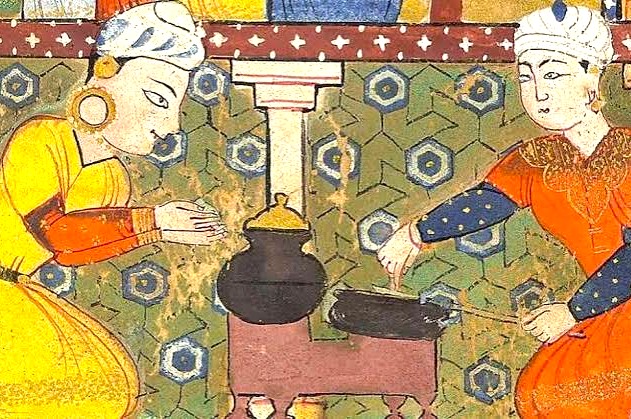
The kitchens of Jahangir’s court fed thousands each day, converting land revenue into sustenance and status. Records and later accounts indicate large daily use of wheat and rice, measured in maunds, alongside pulses, ghee, and sugar. Dishes included rice pilafs flavored with saffron and dried fruits, meat stews, spiced kebabs, and flatbreads baked in tandoors, while sweet preparations appeared at feasts and festival nights. Wine remained a notable part of Jahangir’s personal life, though his consumption fluctuated with health concerns and religious counsel. Food served both practical and symbolic roles: ranking nobles by the portions and dishes they received, rewarding poets and scholars with banquets, and ensuring that the emperor’s generosity reached soldiers, servants, and petitioners at least on key occasions. Jahangi Sky Bound Judgment
Rivers, Gardens, And Flowing Channels
Water shaped Jahangir’s movements and city life. Agra and Lahore both relied on their rivers, the Yamuna and Ravi, with canals, wells, and tanks distributing water to palaces, gardens, and neighborhoods. Jahangir’s love for Kashmir’s lakes and springs led him to spend long summers in the valley, where streams watered chinar groves and stepped gardens laid out on slopes, combining engineering with a sense of cooling refuge. In urban centers, stepwells and small reservoirs helped manage seasonal scarcity, while the imperial garden tradition, inherited from Timurids, framed water as a sign of ordered rule. The emperor’s own travels along riverbanks also allowed him to inspect ferries, ghats, and irrigation works that underpinned agrarian stability.
Marriages, Nur Jahan, And Courtly Women
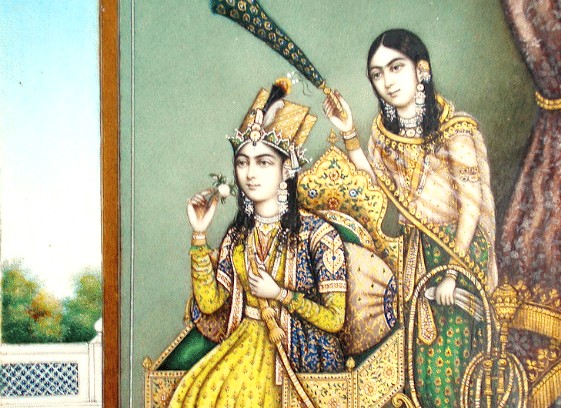
His most influential consort, Nur Jahan - born Mihr‑un‑Nissa, daughter of Ghiyas Beg - married him in 1611 after the death of her first husband, Sher Afghan. She and her family, including her brother Asaf Khan and father Itimad‑ud‑Daula, gained considerable influence at court, issuing farmans and arranging the marriage that produced Mumtaz Mahal, future wife of Shah Jahan. Other royal women, such as his mother Harkha Bai and daughter Jahanara in later years, supported religious endowments and charitable works. Within palace walls, women managed education of princes, distribution of alms, and subtle negotiations among factions, giving the zenana serious weight in imperial decisions.
Medications, Physicians, And Healing Faith
Medical care during Jahangir’s time continued Unani traditions emphasized under Akbar, while incorporating Ayurvedic and folk remedies from Indian regions. Court hakims diagnosed illnesses through humoral theory, prescribing compound syrups, pills, and ointments based on ingredients like myrobalan, saffron, sandalwood, metallic preparations, and carefully measured opium. Jahangir’s memoir mentions his own struggles with health, including issues from alcohol use, and the treatments he received. Hospitals funded by royal endowments in large cities offered some free care to the poor. Alongside formal medicine, many subjects sought cures at Sufi shrines or through local healers, combining prayer, amulets, and herbal decoctions in a layered approach to sickness and recovery. Jahangi Sky Bound Judgment
Daily Judgments From The Golden Chain
Jahangir became known for his concern with justice, symbolized by a golden chain said to hang outside his palace at Agra, which petitioners could use to call attention to grievances. His day reportedly began with prayer and then with public audiences, where he heard legal cases, revenue reports, and military news. Afternoons might be devoted to inspection of artworks, discussions with scholars, or observation of nature, including birds and animals kept in imperial menageries. Evenings often included wine, music, and poetry, though he struggled at times to regulate his drinking for health reasons. His life moved between strict courtroom decision‑making and more intimate, reflective hours spent with Nur Jahan, family, and trusted courtiers.
Trade Roads, Hunting Routes, And Port Ties
The dynasty’s trade network under Jahangir remained extensive. Overland roads linked Kabul to Lahore and Delhi, while routes from Agra led to Gujarat’s ports like Surat and to Bengal’s riverine towns. Goods such as textiles, indigo, sugar, spices, and horses traveled these corridors, paying tolls at imperial checkpoints. European merchants of the English and Dutch companies gained firm trading posts at Surat and elsewhere during this period, importing silver and exporting cloth. Jahangir’s frequent hunting expeditions, especially in Punjab and along the Ravi and Beas, followed some of the same arteries, allowing him to inspect bridges, caravanserais, and rural settlements. Trade and travel thus intertwined, sustaining both the court’s luxuries and the broader population’s livelihoods.
Battles, Revolts, And Contested Borders
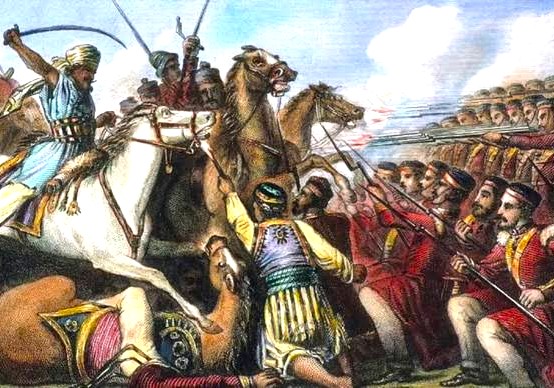
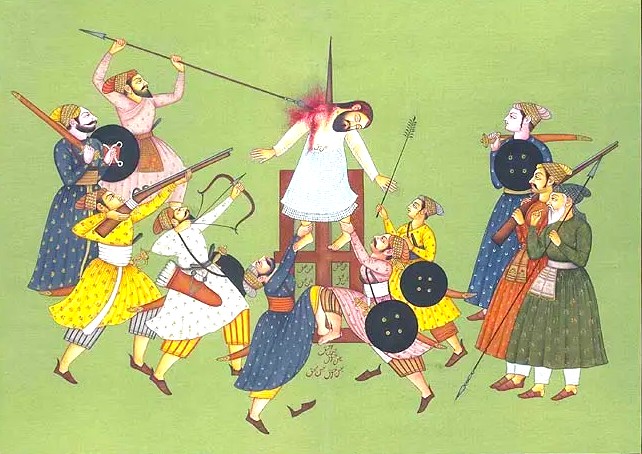
Jahangir’s reign, though calmer than many, saw its share of conflict. Early on, his son Khusrau rebelled in 1606; Jahangir defeated him near Lahore and imposed harsh reprisals, including executions along the road as a warning. The Khangar, Afghan, and Rajput chiefs in parts of Rajasthan and central India periodically challenged imperial authority, drawing the empire into campaigns to secure forts and passes. In the northwest, relations with the Safavids over Qandahar remained tense, with the city changing hands and occupying imperial attention. Although large population centers like Agra and Lahore remained relatively stable, frontier zones felt the stresses of siege, requisition, and shifting loyalties as generals pursued the emperor’s orders. Jahangi Sky Bound Judgment
People, Cities, And Changing Numbers
By Jahangir’s time, the population of Mughal India likely ranged between 80 and 100 million, with high densities along the Ganges plain, Punjab, and fertile coastal belts. Agra and Lahore each supported more than 200,000 inhabitants, including artisans, merchants, soldiers, scholars, and laborers. Smaller cities such as Ajmer, Allahabad, and Multan thrived as administrative or religious centers, while countless villages formed the base of grain production and tax revenue. Under relatively steady administration and irrigation, cultivated acreage expanded in many districts, supporting gradual population growth. At the same time, localized famines and epidemics periodically cut into these gains, reminding rulers and subjects of the fragile balance between human planning and the forces of climate and disease.
Echoes Of Jahangir In Present Time
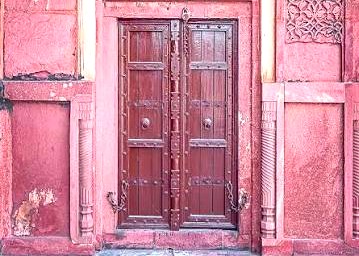
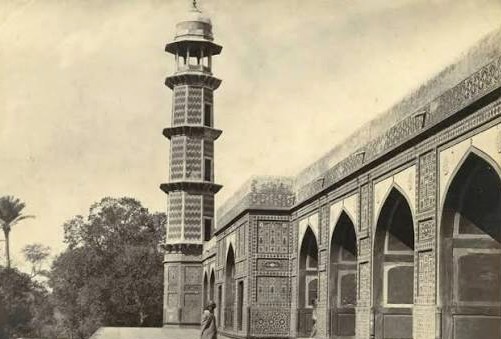
Today, traces of Jahangir’s rule appear in cities across India and Pakistan. The walled city of Lahore with its fort and nearby Jahangir’s tomb at Shahdara, completed in the 1630s, preserves direct links to his era. In Agra and Delhi, paintings, manuscripts, and coins from his reign survive in collections and museums, while Sufi shrines he visited continue to receive pilgrims. The Urdu and Persian literary traditions he patronized flow into present‑day poetry and prose. Landscapes he loved, especially Kashmir’s valleys and Punjab’s river plains, still carry orchards, terraces, and routes first formalized under the Mughals, even as new nations and cities have grown over the old dynastic grid.
Decline And Replacement Of Jahangir’s Line
After Jahangir’s death on 28 October 1627 near Bhimbar on the route from Kashmir to Lahore, the struggle for succession centered on his sons Shahryar and Prince Khurram. With crucial support from Nur Jahan’s brother Asaf Khan and allied nobles, Khurram prevailed and became Shah Jahan in early 1628, reshaping court structures and patronage patterns. While the Mughal Dynasty itself continued for nearly two more centuries, Jahangir’s particular circle, including Nur Jahan’s prominence, faded. New building campaigns, military priorities, and alliances under Shah Jahan and Aurangzeb altered the empire’s balance. Over the longer term, regional powers, European trading companies, and repeated wars eroded Mughal authority, eventually replacing Jahangir’s heirs as the primary arbiters of power across the subcontinent. Jahangi Sky Bound Judgment
Step Inside The Story - View All Tour Itineraries & Details

We’re here to offer genuine, thoughtful guidance if your interested in travelling to India. As a small, dedicated team, we pay close attention to every detail so you can focus on enjoying the experience while we take care of the planning. We believe the best trips begin when someone truly listens to what you want and how you like to travel, so the journey feels right for you and contributes to a happy, positive group on tour. Our communication stays clear, straightforward, and respectful at every step, with the goal of helping you feel understood, supported, and confident from first contact to the end of your journey.
Click Catherine Frith - About The Founder
Click Discover Life Travel - All Tours and More
Click Why We Are Different - Unique, Safe, Transparent