A Unique Look Into Indian History
Indus Valley: Harappan Civilization
Discover Life Travel
River Plains Before Harappan Cities
Long before the Harappan (Indus Valley) Civilization in Bronze Age South Asia matured, the Indus and Saraswati–Ghaggar plains were home to small Neolithic and Chalcolithic farming villages. Archaeology shows mud-brick houses, simple pottery, early cattle and wheat–barley cultivation that fit pre-Harappan village cultures in the northwest Indian subcontinent. People lived near seasonal rivers, herding animals and growing crops in floodplains. These communities experimented with craft production, long-distance contacts and ritual spaces, forming the social and technological foundations from which large Harappan cities would later arise. Indus Valley Harappan Civilization
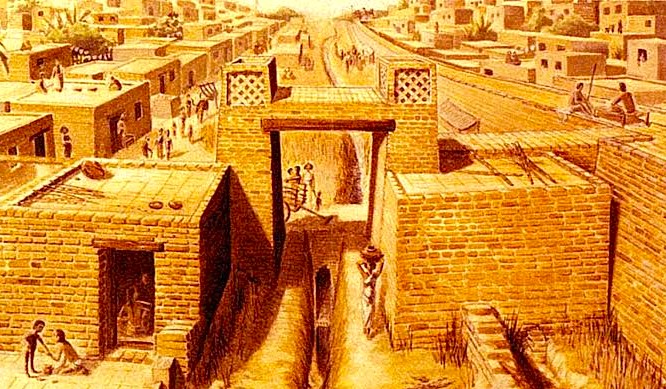
Indus Valley - Harappan Civilization: Emergence Of The Harappan Urban Order
Between roughly 2600–2500 BCE, scattered settlements coalesced into the mature Harappan urban system in the Indus–Saraswati region. Sites like Harappa, Mohenjo-daro, Dholavira and others developed planned streets, standardized bricks and large public works. This shift marks the rise of one of the world’s earliest urban civilizations in South Asia, contemporaneous with Egypt and Mesopotamia. Instead of a single known dynasty, power seems to have been distributed across multiple city-states sharing common weight systems, seals, pottery styles and urban planning principles, forming a broad, interconnected cultural zone.
Daily Life In A Harappan House
In a typical Harappan city household, life centered on brick-built homes arranged along straight streets with drains. Courtyards provided light and work space: rooms housed sleeping, storage and food preparation. People ate wheat, barley, pulses, sesame, possibly rice in some regions, along with fruits, vegetables and animal products, reflecting diverse Bronze Age diets in Indus cities. Potters’ wheels, looms and grindstones appear in many homes, indicating household-based craft production and food processing. Shared wells, baths and latrines connected individual dwellings to an impressive urban infrastructure.
Fields, Herds And Village Harappans
Beyond the great mounds, most people lived in rural Harappan villages and farmsteads. They cultivated fields using plough-like tools, irrigated by seasonal floods and simple canals in some areas. Cattle, water buffalo, sheep, goats and possibly camels supported mixed farming - pastoral economies in the Indus basin. Villagers supplied grain, animals and raw materials to cities, receiving crafted goods and perhaps prestige items in return. Everyday life was marked by sowing, harvest, herding, local markets and small shrines, tying countryside and city into a single agrarian-urban system. Indus Valley Harappan Civilization
Workshops, Craft Quarters And Trade Goods
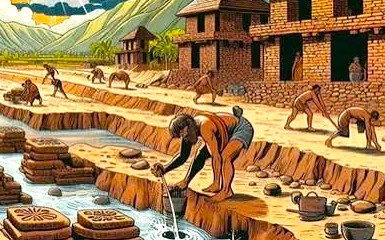
Within urban neighborhoods, specialized workshops reveal Harappan craft industries and long-distance trade networks. Bead-makers used carnelian, lapis lazuli, shell and faience; metalsmiths worked copper, bronze, gold and silver; potters produced standardized, wheel-thrown ceramics. Artifacts show links to Mesopotamia, Oman and Central Asia, evidence of Indus participation in Bronze Age interregional trade. Seals and weights suggest regulated exchange and property marking. Skilled artisans, likely organized by family or lineage, underpinned the economic strength and cosmopolitan character of Harappan cities.
Town Planning, Drains And Civic Order
Harappan sites are famous for their urban planning and drainage systems. Streets were laid out on grid-like patterns; buildings used standardized baked bricks; covered drains ran along roads, with soak-pits and access points, showcasing advanced Bronze Age sanitation and civic engineering. Citadel mounds held large structures such as granary-like buildings, halls or baths (e.g., Mohenjo-daro’s “Great Bath”), indicating centralized organization of public architecture and water use. This level of planning implies strong community coordination, though we lack names of rulers or councils that directed it.
Weights, Seals And Harappan “Law”
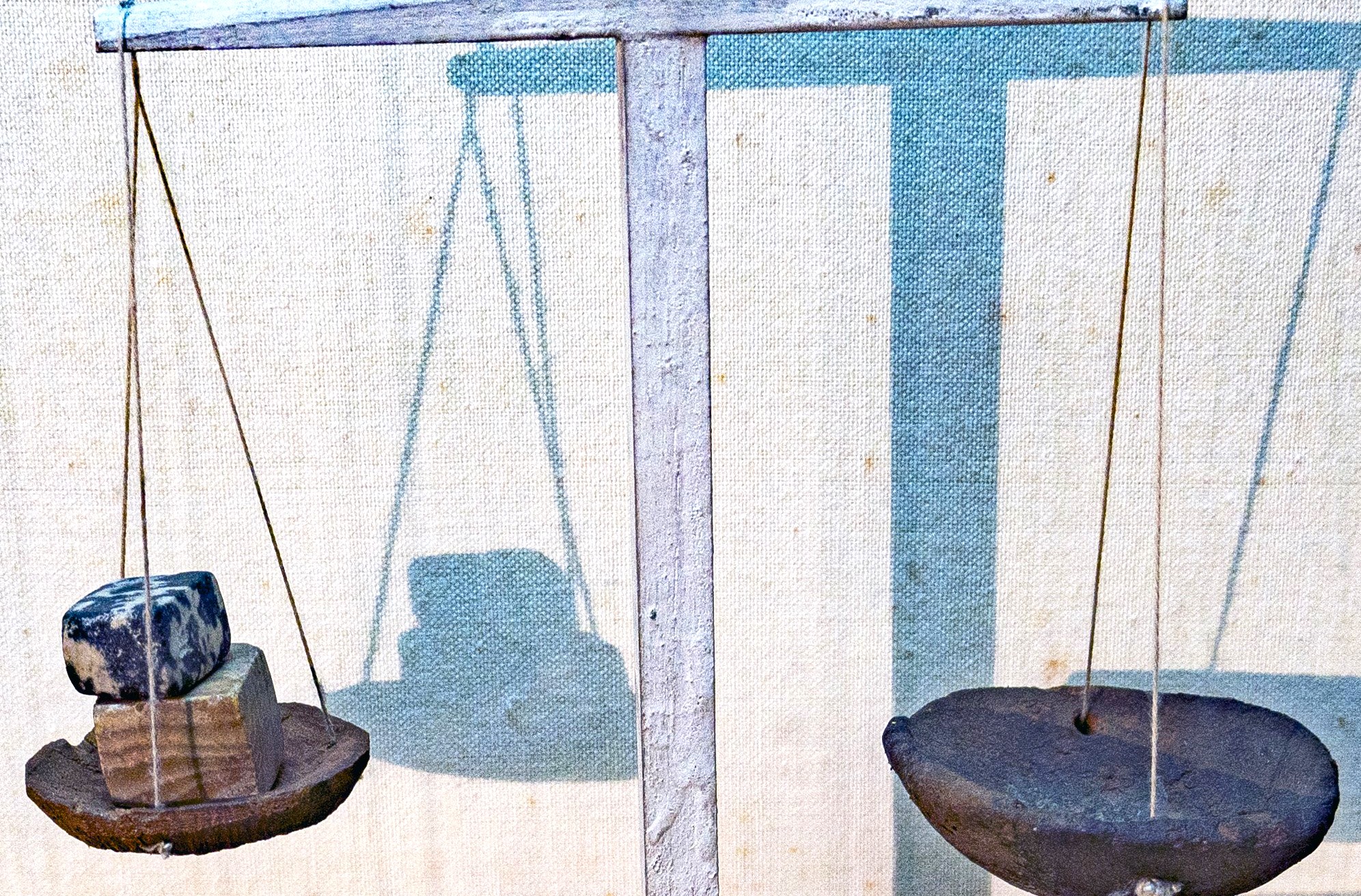
Without deciphered texts, we infer Harappan administrative and legal practices from material remains. Carefully standardized stone weights, consistent across distant sites, point to controlled measures in trade and taxation - an early form of economic regulation and commercial law in the Indus world. Seals with animal motifs and script likely marked ownership, identity or official sanction. While we don’t know formal laws, this material suggests rules around property, exchange and possibly civic behavior, enforced by elites based in citadel complexes and supported by scribes who used the still-undeciphered Indus script. Indus Valley Harappan Civilization
Gods, Symbols And Sacred Spaces
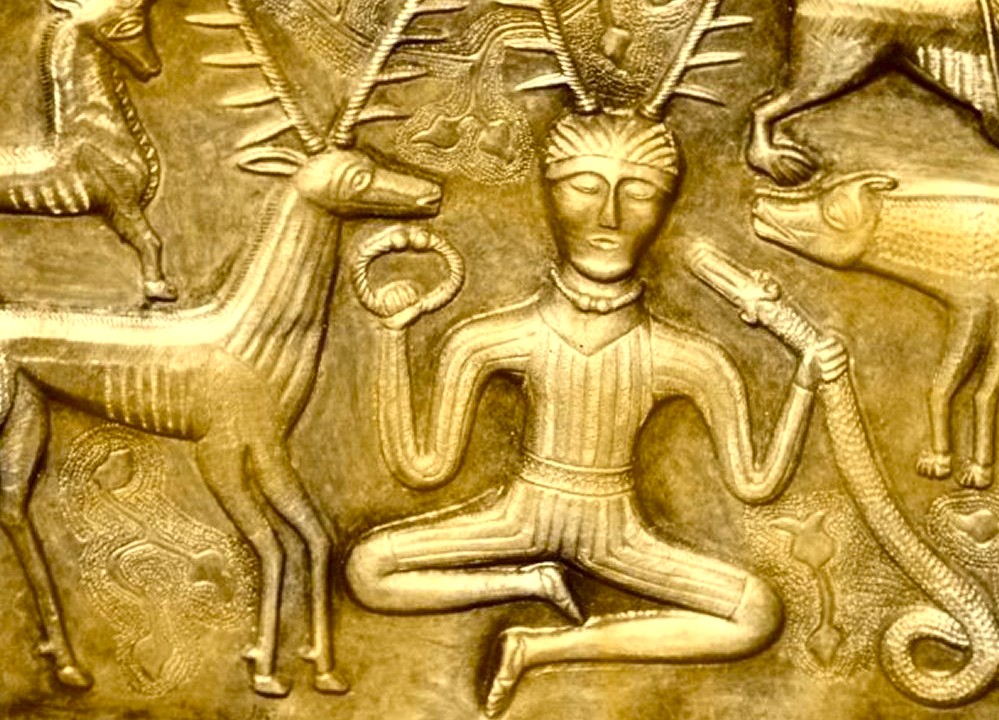
Religious life in Harappan culture is reconstructed from figurines, seals, altars and special buildings, forming Indus religious symbolism and ritual practice. Seals show horned figures, animals, composite beings and possible proto-Shiva or mother-goddess motifs, hinting at fertility, animal and possibly yogic cults. Fire altars at sites like Kalibangan and special water structures like the Great Bath suggest ritual purification and communal ceremonies. Sacred trees, animals (bulls, unicorn-like figures) and amulets indicate a richly symbolic world, though we cannot securely link it to later Hindu traditions in detail.
Festivals, Markets And Communal Life
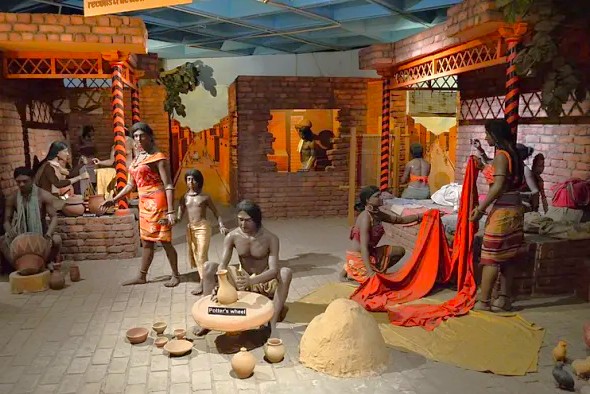
Though we lack direct descriptions, archaeological patterns allow us to imagine festival and market life in Harappan cities. Open spaces near major structures and gateways likely hosted gatherings, trade, ritual and possibly seasonal celebrations. Regular craft and food exchange days would have brought villagers and townspeople together in Bronze Age Indus markets and fairs. Music, dance and storytelling are likely, though only faintly reflected in terracotta figurines and rare instruments. Such events helped knit together a diverse population under shared urban identities and ritual calendars. Indus Valley Harappan Civilization
Elites, Status Goods And Social Hierarchy
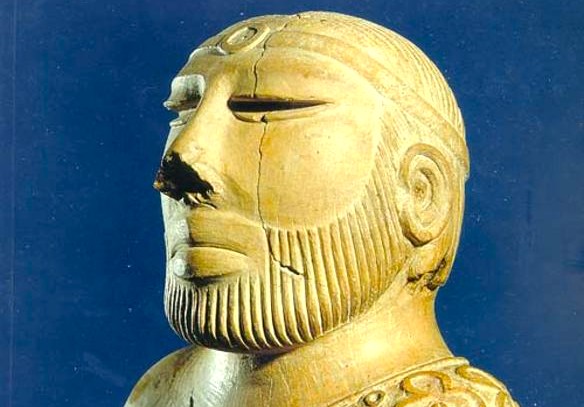
Graves and house sizes suggest social stratification in Harappan communities, though without ostentatious royal tombs. Some houses are larger, with finer materials; certain graves contain more jewelry or prestige items. Seal-owners and administrators likely formed an upper stratum; skilled craftsmen and traders occupied intermediate levels; farmers and laborers formed the base, reflecting complex but relatively restrained hierarchical structures compared to later empires. The absence of obvious palaces or king-statues leads many scholars to think in terms of urban oligarchies or civic elites rather than a single centralized dynasty.
Harappan “Magic,” Amulets And Healing
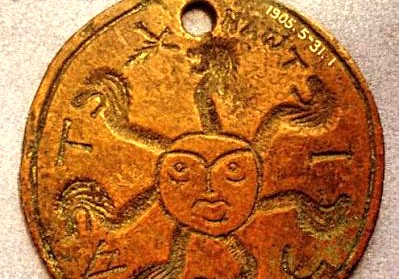
Amulets, figurines and evidence of herbal use point to Harappan practices of protection, healing and what we’d now call “magic”. Small terracottas might have served as household deities, fertility charms or toys. Shell, stone and faience amulets could ward off illness or misfortune, linking ritual object use with everyday concerns for health and safety. Plant remains and grinding tools suggest knowledge of medicinal herbs. Ritual and practical knowledge likely mingled, with specialists - healers, diviners - serving as key figures in Harappan spiritual and medical life. Indus Valley Harappan Civilization
Burials, Cremation And Ancestor Respect
Burial practices varied across the Indus zone: extended inhumations, secondary burials and possible cremation residues together show diverse mortuary customs in Harappan culture. Grave goods - pots, ornaments, occasionally tools - accompanied the dead, implying beliefs about an afterlife or the continued significance of the deceased. Cemeteries were placed outside habitation areas but near them, building a landscape where the living and dead coexisted in structured ways. These practices suggest some form of ancestor respect, even if formal ancestor cults are not clearly visible.
Healers, Wells And Water Rituals
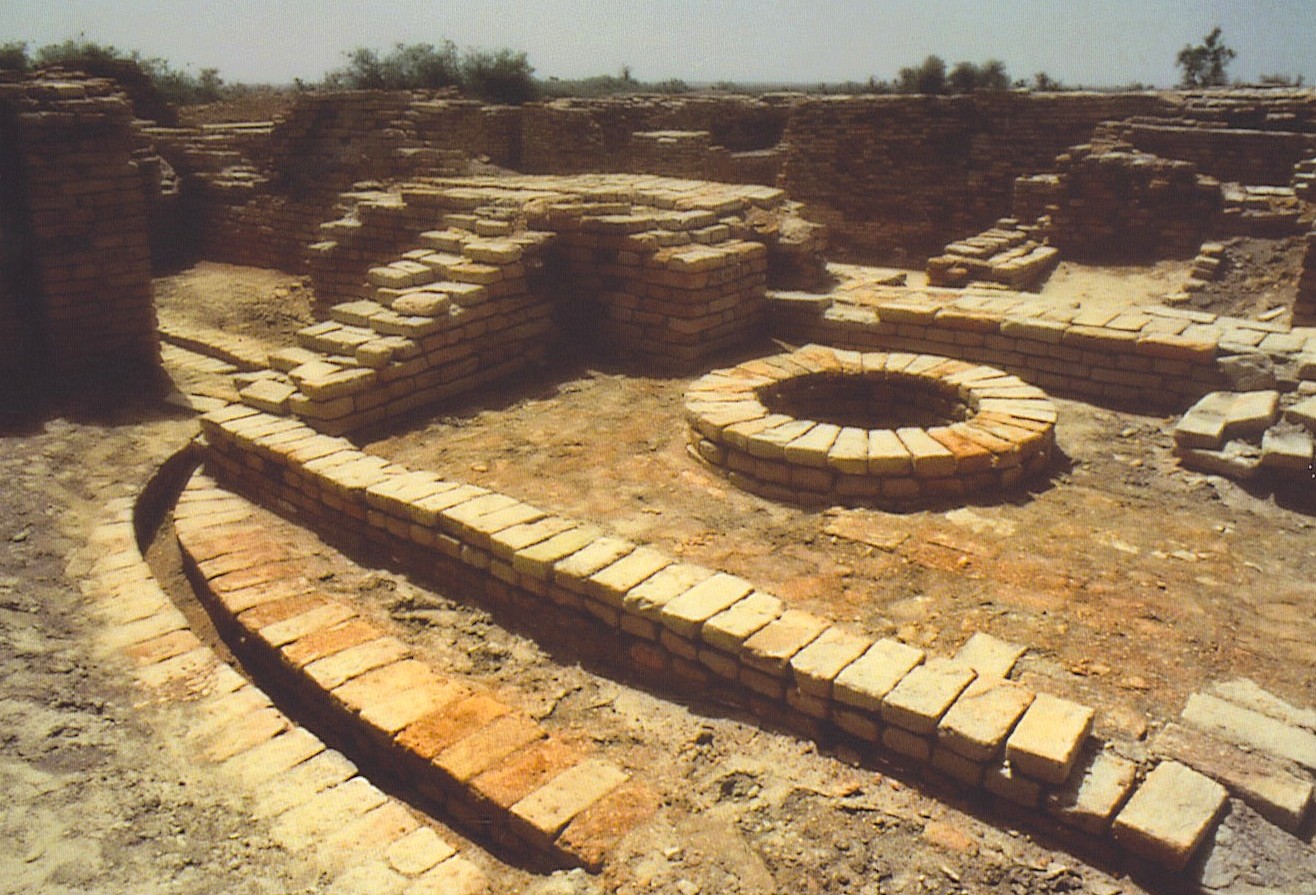
Widespread wells and baths indicate concern for water, cleanliness and health in Harappan settlements. Many houses had their own wells; public wells and bathing spaces supplemented them. Clean water would reduce disease, while bathing might also carry ritual significance. Healers probably combined observation-based remedies with spiritual methods, exemplifying Bronze Age South Asian healing traditions before written medical treatises. The investment in water infrastructure shows that health, hygiene and ritual purity were important at the community level.
Rivers, Climate Stress And Urban Decline
By around 1900 BCE, many large cities shrank or were abandoned, marking the decline and transformation of the Harappan urban system. Climate shifts affecting monsoons and river flows, changes in the course of the Ghaggar–Hakra (often linked to the “Saraswati”), and pressures on agricultural systems likely contributed. Trade routes shifted, and some populations moved east or south into smaller settlements, blending with emerging cultures, illustrating complex, gradual de-urbanization rather than a single catastrophic collapse. The Harappan “dynasty” did not fall; its civilization morphed, leaving enduring influences on later South Asian material, agricultural and perhaps cultural patterns.
Scripts, Memory And Modern Rediscovery
For millennia, the Indus cities lay buried and forgotten in historical memory. Their modern rediscovery in the 19th–20th centuries as the Harappan/Indus Valley Civilization transformed understanding of early Indian history. The still-undeciphered script, standardized weights and graceful crafts remain subjects of intense study. Though we cannot name a “Haroppen Dynasty,” the civilization stands as a foundational urban experiment in South Asia, shaping debates on state formation, religion and identity. Its muted yet powerful legacy continues in scholarship, museums and popular imagination as people seek to connect contemporary cultures with these ancient, silent brick-built cities of the Indus. Indus Valley Harappan Civilization
Step Inside The Story - View All Tour Itineraries & Details

We’re here to offer genuine, thoughtful guidance if your interested in travelling to India. As a small, dedicated team, we pay close attention to every detail so you can focus on enjoying the experience while we take care of the planning. We believe the best trips begin when someone truly listens to what you want and how you like to travel, so the journey feels right for you and contributes to a happy, positive group on tour. Our communication stays clear, straightforward, and respectful at every step, with the goal of helping you feel understood, supported, and confident from first contact to the end of your journey.
Click Catherine Frith - About The Founder
Click Discover Life Travel - All Tours and More
Click Why We Are Different - Unique, Safe, Transparent