Unique Insights Into The Rivers Of India
Indus River: India
Discover Life Travel
Lifeblood of the Harappan Plains
The Indus River, originating from the Tibetan Plateau near Lake Mansarovar, is known as the Sengge Zangbo before it descends through the Karakoram and Himalayan ranges. Its name derives from the Sanskrit word 'Sindhu', which later gave rise to the names of both India and the Hindu religion, representing a primal boundary of civilization. Flowing across 3,180 kilometers, it traverses Tibet, India, and Pakistan before discharging into the Arabian Sea through a sprawling delta. This water system sustains nearly 200 million people, providing the fundamental irrigation for the semi-arid plains of the Punjab and Sindh for over five millennia. The river passes through deep mountain gorges and the vast Thar Desert fringes, carving a path that has dictated the rise and fall of global powers since the Bronze Age. Indus River India
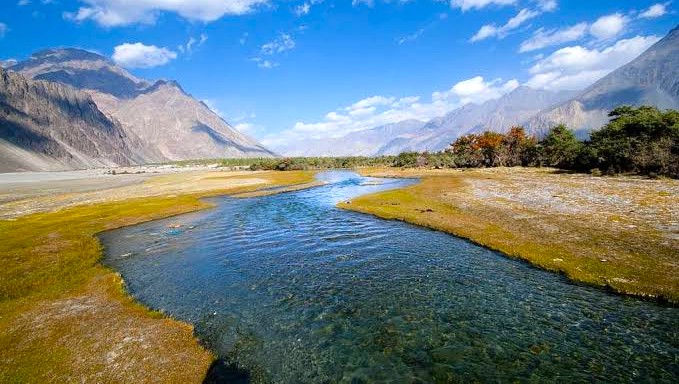
Indus River India: Primordial Foundations of the Valley
Before recorded history, the region near the lower Indus was inhabited by the Hakra Ware culture around 5500 BCE. Local oral traditions identify the river as a gift from the sky, flowing from the mouth of a lion in the high mountains to nourish the dry earth. During the Neolithic period, approximately 7000 BCE, the settlement of Mehrgarh appeared on the Kachi Plain, featuring mud-brick granaries and early evidence of wheat cultivation. These early inhabitants practiced animal husbandry and worshipped fertility figures. The river was seen as a source of both life and destruction. Excavations reveal that these prehistoric communities traded turquoise and lapis lazuli with highland tribes, establishing the first trans-continental trade networks in South Asia.
Rise of the Harappan Dynasty
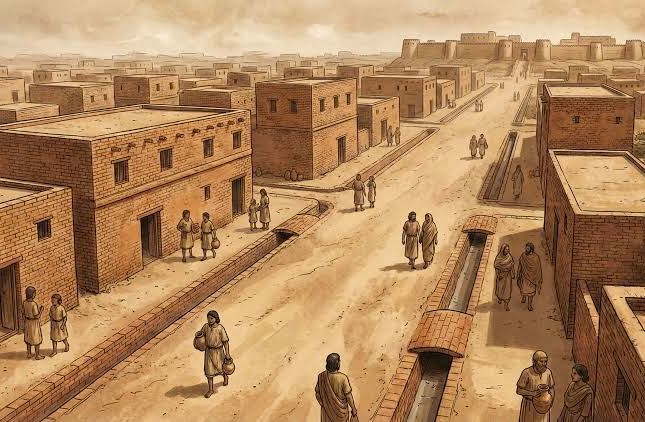
In 2600 BCE, the Indus Valley Dynasty established its major urban centers at Mohenjo-daro and Harappa on the river banks. Led by an organized elite of priests or merchant-kings, this Dynasty controlled a territory larger than ancient Egypt or Mesopotamia. They developed the river as a commercial highway for transporting timber and grain. The population of Mohenjo-daro reached approximately 40,000 during its peak in 2500 BCE. The royal or elite families lived in multi-story brick houses with private baths and complex drainage. Children played with terracotta carts and dice. This era marked the transition of the river from a seasonal flood-plain into the heart of the world's most advanced urban planning system. Indus River India
Engineering the Great Bath
The construction of advanced water management systems reached its zenith under the Harappans around 2500 BCE. They built the 'Great Bath', a watertight pool lined with bitumen and baked bricks, used for ritual purification. By 2300 BCE, the city planners expanded the network of covered sewers and brick-lined wells that provided fresh water to every household. The engineering focused on protecting the city from the massive summer floods that occurred between July and September. This meticulous management allowed for a constant surplus of barley and peas, supporting a growing population of jewelers and seal-cutters who settled in the grid-planned streets, transforming the riverbank into a center of global industrial production.
Chronicles of the Mauryan Dynasty
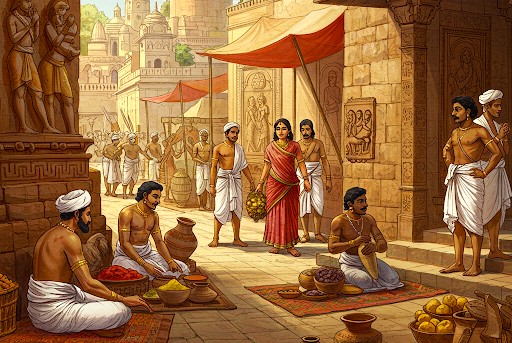
The Mauryan Dynasty, founded by Chandragupta Maurya in 322 BCE, shifted the focus to the northern reaches of the river near Taxila. For nearly two centuries, this lineage governed the Indus basin, integrating it into a vast pan-Indian state. The royal households maintained strict protocols, with the Queen overseeing the inner palace while the King managed a vast spy network and military campaigns. Marriage for royal women served as a tool for international diplomacy, notably the alliance between Chandragupta and the Greek general Seleucus Nicator. The population of the region swelled to over 1,000,000 by 250 BCE. These rulers fortified the river crossings against invasions and established a bureaucracy that regulated river trade. Indus River India
Spirits of the Eternal Stream
Religious practices along the Indus center on the concept of 'Puri' or spiritual cleanliness. The most significant modern site is the Sadhu Belo temple in Sukkur, where thousands gather for the birthday of Baba Bankhandi Maharaj. In 1850 and 1920, records show massive congregations of both Hindus and Muslims at the river shrines. Daily rituals include the offering of oil lamps to the river god Udero Lal, who is believed to protect the waters. Devotees believe the river possesses the power to bridge different faiths through a shared reverence for the water. Local keepers maintain the shrines of Sufi saints along the banks, preserving a continuous record of mystical devotion and communal harmony.
Harvests of the Arid Silt
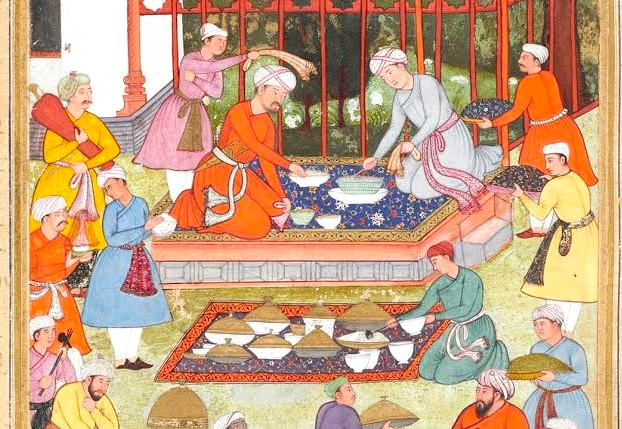
Food traditions along the river rely heavily on the fertile deposits left by the receding floods. A staple is the 'Palla' fish, a species of shad that swims upstream to spawn. In the 1800s, annual catches exceeded 1,000 tons. Preparations involve stuffing the fish with spices and slow-roasting it over charcoal pits. The royal kitchens traditionally prepared 'Sohan Halwa', a dense sweet made from sprouted wheat and nuts, during celebratory feasts. Quantities were massive; during a 16th-century Mughal banquet, chronicles mention the consumption of 8,000 kilograms of meat and 3,000 liters of sherbet. Daily meals for commoners consisted of flatbreads, lentils, and yogurt produced by the cattle grazing on the riverine grasses. Indus River India
Rhythms of the River Festivals
Festivals mark the shifting of the seasons and the arrival of the life-giving floods. The Cheti Chand festival, held in March or April, celebrates the birthday of the river deity and the start of the lunar new year. Another key event is the Jashan-e-Mehran, a cultural festival held in Sindh to honor the river's bounty. During these times, the river banks are transformed into vibrant marketplaces with camel races and folk music. Cultural performances include the 'Ho-Jamalo' dance, which celebrates victories and the arrival of water in the canals. These celebrations are timed with the solar equinox, ensuring communal participation. The scale of these events requires months of preparation by local guilds.
Battles of the River Fords
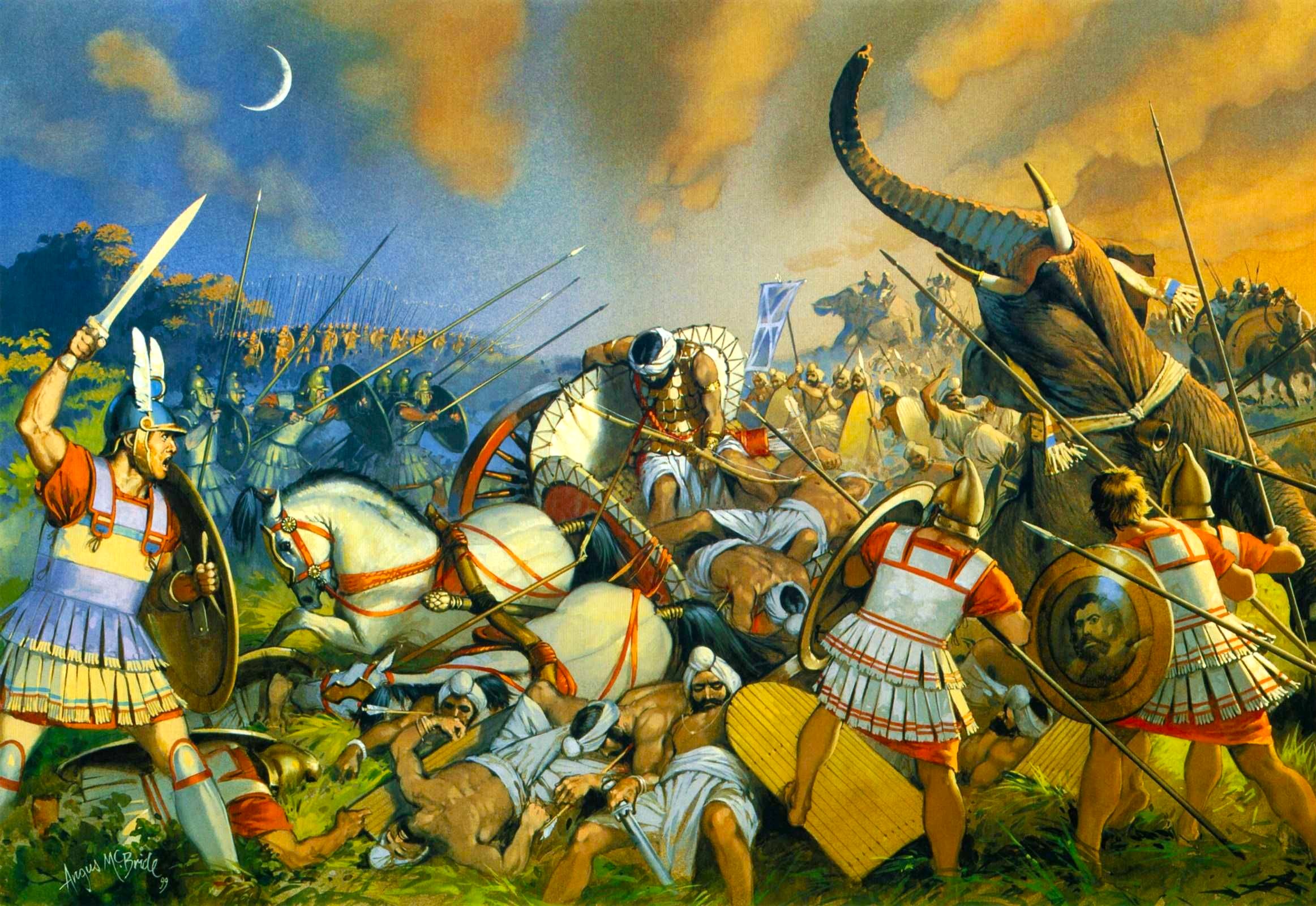
The river has been a site of pivotal military encounters. In 326 BCE, the Battle of the Hydaspes took place near a tributary, where Alexander the Great faced King Porus. Alexander used the river's treacherous currents during a monsoon storm to surprise the local forces. Later, in 712 CE, the forces of Muhammad bin Qasim crossed the Indus to conquer the region for the Umayyad Caliphate. A decisive battle occurred near Aror, where the local Dynasty was defeated by the caliphate's cavalry. These conflicts focused on controlling the ferry points and bridges that allowed armies to traverse the gateway to the Indian interior. The river is depicted in chronicles as a formidable barrier that tested the resolve of conquerors. Indus River India
Arteries of the Desert Trade
Trade routes followed the river's course, connecting the Arabian Sea to the Silk Road in Central Asia. From 2000 BCE, cotton goods, beads, and spices were transported on reed boats to the Persian Gulf. The Mesopotamian civilizations traded silver and wool for Indus timber and gold. In the 1800s, the British established the Indus Flotilla, a fleet of steamers that carried mail and passengers between Karachi and Multan. These routes facilitated the movement of textiles, bringing indigo and wheat to international markets. The river acted as a highway for salt from the Range and horses from the north, creating a diverse economy that linked the seafaring traders of the south with the mountain nomads.
Healing from the Salt Range

Medicinal practices along the Indus utilize the minerals and herbs found in the adjacent Salt Range. The 'Hakims' or traditional physicians use 'Himalayan Pink Salt' for digestion and 'Ajwain' for respiratory health. During the 11th century, the Ghaznavid rulers established hospitals that integrated Greek medicine with local herbal lore. The regions near the river banks are known for 'Punnarnava' and other herbs used to treat kidney ailments common in the hot climate. Royal families employed experts who prepared cooling potions from sandalwood and rosewater. These remedies were documented in 'Hikmat' scrolls, some of which are still used in local clinics. The river water is often considered a vehicle for these cures due to its mineral content.
Domesticity within the Sun-Dried Bricks
Daily life for the royal families was a blend of administrative rigor and shaded luxury. The King typically held an audience in the cool morning hours before the desert heat intensified. The Queen oversaw the weaving of fine muslins and the management of the royal zenana. Children played with mechanical bronze toys and learned mathematics using a base-ten system. Meals were served on glazed ceramic plates, with a focus on fresh dates and river fish. In the evenings, the family gathered in wind-catcher towers designed to funnel the river breeze into the living quarters. Despite the harsh environment, the royals maintained lush gardens irrigated by complex Persian wheels, creating oases of green amidst the dust of the plains. Indus River India
Legacy of the Canal Colonies
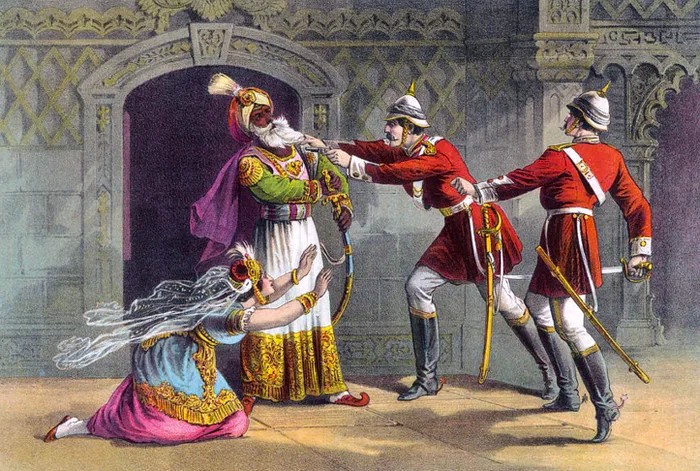
The 19th century brought a radical transformation to the Indus under British colonial rule. The construction of the Sukkur Barrage, completed in 1932, created the world's largest irrigation system, turning millions of acres of desert into fertile farmland. This project cost over 20 million British Pounds and involved the excavation of thousands of miles of canals. The population of the Indus basin tripled within fifty years as settlers from across the Punjab arrived to farm the new lands. Steam trains replaced the slow river boats, carrying wheat and cotton to the port of Karachi. This era saw the introduction of commercial agriculture and western law, which replaced the traditional communal management of the river's annual floods.
Modern Stewards of the Silt
Today, the Indus faces challenges from water scarcity and the construction of massive hydroelectric dams. Cities like Hyderabad and Sukkur have populations exceeding one million, putting a strain on the river's flow and ecology. Environmental groups now work to save the blind Indus dolphin, a unique species adapted to the river's murky waters. Modern water treaties between nations attempt to balance the needs of energy production and agriculture. Despite these pressures, the river remains the spiritual and economic anchor of the region. New infrastructure, such as the Kotri Barrage, continues to support the livelihoods of millions. The river is still celebrated in the poetry of Shah Abdul Latif Bhittai, proving that the ancient connection between the land and the Sindhu remains eternal. Indus River India
Sunset of the Harappan Sovereignty
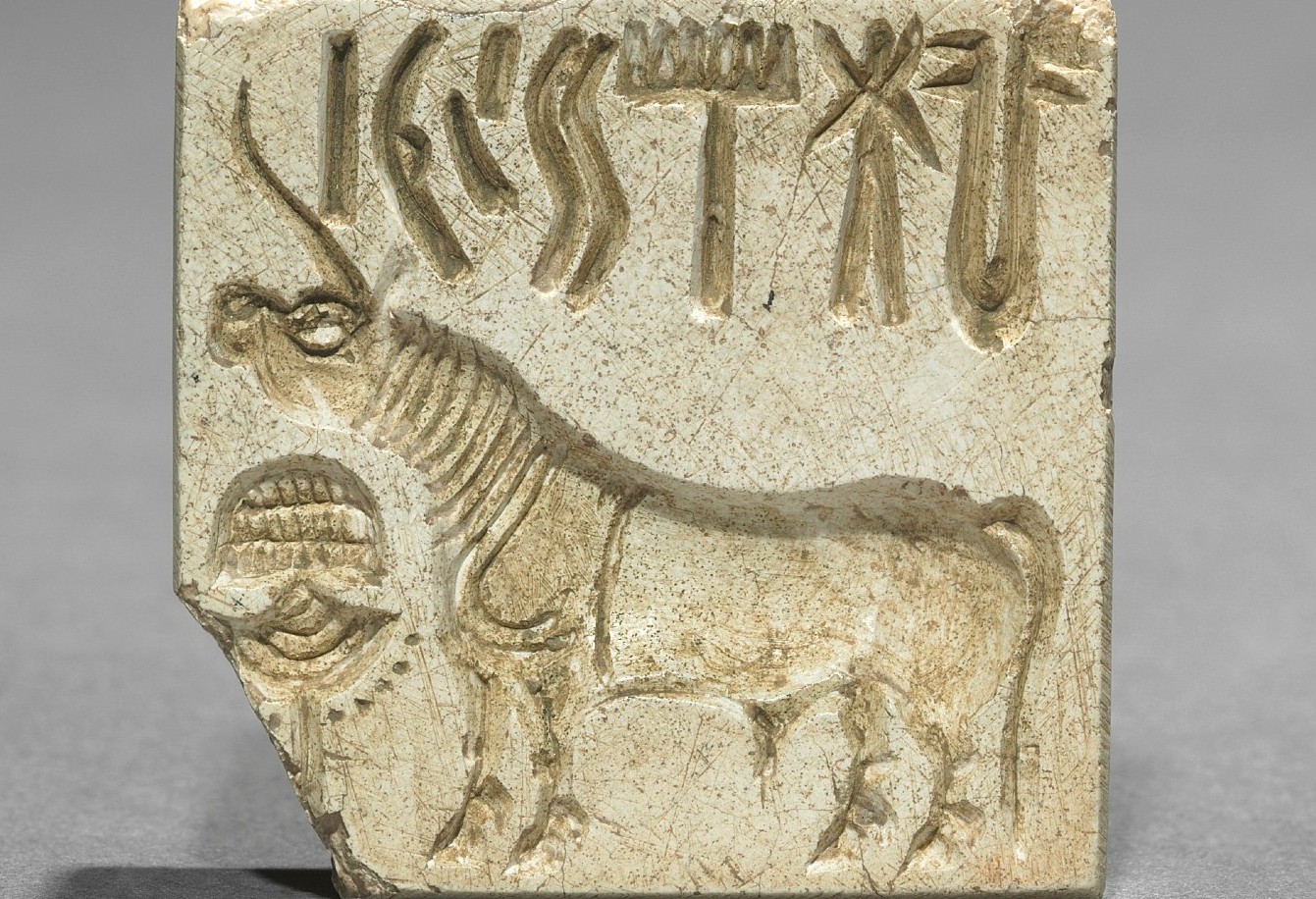
The decline of the Indus Valley Dynasty began around 1900 BCE due to a combination of shifting river courses and a drying climate. By 1800 BCE, the great urban centers of Mohenjo-daro and Harappa were being abandoned as the annual floods became unpredictable. The internal social cohesion fractured as the central authority could no longer maintain the complex drainage and irrigation systems. Frequent invasions by nomadic groups from the northwest further destabilized the remaining settlements. The final collapse of the urban culture occurred as the population migrated eastward toward the Ganges, ending nearly a thousand years of technological and artistic dominance as the localized village cultures replaced the once-unified Harappan Dynasty.
Step Inside The Story - View All Tour Itineraries & Details

We’re here to offer genuine, thoughtful guidance if your interested in travelling to India. As a small, dedicated team, we pay close attention to every detail so you can focus on enjoying the experience while we take care of the planning. We believe the best trips begin when someone truly listens to what you want and how you like to travel, so the journey feels right for you and contributes to a happy, positive group on tour. Our communication stays clear, straightforward, and respectful at every step, with the goal of helping you feel understood, supported, and confident from first contact to the end of your journey.
Click Catherine Frith - About The Founder
Click Discover Life Travel - All Tours and More
Click Why We Are Different - Unique, Safe, Transparent