A Unique Look Into Indian History
Gurjara Pralhara Dynasty: Mount Abu
Discover Life Travel
Life Before Pralhara Rule In Arbuda
Long before the Gurjara Pralhara Dynasty of Mount Abu and southern Rajasthan emerged, the Arbuda (Abu) hills and the surrounding semi-arid plains were dotted with early shrines, forest hamlets and petty strongholds. Archaeology and early records point to ancient Rajasthan hill settlements around Mount Abu and southern Aravalli ranges and early Rajputana trade routes linking Gujarat ports, Malwa and Marwar. Small Gurjara, Bhil and allied clans guarded passes, wells and caravan stages. Proto-Nagari inscriptions mention minor chiefs, cattle levies and temple repairs. This pre-dynastic Gurjara–Bhil clan landscape formed the ecological, economic and sacred matrix that Pralhara and his heirs would bind into a dynasty. Gurjara Pralhara Dynasty Mount Abu
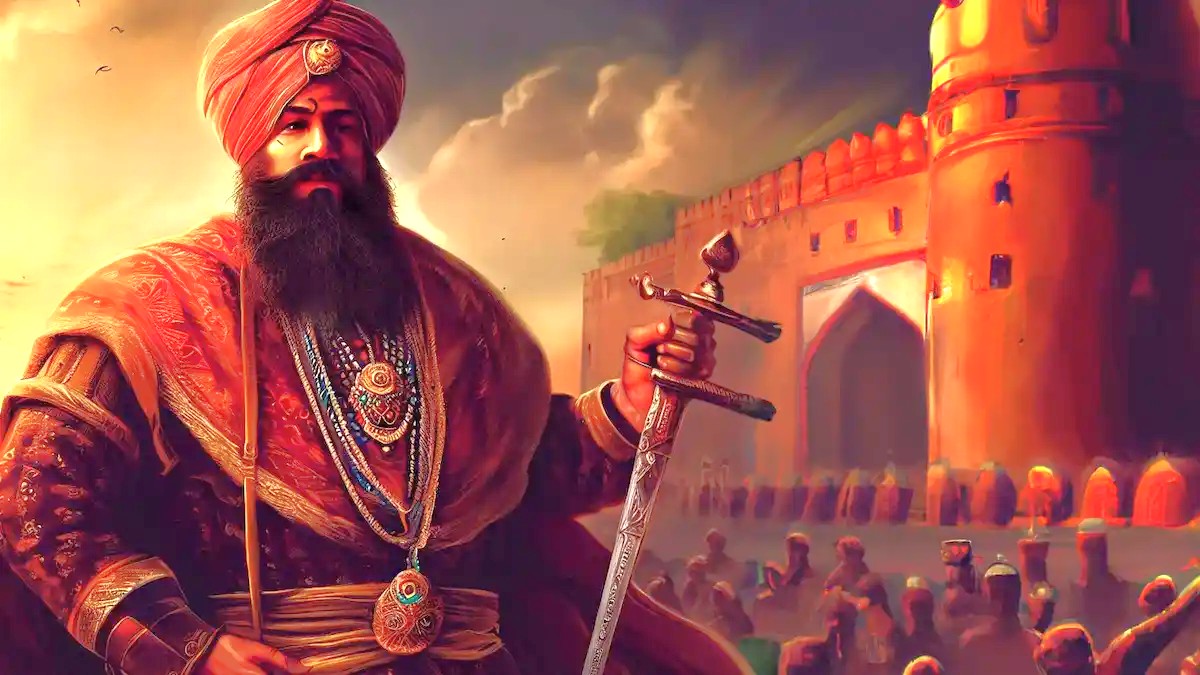
Gurjara Pralhara Dynasty - Mount Abu: Seizes Arbuda Hill-Fort
The origin story of the Gurjara Pralhara Dynasty centers on the chieftain Pralhara, remembered as a Gurjara leader in the Arbuda region. Under a weakening overlord - likely linked to earlier Pratihara patterns - Pralhara consolidated local hill chiefs and seized the main fort near Mount Abu, creating a Gurjara Rajput-style principality controlling the Arbuda hills and nearby plains. Later sources and genealogies treat him as founder of a line that drew revenue from grazing, agriculture and pilgrimage routes. From Pralhara’s coup onward, the house became a recognizable regional bridging Rajasthan and Gujarat spheres.
Sunrise Rituals In Pralhara’s Court
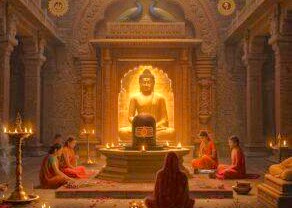
Daily life within the Gurjara Pralhara royal household around Mount Abu followed patterns typical of early Rajput palace routines in hill-fort states of western India. At dawn, the ruler bathed, received sandal and vermilion tilak, and made offerings in a household shrine - often to Shiva, Surya or a family goddess. Queens oversaw inner apartments, jewelry, granaries and temple offerings, embodying Rajput royal women’s roles in economic management and religious patronage in Rajasthan - Gujarat borderlands. Princes practiced sword, spear, bow and horse-riding before learning epics, dharma and land administration; princesses studied music, embroidery, estate accounts and marriage diplomacy, absorbing court etiquette and political skills from an early age. Gurjara Pralhara Dynasty Mount Abu
Village Fields, Forest Edges And Panchayats
Beyond the fort, common life in Gurjara Pralhara-ruled rural southern Rajasthan and Abu foothills revolved around seasonal agriculture, herding and forest use. Farmers ploughed black and sandy soils to grow millets, barley, pulses and later some wheat, relying on tanks and monsoon. Women fetched water at wells and stepwells, spun cotton and wool, and traded in weekly bazaars. Bhil and related groups hunted, gathered forest produce and worked as auxiliary warriors, typifying mixed agrarian–tribal economies under early Rajput hill polities. Village panchayats under banyans or at shrine platforms settled disputes, reflecting local self-governance and customary law in pre-modern Rajasthan villages.
Royal Kitchens, Hunting Meat And Feast Days
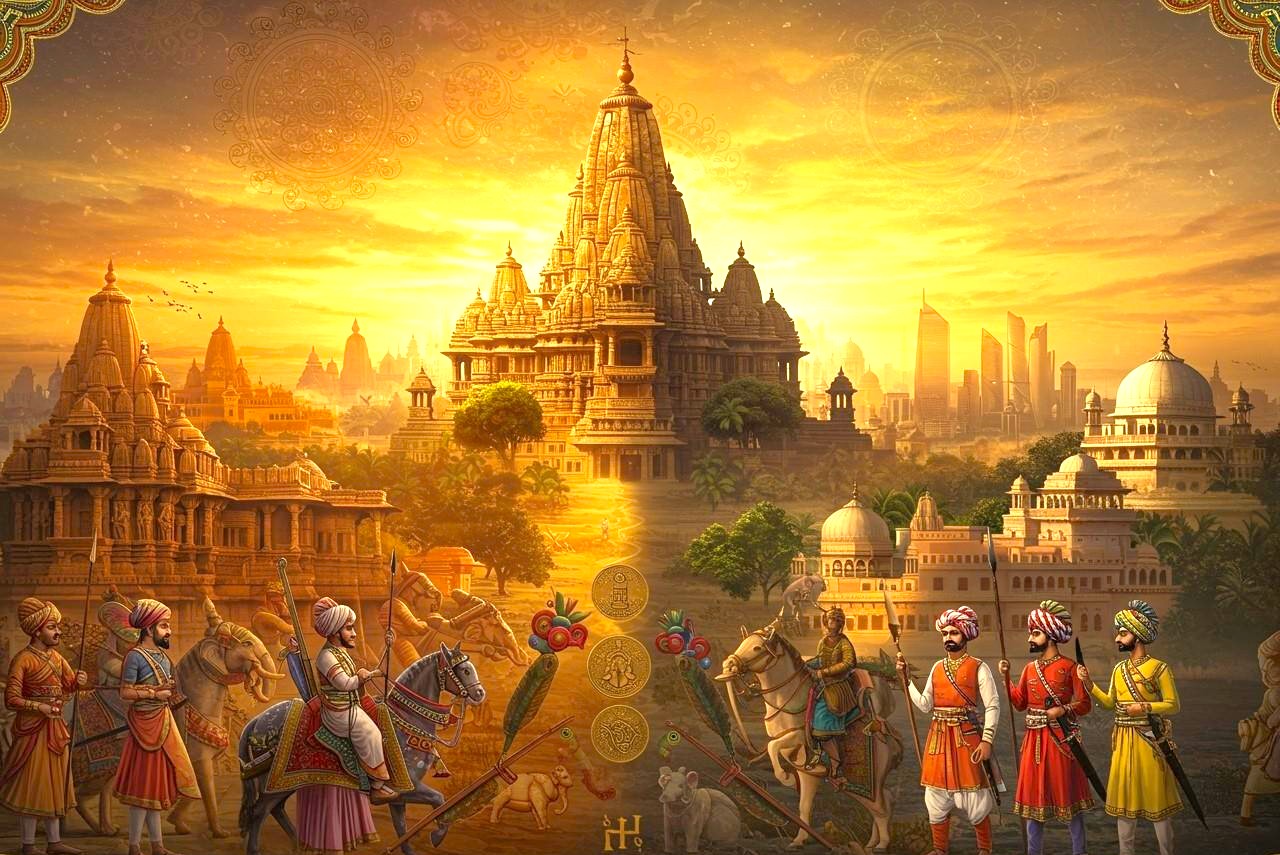
Inside the stronghold, great kitchens embodied medieval Rajasthan - Gujarat frontier royal cuisine and mass-feeding practices. Before sunrise, cooks stoked fires under iron cauldrons, boiling rice or millets and lentils for guards, courtiers and priests. Hunters brought deer, wild boar and game birds from Aravalli forests: herders provided ghee, milk and yogurt; gardens and markets supplied vegetables, herbs and spices, forming Western Indian hill-fort diet patterns under Rajput Dynasties. On festivals, coronations or victory days, extra cauldrons simmered for temple courtyards and public squares as Gurjara Pralhara charity feasts and anna-dana fed villagers and travelers, turning food into both pious act and political theatre. Gurjara Pralhara Dynasty Mount Abu
Laws, Honor Codes And Penalties
Law in Gurjara Pralhara territories around Mount Abu blended dharmashastra principles, clan honor and local custom, forming hybrid legal and punitive systems in early Rajput hill kingdoms. Land encroachment could bring loss of plots and compulsory labor on tanks or walls. Water theft from canals or johads risked fines in grain or cattle. Market cheats faced public shaming - broken measures, confiscated goods - and temporary bans, reflecting historic Rajasthan bazaar regulation and honor-based punishments. Violent banditry or treachery could end in mutilation or execution at gate or crossroads. Yet panchayats and bards’ intercession could temper sentences, showing interaction between royal justice and community sentiment.
Temples, Kuldevis And Arbuda’s Sacred Peaks
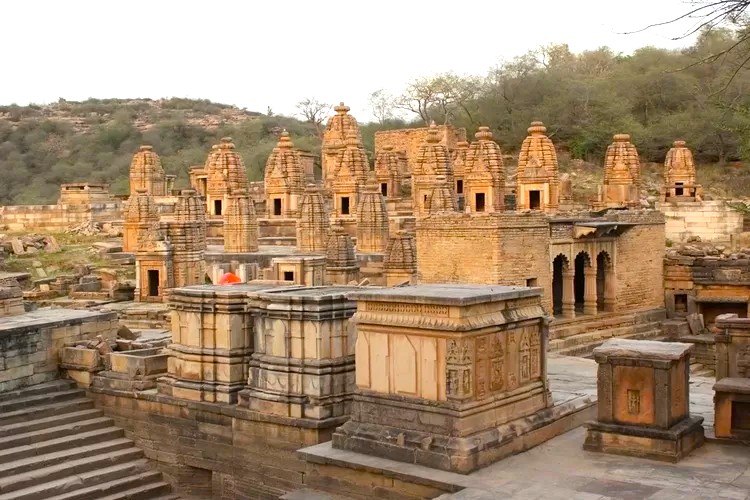
Religious life in this realm centered on hilltop shrines, tank temples and clan goddesses, typifying southern Rajasthan Shaivite, Shakta and local deity worship around Mount Abu. Arbuda (Abu) itself was an ancient tirtha, with Shiva and Devi shrines significant to both Gurjara elites and local tribes. Villages honored kuldevis, serpent stones and ancestor pillars, preserving Gurjara-Bhil folk deity cults within a broader Hindu framework. As Jain influence grew in the region, temple patronage likely included or intersected with early Jain centers, hinting at shared sacred landscapes between Rajput patrons and Jain communities. Through grants, repairs and festival support, Pralhara rulers tied their legitimacy to these enduring sacred sites.
Festivals, Fairs And Salt-Caravan Melas
Festival seasons in Arbuda lands produced temple processions, cattle fairs and pilgrimage markets under the Gurjara Pralhara Dynasty. Deities left shrines on palanquins or small rathas, carried along decorated paths amid drums, conches and song. Herdsmen brought decorated cattle, camels and goats to trade; merchants set up stalls with cloth, grain, salt and ornaments, embodying medieval Rajasthan religious melas combining worship, trade and entertainment. Seasonal worship at hill shrines and lake-side temples drew clans from Rajasthan and Gujarat, reinforcing cross-regional networks that linked Gurjara Pralhara courts to merchants and pilgrims. Such festivals renewed loyalty and identity through shared rites and feasts. Gurjara Pralhara Dynasty Mount Abu
Council Halls, Bards And Courtly Arts
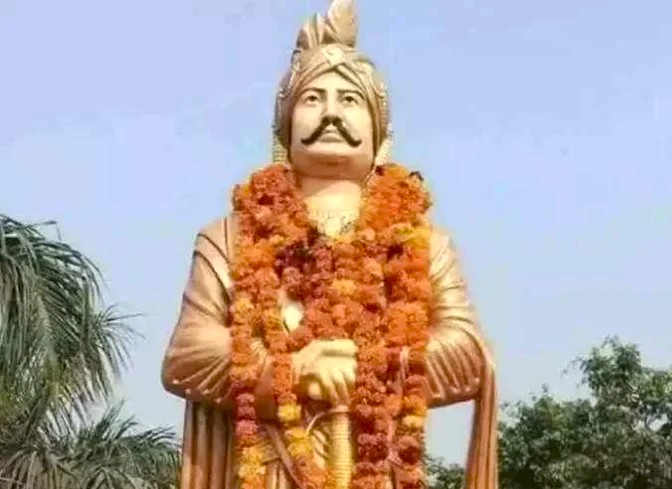
The court at Arbuda combined governance with artistic display, showing Rajput hill-court culture and bardic traditions in Gurjara polities. Morning durbars addressed land claims, tributary arrangements and frontier disputes, with scribes recording judgments. Later sessions saw charans and bhats reciting genealogies and heroic ballads, Sanskrit and Apabhramsha poets presenting verses, and dancers and musicians performing epic episodes, embodying royal image-making through panegyric poetry and performance in early Rajasthan–Gujarat states. Artisans brought weapons, textiles and ritual objects for patronage. Court culture thus became a key instrument of prestige, memory and political communication for the Pralhara line.
Campaigns, Hill-Forts And Border Wars
Military history of this dynasty fits into Aravalli hill-fort warfare and Rajput frontier conflicts in early medieval western India. Gurjara Pralhara forces defended passes, grazing lands and shrines against rival Rajput houses and powers in Gujarat and Malwa. Battles unfolded on ridges, in ravines and near fords, using cavalry, archers and infantry suited to broken terrain, reflecting regional tactics for mountain and semi-arid warfare in Rajasthan. Fortified heights and strongholds acted as refuges and launch points. Through a mix of sieges, raids, truces and marriage alliances, the dynasty exhibited frontier resilience despite pressure from larger emerging polities. Gurjara Pralhara Dynasty Mount Abu
Marriage Alliances And Queens’ Land Grants

Dynastic marriages under this house illustrate Rajput matrimonial diplomacy and regional alliance-building in Rajasthan–Gujarat border states. Gurjara Pralhara princesses likely married into neighboring Rajput or Gurjara houses, connecting hill-forts to plains: brides from influential clans brought dowries, warriors or claims. Inscriptions and later traditions suggest queens could endow temples, tanks or villages, showing royal women’s property rights and religious patronage in early Rajput Dynasties. Within the palace, senior women influenced succession choices, factional balance and ritual hospitality, exercising quiet but significant political power alongside economic and ritual responsibilities. In villages, women’s agricultural and domestic labor underpinned daily survival.
Magic, Craftsmen And Genealogical Poets
Cultural expression in Gurjara Pralhara courts involved temple artisans, craftsmen and bardic genealogists in southern Rajasthan. Stoneworkers, metalworkers and painters decorated shrines and fort-gates with deities, floral motifs and battle scenes, contributing to early western Indian temple and fort art traditions. Ritual specialists practiced protective rites, astrology and medicine that onlookers might call “magic.” Charans and bhats maintained detailed genealogies and heroic narratives of Gurjara clans, performing them at court and festivals, forming oral-literary archives of lineage history and honor. Through gifts and land grants, rulers bound these cultural actors to their house, extending their story beyond immediate borders.
Cremation Ghats, Hero Stones And Ancestors
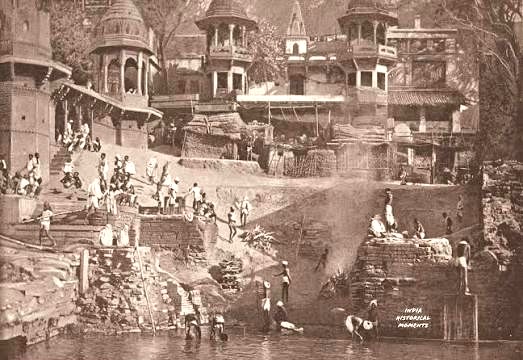
Funerary practices under this line combined Rajasthan Hindu cremation customs and viragallu hero-stone memorials in Gurjara territories. Most people were cremated at rivers, tanks or designated grounds, ashes scattered or buried near sacred trees or shrines. Elite funerals used sandalwood, extended rites and commemorative donations. Along key paths and former battlefields, carved stones showed warriors on horseback or with raised weapons, serving as hero stones commemorating Rajput and Gurjara fighters in Arbuda hill regions. Gurjara Pralhara Dynasty Mount Abu
Vaidyas, Folk Healers And Sacred Springs
Health care in this realm drew on Ayurveda, folk healing and sacred spring therapy in southern Rajasthan hill communities. Court vaidyas treated elites with classical herbal preparations - using neem, ashwagandha, amla, ginger and local plants - guided by Ayurvedic texts. Village healers employed poultices, smokes, mantras and amulets, reflecting traditional rural medicine and spiritual protection practices in Rajputana. Springs and tanks near shrines were considered curative; people bathed, fasted and made offerings for healing. During outbreaks, rulers or local elites might sponsor well-cleaning, quarantines and goddess propitiation, revealing a blend of pragmatic and ritual responses to disease in hill states.
Tanks, Wells And Monsoon Watercraft
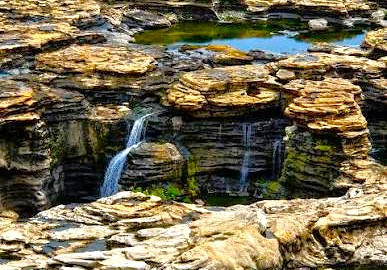
Water management in Gurjara Pralhara domains is part of Rajasthan tank, stepwell and hill-slope irrigation tradition around Mount Abu. Monsoon runoff from the Aravallis was captured in earthen and masonry tanks; stepwells and wells tapped groundwater in drier months. Small channels irrigated fields where possible, overseen by village assemblies under community-based water-sharing systems in early Rajput polities. Protecting forest cover and sacred groves above springs helped maintain flows. Within forts, cisterns ensured siege resilience. Inscriptions and oral memory praising well-digging and tank repairs cast such works as dharmic duties of rulers to secure water, agriculture and pilgrimage routes in a fragile environment.
Succession Shifts And Lingering Footprints
Over time, changing trade routes, ecological pressures and the rise of stronger Rajput and regional powers eroded this dynasty’s autonomy, fitting patterns of absorption of small Gurjara hill states into larger Rajasthan–Gujarat polities. Some descendants likely continued as petty chiefs or feudatories under later houses; others faded into localized lineages. Yet temples, place-names and bardic lineages preserved the legacy of the Gurjara Pralhara Dynasty in southern Rajasthan historical memory, even when formal sovereignty vanished. Their forts, shrines and waterworks remained woven into the landscape, showing how a relatively small dynasty could leave durable marks on geography, ritual and story.
Step Inside The Story - View All Tour Itineraries & Details

We’re here to offer genuine, thoughtful guidance if your interested in travelling to India. As a small, dedicated team, we pay close attention to every detail so you can focus on enjoying the experience while we take care of the planning. We believe the best trips begin when someone truly listens to what you want and how you like to travel, so the journey feels right for you and contributes to a happy, positive group on tour. Our communication stays clear, straightforward, and respectful at every step, with the goal of helping you feel understood, supported, and confident from first contact to the end of your journey.
Click Catherine Frith - About The Founder
Click Discover Life Travel - All Tours and More
Click Why We Are Different - Unique, Safe, Transparent