Unique Insights Into The Rivers Of India
Godavari River: India
Discover Life Travel
Sacred Waters
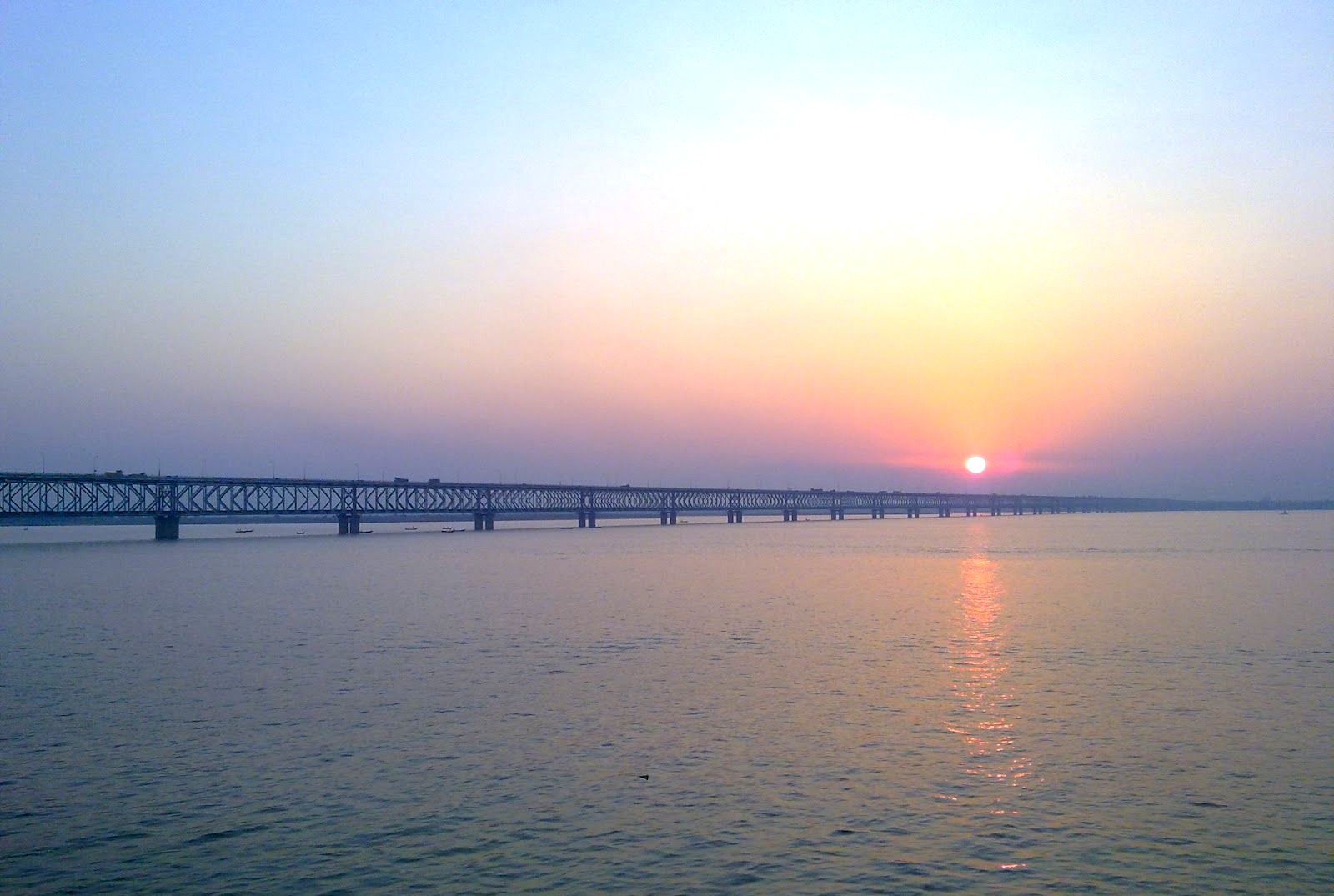
The Godavari River, known as the Dakshin Ganga, originates from the Brahmagiri Mountain in the Western Ghats near Trimbakeshwar in Maharashtra. Its name derives from the Telugu words 'Goda', meaning limit, and 'vari', meaning water, representing a divine boundary of purity. Flowing across 1,465 kilometers, it drains the Deccan Plateau before entering the Bay of Bengal through a vast delta in Andhra Pradesh. This water system sustains nearly 100 million people, providing a spiritual and physical foundation for civilizations for over three millennia. The river passes through Maharashtra, Telangana, Chhattisgarh, and Andhra Pradesh, carving through the Eastern Ghats. Its presence defined the boundaries of ancient territories and modern states, serving as a primary source for agriculture and religious rituals since the Vedic era. Godavari River India
Godavari River India: Primordial Origins of the Stream
Before recorded history, the region near the source was inhabited by hunter-gatherer groups known as the Microlithic people around 10,000 BCE. Local oral traditions identify the sage Gautama as a central figure who brought the river to the plains to cleanse a perceived sin. During the Chalcolithic period, approximately 1500 BCE, settlements like Daimabad appeared along the banks, featuring mud-brick dwellings and sophisticated pottery. These early inhabitants practiced rudimentary farming and worshipped elemental deities. The river was seen as a gift from the heavens, flowing through the matted hair of Shiva. Excavations reveal that these prehistoric communities traded beads and copper tools with neighboring groups, establishing the earliest economic networks in the Deccan.
Rise of the Satavahana Dynasty
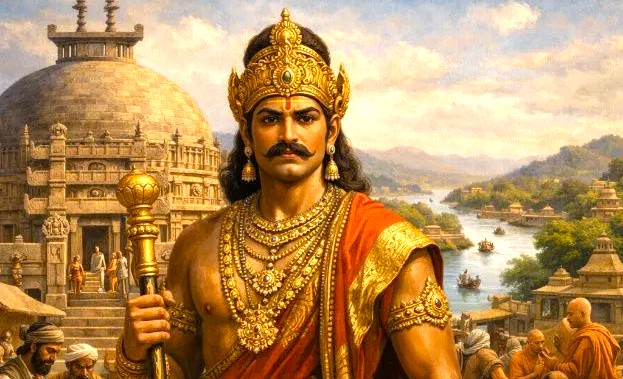
In 230 BCE, the Satavahana Dynasty established its capital at Paithan on the banks of the Godavari. Led by rulers like Simuka and later Gautamiputra Satakarni, this Dynasty controlled vast territories of central India. They developed the river as a major logistical artery for internal movement. The population of Paithan reached approximately 50,000 during its peak in the second century CE. The royal family lived in stone palaces with intricate carvings, where the King and Queen oversaw administrative duties and religious patronage. Royal children were educated in Vedic texts and martial arts. This era marked the transition of the river from a tribal lifeline to the center of a sophisticated regional power that minted its own coinage. Godavari River India
Engineering the Ancient Flow
The construction of early water management systems began under the Vakatakas around 300 CE. They built stone embankments and small dams to divert water into irrigation canals for paddy cultivation. These structures were meticulously planned to withstand the heavy monsoon floods that occurred annually between June and September. By 600 CE, the Rashtrakuta Dynasty expanded these systems, creating large tanks that stored water for the dry winter months. The engineering focused on gravity-based flow, ensuring that even remote fields received hydration. This meticulous management allowed for a surplus of food, supporting a growing population of artisans and soldiers who settled in the fertile river valleys, transforming the landscape into a permanent agricultural zone.
Chronicles of the Eastern Chalukyas
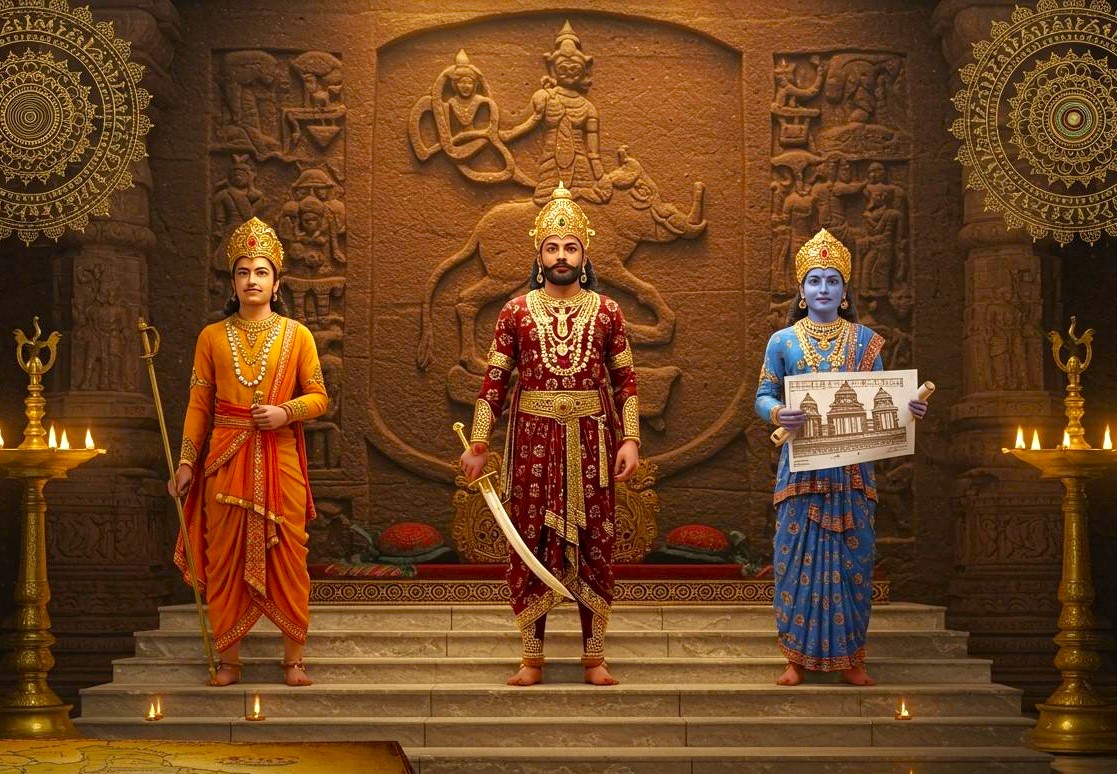
The Eastern Chalukya Dynasty, founded by Kubja Vishnuvardhana in 624 CE, shifted the focus to the lower reaches of the river near Rajamahendravaram. For five centuries, this lineage governed the delta, promoting Telugu literature and arts. The royal households maintained strict protocols, with the Queen managing domestic affairs while the King led military expeditions. Marriage for royal women served as a tool for political alliances, often uniting the Chalukyas with the Cholas to the south. The population of the delta region swelled to over 200,000 by 1000 CE. These rulers fortified the riverbanks against incursions and established a bureaucracy that recorded land grants and tax collections on copper plates, ensuring a stable administration for generations. Godavari River India
Spirits of the Consecrated Current
Religious practices along the Godavari center on the concept of 'Snana' or ritual bathing to attain 'Moksha'. The most significant event is the Pushkaram, occurring once every 12 years when Jupiter enters Leo. In 1891 and 1903, records show millions gathered at the ghats. Daily rituals include the 'Aarti', where lamps are floated on the water at dusk to honor the river goddess. Temples such as the Kaleshwaram Mukteswara Swamy temple feature unique dual lingams, representing the fusion of different spiritual paths. Devotees believe the water possesses the power to dissolve past actions. Local priests maintain genealogies of visiting families, some dating back several centuries, preserving a continuous record of pilgrimage and ancestral worship.
Harvests of the Delta Silt
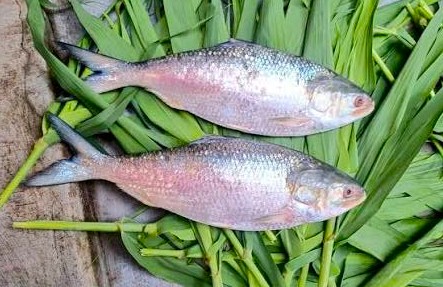
Food traditions along the river rely heavily on the fertile alluvial soil. A staple is the 'Godavari Pulasa', a migratory fish caught during the monsoon season. In the 1800s, annual catches exceeded 500 tons. Preparations involve slow-cooking with tamarind and local spices in earthen pots. The royal kitchens traditionally prepared 'Purnam Boorelu', a sweet lentil-filled dumpling, during festivals. Quantities were massive: during a 12th-century royal feast, chronicles mention the consumption of 10,000 kilograms of rice and 2,000 liters of ghee. Daily meals for commoners consisted of millet, river fish, and leafy greens grown in the silt. This nutrient-rich diet supported a robust population capable of enduring the humid tropical climate of the plains. Godavari River India
Rhythms of the Seasonal Festivals
Festivals mark the passage of time and the river's changing temperament. The Maha Shivaratri festival, held in February or March, sees massive gatherings at Trimbakeshwar and Basar. Another key event is the Godavari Pushkaralu, which last occurred in July 2015, beginning at 6:26 AM. During these times, the river banks are transformed into temporary cities with stalls and stages. Cultural performances include 'Harikatha' and traditional dances that narrate the river's descent. These celebrations are timed with astronomical alignments, ensuring the maximum spiritual benefit for participants. The sheer scale of these events requires months of preparation, involving local authorities and religious leaders who coordinate the flow of millions of people to the water's edge.
Battles for the Deccan Heart
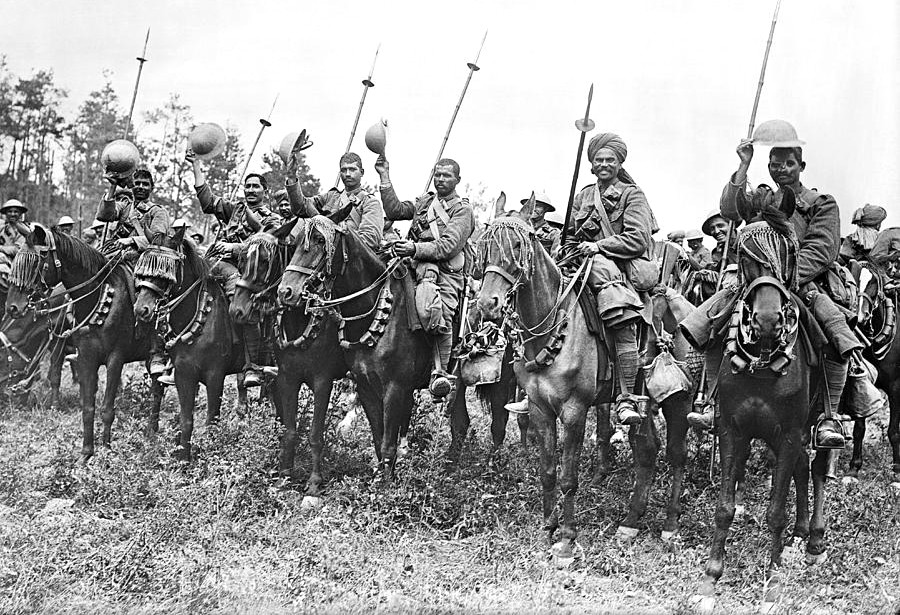
The river has been a site of numerous military conflicts. In 1323 CE, the forces of the Delhi Sultanate crossed the Godavari to lay siege to Warangal, ending the Kakatiya Dynasty. Later, in the 17th century, the Maratha Dynasty under Shivaji used the rugged terrain near the river's source to launch guerrilla attacks against the Mughals. A decisive battle occurred in 1763 at Rakshasbhuvan, where the Marathas defeated the Nizam of Hyderabad. These conflicts often focused on controlling the strategic fords and bridges that allowed armies to traverse the Deccan. The blood shed in these encounters is remembered in local ballads, depicting the river as a witness to the rise and fall of various regional powers. Godavari River India
Arteries of the Merchant Class
Trade routes followed the river's course, connecting the inland Deccan to the Bay of Bengal. From 100 CE, spices, cotton textiles, and semi-precious stones were transported on flat-bottomed boats. The Roman Empire traded gold coins for Indian pepper at ports near the river mouth. In the 1600s, the Dutch and British established factories at Kakinada and Narasapur to exploit the river's commercial potential. These routes facilitated the movement of ideas alongside goods, spreading Buddhism and later Islam across the region. The river acted as a highway for salt from the coast and timber from the upstream forests, creating a balanced economy that linked isolated forest tribes with global maritime markets.
Healing from the Forest Fringe
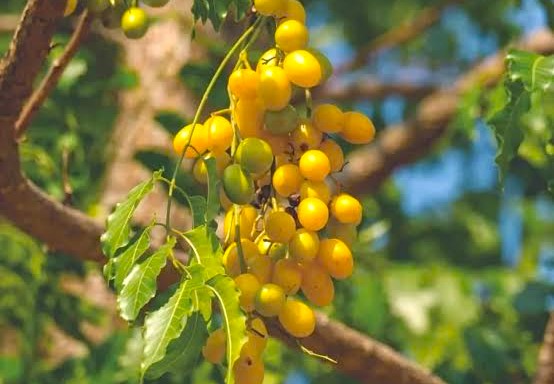
Medicinal practices along the Godavari utilize the biodiversity of the surrounding forests. The 'Vaidyas' or traditional healers use 'Sarpagandha' for blood pressure and 'Neem' for skin ailments. During the 15th century, the Bahmani rulers established dispensaries that integrated Persian medicine with local Ayurvedic knowledge. The forests near Bhadrachalam are known for rare herbs used to treat respiratory issues common in the humid delta. Royal families employed personal physicians who prepared tonics from forest honey and crushed minerals. These remedies were documented in palm-leaf manuscripts, some of which are still preserved in temple libraries. The river water itself is often infused with herbs during specific rituals to enhance its perceived healing properties for pilgrims.
Domesticity within the Stone Walls
Daily life for the royal families was a blend of ceremony and administration. The King typically rose before dawn for a ritual bath in the river, followed by private prayers. The Queen oversaw the education of the princesses, focusing on music, dance, and statecraft. Children played with wooden toys and practiced archery in the palace courtyards. Meals were communal but strictly hierarchical, served on silver plates for the royals. In the evenings, the family gathered to listen to court poets or discuss territorial security. Despite their wealth, the royals were expected to live according to 'Dharma', often sponsoring the construction of ghats and rest houses for travelers, ensuring their legacy was tied to public welfare. Godavari River India
Legacy of the British Transition
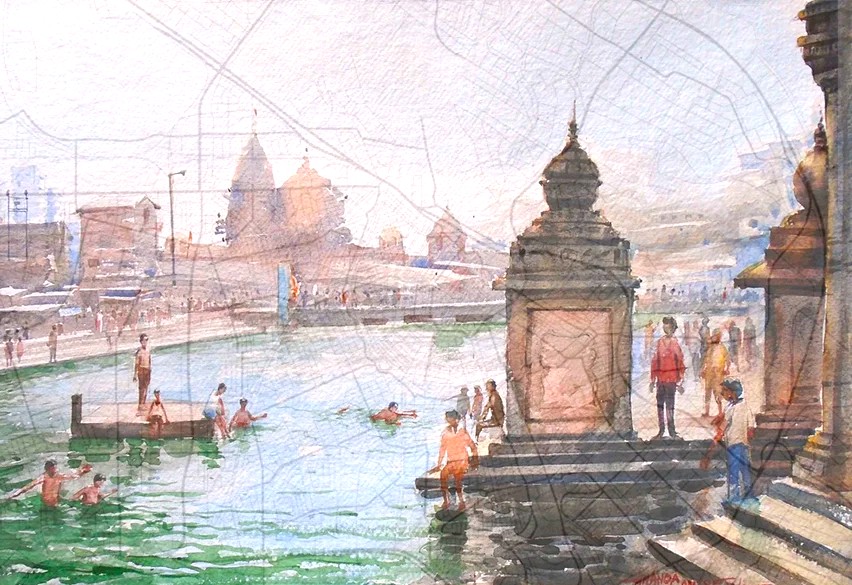
The 19th century brought significant changes to the Godavari landscape under British influence. Sir Arthur Cotton designed and completed the Dowleswaram Barrage in 1852, a massive feat of engineering that transformed the delta into a rice bowl. This project cost 1.5 million British Pounds and involved thousands of local laborers. The population of the East Godavari district doubled within forty years as famine was eradicated. Steamships began plying the waters, replacing traditional wooden crafts. This era saw the introduction of Western education and the railway, which bypassed some traditional river ports. While the spiritual significance remained, the river was increasingly viewed through the lens of industrial utility and large-scale agricultural output for global export.
Modern Stewards of the Flow
Today, the Godavari faces challenges from industrialization and urban growth. Cities like Nashik and Rajahmundry have populations exceeding one million, putting pressure on water quality. Environmental groups now work to restore the river's health, focusing on reforestation and waste management. Modern agricultural practices use chemical fertilizers that runoff into the stream, necessitating new filtration systems. Despite these issues, the river remains central to Indian identity. New bridges, such as the Godavari Arch Bridge completed in 1997, symbolize the fusion of tradition and progress. Thousands still gather daily for the evening 'Aarti', proving that the ancient connection between the people and their sacred river survives the transition into the digital age and globalized economy. Godavari River India
Sunset of the Ancient Sovereignty
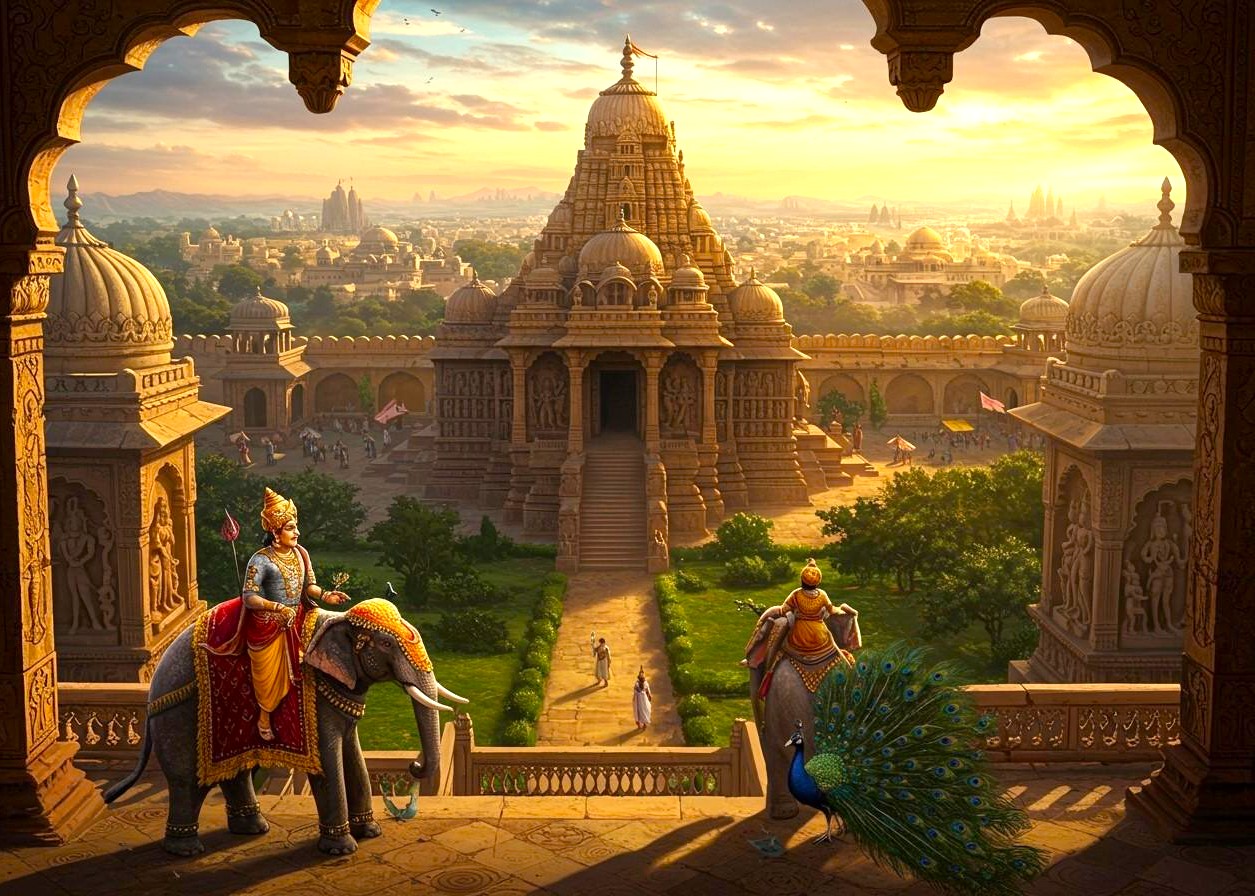
The decline of the Satavahana Dynasty began in the early 3rd century CE due to internal succession disputes and the rising power of the Ikshvakus. By 225 CE, the central authority had fractured into smaller principalities, weakening the defense of the river territories. The Abhiras in the west and the Pallavas in the south gradually encroached on Satavahana lands. Frequent droughts in the late 200s CE reduced agricultural output, leading to a migration of the population away from the capital at Paithan. The final Satavahana ruler, Pulumavi IV, saw his influence vanish as the Vakataka Dynasty emerged to claim dominance over the Godavari basin, ending nearly five centuries of unified Deccan rule.
Step Inside The Story - View All Tour Itineraries & Details
We’re here to offer genuine, thoughtful guidance if your interested in travelling to India. As a small, dedicated team, we pay close attention to every detail so you can focus on enjoying the experience while we take care of the planning. We believe the best trips begin when someone truly listens to what you want and how you like to travel, so the journey feels right for you and contributes to a happy, positive group on tour. Our communication stays clear, straightforward, and respectful at every step, with the goal of helping you feel understood, supported, and confident from first contact to the end of your journey.
Click Catherine Frith - About The Founder
Click Discover Life Travel - All Tours and More
Click Why We Are Different - Unique, Safe, Transparent