A Unique Look Into Indian History
Ghurid Dynasty: Afghanistan
Discover Life Travel
Mountain Valleys Before Ghurid Rule
Long before the Ghurid Dynasty of the 12th–13th century rose to prominence, the rugged hills of Ghor (in present‑day central Afghanistan) were home to small, often independent clans and petty chiefs. The region lay between the older centers of Ghazni, Herat and the routes toward Khurasan and India, but lacked a strong, unified state. Fortified hill‑villages, tribal levies and mixed herding–farming economies characterized this pre‑Ghurid highland society. Buddhist, pre‑Islamic and then early Islamic influences overlapped, with local rulers alternately submitting tribute to stronger neighbors or asserting brief independence. Ghurid Dynasty Afghanistan
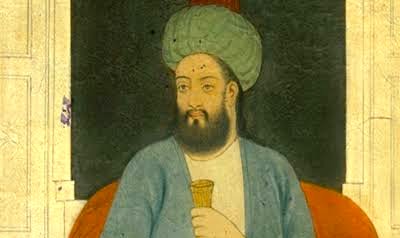
Ghurid Dynasty: Afghanistan - From Local Chiefs To Regional Power
The origin story of the Ghurid Dynasty begins with local Muslim chiefs in the Ghor region who gradually consolidated authority in the 11th–12th centuries. At first, they were overshadowed by the powerful Ghaznavids, even suffering harsh campaigns from them. Over time, however, Ghurid leaders like Ala al‑Din Husayn and later Ghiyath al‑Din Muhammad and his brother Muʿizz al‑Din Muhammad ibn Sam (often called Muhammad Ghori) transformed Ghor from a peripheral upland into the core of an ambitious polity. Defeating rivals in Afghanistan and eastern Iran and capturing Ghazni itself, they laid the foundations for a Ghurid empire stretching from Khurasan toward northern India.
Daily Life In A Ghurid Court
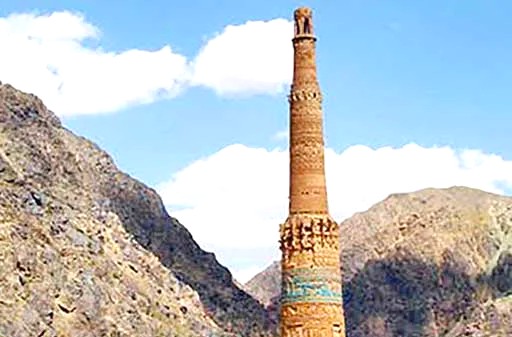
At the Ghurid courts in places like Firuzkuh, Ghazni and later Lahore, daily routine followed patterns of Persianate Islamic kingship adapted to a tough frontier environment. At dawn, the sultan or amir rose for ablutions and the Fajr prayer, often in a palace mosque or private oratory. Councils with viziers, jurists and military commanders followed, where matters of taxation, justice and war were discussed, reflecting integration of Islamic law, Persian bureaucratic models and local military realities. Royal women - mostly within the harem - managed domestic affairs and sometimes influenced patronage and succession. Courtiers, secretaries and poets moved between audience halls, treasury and campaign camps, giving the Ghurid elite a mobile yet increasingly sophisticated court culture. Ghurid Dynasty Afghanistan
Village Society In Ghor And Beyond
Outside these courts, most people in Ghurid territories lived as farmers, herders and townsfolk. In Ghor’s uplands, communities practiced mixed agriculture and animal husbandry, with terraced fields, sheep, goats and small cattle herds. In the more fertile lowlands of Ghazni, Herat, Khurasan and later the Indus–Ganga frontiers, they cultivated wheat, barley, fruits and vegetables under systems of canals, qanats and river irrigation. Craftsmen produced textiles, metalwork, ceramics and leather goods for local markets. This social base - rural villages supporting fortified towns - was typical of medieval Islamic–Iranian and Indo‑Afghan frontier societies, within which Ghurid authority gradually spread.
Kitchens, Caravanserais And Public Feasts
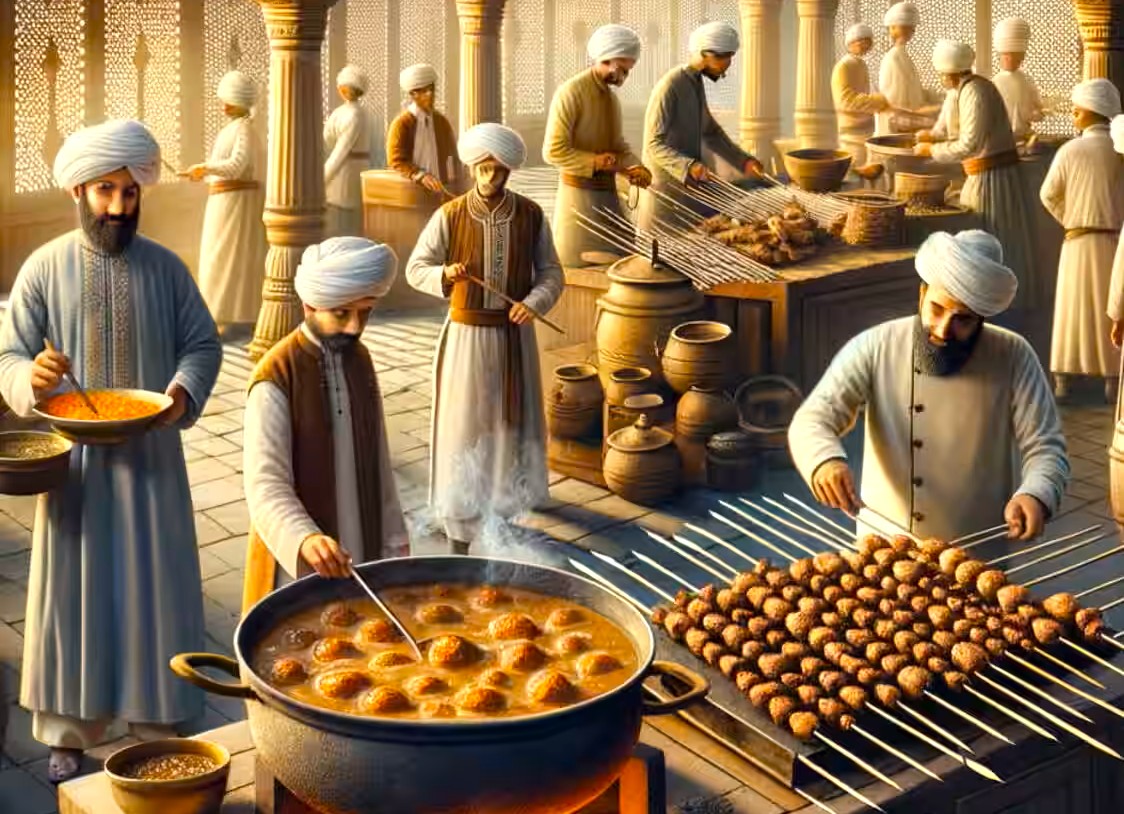
In Ghurid palaces and military camps, kitchens prepared food for rulers, soldiers, scholars and guests according to Islamic dietary rules and regional tastes. Bread from wheat or barley, stews of meat and legumes, rice in some regions, yogurt, dried fruits and nuts formed staples. Spices and cooking styles reflected Persian, Central Asian and, in India, local influences. Caravanserais and ribats (way‑stations) on trade and campaign routes offered food and shelter to travelers and troops, funded by endowments or state resources. On major religious festivals like Eid and in times of victory, rulers might sponsor public feeding and almsgiving, exemplifying Ghurid use of hospitality and charity to display piety and power. Ghurid Dynasty Afghanistan
Law, Sharia Courts And Royal Authority
Legal life in Ghurid domains rested formally on Islamic sharia, interpreted mainly through the Sunni legal schools prevalent in the region, along with local customs. Qadis (judges) in towns handled family law, contracts and many disputes, while rural practice mixed sharia with tribal norms. The ruler retained siyasa - discretionary authority - in matters of state security, high crimes and fiscal policy. Punishments could include fines, imprisonment, flogging or more severe penalties for rebellion and banditry. As the Ghurids expanded into India, they brought Islamic judicial institutions into contact with existing Hindu legal–customary systems, setting patterns that later Delhi sultans would develop further.
Mosques, Madrasas And Sufi Networks
Religious life under the Ghurids centered on Sunni Islam, with mosques, madrasas and Sufi lodges as key institutions. In cities captured or founded by them, congregational mosques marked Islamic political control and communal life; smaller mosques and prayer spaces served quarters and garrisons. Madrasas nurtured jurists and scholars, spreading Persian‑Islamic learning. Sufi figures and their khanqahs (lodges) created networks of devotion and teaching that often helped integrate newly conquered or frontier populations, especially in India. At the same time, non‑Muslim populations - Hindus in India, remnants of older faiths elsewhere - continued their traditions under varying terms of tolerance, taxation and political subordination.
Festivals, Processions And Court Rituals
Ghurid rulers observed the Islamic ritual calendar, with special attention to Ramadan, Eid al‑Fitr and Eid al‑Adha. These occasions involved public prayers, sermons that often affirmed the ruler’s legitimacy, and acts of charity. Military reviews, receptions of foreign envoys and victories were also marked by processions and ceremonial audiences, featuring banners, drums and displays of captured booty or prisoners, characteristic of Persianate–Islamic court spectacle. In India and some mixed regions, local festival rhythms continued among non‑Muslims, gradually interacting with the new political and religious overlays. Ghurid Dynasty Afghanistan
Persianate Culture, Poets And Scholars
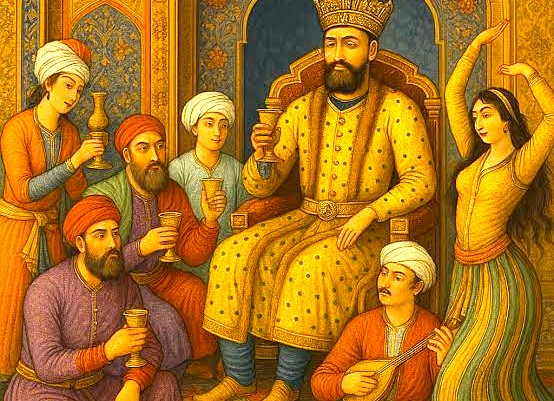
Though based in rugged Ghor, the Ghurids participated strongly in Persianate high culture. Their chancery language and literary patronage were largely Persian; poets praised sultans in qasidas, chroniclers wrote court histories, and scholars composed works in law, theology and adab (belles‑lettres). This aligned them with the broader Islamic Iranian world, from which they drew many administrators and cultural models. In Indian territories, this Persian elite framework began to overlay and interact with existing Sanskrit and vernacular traditions, a process that would deepen under later Delhi Sultanate rulers whose origins lay in Ghurid conquests.
Campaigns Into India: Tarain And Beyond
Militarily, the Ghurids are most famous for their late 12th‑century campaigns into northern India. Muʿizz al‑Din Muhammad Ghori, after earlier setbacks, defeated the Rajput ruler Prithviraj Chauhan at the Second Battle of Tarain (1192), opening the way for Ghurid expansion in the Indo‑Gangetic plain. Subsequent commanders and slaves (notably Qutb al‑Din Aibak) captured Delhi and other key centers, establishing Ghurid authority as far as Bengal in nominal terms. These campaigns featured cavalry, mounted archers, infantry and siege warfare, illustrating mobile, often ruthless frontier warfare that reshaped north Indian politics and paved the way for the Delhi Sultanate.
Marriage, Slaves And Political Networks
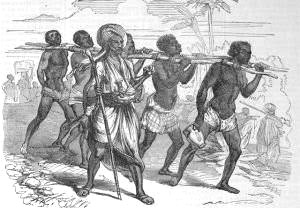
Unlike many settled dynasties dependent on dense marriage webs with neighbors, the Ghurids also relied heavily on a military - administrative elite of mamluks (military slaves) drawn from Turkic and other backgrounds. These mamluks, trained and patronized in Ghurid service, often became governors and, after the dynasty’s fall, founders of successor states (as in the case of the Mamluk / Slave dynasty of Delhi). Marriage alliances still mattered - linking them to regional elites in Afghanistan, Khurasan and northern India - however, their real strength lay in patronage networks of loyal military and bureaucratic clients. Ghurid Dynasty Afghanistan
Burial Customs And Monuments
As Muslims, Ghurid elites practiced inhumation (burial), not cremation. Graves oriented toward Mecca ranged from simple to monumental. Some rulers and nobles were interred in tombs or attached to madrasas and mosques, creating religious–memorial complexes. In India, early Ghurid‑period constructions such as the beginnings of what became the Qutub complex in Delhi symbolized both conquest and religious monumentality. While many Ghurid‑era buildings have been altered or replaced, their initiatives paved the way for later Indo‑Islamic architectural traditions.
Healers, Physicians And Folk Practices
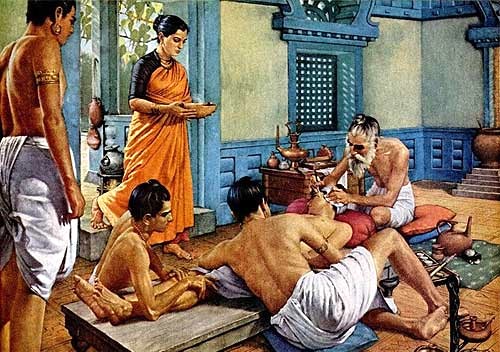
Health care under the Ghurids combined Unani (Greco‑Arabic) medicine, local empirical practices and religious healing. Court physicians trained in classical texts advised rulers on diet, regimen and treatments; surgeons and barbers handled practical procedures. Among common people, herbal remedies, midwifery and amulets or prayers at shrines coexisted. In India, Ghurid rule brought Unani methods into contact with Ayurvedic and folk traditions, creating the plural medical landscape that would characterize much of later Indo‑Islamic society.
Irrigation, Forts And Strategic Geography
The Ghurids inherited and extended irrigation and fortification systems in the regions they controlled. In Afghanistan and Khurasan, qanats and canals supported oasis and valley agriculture; in India, they took over existing canal networks and riverine systems around cities like Lahore and Delhi. Fort’s guarding passes, river crossings and trade routes were strengthened, reflecting the dynasty’s focus on strategic control of movement and resources. Their ability to knit together mountain strongholds and lowland centers was crucial to their brief but impactful imperial phase. Ghurid Dynasty Afghanistan
Succession Crises, Mongols And Legacy
The Ghurid empire was relatively short-lived. After the deaths of key rulers like Ghiyath al‑Din and Muʿizz al‑Din, succession disputes and regional rivalries weakened central control. In their western homelands, they faced pressure from Khwarazmian expansion and later Mongol incursions, which shattered many older powers. In India and some other regions, their former mamluk and provincial commanders asserted independent authority, giving rise to successor states such as the Delhi Sultanate. Though the Ghurid Dynasty as a lineage disappeared, its legacy was profound: it was the bridge by which a stable, Persianate–Islamic political model was firmly implanted in north India, setting patterns of governance, culture and elite networks that would endure for centuries after Ghor itself had faded from imperial maps.
Step Inside The Story - View All Tour Itineraries & Details

We’re here to offer genuine, thoughtful guidance if your interested in travelling to India. As a small, dedicated team, we pay close attention to every detail so you can focus on enjoying the experience while we take care of the planning. We believe the best trips begin when someone truly listens to what you want and how you like to travel, so the journey feels right for you and contributes to a happy, positive group on tour. Our communication stays clear, straightforward, and respectful at every step, with the goal of helping you feel understood, supported, and confident from first contact to the end of your journey.
Click Catherine Frith - About The Founder
Click Discover Life Travel - All Tours and More
Click Why We Are Different - Unique, Safe, Transparent