Unique Insight Into The Ghats Of India
Ghats of Ancient India
Discover Life Travel
Sacred Steps to Eternity
The term Ghat originates from the Sanskrit word 'Ghatta', representing a landing place or a flight of steps leading down to a body of water. These structures are the physical and spiritual center of riverine life, located primarily along the banks of the Ganges in Kashi and the Yamuna in Mathura. This system of tiered masonry has governed the social and economic life of the territory for over three thousand years, functioning as a gateway between the terrestrial world and the fluid energy of the streams. During the rule of various royal houses, these stone embankments provided a permanent foundation for the spiritual practices of the population. The construction of these sites transformed the natural riverbanks into a structured environment for trade, prayer, and the final transition of the soul. Ghats of Ancient India
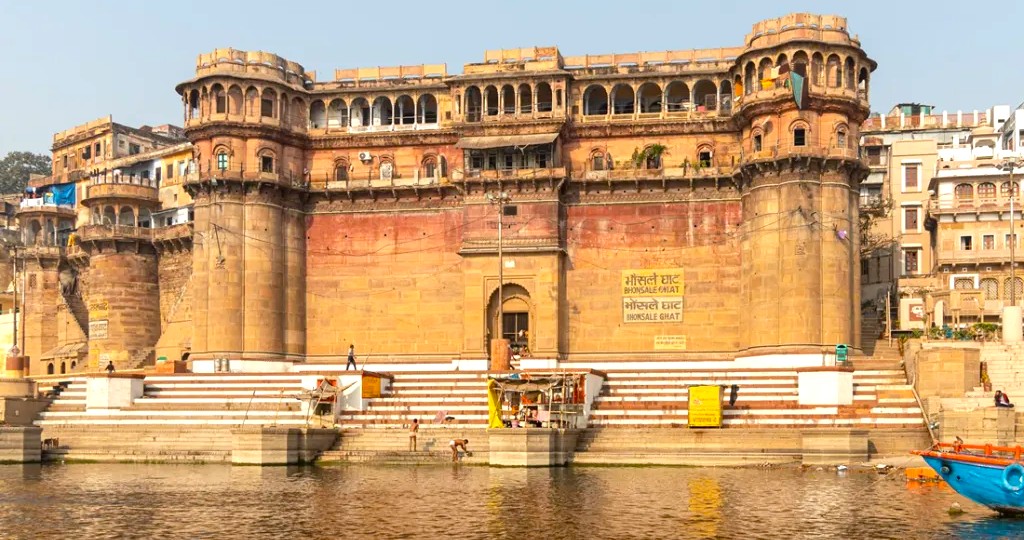
Ghats of Ancient India: Primordial Steps of the Sage
Ancient history identifies the character King Bhagiratha as the central figure whose penance brought the river to the plains. Before the first recorded Dynasty, the population of the valley used natural mud slopes and wooden planks to reach the water. These prehistoric groups practiced rudimentary fishing and gathered wild rice near the banks. The name Kashi implies a place where the light of knowledge resides, suggesting that the riverfront was the site of the first spiritual schools. In this era, the riverbank was a seasonal settlement for clans who followed the monsoon cycles, establishing the initial connection between the human community and the aquatic environment. Ghats of Ancient India
Foundations of the Solar Lineage
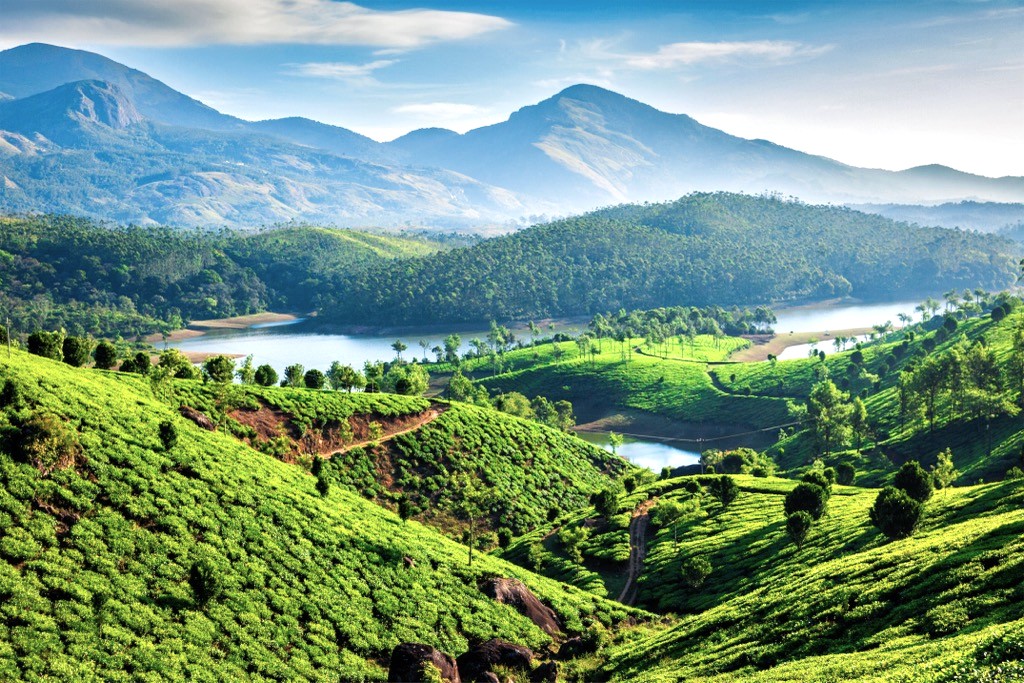
In 1500 BCE, the early Aryan clans established more permanent settlements along the riverfront at Kashi and Prayag. The character King Harishchandra is associated with the cremation grounds, symbolizing the absolute commitment to truth. The population of these early riverside towns reached approximately 10,000 by 1000 BCE. The structures were initially composed of packed earth and stone rubble to withstand the current. These sites were chosen for their stable geological formations and proximity to inland trade routes. The administration of the early kings focused on providing safe access for the daily rituals, ensuring that the spiritual frequency of the tribe remained aligned with the natural flow of the water.
Masonry of the Ancestral Kings
The construction of the current stone tiers in Kashi began in 1730 CE under the patronage of the Maratha Dynasty. Rulers such as Balaji Baji Rao and later the Queen Ahilyabai Holkar were instrumental in replacing the older wooden structures with permanent granite and sandstone blocks. The Dashashwamedh location was extensively renovated in 1748 CE. The labor involved thousands of stone-cutters who used lime mortar and iron clamps to secure the heavy masonry against the pressure of the shifting silt. These construction dates mark the transition of the riverfront into a fortified urban center. The engineering focused on creating deep foundations that could survive the annual floods without the risk of collapse. Ghats of Ancient India
Guardians of the Eternal Flame
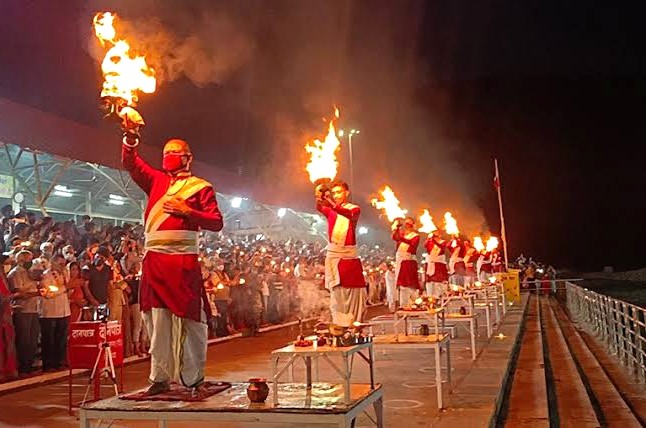
Notable family lineages of hereditary priests, known as 'Pandas', have governed the ritual life of the stone steps for centuries. Families such as the descendants of the early Vedic sages maintain oral records of visiting lineages dating back to 1100 CE. These families oversee the performance of the 'Aarti' and the ancestral rites for the local population. Another important lineage is that of the 'Doms' at the Manikarnika and Harishchandra locations, who have managed the final transitions of the deceased for generations. These families live in dedicated quarters near the water, ensuring that the rituals are performed according to the precise timing required by the lunar calendar and the ancient spiritual laws.
Hydrology of the Underground Tanks
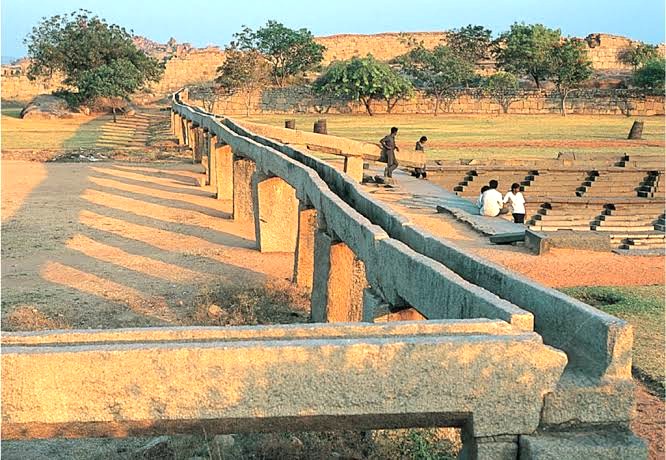
Advanced water systems were integrated into the stone steps to manage the cleaning and ritual requirements of the population. By 1800 CE, engineers had developed a complex network of underground drains and tanks that utilized gravity-based flow. These systems were designed to prevent the contamination of the sacred water by the urban waste. In regions like Nashik, the Godavari riverfront features large stone tanks that are filled during the monsoon to provide water for the dry summer months. The management of these cisterns was overseen by the municipal boards who ensured that the drainage did not impact the local health. The water was often infused with vetiver roots for fragrance and perceived spiritual purity.
Standing with us in the Stream
We stand at the edge of the stone tiers to hear the rhythmic chanting that has continued for millennia. Us observers can feel the ancient energy of the fire rituals that illuminate the evening air. We see the patterns of the river current as it meets the granite barriers that have stood for centuries. We touch the cool surface of the stone that has been polished by the feet of millions of seekers. This experience allows us to breathe the scent of incense and river silt that defines the very atmosphere of the city. We stand where the kings and sages once stood, witnessing the immense scale of the spiritual tradition that supports the life of the entire community. Ghats of Ancient India
Fading of the Royal Masonry
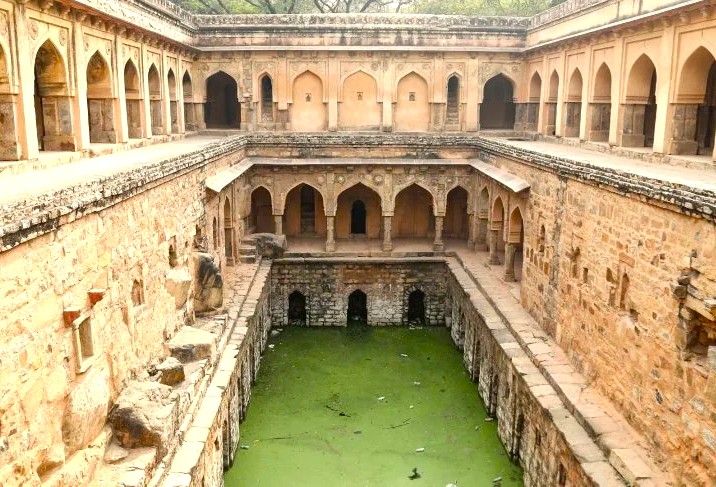
The decline of the traditional royal management of the riverfront Dynasty began in the 19th century as the colonial administration took control of the municipal functions. By 1858 CE, the central authority of many regional kings had vanished, leading to the dissolution of the private patronage that maintained the steps. The replacement of the traditional stone maintenance with concrete and industrial materials marked the end of the specialized masonry guilds. The centralized government boards now manage the hygiene and the structural integrity of the site. Today, these ancient stone gateways remain as silent witnesses to a time when the riverfront was the center of spiritual and political power, where the flow of the water dictated the rhythm of a great sovereign lineage.
Step Inside The Story - View All Tour Itineraries & Details

We’re here to offer genuine, thoughtful guidance if your interested in travelling to India. As a small, dedicated team, we pay close attention to every detail so you can focus on enjoying the experience while we take care of the planning. We believe the best trips begin when someone truly listens to what you want and how you like to travel, so the journey feels right for you and contributes to a happy, positive group on tour. Our communication stays clear, straightforward, and respectful at every step, with the goal of helping you feel understood, supported, and confident from first contact to the end of your journey.
Click Catherine Frith - About The Founder
Click Discover Life Travel - All Tours and More
Click Why We Are Different - Unique, Safe, Transparent