Unique Insights Into The Rivers Of India
Ganga River: India
Discover Life Travel
Dive Sacred Decent
The spiritual narrative of the sacred current begins in the high altitudes of the Himalayas, where the snow-capped peaks meet the sky. Before any Dynasty established a capital on its banks, the river was revered as a celestial entity that descended to earth to provide purification. This arrival transformed the northern plains into a fertile landscape, attracting a population of sages, farmers, and traders. The local community integrated the story of the river into their daily existence, creating a unique cultural identity that persists for centuries. The region was a melting pot of diverse traditions where the rhythm of the water dictated the social and spiritual life of the millions who settled along its shores. Ganga River India
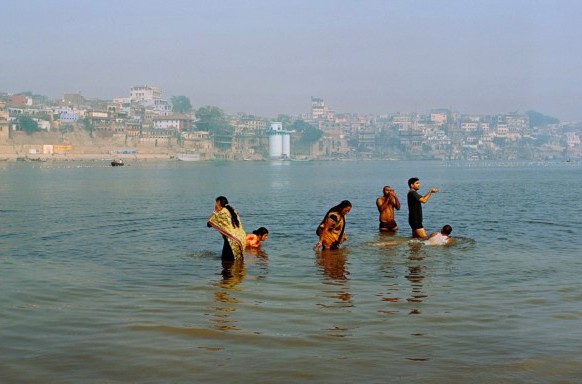
Ganga River India: Ancestral Foundations of the Holy Stream
Before the 1st Dynasty of the Mauryas built their stone palaces at Pataliputra, the banks of the river were home to indigenous clans. These early settlers managed the land under the guidance of local chieftains who traded in grain and livestock. This history from before the Dynasty mentions a landscape of dense forests and small hamlets. Today, the population of the surrounding basin exceeds four hundred million people, a staggering growth from the initial tribal groups. Historical accounts mention battles between regional factions over the control of the fertile silt, yet the river remained a neutral symbol of life. The transition from local rule to major agrarian powers changed the physical landscape but not the deep-seated reverence of the people.
Lineage of the Celestial King
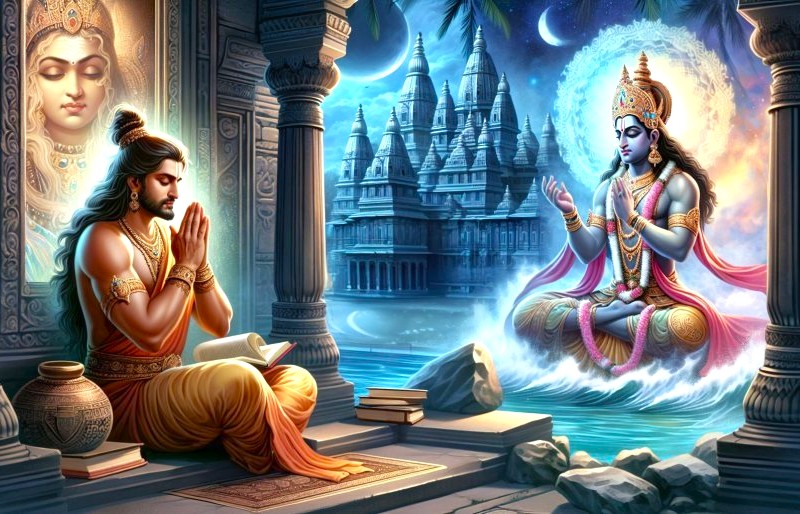
The family of King Bhagiratha is central to the narrative, specifically his ancestors who sought liberation. His lineage belonged to the Ikshvaku house, a background that influenced his sharp focus on spiritual discipline. He was the son of Dilipa, and his childhood was spent in a setting of royal responsibility before he chose a path of intense meditation. This transition from a life of opulence to one of austerity was driven by the need to bring the river to earth. His connection to the water is the primary story told to the residents of the holy cities. The characters in his life are celebrated for their persistence, providing a template for the families who live along the banks today. Ganga River India
The Advisor and the Mother
The name Ganga is derived from the Sanskrit root gam, which means "To Go" or "The Swift Goer." This definition perfectly describes the movement of the water as it travels from the heights to the sea. In the context of the plains, the name signifies a maternal figure who provides for her children. Before the first Dynasty arrived, the local languages had their own terms for the life-giving flow. The integration of the name into the national vocabulary reflects the blending of cultures that occurred in the north. Today, the local population often uses the name to denote a sense of purity and guidance, honoring the history of the current that has sustained the civilization for millennia.
Precise Path of the Silver Current
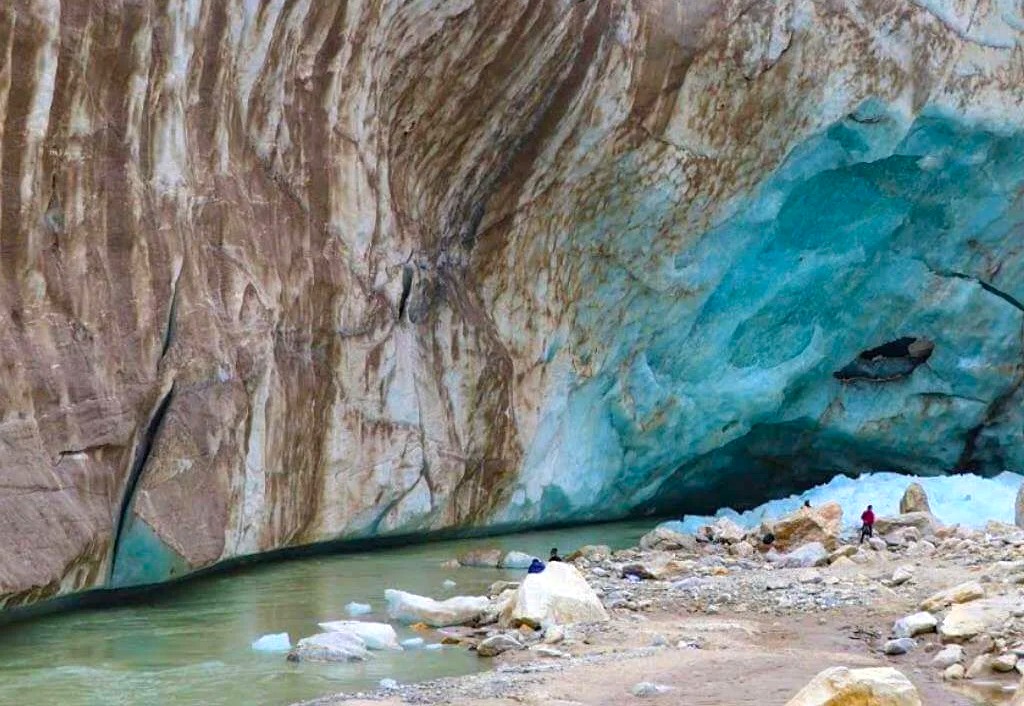
The river begins its journey at the Gangotri Glacier and is known as "The Mouth of the Cow." Before the Katyuri Dynasty fortified the mountain passes, the area was a secluded retreat for meditation. The elevation allows the water to gather strength before it descends into the valley. Today, the area is a focal point for those who study the history of the land. The location remains a testament to the importance of geography in the development of the region. The population of the nearby settlements has grown, yet the source remains a quiet sentinel, providing a steady pulse to the entire northern corridor of the subcontinent. Ganga River India
From First Rulers to Current Millions
The rulers of the Magadha region managed the land when the population was a fraction of what it is now. Following the expansion of the agrarian societies, the population swelled along the river banks. Today, the cities of the plains host millions of residents. The growth from a collection of small hamlets to some of the most densely populated areas on earth is a story of constant evolution. Characters like the local governors and the merchant families shaped the urban layout that we see in cities like Varanasi and Patna. The history of the river reflects these demographic shifts, moving from a secluded wilderness to a bustling center of global importance.
Chronicles of the Stone Ghats
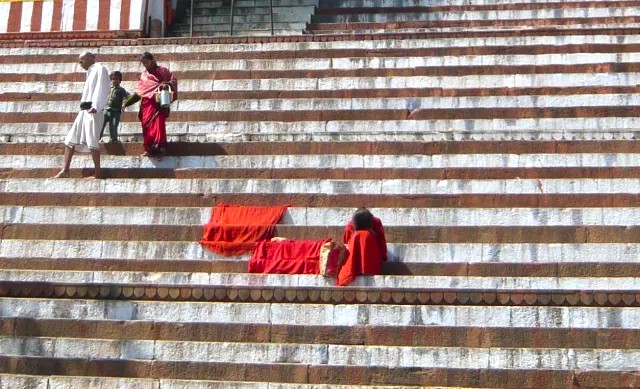
Construction of the massive stone steps, or ghats, was finalized over several centuries, with many significant projects occurring in the 1700s. These structures were designed to provide the population with access to the water for ritual cleansing. The local workmen used sandstone to create the wide platforms and the high embankments. Before the Dynasty era, such large-scale masonry was rare along the river. The project involved thousands of laborers who moved the heavy stone from distant quarries. Characters like the master builders were often commissioned by regional leaders to oversee the work. The completion of these steps marked a new era in the architectural history of the riverfront. Ganga River India
Courtly Customs and River Rhythms
The daily life of the royal palace in the riverside capitals was a sequence of formal receptions and the administration of the grain trade. This environment was highly structured, involving a hierarchy of officials who monitored the river traffic. Before the first Dynasty, the local leaders held court near the water, focusing on communal justice. The introduction of more formal habits changed the social dynamics of the elite. Women’s roles within the palace were influential, often involving the management of the royal household and the patronage of the arts. This formal atmosphere influenced the surrounding community, setting a standard for the social etiquette that persists in the traditional riverfront cultures today.
Domestic Bonds and Bridal Rites
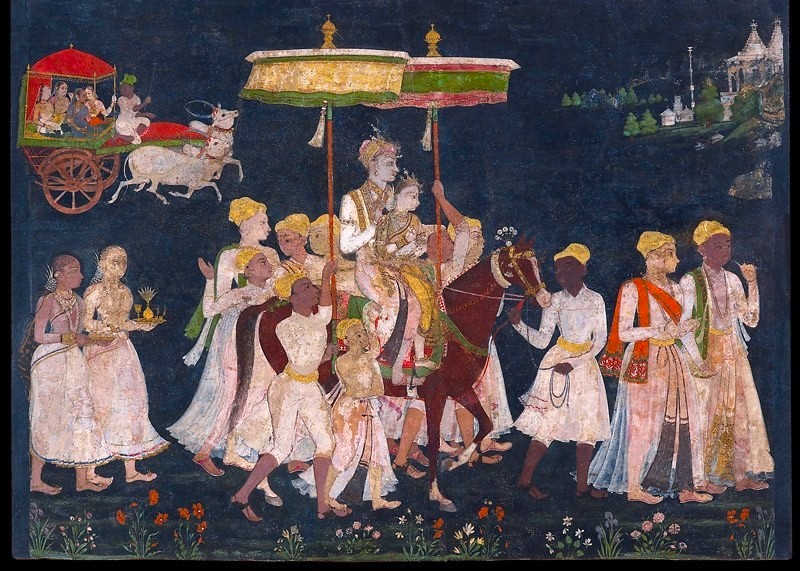
Marriage in the riverside community was a union of two families. The daily life of the royal palace provided the template for the formal contracts used by the elite. Before the first Dynasty, the local population practiced wedding rituals involving the exchange of river water and marigold flowers. Women’s roles were central to these events, as they managed the social obligations and the preparation of the feast. Marriage ceremonies often conclude with a visit to the water's edge to seek a blessing for the new couple. Today, the local population continues to celebrate unions with traditional music and communal dining. These bonds are seen as the foundation of the social stability in the villages. Ganga River India
Seasonal Rejoicing and Timely Feasts
The primary festival for the river occurs during the summer solstice, starting at 5:00 AM with a ritual offering and ending at 9:00 PM with the lighting of oil lamps. Another event takes place during the full moon of November at 6:00 PM. Locals prepare a meal of sweets and fruit to share with their neighbors. The daily life of the royal palace often paused so the nobility could observe these public displays. Before the 1st Dynasty arrived, the population celebrated the change of the seasons with agrarian rites. Today, the population gathers in the millions to observe these traditions. Marriage announcements are common during these times, as the elders provide advice to the young.
Existence on the Fertile Banks
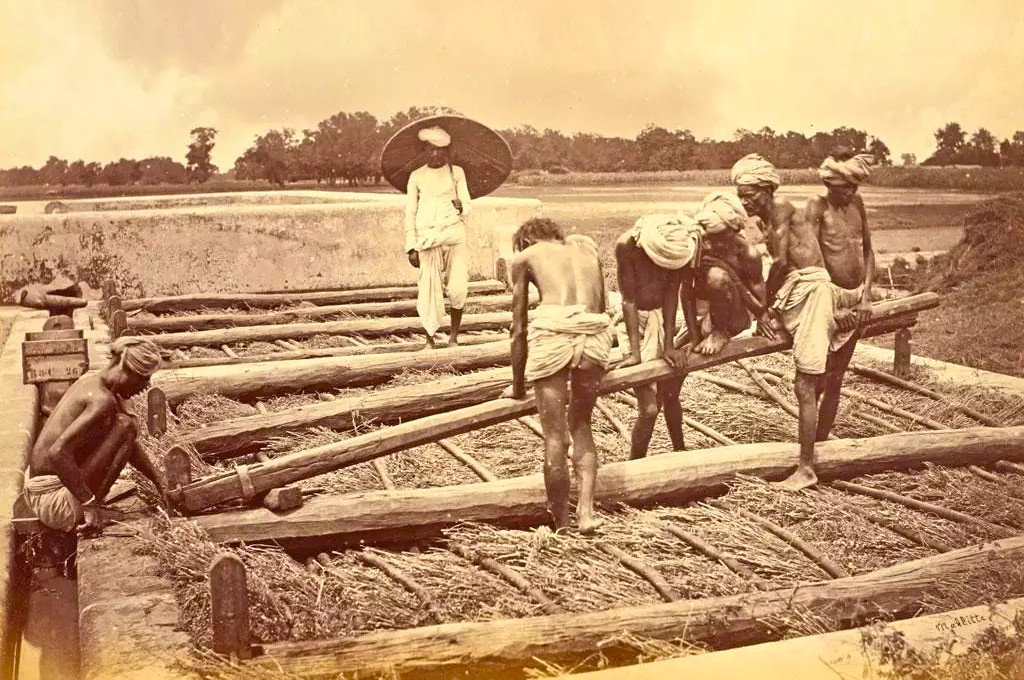
Life for the locals in the neighborhood revolves around the sun and the seasonal floods. Men work the fields or operate the river boats, while women manage the household accounts and the education of the children. Before the first Dynasty, the social structure was based on a system of communal land management. The daily life of the royal palace was a world away from the simple, hardworking lives of these residents. Today, the population remains deeply connected to the silt, practicing the same agricultural techniques that have been passed down through the centuries. This continuity provides a steady pulse to the village life, ensuring that the ancient ways are never lost to time.
Step Inside The Story - View All Tour Itineraries & Details

We’re here to offer genuine, thoughtful guidance if your interested in travelling to India. As a small, dedicated team, we pay close attention to every detail so you can focus on enjoying the experience while we take care of the planning. We believe the best trips begin when someone truly listens to what you want and how you like to travel, so the journey feels right for you and contributes to a happy, positive group on tour. Our communication stays clear, straightforward, and respectful at every step, with the goal of helping you feel understood, supported, and confident from first contact to the end of your journey.
Click Catherine Frith - About The Founder
Click Discover Life Travel - All Tours and More
Click Why We Are Different - Unique, Safe, Transparent