A Unique Look Into Indian History
Gajapati Dynasty: Odisha - India
Discover Life Travel
A Legacy of Elephants and Empires
The once-mighty Eastern Ganga Dynasty was in its twilight, its power crumbling from within. The last Ganga king, Bhanudeva IV, was a weak ruler, unable to command the loyalty of his powerful ministers or defend his borders effectively. The Kalinga empire, though culturally rich, was politically fragile, facing threats from the Bahmani Sultanate in the Deccan and the Bengal Sultanate to the north. This social and political climate of 15th century Odisha was ripe for a revolution, a volatile environment where a strong, ambitious leader could seize control and reforge the kingdom's destiny from the embers of the old dynasty. Gajapati Dynasty Odisha India
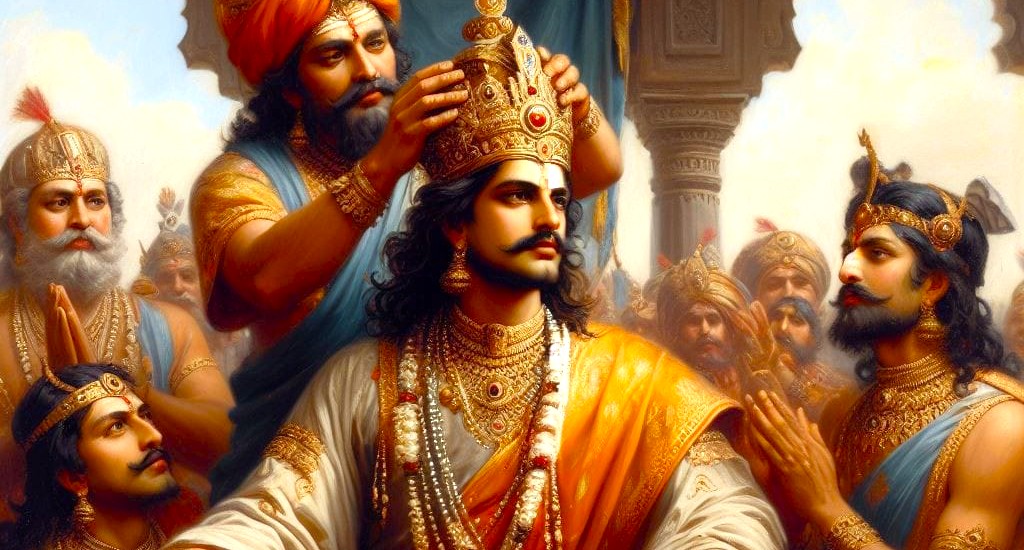
Gajapati Dynasty: Odisha - India: Dawn of the Elephant Lords
In a dramatic coup in 1434 CE, a brilliant military commander named Kapilendra Deva seized the throne, claiming divine sanction from Lord Jagannath and solar lineage. He established a new ruling house, soon to be feared and respected as the Gajapatis, or "Lords of Elephants." Kapilendra, along with his formidable son Purushottama Deva and grandson Prataparudra Deva, embarked on a breathtaking campaign of conquest. At its zenith, the Gajapati empire's territorial expansion stretched from the Ganga in the north to the Kaveri in the south, creating a vast, militaristic Hindu empire.
A Day in the Imperial Court
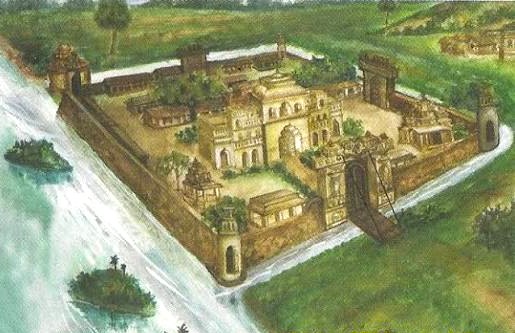
A Gajapati king's day was a dynamic blend of martial duty and pious devotion. As the designated deputy ("Raut") of Lord Jagannath, his mornings were consumed by rituals and temple affairs. This was followed by intense military councils, planning the Gajapati dynasty's campaigns against the Vijayanagara empire and other rivals. Afternoons might involve overseeing the administration of conquered territories or reviewing the training of war elephants. Evenings were for cultural pursuits, listening to the burgeoning Odia poetry and music, a brief respite from the constant pressure of defending and expanding a militaristic Hindu kingdom in eastern India. Gajapati Dynasty Odisha India
Feasts of the Divine Kitchen
The "Mahaprasad," or great offering, was a central pillar of their rule, a symbol of their divine mandate and provision for the people. From the Royal kitchen he preparation and distribution of Mahaprasad in Puri was a massive daily operation, feeding countless pilgrims, priests, and the poor. The kings made lavish endowments to ensure this sacred culinary tradition continued uninterrupted, viewing the temple kitchen not just as a place of cooking, but as the spiritual heart of the empire and a tangible link to Lord Jagannath's divine authority.
Justice of the Elephant Lords
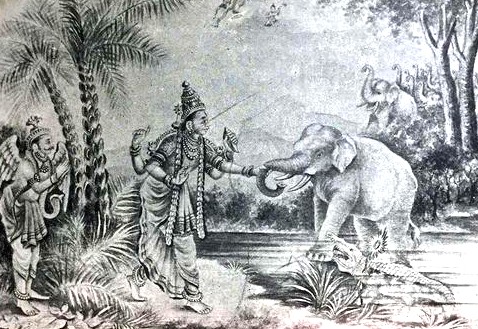
The Gajapati legal system was pragmatic and martial in character, blending scriptural laws with the necessities of a military state. The king was the ultimate judge, and his word was final. While village councils handled local disputes, crimes impacting the state, such as treason or espionage, were dealt with swiftly and harshly. Inscriptions show that land grants and revenue disputes in the Gajapati empire were common legal issues brought before royal officials. Justice was less about abstract philosophy and more about maintaining order, securing revenue, and ensuring the unwavering loyalty required to run a massive, conquest-driven empire. Gajapati Dynasty Odisha India
The Pantheon of the East
Under the Gajapatis, the cult of Jagannath reached its zenith, becoming inextricably linked with Odia identity and royal authority. The king was Jagannath's first servant. This period also saw a significant new spiritual wave: the arrival of the Bengali mystic Chaitanya Mahaprabhu in Puri. The influence of Chaitanya's Gaudiya Vaishnavism movement introduced a passionate, ecstatic form of bhakti (devotion) focused on Radha and Krishna. This created a dynamic spiritual environment where the traditional, formal worship of Jagannath coexisted with fervent, emotional devotionalism, deeply shaping the religious landscape of 16th century Odisha.
Grandeur on Parade
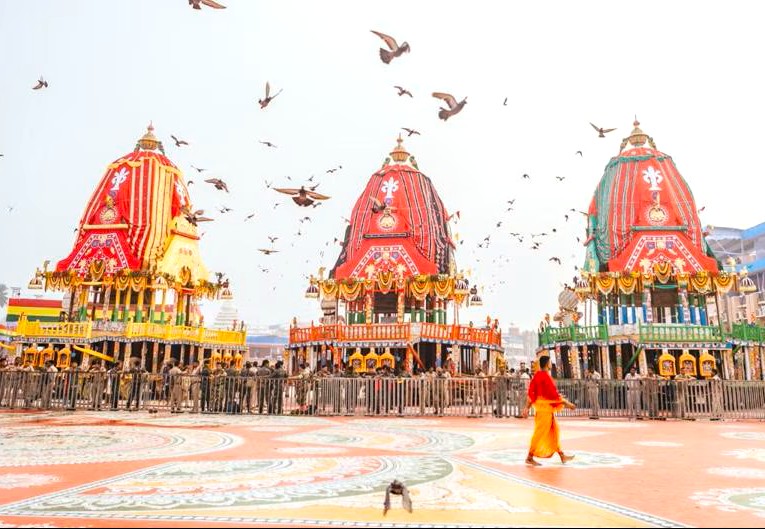
The Puri Ratha Yatra remained the paramount public festival, now infused with even greater royal pomp and the fervent energy of the new bhakti movements. The Gajapati kings performed the "Chhera Panhara," the ritual sweeping of the chariot platforms with a golden broom, a powerful act of humility demonstrating their subservience to Lord Jagannath. The significance of the Gajapati king's Chhera Panhara ritual was immense, solidifying his role as the god's chief devotee in the eyes of the populace. These processions were vibrant, emotional spectacles that reinforced the divine bond between the king, the deity, and the people.
The Emperor's Evening Stage
This era was the golden age of Odia literature. The Gajapati court, particularly under Prataparudra Deva, became a sanctuary for poets and scholars. The "Pancha Sakha" (Five Friends) - Balarama Dasa, Jagannatha Dasa, Achyutananda Dasa, Ananta Dasa, and Jasobanta Dasa - were literary giants of this period. They translated Sanskrit epics like the Ramayana and Bhagavata Purana into the Odia language, making sacred texts accessible to the masses. The contribution of the Pancha Sakha to Odia literature was revolutionary, cementing the language and creating a distinct literary identity for the Kalinga region. Gajapati Dynasty Odisha India
Forged in Fire and Water
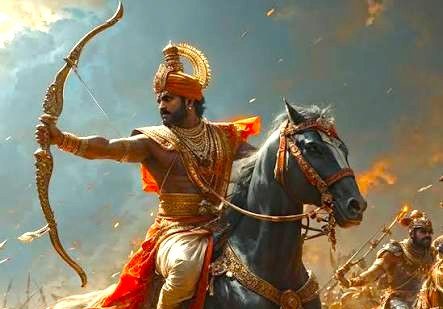
The Gajapatis were, first and foremost, a military dynasty. Their name, "Lords of Elephants," was earned on the battlefield, where their massive elephant corps was a terrifying force. Kapilendra Deva's campaigns were legendary, conquering territories deep into the south. His son, Purushottama Deva, famously waged the Kanchi-Kaveri war against the Vijayanagara kingdom. The military strategies and elephant warfare of the Gajapati Dynasty defined their rule, creating an empire that, for a time, was one of the most powerful indigenous powers in India, locked in a fierce struggle for supremacy on all fronts.
Alliances Cast in Bronze
Marriage for the Gajapatis was high-stakes diplomacy in a war-torn landscape. The most legendary tale is that of Purushottama Deva and the Kanchi princess Padmavati. After being insulted by the Kanchi king, Purushottama invaded, defeated him, and, as legend has it, was commanded by Jagannath to marry the princess. This story, part history and part myth, illustrates how royal marriages and the honor of women in the Gajapati Dynasty were intertwined with military conquest and divine will. These unions were less about peace and more about demonstrating dominance and fulfilling perceived destiny.
Art, Magic, and the Written Word
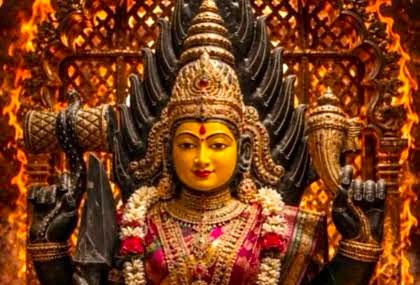
While the Gajapatis were not builders on the monumental scale of their predecessors, they were immense patrons of literature and religious arts. The defining artistic legacy of this era is the explosion of palm-leaf manuscript illustration and writing, particularly the works of the Pancha Sakha. The translation of the Bhagavata Purana into Odia by Jagannatha Dasa was a seminal event. Alongside this literary renaissance, esoteric practices like Tantra and yoga continued to thrive, with the Pancha Sakha themselves being mystics who wrote on philosophy, alchemy, and the synthesis of yoga and bhakti in their teachings. Gajapati Dynasty Odisha India
The Final Journey Home
As devout Vaishnavas, the Gajapati rulers' funeral rites would have been elaborate cremations following Vedic and Puranic prescriptions. The ceremonies emphasized the soul's release and journey, with the king's status as Jagannath's deputy adding a unique layer of sanctity. For common soldiers who fell in the endless wars, mass cremations were likely the norm. The funerary customs for warriors in the Gajapati military would have been stark and practical, yet imbued with the belief that dying in service to the king and the divine state was a path to glory in the afterlife.
Keepers of the Body's Balance
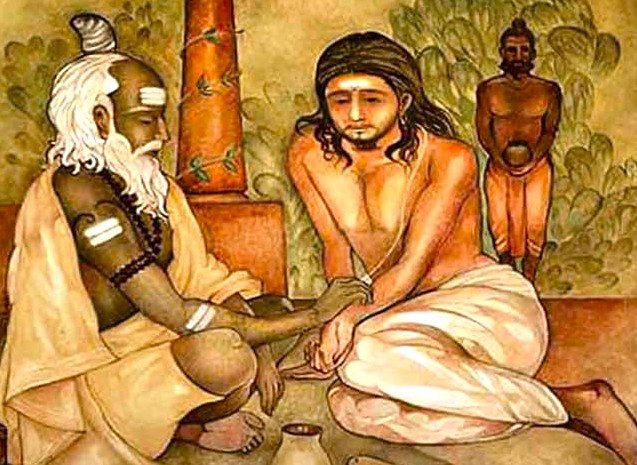
Ayurvedic and Siddha traditions continued to be the primary form of healthcare. With the empire in a constant state of war, physicians would have been crucial for treating battlefield injuries and wounds in the Gajapati army. Knowledge of surgery, bone-setting, and herbal remedies for infections would have been highly valued. The Pancha Sakha's writings also touched upon esoteric healing practices and the connection between the physical body and spiritual well-being, suggesting a medical culture that blended practical science with deep mystical understanding, a hallmark of medieval Indian holistic health systems. Gajapati Dynasty Odisha India
Taming the Life-Giving Waters
The Gajapatis inherited and maintained the existing network of reservoirs and irrigation systems left by the Gangas. For a military state, ensuring food security to feed a large standing army was a matter of national security. The control of river deltas like the Godavari and Krishna, acquired through conquest, was a strategic priority, as these fertile lands were the empire's breadbasket. The importance of controlling riverine agriculture for the Gajapati economy cannot be overstated; it was the engine that powered their war elephants and funded their relentless campaigns of expansion.
The Sun Begins to Set
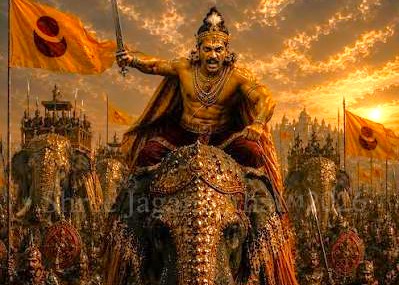
The vast Gajapati empire, forged by military might, began to crumble under its own weight. The death of the pious but militarily less successful Prataparudra Deva created a power vacuum. His successors were weak, and the empire was squeezed by the resurgent Golconda Sultanate and internal rebellions. In 1541 CE, the minister Govinda Vidyadhara assassinated the last Gajapati heir and seized the throne, founding the short-lived Bhoi dynasty. This treacherous act marked the true end of the Gajapati golden age, plunging Odisha into a period of internal chaos and vulnerability.
Step Inside The Story - View All Tour Itineraries & Details

We’re here to offer genuine, thoughtful guidance if your interested in travelling to India. As a small, dedicated team, we pay close attention to every detail so you can focus on enjoying the experience while we take care of the planning. We believe the best trips begin when someone truly listens to what you want and how you like to travel, so the journey feels right for you and contributes to a happy, positive group on tour. Our communication stays clear, straightforward, and respectful at every step, with the goal of helping you feel understood, supported, and confident from first contact to the end of your journey.
Click Catherine Frith - About The Founder
Click Discover Life Travel - All Tours and More
Click Why We Are Different - Unique, Safe, Transparent