A Unique Look Into Indian History
Dogra Dynasty: Kashmir - Jammu
Discover Life Travel
Life Before Dogra Rule In Jammu And Kashmir
Before the rise of the Dogras, Jammu and Kashmir were a mosaic of hill rajas, Afghan governors and fading Mughal institutions. In the high valley of Kashmir, Afghan Durrani rule was widely remembered for heavy taxation and sectarian pressure; in Jammu hills, Rajput lineages and tribal chiefs balanced between larger powers. Villagers farmed terraced fields with maize, rice and wheat, grazed flocks on alpine pastures and worshipped at temples, mosques, shrines and sacred springs. Trade caravans linked Punjab to Ladakh, Tibet and Central Asia. This fractured landscape set the stage for the Dogra takeover under Sikh and then British shadows, turning local chiefs into architects of a new princely state. Dogra Dynasty Kashmir Jammu
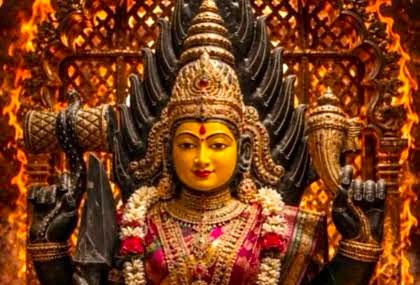
Dogra Dynasty: Kashmir - Jammu: Power Under Gulab Singh
The Dogra Dynasty coalesced around the Jamwal Rajput house of Jammu, particularly under Gulab Singh, a vassal and general of Maharaja Ranjit Singh of the Sikh Empire. As the Sikh state expanded, Gulab Singh gained control over Jammu and then, through campaigns led by his kinsman Zorawar Singh, extended influence into Ladakh and Baltistan. After the First Anglo‑Sikh War, the Treaty of Amritsar (1846) saw the British transfer Kashmir, Jammu and surrounding hills to Gulab Singh in return for payment and loyalty. Thus he became the first Maharaja of Jammu and Kashmir, founding a Dogra dynasty whose rule spanned from the mid‑19th century until 1947 over a vast, ethnically diverse mountain realm.
Daily Life Of Dogra Maharajas And Royal Household
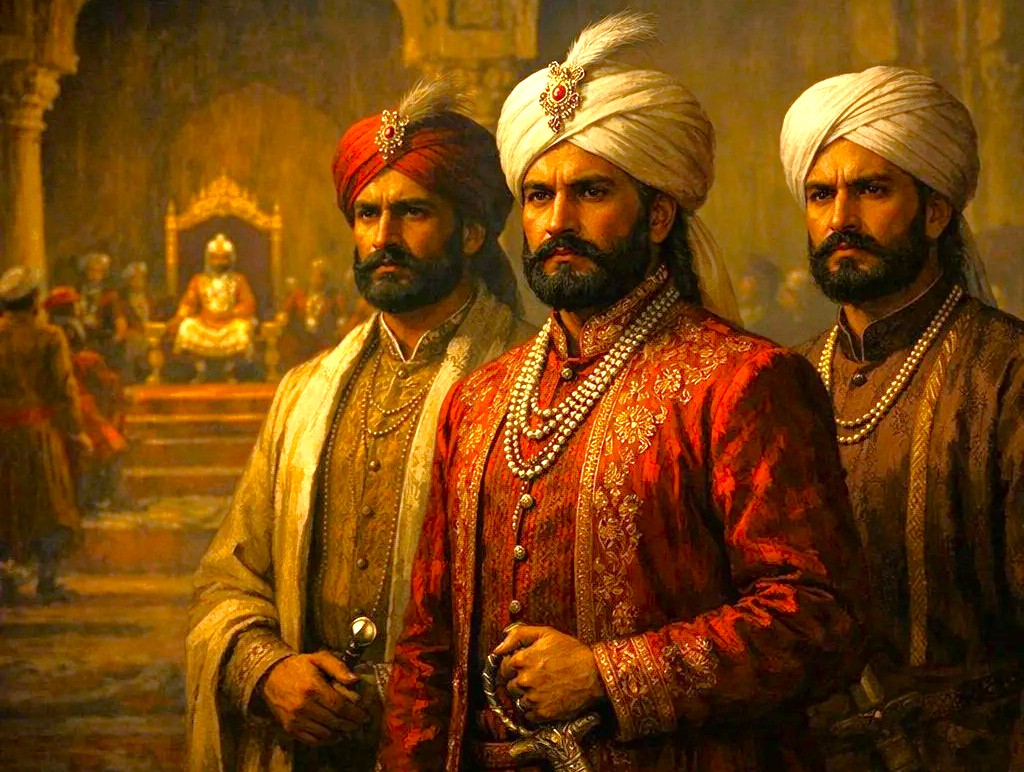
In palaces at Jammu, Srinagar and later at other seasonal residences, Dogra maharaja daily routines in princely Jammu and Kashmir courts blended Rajput martial tradition, Hindu ritual and modern princely etiquette. At dawn the ruler bathed, received tilak, and performed puja to family deities - often Vaishnavite forms and Kuldevis - before attending to state papers with British‑trained secretaries and traditional diwans. Queens and royal women supervised the zenana, jewelry, wardrobes, kitchens and charitable grants to temples, mosques and shrines, and quietly influenced appointments and family politics. Princes learned riding, marksmanship, administration and English alongside Sanskrit and Persian, while princesses received training in music, needlework, languages and philanthropic roles. Durbar days, hunting parties, inspections of troops and irrigation works, and receptions for British officers structured a life at once ceremonious and tightly watched by the Empire. Dogra Dynasty Kashmir Jammu
Local Society And Daily Life Across A Diverse State
Most subjects of the Dogras lived far from royal centers, in rural village life under Dogra rule in Jammu Kashmir Ladakh hill regions shaped by altitude and ecology. In Jammu hills, peasants grew maize, wheat and pulses on terraces, tended cattle and goats, and worshipped at temples and shrines; in Kashmir valley, Muslim and Pandit villagers maintained rice paddies, orchards and saffron fields, prayed in mosques and temples and visited Sufi shrines and nag springs. In Ladakh and Baltistan, Tibetan‑Buddhist and Muslim communities herded yaks, cultivated barley and managed complex irrigation channels in high‑altitude deserts. Village headmen mediated taxes and corvée demands with Dogra officials; caste, tribe and religious councils resolved local disputes, preserving older social structures under a new dynastic umbrella.
Royal Kitchens, Dogra Cuisine And Public Feasts
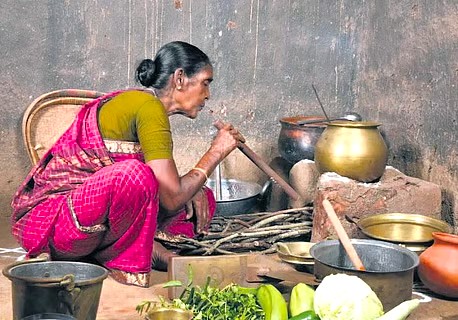
Inside palaces, traditional Dogra royal food culture in Jammu and Kashmir princely kitchens drew from multiple regional cuisines. In Jammu, royal menus featured rice, rajma (kidney beans), madra‑style yogurt gravies, meats, ghee‑laden rotis and sweets flavored with saffron, cardamom and nuts: in Kashmir, wazwan‑influenced dishes, haakh (greens), nadru (lotus stem) and river fish enriched the tables. Large kitchens fed extended households, guards, clerks and guests. On Hindu festivals, Urs days, coronations or visits from British dignitaries, elaborate banquets were laid out, while at temples, mosques and shrines associated with the court, cooked food and grain were distributed to the poor. Feeding across communities allowed Dogra rulers to project an image of inclusive generosity in a multi‑religious state. Dogra Dynasty Kashmir Jammu
Laws, Revenue And Punishments In Dogra Domains
Under the Dogras, the legal and taxation system in Dogra princely state of Jammu and Kashmir combined older customs, imperial expectations and new codifications. Land revenue assessments sought to rationalize and stabilize taxes, but in many areas, especially Kashmir valley, peasants experienced the system as heavy and exploitative, with grain, shawl‑loom taxes and forced labor (begar) resented. Civil and criminal courts increasingly used written procedures; yet village elders, religious authorities and informal negotiation still mattered. Theft, banditry and violent crime could bring imprisonment, hard labor or corporal punishment; political dissent was often met with surveillance, exile or jail. Over time, press voices, petitions and British scrutiny pressured the state toward incremental legal reforms, but popular grievances remained.
Temples, Mosques, Monasteries And Sacred Geography
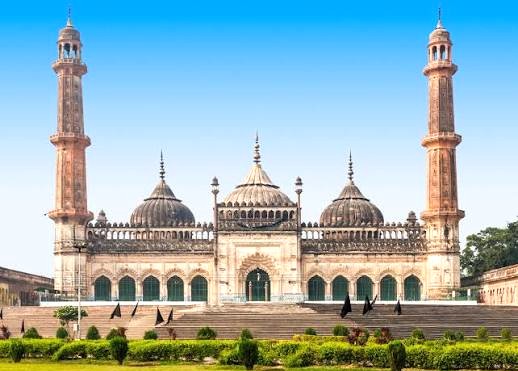
Religion in the Dogra era religious institutions and sacred sites across Jammu Kashmir Ladakh reflected remarkable diversity. The Dogra rulers, Hindu Rajputs, generously endowed temples in Jammu and elsewhere, restored or protected shrines, and supported pilgrimages like Vaishno Devi and Amarnath Yatra. In Kashmir, centuries‑old mosques, Sufi khanqahs and Pandit temples continued to structure valley piety; in Ladakh and Zanskar, Buddhist monasteries (gompas) with their temples, stupas and ritual calendars were central to communal life. The state, seeking legitimacy, made offerings and grants across communities, yet patterns of favoritism, resource allocation and religious symbolism also reflected its Hindu Dogra identity, feeding both loyalty and resentment in different quarters.
Festivals, Processions And Public Ceremonies
Across the state, Dogra period religious festivals and princely processions in Jammu and Kashmir animated cities and villages. In Jammu, Dussehra, Diwali and local goddess festivals saw processions of deities and royal emblems, military parades, fireworks and public audiences; in Kashmir, Eid, Muharram, Urs gatherings at Sufi shrines and Hindu festivals like Shivaratri continued with local color. In Ladakh, Losar (New Year), monastic cham dances and masked processions marked the ritual calendar. Dogra officials and sometimes the maharaja or princes appeared at multi‑community events, offering donations and reviewing crowds, using festivals to dramatize unity under their rule while also reinforcing distinct religious identities. Dogra Dynasty Kashmir Jammu
Royal Courts, Entertainment And Modern Influences
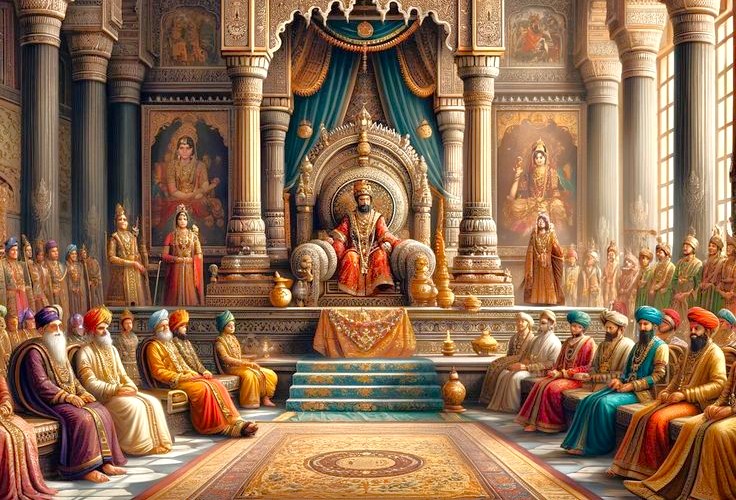
In durbars at Jammu and Srinagar, the Dogra court culture with Rajput traditions, British etiquette and Kashmiri arts blended old and new. Formal audiences featured ornate dress, British‑style medals, Persianate robes and Rajput turbans; clerks submitted files in Urdu, Persian and later English. After business, evenings could include katha storytelling, Kashmiri music, Dogri and Pahari songs, classical dance, nautch performances, and, in later decades, even early cinema screenings. Poets and painters enjoyed patronage alongside modern school founders and print publishers. This hybrid court culture served as a symbol of princely modernity and continuity, projecting the Dogras as both guardians of tradition and partners in the imperial order.
Battles, Expansions And Political Resilience
The Dogra rise was forged in war. Under Sikh suzerainty, Dogra military campaigns and conquests in Jammu Kashmir Ladakh Tibet frontiers led by generals like Zorawar Singh pushed into Ladakh, Baltistan and toward western Tibet, with mixed success and heavy losses in high‑altitude battles. Within the state, the maharajas confronted tribal raids, internal revolts and later political agitations. Externally, they navigated between British imperial demands, Afghan and Punjabi dynamics and, in the twentieth century, growing nationalist currents. Their ability to retain a large, strategically vital princely state until 1947 reflected both martial reputation and strategic concession, though it left a complex legacy for their diverse subjects.
Royal Marriages, Dynastic Alliances And Women’s Roles
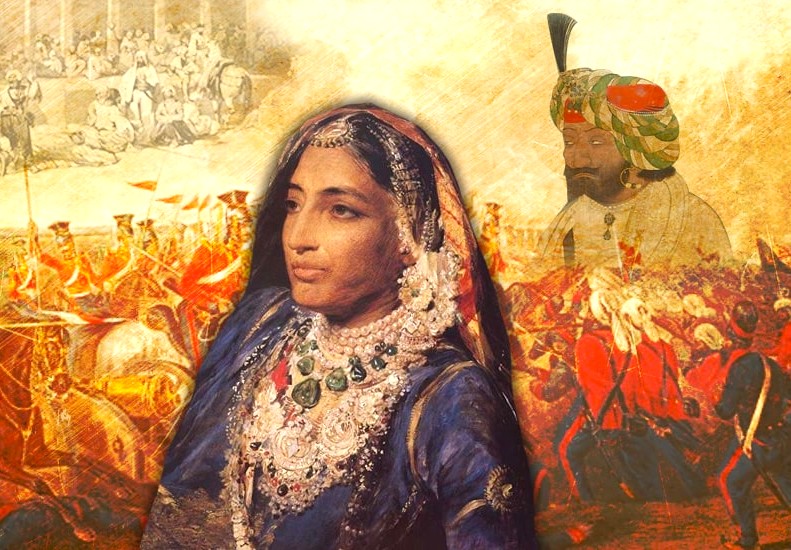
Marriage in the Dogra royal family matrimonial alliances and women’s influence in Jammu and Kashmir court framework served diplomacy and domestic cohesion. Maharajas married into other Rajput and princely houses, weaving ties across the subcontinent; princesses were married out to significant rulers and nobles. Within the zenana, queens and senior women managed estates, supervised charitable works, supported temples, schools and sometimes hospitals, and influenced internal politics and succession. Their public visibility was limited by purdah, but their signatures are found on donation deeds and in the memories of patronage. Beyond the palace, women in Jammu, Kashmir and Ladakh carried heavy economic and ritual responsibilities, while slowly entering modern education and reform networks toward the end of Dogra rule. Dogra Dynasty Kashmir Jammu
Literature, Folklore And Artistic Life Under Dogras
The Dogra era literary and artistic patronage in Dogri Kashmiri and Ladakhi cultures fostered creativity across languages. Court and urban circles supported poets in Dogri, Urdu and Persian, while Kashmiri and Pahari folk songs, Sufi poetry and Pandit literary traditions continued to thrive. Miniature painters and woodcarvers decorated palaces, temples and homes; carpet‑weavers and shawl‑makers produced famous textiles that reached global markets. Ladakhi thangka painters and sculptors maintained Buddhist artistic lineages. Print culture in Jammu and Srinagar slowly spread literacy and public debate. Through this mixed patronage, the Dogras presided over a culturally vibrant, if politically constrained, Himalayan crossroads.
Death Rites, Cremation, Burial And Memory
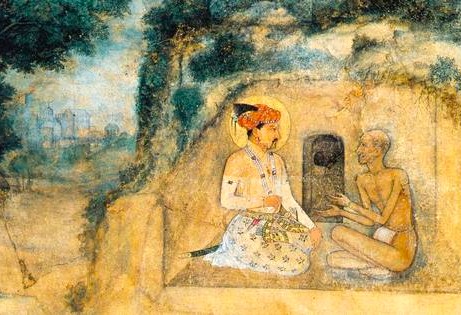
In death, subjects followed their faiths’ customs under the umbrella of Dogra period funeral practices in Hindu, Muslim and Buddhist communities of Jammu and Kashmir. Hindu Dogras and many valley Pandits cremated their dead by rivers or designated ghats, immersing ashes and performing annual śrāddha rites. Kashmiri and Pahari Muslims buried their dead in graveyards near mosques and shrines, with Quranic recitation and communal prayers; Ladakhi Buddhists practiced sky burial‑like and cremation variants depending on sect and means, with elaborate rituals at monasteries. Dogra royals had cremation grounds and memorials of their own - chhatri‑style cenotaphs and inscribed sites - ensuring that dynastic memory lingered in stone and ceremony.
Physicians, Hakims And Modern Medicine Arrive
Health care for the Dogra state traditional healers and modern hospitals was a patchwork. Ayurvedic vaidyas, Unani hakims, amchi (Tibetan doctors) in Ladakh and village healers across the state used herbs, diet, massage and spiritual practices to treat illness. Under Dogra and British influence, dispensaries and hospitals opened in key towns, staffed increasingly by Western‑trained doctors, offering vaccinations, surgery and allopathic drugs. The coexistence of these systems allowed some choice but also marked social divides: elites accessed modern care more easily, while rural populations relied on older methods and shrine‑based healing. Epidemics and famines tested both traditional and new responses. Dogra Dynasty Kashmir Jammu
Irrigation, Roads And State Infrastructure Projects
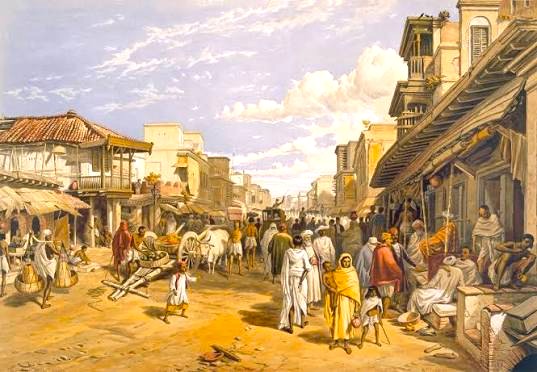
For a mountainous state, Dogra era irrigation canals, roads and bridge construction in Jammu and Kashmir were vital to control and development. The Dogras improved some existing canals and karewa irrigation in Kashmir, built small dams and tanks in Jammu, and encouraged terrace cultivation and channel maintenance in highlands. They invested in roads and bridges linking Jammu to Srinagar via the Banihal route and connecting border regions, facilitating troop movement, administration and trade. Later, telegraph lines and, outside the state, rail links to Punjab reduced isolation. Yet many remote villages remained hard to reach, and uneven development contributed to regional disparities and discontent.
The End Of Dogra Rule And New Political Orders
By the twentieth century, the political transition from Dogra princely rule to post 1947 Jammu and Kashmir statehood was driven by nationalist movements, communal tensions and imperial retreat. Popular agitations in Kashmir valley challenged autocracy and economic burdens; in Jammu and Ladakh, different aspirations and grievances emerged. In 1947, as British paramountcy lapsed, Maharaja Hari Singh hesitated over accession; tribal incursions from Pakistan and the first Indo‑Pak war forced rapid decisions and the signing of the Instrument of Accession to India. Dogra sovereignty effectively ended, though the dynasty survived as a social presence. Their legacy - a large, contested Himalayan state with layered identities and memories of both patronage and repression - continues to shape politics, culture and debate in the region long after their crowns were set aside. Dogra Dynasty Kashmir Jammu
Step Inside The Story - View All Tour Itineraries & Details
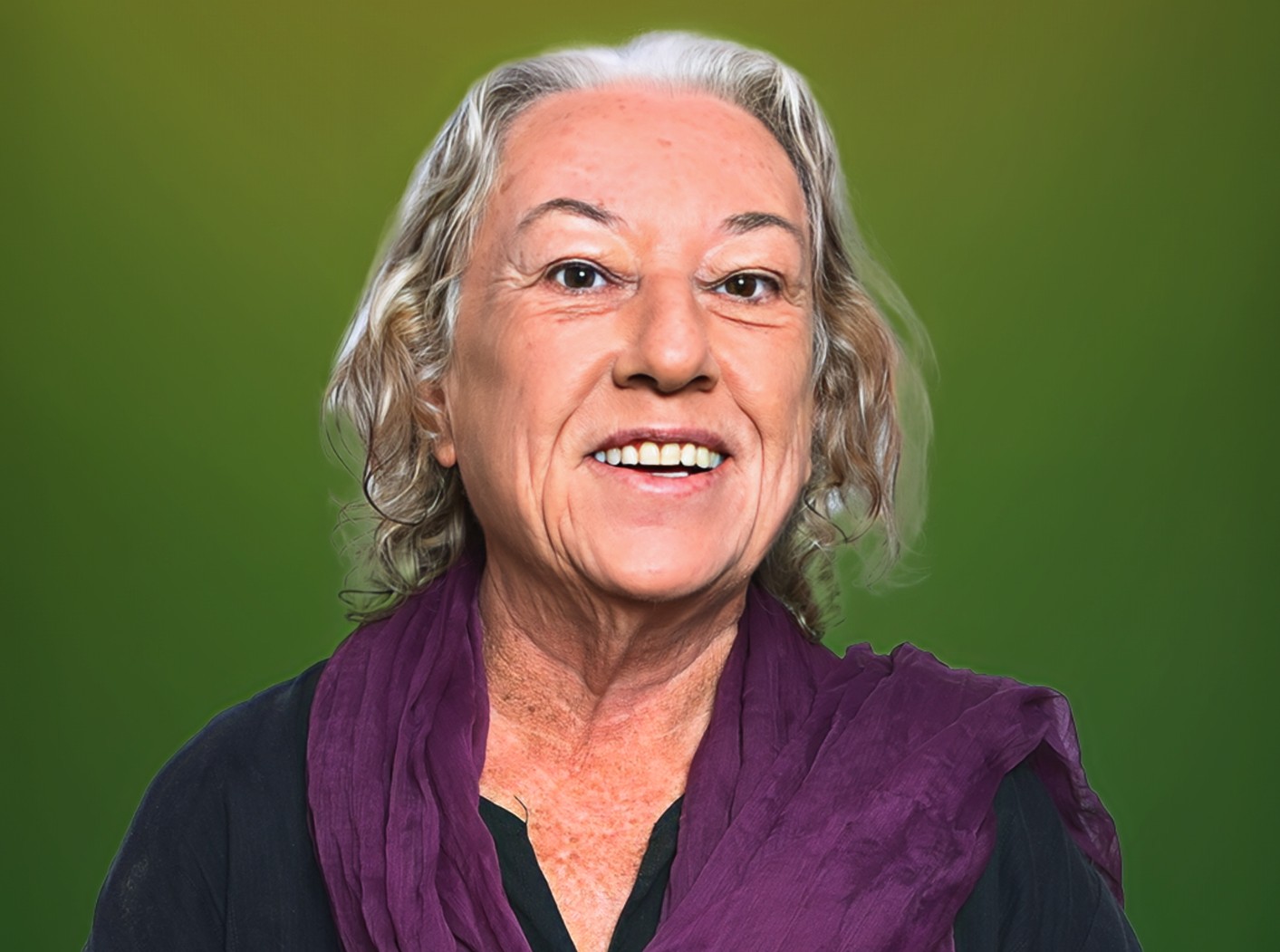
We’re here to offer genuine, thoughtful guidance if your interested in travelling to India. As a small, dedicated team, we pay close attention to every detail so you can focus on enjoying the experience while we take care of the planning. We believe the best trips begin when someone truly listens to what you want and how you like to travel, so the journey feels right for you and contributes to a happy, positive group on tour. Our communication stays clear, straightforward, and respectful at every step, with the goal of helping you feel understood, supported, and confident from first contact to the end of your journey.
Click Catherine Frith - About The Founder
Click Discover Life Travel - All Tours and More
Click Why We Are Different - Unique, Safe, Transparent