A Unique Look Into Indian History
Devagiri Dynasty: Western Deccan - India
Discover Life Travel
Life Before Rule In Devagiri Region
Before the Devagiri Dynasty of the western Deccan rose, the basalt hills and fertile Godavari plains near present-day Daulatabad in Maharashtra were dotted with small forts, Buddhist caves and agrarian villages. Archaeological finds - terracotta figurines, punch-marked coins, iron tools and brick temple remains - match early Deccan hill-settlement archaeology around Devagiri/Daulatabad and ancient trade routes linking the Konkan coast to the Deccan plateau. Inscriptions reference minor chiefs, grain taxes and tank repairs. Local lore remembers forest clans guarding passes and caravan halts. This pre-dynastic Deccan clan-and-market landscape provided the economic arteries and sacred sites the new line would later consolidate. Devagiri Dynasty Western Deccan India
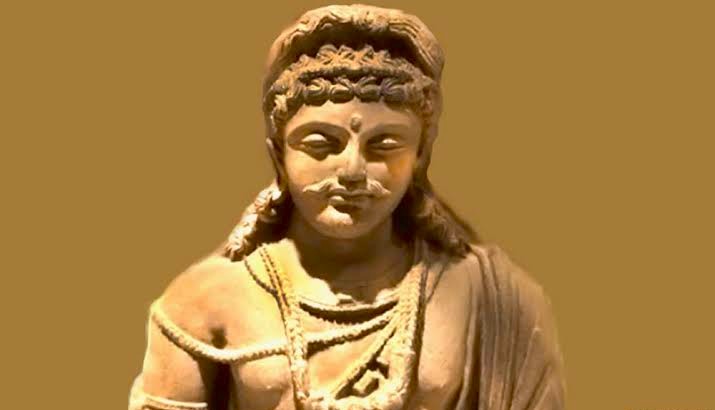
Devagiri Dynasty: Western Deccan - India: Founding Of Power At Devagiri Fort
The origin story of a Devagiri-based ruling house in medieval Deccan history centers on the transformation of a formidable hill-fort into a capital. In the late 12th century, amid the decline of earlier overlords, a regional commander - backed by warriors, merchants and temple elites - seized Devagiri’s rock stronghold. Chroniclers describe this as a Deccan hill-fort takeover creating a new plateau kingdom around Devagiri/Daulatabad. With queen and heirs at his side, the ruler brought surrounding chiefs into vassalage, extending control from Godavari fields to forested ridges and trade routes, establishing a strategic inland capital for revenue and defense.
Daily Life Inside The Devagiri Citadel
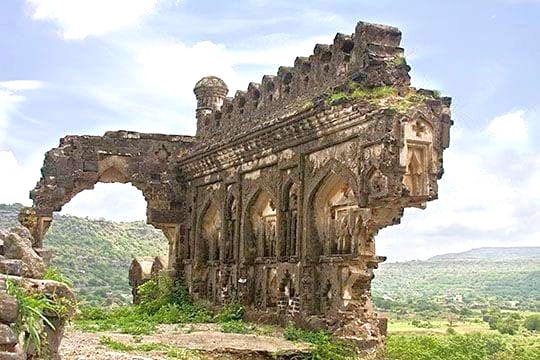
Within the walls, routine reflected medieval Deccan palace life and administrative practice at Devagiri fort. At dawn, the ruler bathed in stone-cut cisterns, received sandal or ash markings and consulted priests and astrologers. The queen managed inner apartments, jewelry, kitchens and temple donations, embodying royal women’s roles in Deccan court economy and religious patronage. Princes trained in archery, sword and elephant drill, studied Sanskrit, local languages and revenue records; princesses learned music, accounts and marriage diplomacy. Council, petitions, inspections and evening performances structured each day, showcasing fortress-centered kingship and disciplined royal household routines. Devagiri Dynasty Western Deccan India
Village Society Around Devagiri Stronghold
Beyond the fort, people lived the familiar patterns of rural Deccan agrarian and craft society under hill-fort polities. Farmers ploughed black-cotton and red soils for millets, sorghum, rice and pulses, relying on monsoon and tanks. Women drew water from wells, worked in fields, spun cotton and traded in weekly bazaars. Blacksmiths, potters, oil-pressers and weavers sustained traditional Maharashtra village economies linked to plateau–coast trade. Cattle herders moved seasonally between grazing and forest edges. Grama sabhas and caste councils mediated disputes, illustrating village self-governance and customary law systems in the western Deccan that persisted under changing rulers.
Royal Kitchens, Rations And Festival Food
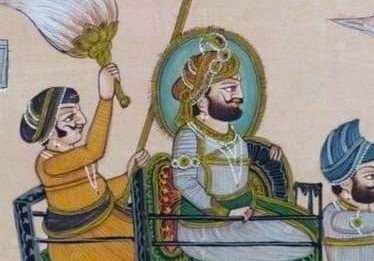
Inside Devagiri, kitchens roared as engines of medieval Deccan royal cuisine and mass-feeding traditions. Before sunrise, cooks stoked huge hearths under iron and copper cauldrons, boiling rice, millets and lentils for soldiers, priests, scribes and guests. Spice pastes of coriander, cumin, pepper, ginger, garlic and chilies perfumed corridors. Gardens and granaries supplied vegetables, ghee and grain; hunters and fishermen provided game and river fish. On major holy days, extra cauldrons simmered for temple distribution, reflecting court-sponsored anna-dana and communal feasts in western Deccan capitals. These meals displayed wealth, piety and logistical skill more vividly than decrees.
Laws, Penalties And Panchayat Decisions
Justice across Devagiri-ruled Deccan districts combined dharmashastra, royal edict and village custom, forming hybrid legal systems in medieval western Indian kingdoms. A cultivator caught tampering with field boundaries could lose land and be ordered to repair tanks or roads. Water thieves diverting canals at night faced fines and forced labor. Shopkeepers cheating on weights risked public shaming, broken measures and bans from markets, mirroring historic Deccan bazaar regulation and honor-based punishment practices. Serious banditry or treason might bring mutilation or execution at fort gates. Yet grama panchayats often settled minor cases, evidencing negotiation between central authority and local justice traditions. Devagiri Dynasty Western Deccan India
Temples, Maths And Sacred Landscape
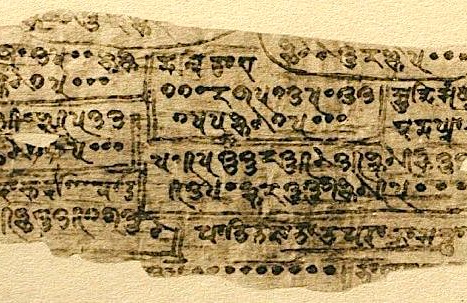
Religious life around Devagiri revolved around Shaivite, Vaishnavite and local deity shrines, exemplifying Deccan temple worship and sectarian maths under regional dynasties. Hill and city housed major Shiva temples; Vishnu shrines and mathas of various orders received land grants. Village goddess shrines, serpent stones and tree deities anchored folk religion and animist survivals in the western Deccan. Royal endowments supported priests, festivals and feeding houses; inscriptions praised donations of land, lamps and tanks. These networks allowed rulers to project dharmic kingship through temple patronage and pilgrimage routes while drawing legitimacy from sacred geographies older than their own line.
Festivals, Yatras And Marketplace Fairs
Festival days around Devagiri brought to life Deccan temple car festivals, jatras and market melas in medieval Maharashtra. Deities rode in rathas or palanquins through decorated streets; drummers, shehnai players and dancers led processions to tanks, groves or hill shrines. Traders set up stalls selling cloth, grain, spices, tools and ornaments, embodying religious fairs as nodes of trade, entertainment and devotion in plateau regions. Harvest and monsoon festivals reinforced ties between fort and village. Kings or princes sometimes appeared for puja and gift-giving, using public ritual and festival patronage to confirm sovereignty and shared identity.
Courtly Halls, Music And Pageantry
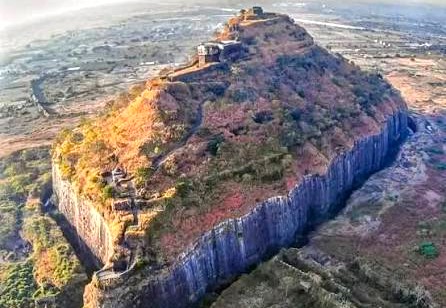
The Devagiri darbar mingled administration with art, typical of medieval Deccan court culture and performing arts patronage. Morning sessions handled petitions, land disputes, tribute, military planning and revenue reviews. Afternoons featured musicians performing ragas, dancers enacting epics, storytellers sharing legends and jesters - poets composing verses, forming royal image-building through Sanskrit and vernacular praise poetry. Artisans presented metalwork, textiles or carved panels. Which artist received robes, coins or land grants signaled status and favor, making the court a hub of aesthetic competition, political signaling and social ranking as essential as formal proclamations. Devagiri Dynasty Western Deccan India
Campaigns, Sieges And Deccan Warfare
The military record of this house is woven into Deccan hill-fort warfare and inter-kingdom conflict across western India. Devagiri’s strategic location drew battles with neighboring Hindu and later Islamic powers over revenue-rich lands and trade corridors. Armies fielded cavalry, elephants, archers and infantry, adapting to plateau, ravine and river-crossing tactics in medieval Deccan campaigns. Forts endured sieges involving blockade, mining, battering engines and psychological pressure. Some defeats were followed by tributary status or negotiated peace. Through shifting fortunes, this line exemplified defensive use of geography, alliances and tribute to navigate stronger imperial ambitions in the region.
Marriages, Alliances And Women’s Agency
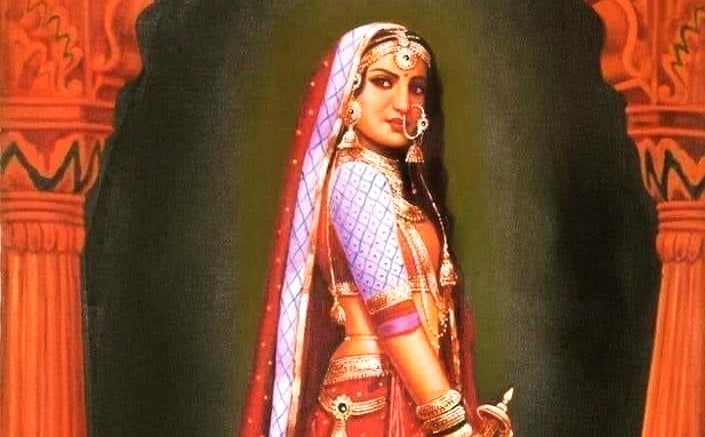
Dynastic marriages were core tools of Deccan matrimonial diplomacy and clan alliance formation. Daughters from Devagiri’s house married into neighboring dynasties, bringing dowries and forging peace or joint campaigns; incoming brides anchored new relations with coastal, plateau or forest polities. Queens appear in inscriptions granting villages to temples or tanks, indicating medieval royal women’s land grants and religious patronage roles in Maharashtra. Within palaces, senior women influenced succession, appointments and reconciliations through counsel and ritual hospitality. In villages, women’s agricultural, domestic and ritual labor underpinned gendered economic structures in Deccan agrarian life, typically left unrecorded by chroniclers. Devagiri Dynasty Western Deccan India
Magic, Artisans And Court Poets
Cultural life at Devagiri showcased western Deccan courtly arts, magic performances and literary production. Magicians astonished courts with sleight of hand, fire tricks and uncanny predictions. Sculptors carved ornate mandapas, doorways and pillars; painters adorned walls and manuscripts; metalworkers crafted armor, lamps and temple utensils, contributing to medieval Deccan art and architectural ornamentation around hill-forts. Poets in Sanskrit, Marathi and Kannada composed praises and narratives presenting rulers as lion, rain cloud or dharma’s shield, part of regional bhakti and royal panegyric literature. Patronage bound artists to the court, spreading the dynasty’s name through story, image and song.
Funerals, Cremation And Hero Stones
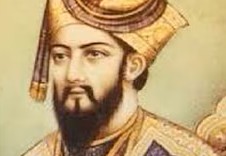
Funeral and memorial customs in Devagiri domains combined Deccan cremation rites and viragallu hero-stone traditions. Most people were cremated near rivers or tanks, with ashes cast into water or buried by sacred trees. Elite lineages sometimes raised samadhi-type memorials or inscribed panels. Along roads and battlefields, carved stones depicted warriors with weapons or on horseback, commemorating fallen fighters through hero-stones in western Indian warrior culture. These markers reminded passersby of past conflicts and obligations, keeping personal and clan honor embedded in the landscape long after political control shifted. Devagiri Dynasty Western Deccan India
Physicians, Folk Healers And Temple Care
Health practices under this house integrated Ayurveda, folk medicine and temple-based healing systems in medieval Deccan. Court vaidyas diagnosed through pulse, observation and questioning, prescribing herbal decoctions from neem, amla, ashwagandha, pepper and local plants. Bonesetters and barber-surgeons dealt with fractures and wounds. Village healers used mantras, amulets and fumigation, reflecting traditional rural healing and spiritual protection practices in Maharashtra. Temples with sacred tanks and mathas hosted convalescents and pilgrims seeking cures through vows and baths. During epidemics, authorities sometimes supported quarantines, water-source cleanings and appeasement of disease deities, intertwining public health measures with ritual responses.
Aqueducts, Tanks And Plateau Irrigation
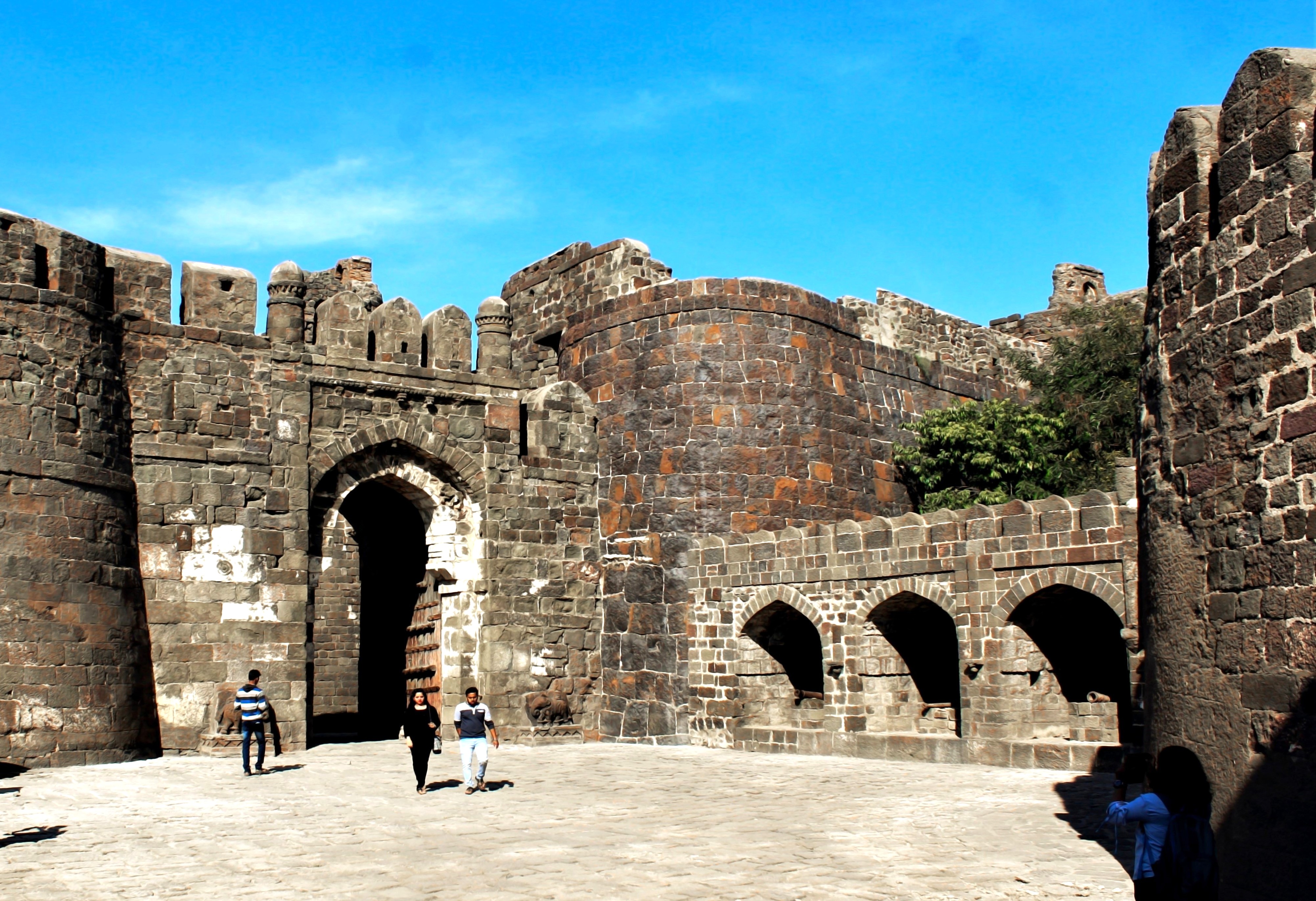
Waterworks in this realm are part of Deccan plateau tank, canal and stepwell engineering heritage. Embankments and channels captured monsoon rains and streams, filling tanks around Devagiri and nearby villages. From these, small canals irrigated paddies, sugarcane and garden plots under community-managed irrigation systems in premodern western India. Within the fort, cisterns cut into basalt and underground channels ensured water during the siege. Inscriptions praising rulers for constructing tanks, wells and canals framed such works as the dharmic duty of kingship to secure water and agricultural prosperity in a climate where one failed monsoon could unravel years of stability.
Succession, Conquest And Legacy At Devagiri
Ultimately, stronger imperial forces - from northern sultanates to later powers - overwhelmed local autonomy at this fortress, mirroring patterns of conquest and incorporation of Devagiri/Daulatabad into wider Indian empires. Tribute, forced conversions of loyalty and military defeat gradually reduced the dynasty’s independence. Yet the hill-fort, temples, tanks and surrounding settlements retained their imprint. Later rulers repurposed the citadel, but local memory, scattered inscriptions and architectural remains preserve the enduring legacy of Devagiri-based dynastic rule in Deccan regional history, showing how even absorbed houses continue to shape landscape, infrastructure and narratives long after their banners vanish. Devagiri Dynasty Western Deccan India
Step Inside The Story - View All Tour Itineraries & Details

We’re here to offer genuine, thoughtful guidance if your interested in travelling to India. As a small, dedicated team, we pay close attention to every detail so you can focus on enjoying the experience while we take care of the planning. We believe the best trips begin when someone truly listens to what you want and how you like to travel, so the journey feels right for you and contributes to a happy, positive group on tour. Our communication stays clear, straightforward, and respectful at every step, with the goal of helping you feel understood, supported, and confident from first contact to the end of your journey.
Click Catherine Frith - About The Founder
Click Discover Life Travel - All Tours and More
Click Why We Are Different - Unique, Safe, Transparent