A Unique Look Into Indian History
Chandravanshi: Lunar Dynasty - North India
Discover Life Travel
Life Before Lunar Lineage In North India
Long before the Chandravanshi Dynasty – Lunar Dynasty origin appeared. The Indo‑Gangetic plains were dotted with early agricultural communities, tribal chiefdoms and proto‑kingdoms. Rivers like the Yamuna and Ganga fed barley and rice fields; cattle herding and forest gathering supplemented fragile harvests. Simple shrines to sky, storm and river powers, along with ancestor stones and sacred groves, marked holy places. Later Vedic texts and epics would project their aristocratic clans backward into this world, but originally it was a mosaic of small lineages, not yet unified under the shining banner of a single lunar lineage. Chandravanshi Lunar Dynasty North India
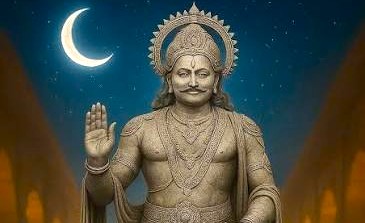
Chandravanshi: Lunar Dynasty North India - Birth Of The Lunar Line
In Purāṇic and epic lore, the Lunar Dynasty genealogy from Soma Chandra and Budha begins when Soma or Chandra, the Moon god, fathers Budha, who in turn sires Pururavas with the celestial nymph Urvashi. From Pururavas descends a long chain of kings, including Yayati, Puru, Kuru, Yadu and many others, branching into multiple sub‑lines. These genealogies are cosmic rather than historical, designed to root human royalty in divine luminaries. Through them, numerous later clans - Yadavas, Kurus, Bhojas and others - claim that the cool radiance of the Moon runs in their blood, setting the stage for epic drama and temple memory.
Daily Lives Of Epic Lunar Kings And Their Families
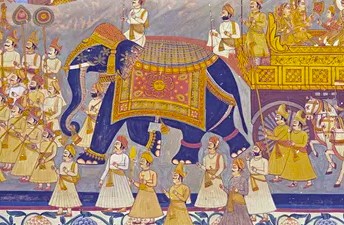
In the palaces of the Mahabharata era, life was a rhythmic balance of sacred duty and royal display. Each day began at dawn as kings performed ritual baths and made offerings to household fires, saluting the Moon to honor their divine lineage. While the king sought spiritual alignment, the Queens acted as architects of the inner court. They managed the kingdom's "inner economy," supervising jewelry stores, food reserves, and ritual gifts while directing a complex hierarchy of maidservants and dancers. Education was equally rigorous. Princes spent daylight in the dust of training grounds, mastering the bow, mace, and chariot, while gurus sharpened their minds in Vedic hymns and cold diplomacy. Simultaneously, Princesses were tutored in "subtle arts," balancing music and dance with household economy and negotiation - skills vital for their future roles as political bridge-builders. Chandravanshi Lunar Dynasty North India
Royal Kitchens, Ritual Offerings And Feasting
Within epic palaces, the traditional royal cuisine centered on grain, dairy and sacrificial meats. Cooks prepared rice, barley cakes, lentil stews, milk, curds, ghee, clarified butter sweets and, in Vedic sacrificial contexts, offerings of animal flesh shared between priests and patrons. Daily meals sustained warriors, ministers and guests; sacrificial feasts during great rituals such as Rājasūya or Aśvamedha saw thousands fed. Public distribution of food at city gates, temples and assembly grounds dramatized the Moon‑line rulers’ abundance and piety, promising subjects that their prosperity waxed under a benevolent celestial lineage. Chandravanshi Lunar Dynasty North India
Village Society Beneath Mythic Chandravanshi Thrones
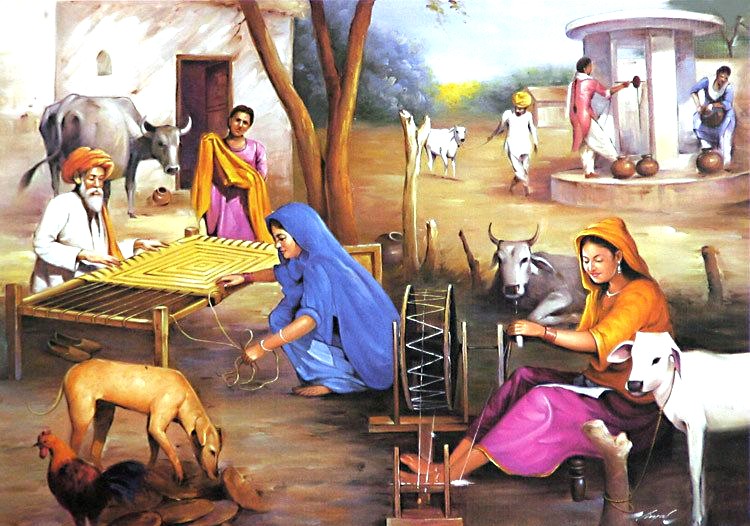
Away from royal cities, rural village life under legendary Chandravanshi lunar dynasty influence on Vedic agrarian society followed simpler patterns. Farmers rose before dawn to yoke oxen, ploughing small plots along rivers or in forest clearings to sow barley, rice and pulses. Women fetched water from wells or river ghats, pounded grain, spun yarn and tended hearth and children. Cattle herds grazed under the watch of youths; forest dwellers hunted, trapped or gathered honey and medicinal plants. Village elders and clan councils settled disputes under large trees or near shrines, negotiating taxes, tribute and labor demanded by distant lunar‑born kings.
Law, Dharma And Punishments In Lunar Realms
The dharma based legal justice and punishment system balanced stern retribution with ideals of righteousness. Law codes remembered in Dharmaśāstra and epic stories depict kings as guardians of social order who punish theft, violence and betrayal. A cattle‑thief might pay heavy restitution and face public shaming; a traitor or murderer could be executed or exiled to the forest. Yet many disputes over land, marriage or inheritance were resolved by elders, with oaths sworn on sacred fires or river banks. The Moon‑born king’s glory depended on aligning human law with cosmic order, not arbitrary cruelty.
Gods, Ancestors And Sacred Moon Worship
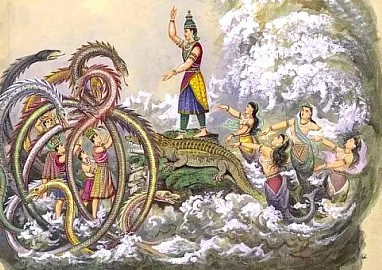
Religiously, the Lunar dynasty worship practices of Chandra Soma and Vedic deities placed the Moon among many revered powers. Kings traced descent from Soma and honored him in soma‑pressing rituals that nourished gods and increased royal lustre. Indra, Varuna, Agni and later Vishnu and Shiva shared temple and altar with ancestral spirits of the lunar line. Fire sacrifices, river bathings and observance of lunar phases for fasts and festivals wove cosmology into everyday governance. To rule rightly was to keep the shining path between divine Moon, earthly palace and village offerings unbroken.
Festivals, Moonlit Rites And Processions
Full moon festival celebrations and processions in ancient cities bathed streets and temples in silver light. On Purnima nights, lamps and torches lined palace gates; priests performed special offerings to Chandra and other gods; bards sang of the dynasty’s origin in the sky. Idols or royal standards bearing the crescent moved in procession, flanked by drummers, conch‑blowers and dancers. Market squares filled with vendors of sweets, garlands and trinkets. These festivals reaffirmed that the king’s fortunes rose and fell with the Moon, and that citizens’ joy and grain were tied to that same bright cycle.
Courts, Bards And Entertainment
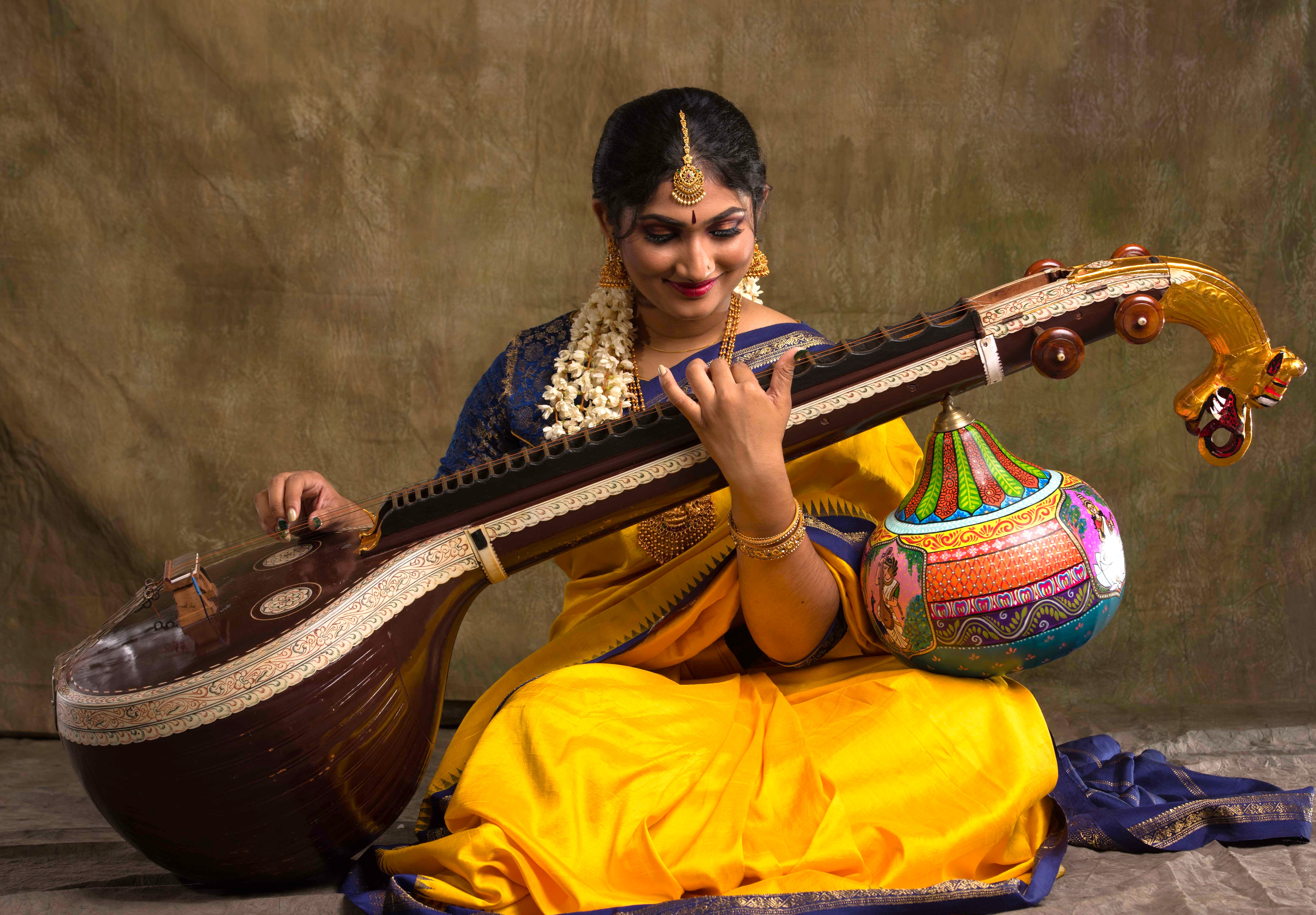
Royal courts with storytellers, poets and musicians were stages for law, diplomacy and delight. After morning audiences, evenings brought gatherings where sūtas and bards recited genealogies, heroic sagas and love tales, often improvising to praise their patrons. Musicians with lutes, drums and flutes accompanied dancers and actors in episodes from older myths. Philosophers debated dharma and fate, sometimes challenging royal decisions through parables. Such entertainments did more than amuse; they taught ethics, reinforced lunar lineage claims and spread a shared narrative culture to visiting chiefs and foreign envoys. Chandravanshi Lunar Dynasty North India
Battles, Heroism And Lunar Dynasty Resilience
Many of the subcontinent’s best‑known war tales center on the legendary battles of Lunar Dynasty kings in Mahabharata Kurukshetra war and other conflicts. Kuru and Yadava branches of the lunar line clash, ally and betray one another across generations, culminating in the great Kurukshetra battle that remakes the world. Chariots roar, conch shells sound and heroes fall beneath blazing weapons, their deeds preserved in verse. Even in defeat, lunar princes are depicted as models of courage and oath‑keeping, their resilience proving that divine lineage does not spare them struggle, but gives it cosmic significance.
Marriage Politics And Treatment Of Lunar Royal Women
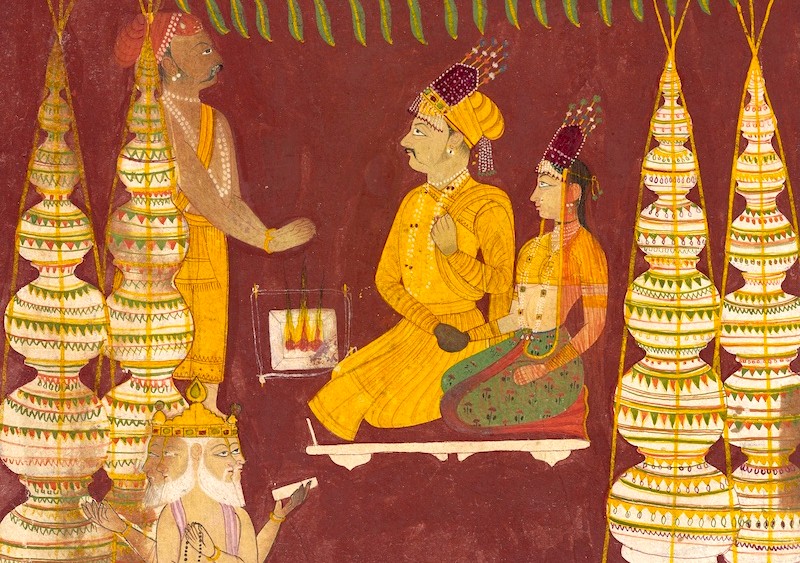
Within the palaces, royal marriage alliances and status of queens wove intricate webs of power. Marriages sealed treaties between clans, sometimes bringing peace, sometimes sowing future strife. Queens ran large households, sponsored rituals and occasionally exercised sharp political judgment, as seen in figures like Kunti or Draupadi in epic retellings. Women might suffer exile, humiliation or even being wagered in dice games; yet they could also demand justice, curse wrongdoers or influence kings. The treatment of lunar queens thus reflects both patriarchal constraints and the narrative recognition of women’s moral force. Chandravanshi Lunar Dynasty North India
Magic, Omens And Poetic Imagination
Around these courts, Vedic astrology divination and bardic magic arts infused events with symbolic meaning. Seers read omens in eclipses, comets and dreams; astrologers cast horoscopes for births, coronations and campaigns. Mantra‑chanting rishis wielded curses and blessings that could alter royal fates. Poets embroidered such marvels into their songs, making palaces into places where gods walked unseen and destiny crept through signs in the sky. The Moon itself, waxing and waning, became the great clock and emblem of this world of half‑seen magic and high rhetoric.
Death, Cremation And Ancestor Veneration
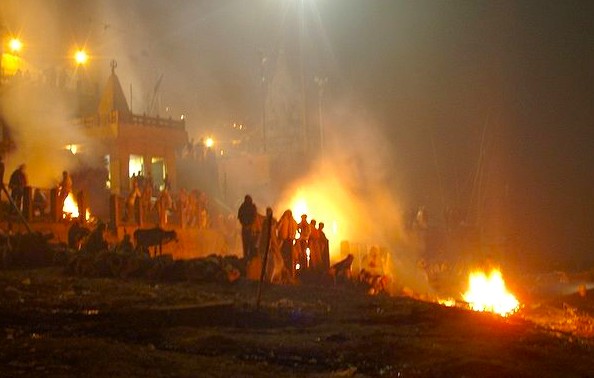
At life’s end, funeral rites and ancestral worship traditions followed solemn paths. Bodies of nobles and commoners alike were typically cremated on riverbanks, with mantras, offerings and lamentation; ashes were consigned to flowing waters. For kings, grander pyres and lengthy rites marked their passing; memorial shrines or stones could be raised at battlefields or sacred sites. Descendants offered piṇḍa and water at regular intervals, sustaining the pitrs, or ancestors, in subtle realms. Thus the Moon‑line remained unbroken: new kings carried old names, and rituals kept ancestral presence circling back like phases of light.
Healers, Seers And Sacred Medicines
Health in these realms relied on Ayurvedic healing rituals and Vedic herbal medicine as well as folk practices. Royal vaidyas prescribed diets, baths, massages and herbal decoctions to balance humors; surgery for wounds and fractures was rudimentary but practiced. Village healers knew local roots, barks and leaves, and combined them with charms and prayers. Rishis deep in forests were famed for miraculous cures or long lives. In epic stories, potent herbs revive fallen warriors on battlefields, showing how medicine, magic and divine will intertwine under the watch of the Moon.
Aqueducts, Sacred Rivers And Lunar Waters
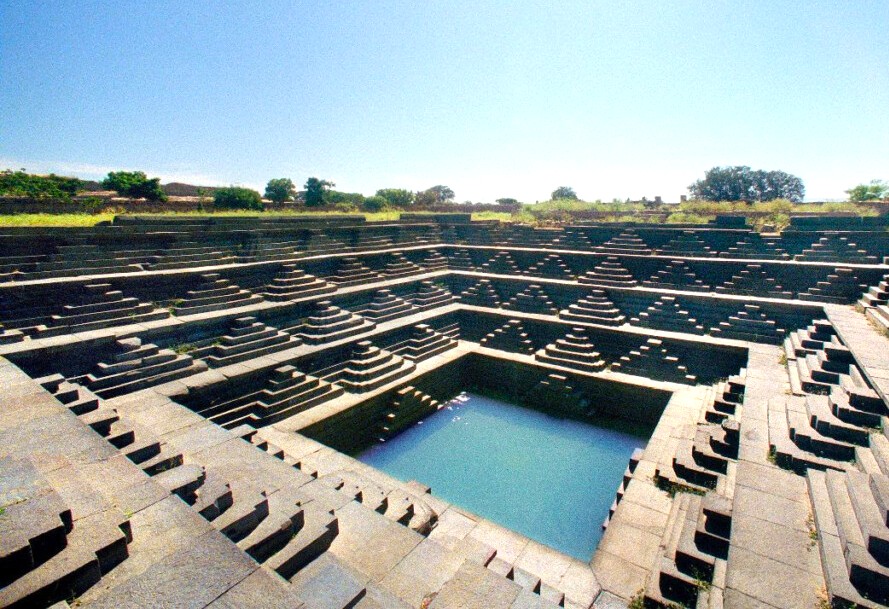
Even in mythic landscapes, water shapes life, and legendary irrigation canals and river worship practices are woven into tales. Engineers and laborers dig channels from sacred rivers to fields; kings build ghats and reservoirs honoring Ganga, Yamuna and Sarasvati. Ritual baths cleanse sins and mark festivals; brides and grooms circle fire and touch water together. The Moon’s pull on tides and flows becomes part of the lore, making Chandra a subtle ruler of both time and rivers. By managing waters, lunar kings show they can harmonize the earthly and celestial currents their name invokes. Chandravanshi Lunar Dynasty North India
Transition To Solar Lines And New Royal Claims
Over time, stories shift focus from lunar to solar houses, and emergence of Suryavanshi Solar Dynasty. New clans claim descent from Surya, the Sun, or from fire altars instead of the Moon; yet many still quietly maintain older lunar links through side branches and marriages. In political reality, historical dynasties adopt and adapt both lineages to burnish legitimacy. Thus the Chandravanshi, or Lunar Dynasty, does not vanish; it becomes one luminous thread among many in South Asia’s tapestry of royal myths, forever waxing and waning in the sky of memory.
Step Inside The Story - View All Tour Itineraries & Details
We’re here to offer genuine, thoughtful guidance if your interested in travelling to India. As a small, dedicated team, we pay close attention to every detail so you can focus on enjoying the experience while we take care of the planning. We believe the best trips begin when someone truly listens to what you want and how you like to travel, so the journey feels right for you and contributes to a happy, positive group on tour. Our communication stays clear, straightforward, and respectful at every step, with the goal of helping you feel understood, supported, and confident from first contact to the end of your journey.
Click Catherine Frith - About The Founder
Click Discover Life Travel - All tours and more
Click Why We Are Different - Unique, Safe, Transparent