A Unique Look Into Indian History
Chandan Dynasty: Central India
Discover Life Travel
Life Before Rule In Chandangarh Region
Long before the Chandan Dynasty of Chandangarh in central India emerged, the stony plains and river bends near today’s Bundelkhand–Baghelkhand border were dotted with village forts, shrine hills and caravan staging posts. Archaeologists uncover terracotta figurines, iron arrowheads, grinding stones and copper ornaments aligned with early central India tribal settlement archaeology near Chandangarh and medieval Vindhyan trade routes linking Gangetic and Deccan regions. Early Nagari inscriptions speak of minor rajas, grain dues and tank repairs. Folklore remembers the Kesar and Dhoom clans guarding forest passes and salt caravans. This pre-dynastic Bundelkhand clan landscape set the stage for Chandan authority. Chandan Dynasty Central India
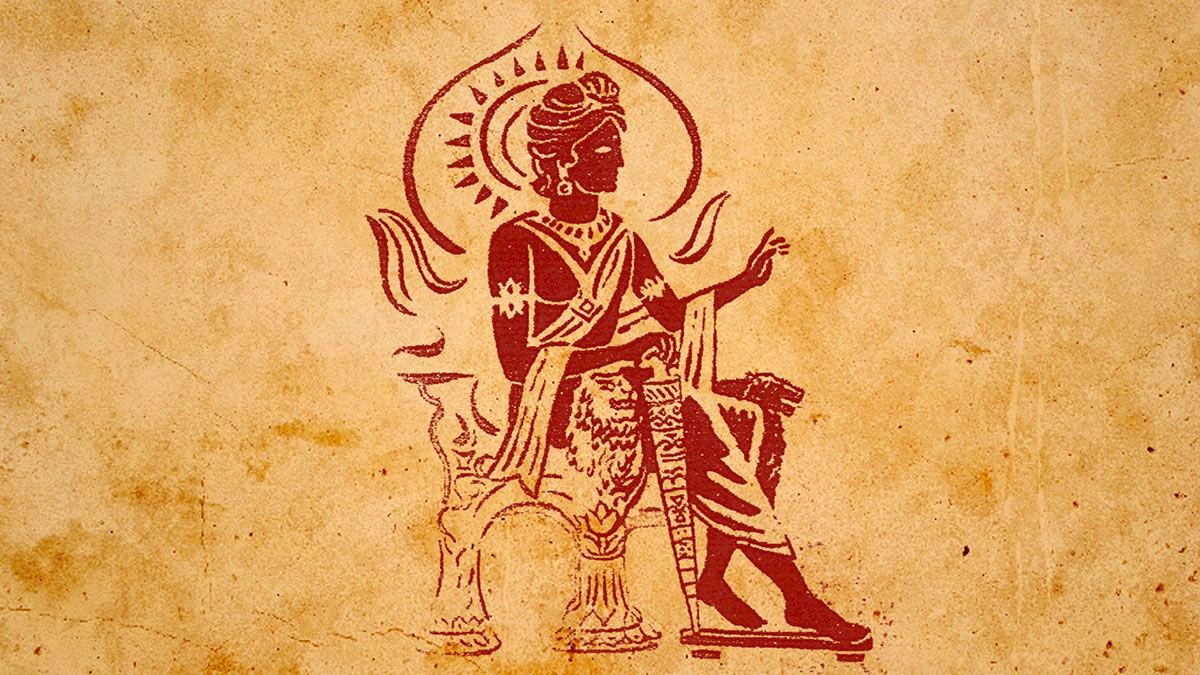
Chandan Dynasty: Central India - Chandanadeva Claims The Hilltop Citadel
The origin story of the Chandan Dynasty begins in the late 10th century, amid feuds between regional chiefs. Warrior Chandanadeva, long-serving under a failing overlord at Chandangarh, was denied land, bride and honor at a public court. One stormy night, aided by his politically astute queen Padmavati and sons Rudra and Suryan, he led loyal fighters through unguarded paths, seized the armory, granaries and gatehouse. Chronicles later framed this as a Vindhyan hill-fort coup establishing a regional Rajput-style kingdom, the moment a embittered vassal transformed Chandangarh from contested outpost into the capital of a rising house.
Daily Life Inside The Hilltop Palace
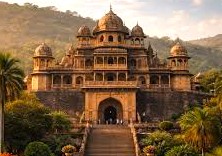
Court life under the Chandan royal household followed patterns typical of medieval Rajput palace etiquette and governance in central India. At first light, conches and drums woke the citadel. Chandanadeva bathed in a rock-cut cistern, received sandal and ash markings, then performed offerings before ancestral and tutelary deities. Padmavati directed inner-apartment staff, jewelry stores and temple gifts, embodying royal women’s economic and religious influence in Rajput courts. Princes drilled with sword, shield, spear and bow before learning epics, law and statecraft; princesses studied music, land accounts and marriage diplomacy. Every ritual, meal and audience trained the next generation in rule. Chandan Dynasty Central India
Village Society On The Chandangarh Plains
Beyond the walls, most lived by field, craft and seasonal risk in Chandan. Farmers guided oxen and ploughs through black and red soils, sowing millets, wheat, pulses and sesame. Women drew water at village wells, spun thread and bartered in weekly bazaars. Potters, smiths, carpenters and weavers underpinned traditional Bundelkhand agrarian and artisanal economies. Local shrines, grove altars and hero-stones structured village ritual life. Disputes over land, cattle and wells went before panchayats under banyan trees, preserving north Indian village self-governance and customary justice practices alongside the distant, heavier hand of the hill-fort.
Royal Kitchens, Rations And Festival Feasts
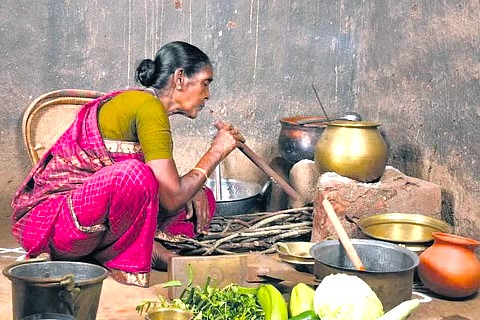
Within Chandangarh’s ramparts, great kitchens displayed medieval central Indian royal cuisine and mass-feeding customs. Before sunrise, fires roared under enormous cauldrons boiling rice, millet and lentils for guards, officials, priests and guests. Cooks crushed coriander, cumin, ginger, garlic and pepper into thick masalas. Gardens and granaries supplied vegetables, pulses and ghee; hunters and fishermen brought game and river fish. On major holy days, palace kitchens supplied temples and public squares with free food as Chandan Dynasty charity feasts and ritual feeding of poor and pilgrims. These daily and festival meals made abundance and discipline visible in every pot and platter.
Laws, Trials And Public Penalties
Law mixed dharmashastra ideals, clan memory and village pragmatism, forming hybrid legal and punitive systems in medieval Rajput kingdoms. A farmer caught moving boundary stones might lose land and work on tank repairs. Irrigation thieves could be fined grain and compelled to restore channels. Market cheats risked public humiliation, broken scales and temporary expulsion, reflecting historic north Indian bazaar regulation and honor-based punishments. Bandits attacking caravans or temples faced mutilation or execution at fortified gates. Yet village councils often moderated punishments in famine years, showing how local panchayat justice and royal decree constantly interacted. Chandan Dynasty Central India
Temples, Clan Gods And Sacred Hills
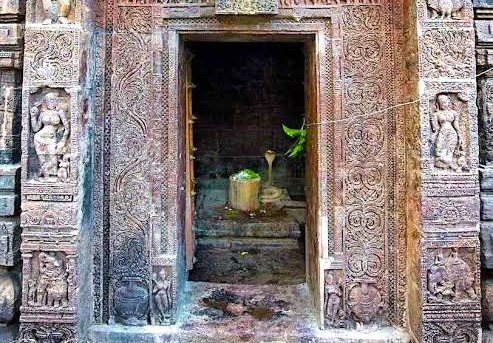
Religious life centered on hilltop temples, roadside shrines and grove altars shaping central Indian Shaivite and Shakta worship traditions. Chandangarh’s crown held a main temple to Shiva or a family deity, where priests bathed the lingam at dawn and recited Vedic hymns. Villages honored local goddesses, snake stones and ancestor pillars, maintaining Bundelkhand folk deity cults and animist survivals within medieval Hindu kingdoms. Seasonal rituals at tanks, rocky outcrops and sacred trees sought rain, fertility and protection. Chandan rulers used temple building, land grants and festival patronage as key tools of religious legitimation and clan integration.
Festivals, Fairs And Sacred Processions
On festival days, Chandangarh transformed into a living theatre of central Indian temple processions, cattle fairs and seasonal celebrations. Deities left inner sanctums on palanquins and chariots, rolling along flower-strewn streets amid drums, conches, dancers and acrobats. Herdsmen brought decorated cattle, traders set up stalls of cloth, grain and ornaments, turning religious gatherings into medieval north Indian melas mixing devotion and commerce. Harvest festivals, Navaratri and specific local goddess days united hill and plain in music, lamps and shared meals. These events bound villagers, merchants and nobles in a cycle of public ritual that reinforced Chandan authority through joy and spectacle. Chandan Dynasty Central India
Royal Courts, Music And Performances
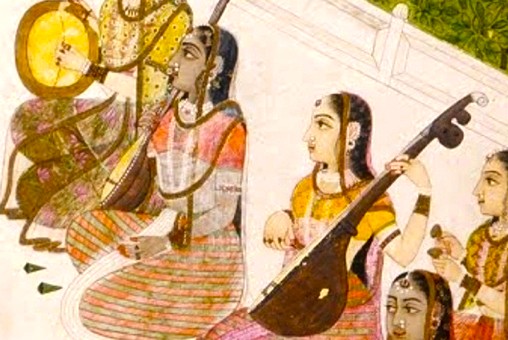
The Chandangarh durbar offered a blend of governance and performance typical of Rajput court culture and artistic patronage in central India. Mornings saw petitions over land, tax and inheritance, as well as reports from border forts and trade routes. Afternoons brought musicians, dancers and storytellers who sang epics and genealogies, crafting royal image-making through Sanskrit and vernacular praise poetry and ballads. Poets compared Chandanadeva to mountain, lion and monsoon cloud. Jugglers and illusionists entertained visiting nobles. Each performance doubled as diplomacy and propaganda, turning the court into a space where policy, prestige and entertainment constantly intertwined.
Campaigns, Sieges And Frontier Resilience
Military history of this line forms part of medieval Bundelkhand warfare and Rajput frontier defense in central India. Chandan forces guarded passes, ghats and fortified mounds against rival clans and larger neighboring kingdoms. Battles erupted along rivers, ravines and rocky ridges, featuring cavalry charges, bowmen, spearmen and elephants in evolving north Indian battlefield tactics for plateau and plain terrains. Some forts fell after the siege; others were held through rationing, sally raids and relief forces. The dynasty’s survival owed much to strategic retreats, shifting alliances and guerrilla raids, relying on intimate knowledge of terrain and social networks rather than brute force alone.
Marriages, Alliances And Women’s Status
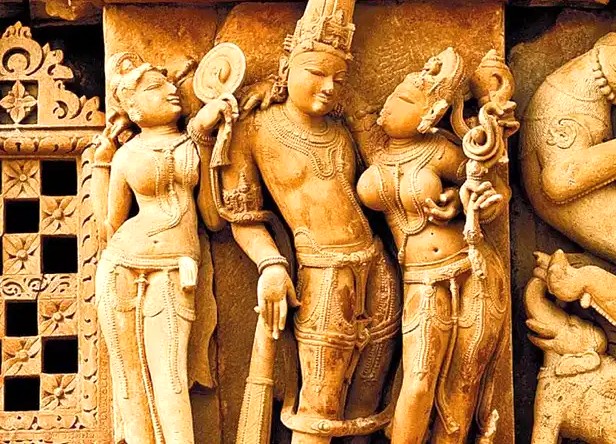
Dynastic marriages under this house epitomize Rajput matrimonial alliances and land-exchange politics in central India. Princesses of Chandangarh married into neighboring lineages, bringing dowries and cementing truces; incoming queens tied the hill-fort to river, forest or trade-rich regions. Inscriptions show queens funding tanks, temples and feeding halls, evidence of medieval Indian royal women’s property rights and religious patronage. Within the zenana, senior women guided succession choices, mediated disputes and built networks through gifts and festival invitations. Meanwhile, village women labored in fields, weaving and ritual, anchoring gendered economic and spiritual work in rural Bundelkhand with little written acknowledgment. Chandan Dynasty Central India
Magic, Crafts And Court Poets
Cultural life in Chandangarh’s court illustrates medieval central Indian courtly arts, magic shows and bardic traditions. Illusionists made coins vanish, produced fire and rope tricks that delighted and unsettled onlookers. Sculptors carved temple and palace friezes with gods, warriors and common scenes; painters decorated walls and manuscripts; goldsmiths crafted jewelry and ritual objects, contributing to Bundelkhand temple art and decorative craft heritage. Poets in Sanskrit and local dialects celebrated Chandan rulers as protectors of faith and fertility. Through stipends, land grants and honors, the dynasty used royal patronage of artists and performers to project sophistication and reinforce its narrative.
Burials, Pyres And Hero Stones
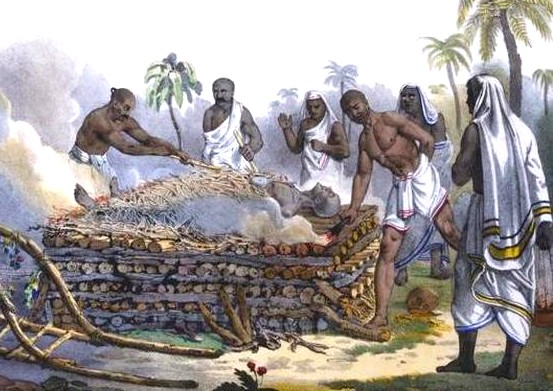
Funerary practices during Chandan rule blend central Indian cremation customs and hero-stone memorial traditions. Ordinary villagers were carried to rivers or designated grounds, cremated on wood pyres with priestly chants; their ashes were immersed in water or buried near family trees. Nobles and rulers received sandal and ghee-laden pyres, extended recitations, and sometimes shrines. Steles depicting armed figures on horseback or with raised swords appeared at roadsides and battlefields, serving as viragallu-style hero memorial stones in Bundelkhand warrior culture. These markers preserved memory of courage and loyalty, integrating the dead into everyday routes and collective identity.
Physicians, Herbalists And Sacred Healing
Health care in these domains relied on Ayurvedic medicine, folk healing and temple-based therapeutic practices in central India. Court vaidyas examined pulse, digestion, and life history, prescribing herbal decoctions using neem, giloy, ginger, ashwagandha and local plants. Bonesetters, barbers and midwives provided practical interventions. Villagers sought protection and cures from shrine rituals, amulets and mantra-based treatments, illustrating traditional north Indian village healing and spiritual protection customs. Temples maintained water tanks and rest-houses used for recovery and votive stays. During epidemics, rulers sometimes backed quarantines, well-cleanings and offerings to disease goddesses, blending medical measures with ritual responses. Chandan Dynasty Central India
Tanks, Wells And Irrigation Networks
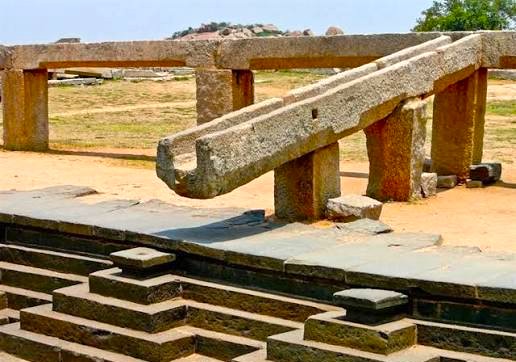
Water projects under this line form part of Bundelkhand tank, stepwell and canal engineering history. Monsoon runoff from hills was directed into earthen and masonry tanks; stepwells provided deep storage and access in dry months. From reservoirs, small channels watered fields according to village-level schedules, managed through community irrigation governance and customary water-sharing in medieval central India. The fort itself had cisterns, conduits and wells ensuring resilience during siege. Grants for new tanks or repairs appear in inscriptions praising rulers for upholding dharmic duties of water provision and famine prevention, essential in an environment prone to drought and flash flood.
Succession Strains And New Rulers Rise
Over generations, droughts, military setbacks and factional struggles eroded this house’s grip, mirroring dynastic decline and replacement patterns in Rajput-ruled central India. Ambitious commanders, merchant-backed nobles or allied families gradually took greater roles in defense and finance. Eventually, another lineage claimed Chandangarh, raising new emblems above its gates. Yet temples, memorial stones and songs still mention Chandanadeva and Padmavati, signaling the enduring legacy of the Chandan Dynasty in regional Bundelkhand memory and identity. Even as political control shifted, waterworks, sacred sites and stories continued to carry traces of this line across changing regimes.
Step Inside The Story - View All Tour Itineraries & Details

We’re here to offer genuine, thoughtful guidance if your interested in travelling to India. As a small, dedicated team, we pay close attention to every detail so you can focus on enjoying the experience while we take care of the planning. We believe the best trips begin when someone truly listens to what you want and how you like to travel, so the journey feels right for you and contributes to a happy, positive group on tour. Our communication stays clear, straightforward, and respectful at every step, with the goal of helping you feel understood, supported, and confident from first contact to the end of your journey.
Click Catherine Frith - About The Founder
Click Discover Life Travel - All tours and more
Click Why We Are Different - Unique, Safe, Transparent