A Unique Look Into Indian History
Chak Dynasty: Kashmir Valley
Discover Life Travel
Life Before Chak Rule In Kashmir Valley
Before the Chak line rose, the high Himalayan basin that became their realm was already layered with older powers, shrines and trade routes. Farmers along the Jhelum and its canals grew rice, barley and vegetables; upland karewa fields held saffron, while orchards produced apples, pears and walnuts. Archaeological remains from earlier Hindu dynasties and the Shahmiri Sultans - stone temple bases, ruined forts, coins and mosque inscriptions - testify to centuries of political and religious change. The Chak clan itself, of Shia background and warrior lineage, emerged within this “medieval Kashmiri Shia warrior clan in Srinagar city” environment, shaped by both local traditions and wider Persianate currents. Chak Dynasty Kashmir Valley
Chak Dynasty: Kashmir Valley - Arrival Of Chak Power
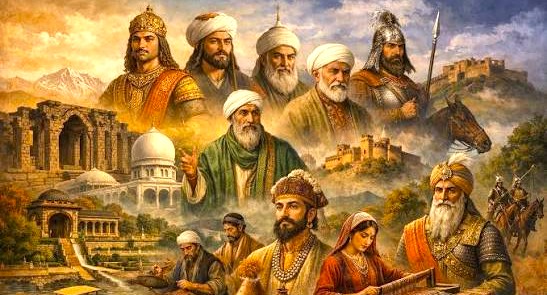
The “16th century Chak rulers of Kashmir Sultanate” stepped into a kingdom already shaken by court intrigues and external pressures. In the mid‑1500s, commanders such as Ghazi Shah Chak rose from military prominence to seize the throne in Srinagar, displacing the waning Shahmiri sultans. They ruled mainly in the late Dvapara - Kali transition era of traditional reckoning, though historically we place them firmly in the sixteenth century of the Common Era. Their control extended over most of the Kashmir Valley, key passes through the Pir Panjal, strategic forts and trade routes linking to the Punjab and Central Asia, forming a compact but coveted mountain kingdom.
Daily Life Of Chak Kings And Royal Household
Within Srinagar’s palaces, the “Chak dynasty royal lifestyle in medieval Kashmir” blended strict court protocol with valley‑specific rhythms. At dawn the sultan performed ablutions, recited prayers and consulted astrologers and Shia scholars; later he received ministers, military commanders and petitioners. Queens managed the zenana, jewelry chests, textile stores, kitchens and charitable endowments to shrines and scholars, and sometimes intervened in factional politics. Princes studied Persian, Arabic, Quranic exegesis, statecraft and archery; princesses learned music, poetry, household management and the arts of alliance. Hunts, garden strolls along riverfronts and discreet visits to Sufi or Shia holy men completed a day framed by both power and piety. Chak Dynasty Kashmir Valley
Local Society And Village Life Under Chak Rule
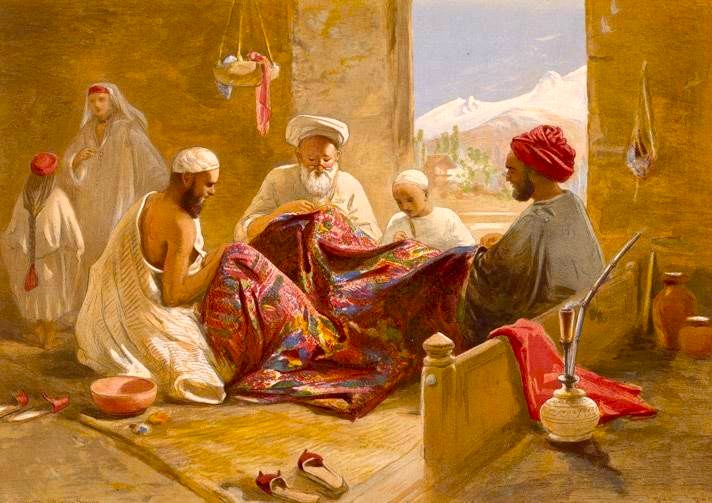
For ordinary people, the “rural Kashmiri village life under Chak governance” looked both familiar and subtly altered. Villagers transplanted rice seedlings into terraced paddies, tended cattle and sheep, wove rough woolens and tended small orchards. Artisans in towns produced copperware, carved walnut wood, fine shawl fabrics and paper. Muslim peasant communities lived beside small groups of Kashmiri Pandits; both visited local shrines and shared irrigation channels, though they bore different tax and social burdens. Village headmen negotiated revenue with Chak officials and resolved disputes over land and water, keeping a degree of continuity amid shifting dynastic names in distant Srinagar.
Royal Kitchens, Valley Foods And Courtly Feasts
The “traditional Kashmiri royal cuisine in Chak palaces” showcased the valley’s abundance despite political strain. Palace kitchens simmered great pots of rice and meat stews, layered dishes akin to early wazwan styles, fish from the Jhelum and Dal, and vegetables flavored with fennel, asafoetida and dried ginger. Daily rations fed soldiers, servants, scribes and guests; occasional great feasts marked victories, religious events or royal weddings. On such days, cooked rice, meats and sweets flowed beyond palace walls to mosques, khanqahs and poor quarters, allowing Chak sultans to present themselves as generous protectors in a land where winters were long and harvests uncertain.
Law, Justice And Punishments In The Chak Era
The “Islamic legal system of Chak sultans in Kashmir” rested on a mix of Sharia, local customs and royal decree. Qazis judged marital, inheritance and commercial disputes among Muslims, while village councils handled many local conflicts. Theft from caravans under royal protection could bring amputation or public flogging; rebellion or treason might lead to execution or blinding, especially in periods of intense factional struggle. Yet fines, restitution and negotiated settlements were common for lesser offenses. Royal edicts sometimes protected particular shrines or groups - especially Shia communities favored by the Chak elite - illustrating how justice intertwined with sectarian preference and political pragmatism. Chak Dynasty Kashmir Valley
Deities, Saints And Sacred Figures In Chak Kashmir
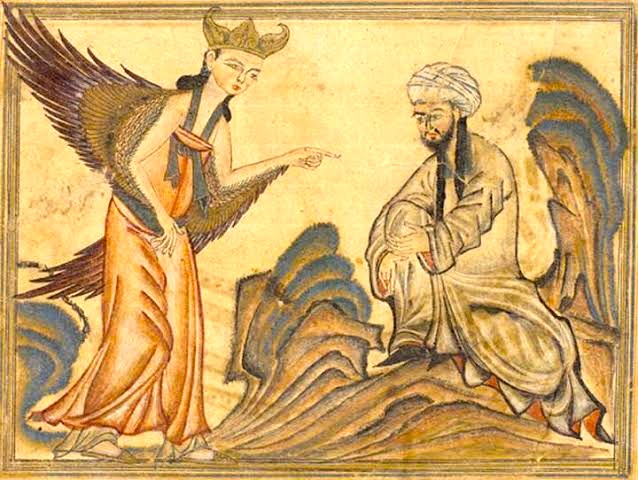
Religion in “sixteenth century Shia‑influenced Kashmiri spiritual life” was layered and intense. The Chaks, as Shias, revered Allah and the Prophet, honoring particularly the Imams and the martyrdoms of Karbala, while also supporting Sufi saints and their shrines. Sunnis, Sufis, and the small Hindu Pandit minority continued their own practices: venerating local nag (spring) deities, Shaivite sites, and Sufi pirs. Mosques, khanqahs and ancient temple ruins shared the valley’s sacred geography. The Chak court’s Shia tilt sometimes caused friction, yet devotional poetry, shrine visits and ritual mourning in Muharram created new emotional currents in the religious life of the valley.
Festivals, Processions And Valley Celebrations
Under the Chaks, “Muharram processions and Kashmiri religious festivals” gained new prominence alongside older observances. In Muharram, processions commemorating Husayn’s martyrdom moved through Srinagar’s lanes, with chest‑beating, elegies and symbolic tazias, giving Shia identity a strong public expression. Eid prayers filled mosques and fields: Sufi urs festivals at shrines blended song, food and devotion for all classes. Hindu Pandits kept their own calendars for Shivaratri and local goddess rites. Royal patronage of certain events - through food distribution, protection and presence - wove Chak authority into the ritual year, even as sectarian tensions simmered beneath the surface. Chak Dynasty Kashmir Valley
Royal Courts, Poetry And Palace Entertainments
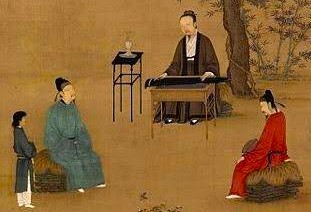
In audience halls beside the Jhelum, the “Chak era Persian court culture in Srinagar” featured a blend of formality and refinement. Mornings saw petitions, legal appeals and revenue reports presented before the sultan seated on a carpeted dais. Later sessions hosted poets reciting Persian ghazals and marsiyas, musicians playing santoor, rabab and drums, and storytellers recounting epics and local legends. Skilled dancers and entertainers performed behind partial screens in more private gatherings. Patronage of poets, calligraphers and miniaturists allowed the Chak court to participate in the broader Persianate sphere, even as political realities hemmed in their ambitions.
Battles, Invasions And Kashmiri Resilience
The “Chak military resistance against Mughal expansion in Kashmir” forms a dramatic chapter of late medieval history. Chak rulers faced internal rebellions and, more fatefully, Mughal emperors Akbar and Jahangir seeking to control the rich valley. Forts guarding passes and river crossings became contested zones; guerrilla tactics in forests and mountains offset, for a time, Mughal numerical superiority. Despite determined resistance and episodes of fierce fighting, the Mughals eventually prevailed, absorbing Kashmir into their empire. Yet tales of Chak defiance, strategic retreats and local support remained part of Kashmiri memory as symbols of lost independence.
Royal Marriages, Alliances And Women’s Status
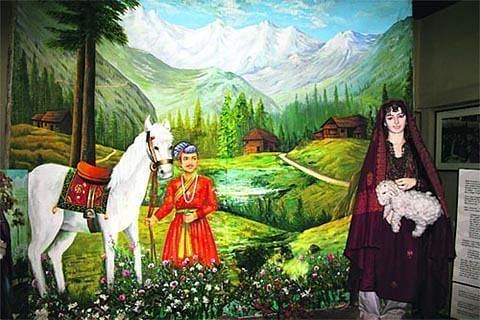
Within the “Chak noble marriage alliances in medieval Kashmir” network, wedlock served as a political tool and familial bond. Sultans married into influential Shia and Sunni families, tribal chiefs and sometimes foreign‑linked houses to secure backing. Royal women, though largely secluded, influenced alliance choices, succession debates and charitable endowments. Some Chak queens appear as donors to shrines and educators, though records are sparse. Their treatment reflected both Islamic norms and local custom: endowed with property and prestige but constrained by courtly seclusion, they nonetheless helped shape the moral and emotional life of the dynasty from within.
Magic, Mysticism And Courtly Poets
The “Sufi mystical traditions and Chak court poets” colored cultural life with a sense of wonder. Sufi shaikhs reputed for miracles attracted both commoners and nobles seeking blessings, cures or guidance. Astrologers and occult practitioners offered talismans, divinations and ritual protections to anxious rulers. Poets composed verses suffused with mystical imagery, lamenting injustice, praising divine love or honoring the Imams. At court, this blend of high Persian poetics, local Kashmiri metaphors and Shia devotional themes created a fascinating artistic milieu where magic and metaphor often blurred into one another in the minds of listeners. Chak Dynasty Kashmir Valley
Burial Rites, Funerary Customs And Memory
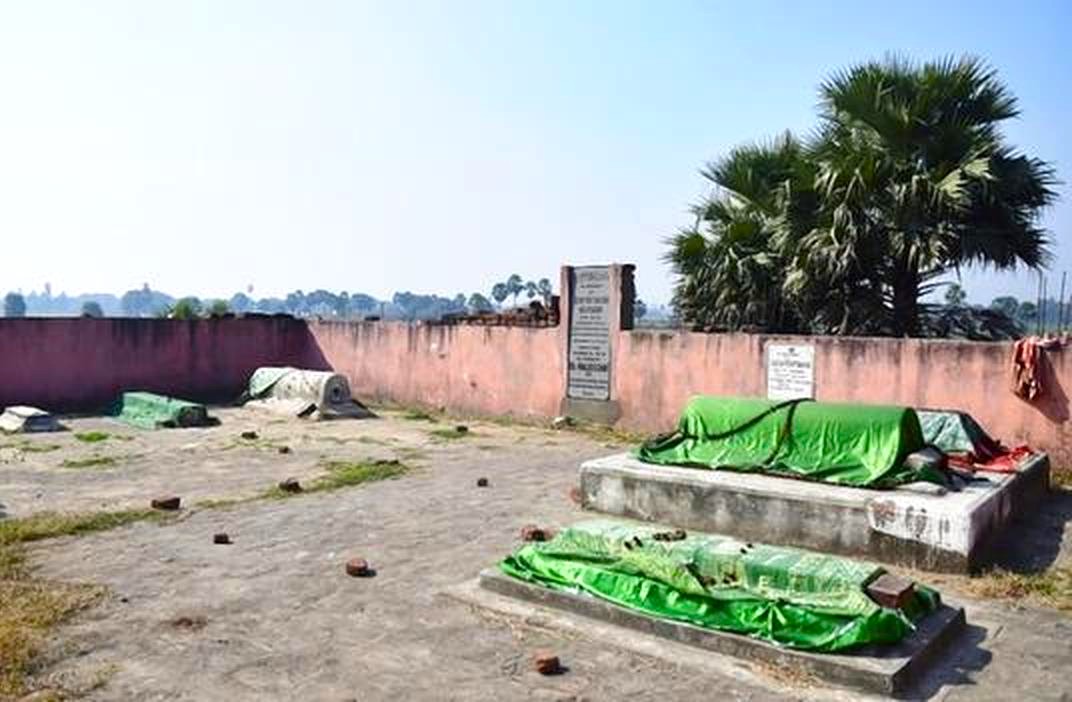
In “Islamic burial practices for Chak royalty and Kashmiri villagers”, death rituals revealed both hierarchy and shared faith. Common people were washed, shrouded and buried in simple graves oriented toward Mecca, with prayers at mosques and family gatherings at cemeteries. Chak nobles and sultans were interred in more elaborate tombs or family cemeteries, sometimes attached to mosques or khanqahs they patronized. Shia mourning customs, including extended recitation and lament, distinguished Chak funerals from Sunni ones. Annual visits to graves, Quran recitations and charitable acts in the name of the deceased kept dynastic memory alive even as new rulers loomed.
Physicians, Folk Healers And Health In The Valley
The “traditional Unani medicine and Kashmiri herbal remedies under Chak rule” formed a rich, plural healing environment. Court hakims trained in Unani theory treated elite patients with diet plans, herbal compounds and physical procedures, while village vaidyas and herbalists used local plants for fevers, joint pains and digestive troubles. Bonesetters, midwives and wandering healers addressed fractures, childbirth and common ailments. People also sought cures at Sufi shrines, sacred springs and old temple sites, combining spiritual vows with practical remedies. Epidemics and harsh winters tested these systems, but the valley’s botanical wealth offered a deep pharmacopeia.
Aqueducts, Canals And Sacred Waterways
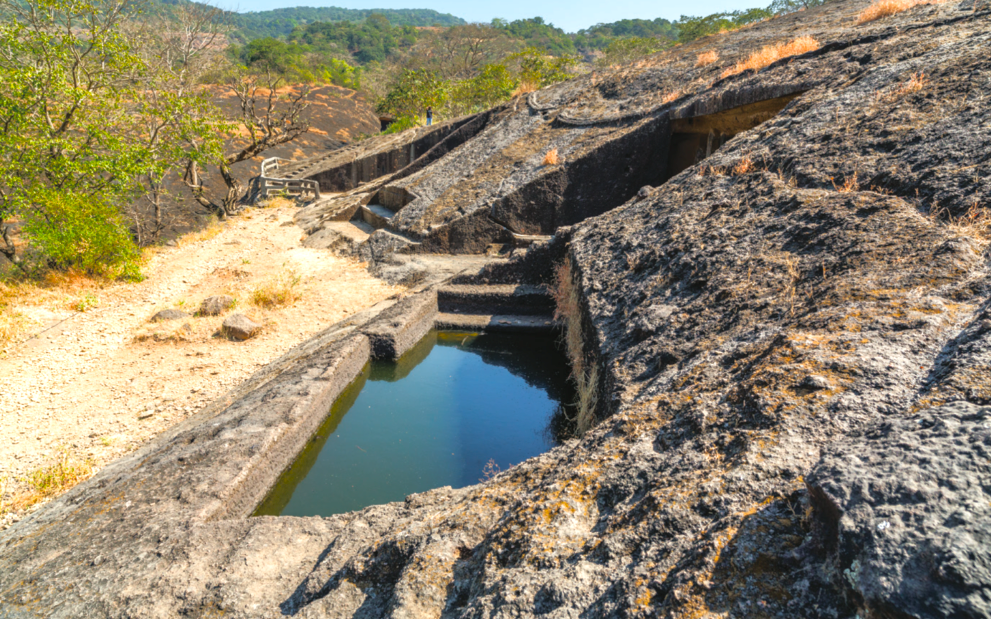
In the “historic irrigation canals and water management of Chak Kashmir”, rulers inherited and maintained complex systems. Channels diverted Jhelum and spring waters into paddy fields; embankments protected settlements from floods while sustaining irrigation. Lakes and marshes around Srinagar were controlled with dykes and sluices; city canals served both transport and drainage. Chak rulers commissioned repairs, cleaning campaigns and new minor works, understanding that food security and tax revenue depended on water control. Sacred associations with rivers, springs and nag shrines added a ritual dimension: to manage water wisely was also to respect divine forces that governed snow, rain and meltwater. Chak Dynasty Kashmir Valley
Transition To Mughal Control And New Rule
Eventually, the “Mughal annexation of Kashmir after Chak dynasty collapse” marked a major political transition. After repeated interventions and shifting alliances, Akbar’s forces secured the valley; Chak leaders were killed, exiled or absorbed into new hierarchies. Mughal governors moved into Srinagar, bringing different administrative techniques, broader imperial networks and new monumental projects. For ordinary Kashmiris, this meant fresh demands, different elite cultures and, at times, relative stability after years of internecine strife. Yet the Chak period, though brief, remained a reference point in local chronicles and oral tales as the last era when a distinctly Kashmiri, Shia‑leaning house held the Jhelum valley in its own name, before being overtaken by the power from the plains.
Step Inside The Story - View All Tour Itineraries & Details
We’re here to offer genuine, thoughtful guidance if your interested in travelling to India. As a small, dedicated team, we pay close attention to every detail so you can focus on enjoying the experience while we take care of the planning. We believe the best trips begin when someone truly listens to what you want and how you like to travel, so the journey feels right for you and contributes to a happy, positive group on tour. Our communication stays clear, straightforward, and respectful at every step, with the goal of helping you feel understood, supported, and confident from first contact to the end of your journey.
Click Catherine Frith - About The Founder
Click Discover Life Travel - All tours and more
Click Why We Are Different - Unique, Safe, Transparent