Unique Insights Into Indias Celestial Armoury
Celestial Weapons: India
Discover Life Travel
Weapons of Immense Power
In the ancient epics of the Indian subcontinent, celestial weapons known as Astras represent the convergence of advanced spiritual science and devastating physical power. Unlike mundane armaments forged of mere steel, these instruments were invoked through sacred mantras that channeled the elemental forces of the universe, such as fire, wind, and cosmic energy. Each weapon was a manifestation of a specific deity's power, granted only to those who achieved supreme mental discipline and unwavering devotion. They functioned as a divine deterrent, used primarily to restore the balance of the world when the moral order was threatened by overwhelming unrighteousness. These celestial instruments bridge the gap between the material and the mystical realms. Celestial Weapons India
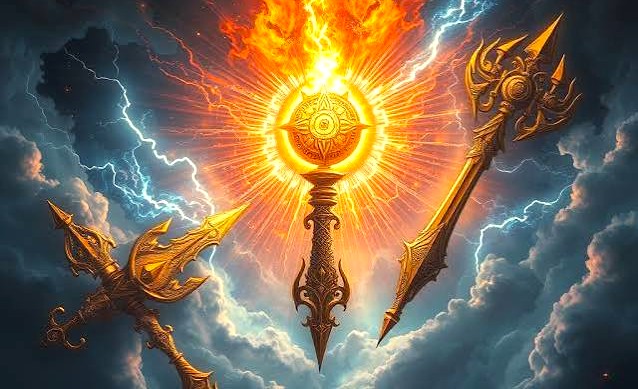
Celestial Weapons India: Activating the Mythological Weapons
The mythological weapons described in Hindu scriptures are often portrayed as being activated or invoked through complex ritualistic procedures and the recitation of powerful mantras (sacred chants or incantations). These weapons were not simply physical tools, but were imbued with the very essence of the divine, requiring the wielder to possess a deep spiritual connection and the ability to channel the cosmic energies that empowered them. Celestial Weapons India
The Brahmastra - Brahma's Weapon of Creation
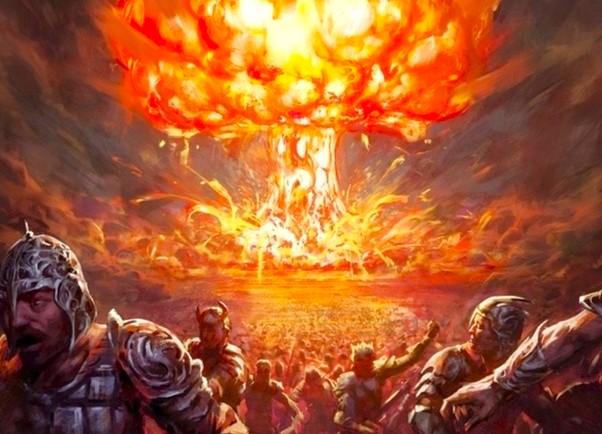
Emerging from the pages of the Mahabharata and the Ramayana, the Brahmastra stands as a weapon of unparalleled destructive might. Created by the divine creator-god Brahma, the Brahmastra is a single, focused projectile imbued with the immense energy and creative power of the supreme deity responsible for the manifestation and sustenance of the universe.
- Wielders of the Brahmastra In the Mahabharata: The Brahmastra was wielded by the Pandava prince Arjuna, a skilled archer and central hero of the epic, during the Kurukshetra War against the Kaurava forces. The text recounts how Arjuna invoked the Brahmastra, causing a "blinding flash of light" that "scorched the very earth" and decimated entire swaths of the Kaurava army.
- Wielders of the Brahmastra In the Ramayana: The heroic avatar Rama is depicted using the Brahmastra to devastating effect against the demon king Ravana. As Ravana approached with his demonic hordes, Rama is said to have unleashed the Brahmastra, creating a "cataclysmic explosion" that "reduced Ravana's legions to cinders."
The Pashupatastra: Shiva's Weapon of Destruction
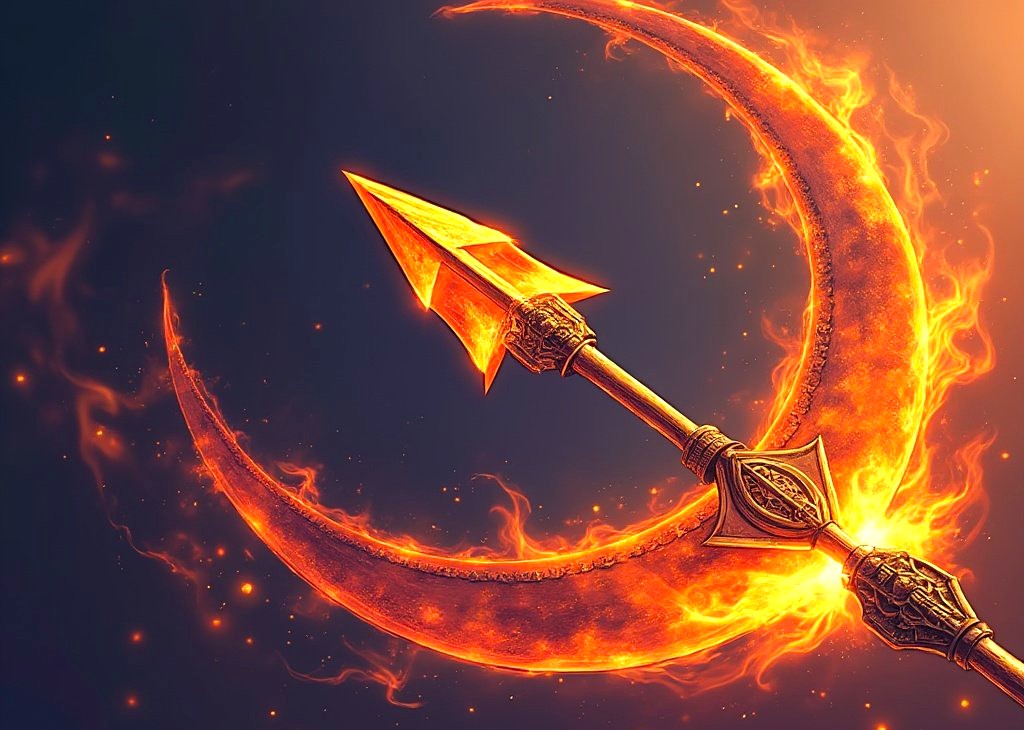
Alongside the Brahmastra, the Pashupatastra is another mythological weapon that has captivated the imagination of Hindu devotees and scholars. A celestial astra (missile) said to have been created by the god Shiva, the divine destroyer, the Pashupatastra is described in the Mahabharata as a weapon of unimaginable power, capable of annihilating the entire universe.
- Arjuna and the Pashupatastra In the Mahabharata: The Pashupatastra was bestowed upon the warrior Arjuna by the god Shiva himself, granting him the ability to wield this devastating weapon against the forces of evil. The text recounts how Arjuna used the Pashupatastra in his pivotal battle against the mighty warrior Bhishma, one of the most revered elders of the Kuru Dynasty. As Bhishma stood against the Pandavas, Arjuna is described wielding the Pashupatastra, which "erupted in a blaze of supernatural energy," striking Bhishma with such force that it "rent the earth itself, opening a crevasse that threatened to swallow all in its path." Celestial Weapons India
The Narayanastra: Krishna's Indestructible Celestial Weapon
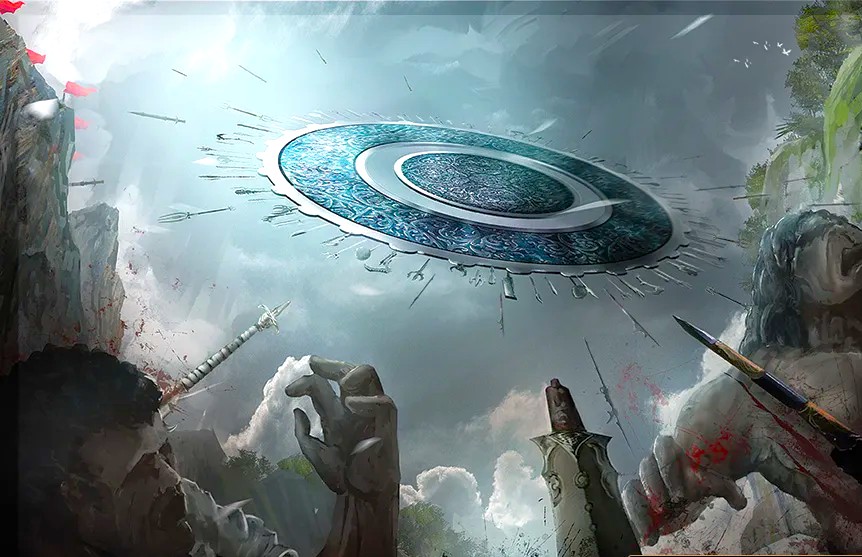
Another legendary mythological weapon is the Narayanastra, a celestial astra (missile) associated with the divine avatar Krishna, a central figure in the Mahabharata. The Narayanastra is described in the epic as an indestructible and unstoppable weapon, one that can unleash a devastating barrage of energy projectiles capable of decimating entire armies.
- Krishna and the Narayanastra: During the Kurukshetra War in the Mahabharata, the divine avatar Krishna is portrayed as the wielder of the formidable Narayanastra. As the Kaurava forces converged on the Pandavas, Krishna is said to have summoned the Narayanastra, unleashing a "relentless barrage of celestial projectiles" that "annihilated entire battalions, leaving naught but smoldering ruins in their wake."
The Agneya: The Celestial Weapon of Transformative Fire
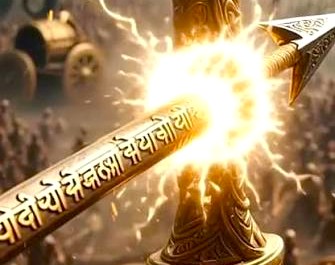
Alongside the Brahmastra, the Pashupatastra, and the Narayanastra, another mythological weapon is the Agneya, a celestial astra (missile) associated with the element of fire. The Agneya is described in the Mahabharata as a weapon of immense destructive power, capable of unleashing devastating explosions and fiery devastation upon its targets.
- The Pandava Warriors and the Agneya: The Mahabharata recounts numerous instances of the Pandava princes, led by Arjuna, utilizing the Agneya against their Kaurava foes. In one pivotal battle, the text describes how "Arjuna invoked the Agneya, conjuring an immense conflagration that consumed all it touched, reducing the Kaurava army to cinders and ash." Celestial Weapons India
The Varuna Shakti: Harnessing the Power of the Seas
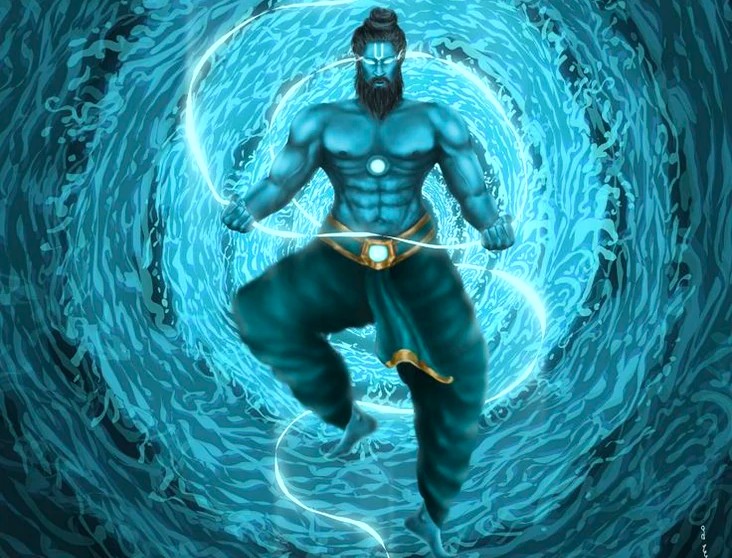
Varuna Shakti, a celestial astra (missile) associated with the domain of the sea-god Varuna. The Varuna Shakti is described in the Mahabharata as a weapon capable of summoning the power of the oceans, unleashing devastating tidal waves, and even conjuring colossal aquatic creatures to attack its foes.
- The Unleashing of the Varuna Shakti: Though the Mahabharata does not attribute the Varuna Shakti to a specific wielder, the epic does describe the devastating power of the weapon when invoked. It states that "as the Varuna Shakti was summoned, the seas themselves rose up in wrath, their mighty waves crashing against the shores and sweeping away all in their path, leaving naught but ruin and destruction in their wake."
The Tejomaya Astra: The Celestial Weapon of Focused Spiritual Energy
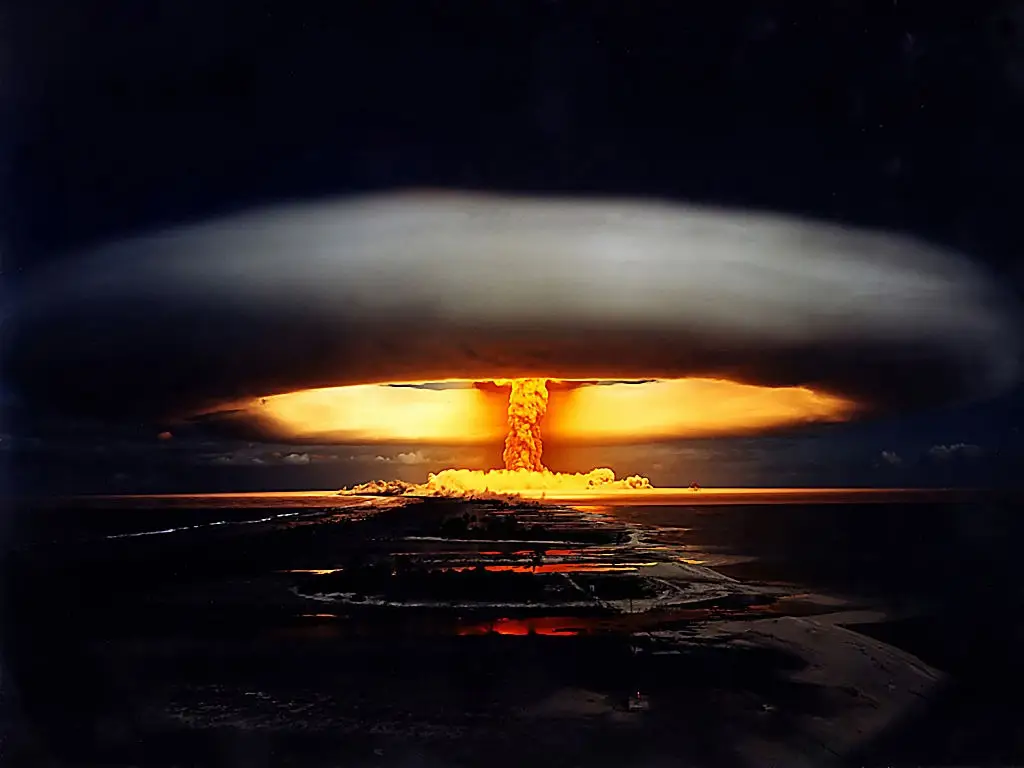
Yet another mythological weapon is the Tejomaya Astra, a celestial astra (missile) associated with the concept of focused spiritual energy and divine power. The Tejomaya Astra is described in Hindu scriptures as a weapon capable of emitting powerful energy beams or projectiles that can strike with unerring precision and devastating effect.
- Wielders of the Tejomaya Astra: While the specific wielders of the Tejomaya Astra are not named in the texts, the weapon is often associated with the most spiritually advanced and enlightened figures in Hindu mythology, those who have mastered the art of channeling the divine energies that empower this formidable celestial astra. Celestial Weapons India
Other Mythological Weapons in Hindu Scriptures
The Shakti: Empowered Divine Weapons
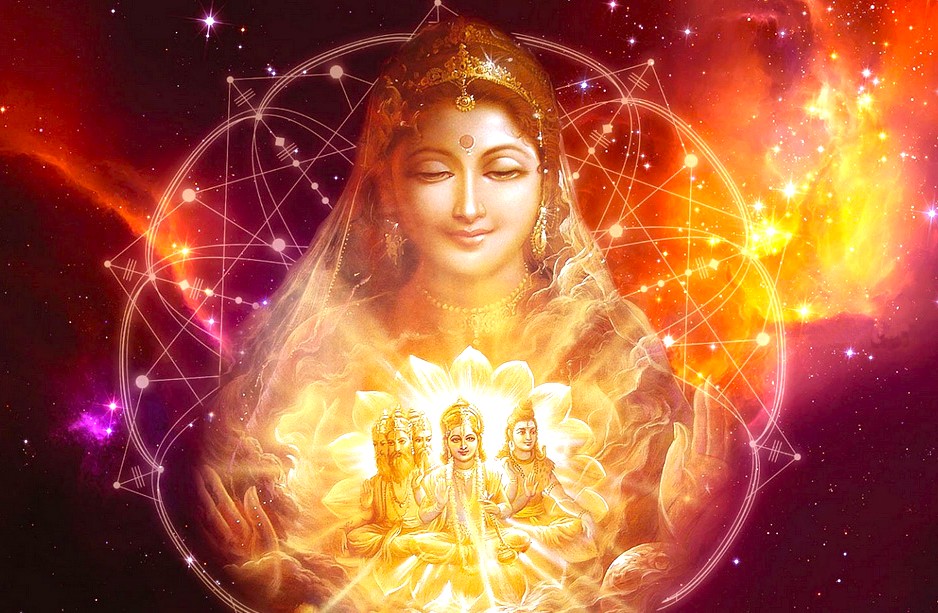
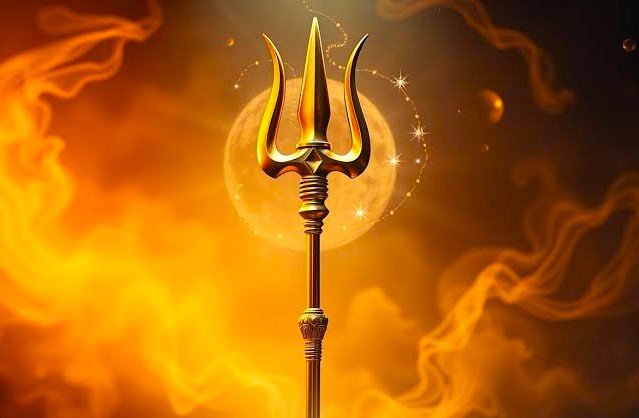
Shakti describes a category of mystical, empowered weapons across Hindu mythology, each carrying divine force beyond ordinary metal or craft. Parashakti represents the divine mother's weapon, pure luminous energy in a form capable of manifestation. The Trisula, Shiva's ancient trident, channels power across three prongs, associated with creation, preservation, and destruction moving in constant cosmic cycle. Sudarshana Chakra, Krishna's spinning discus, embodies precision and cosmic justice, a weapon returning always to its wielder's hand after every single strike across the ancient battlefield. Each Shakti weapon carries the transformative energy of the divine feminine, sacred and indestructible, sustaining cosmic order through forms that exist beyond time, matter, and ordinary human comprehension.
The Naga Weapons: Harnessing Serpentine Power
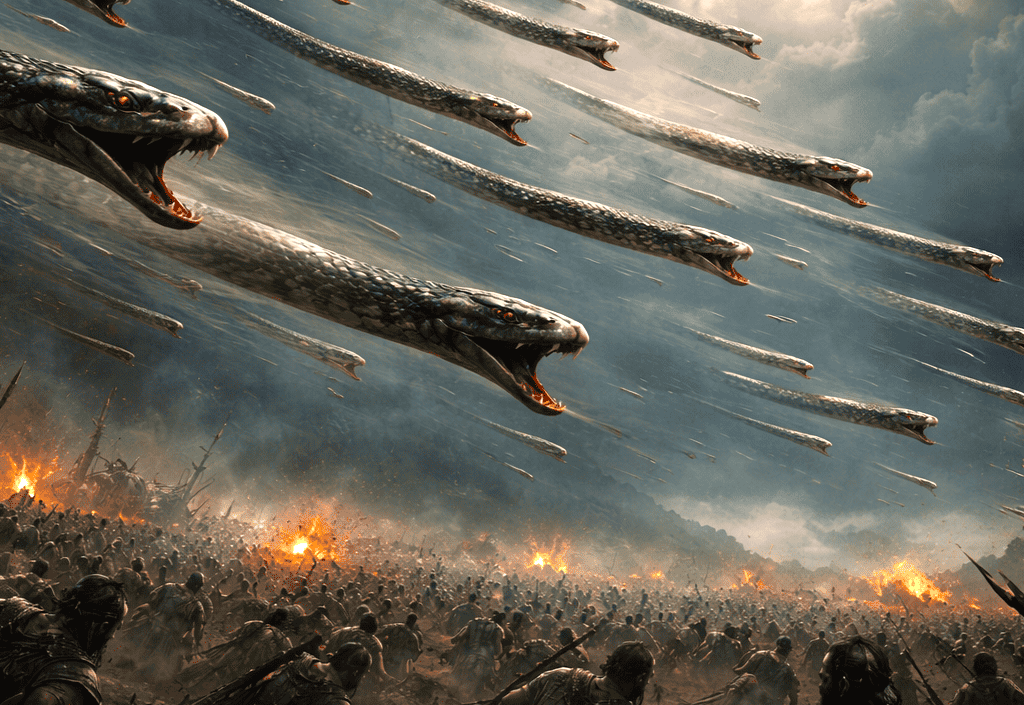
Hindu texts describe further weapons associated with the serpentine Naga beings beyond the Nagastra itself. Nagapasha, the snake noose, coils around its target with binding force, drawing on the constrictive strength of great serpents. Nagabana, the snake-tipped arrow, carries venom into flight, striking with precision drawn from ancient reptilian power. Together these weapons channel the essential nature of the Nagas, creatures dwelling in subterranean realms and guarding treasures beneath ancient rivers and distant seas. Warriors facing such weapons confronted forces well beyond ordinary combat, entities capable of poison, constriction, and swift transformation. The Nagas' dominion demanded the deepest respect, their weapons a lasting reminder of nature's hidden and formidable power. Celestial Weapons India
The Celestial Artillery of the Devas
The divine beings known as the Devas, who are portrayed as protectors of cosmic order, are said to wield an array of celestial weapons in their battles against demonic forces. These include the Vajra (Indra's thunderbolt), the Brahmaastra (a weapon of Brahma), and the Pināka (Shiva's bow).
Indra's Vajra: The Thunderbolt of the King of the Devas
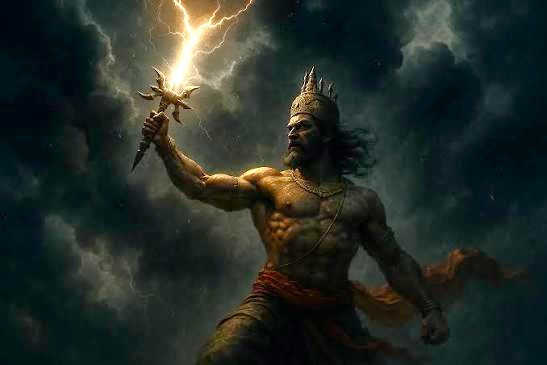
One of the most prominent divine weapons in Hindu mythology is the Vajra, the thunderbolt wielded by the king of the Devas (divine beings), Indra. The Vajra is described as a celestial weapon imbued with the immense power of lightning and thunder, capable of decimating even the mightiest of foes. In the Vedas and the Puranas, Indra is often depicted wielding the Vajra to vanquish the enemies of the Devas, maintaining the cosmic order and protecting the righteous. The Vajra is seen as a symbol of Indra's role as the supreme ruler of the heavens, his thunderous power a manifestation of the divine's ability to smite those who dare to challenge the natural order.
Vishnu's Sudarshana Chakra: The Divine Discus Weapon
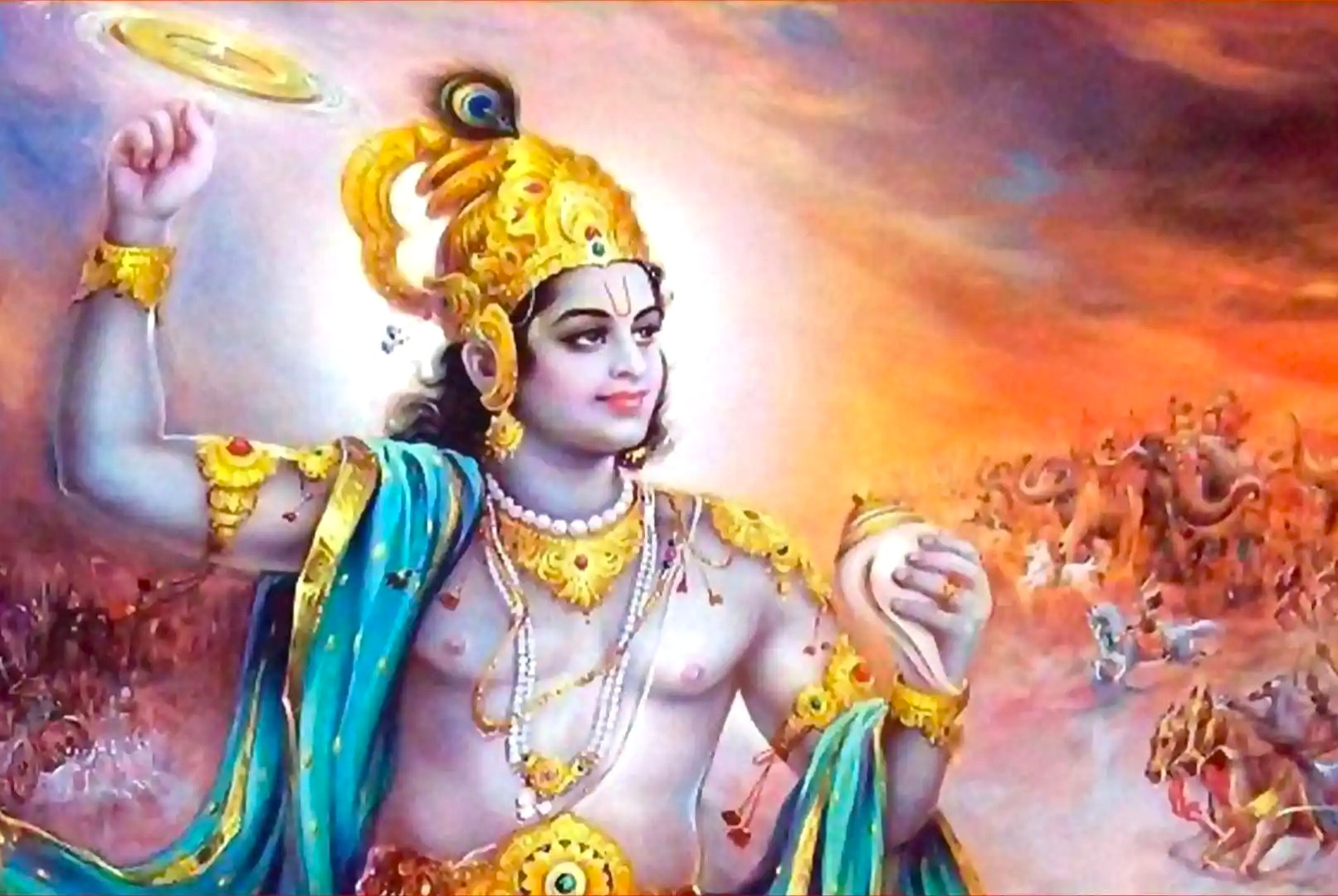
Another iconic mythological weapon associated with a Hindu deity is the Sudarshana Chakra, the divine discus wielded by the preserver-god Vishnu. The Sudarshana Chakra is described as a radiant, circular weapon that can rotate with immense speed and power, acting as both a melee and ranged weapon. In Hindu scriptures, the Sudarshana Chakra is depicted as a tool used by Vishnu to protect the cosmos and vanquish the forces of evil. Legends recount how the Chakra, when unleashed, can slice through even the hardest of materials, returning to Vishnu's hand after decimating his foes. The Sudarshana Chakra is also seen as a symbol of Vishnu's ability to maintain the balance of the universe, its circular form representing the cyclical nature of creation, preservation, and destruction.
Shani's Shanaischara: The Slow-Moving Weapon of Saturn
Another mythological weapon found in Hindu texts is the Shanaischara, a celestial astra associated with the planet Saturn and the deity Shani, the lord of karmic retribution. The Shanaischara is described as a slow-moving but unstoppable weapon, one that can gradually wear down and eventually destroy even the most formidable of targets. In Hindu astrology and mythology, Shani is seen as a planet that represents patience, discipline, and the gradual unfolding of karmic consequences. The Shanaischara is thus viewed as a symbol of Shani's ability to mete out justice and ensure that the cosmic order is maintained, even if the process is a slow and deliberate one. The weapon's relentless nature reflects the unwavering nature of karmic law and the inevitability of divine judgment.
The Diverse Celestial Armory of Hindu Deities
The mythological weapons associated with various Hindu gods and divine figures, from Indra's Vajra to Vishnu's Sudarshana Chakra and Brahma's Brahmaastra, reflect the rich diversity and complexity of the tradition's spiritual and martial heritage. These celestial armaments serve as powerful symbols of the divine's role in maintaining the balance of the cosmos and vanquishing the forces of darkness and chaos. Through the study of these mythological weapons, we gain a deeper understanding of the Hindu pantheon, the intricate relationships between the deities, and the profound reverence for the spiritual realm that permeates this ancient tradition.
The Legacy of Hindu Mythological Weapons
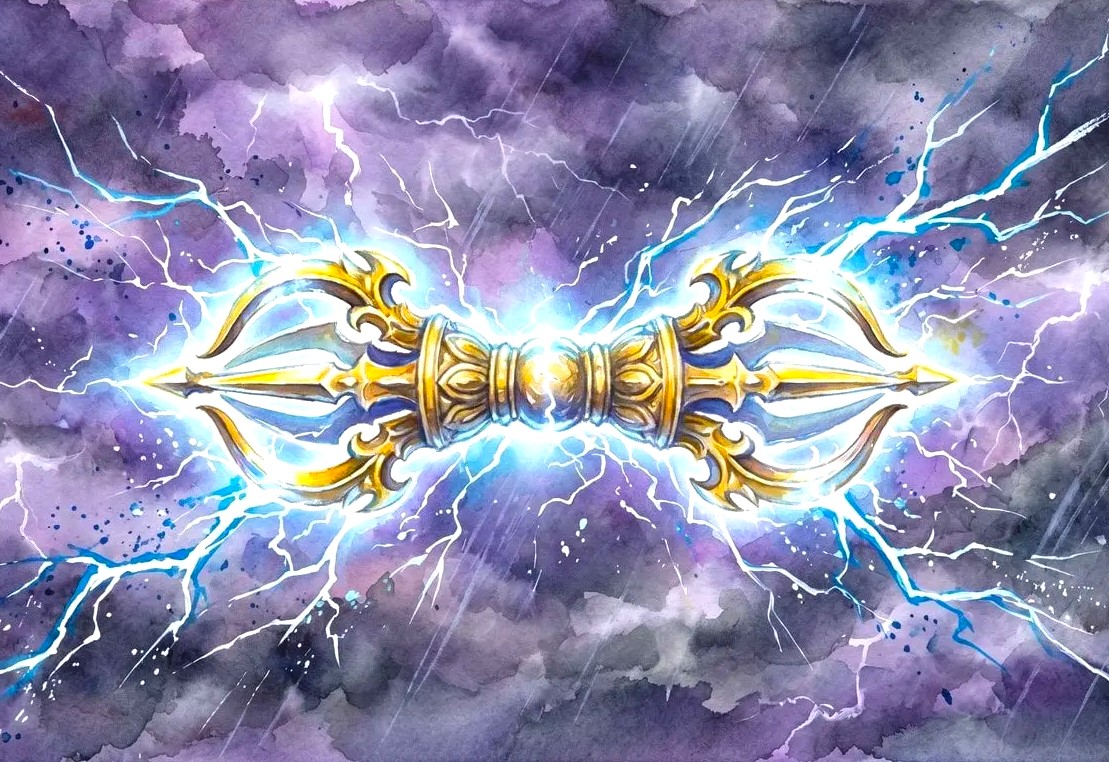
These mythological weapons, with their awe-inspiring power and deep association with the divine, serve as powerful symbols of the Hindu tradition's reverence for the spiritual realm and its unwavering belief in the transformative potential of the human spirit. As we explore this captivating world, we gain a deeper understanding of the rich cultural and spiritual heritage of ancient India, and the timeless wisdom that continues to inspire and captivate audiences the world over.
Step Inside The Story - View All Tour Itineraries & Details

We’re here to offer genuine, thoughtful guidance if your interested in travelling to India. As a small, dedicated team, we pay close attention to every detail so you can focus on enjoying the experience while we take care of the planning. We believe the best trips begin when someone truly listens to what you want and how you like to travel, so the journey feels right for you and contributes to a happy, positive group on tour. Our communication stays clear, straightforward, and respectful at every step, with the goal of helping you feel understood, supported, and confident from first contact to the end of your journey.
Click Catherine Frith - About The Founder
Click Discover Life Travel - All tours and more
Click Why We Are Different - Unique, Safe, Transparent