Unique Insights Into Epic India
Celestial Vehicles of Ancient India
Discover Life Travel
Vehicles of The Gods and Devas
In the sacred literature of ancient India, celestial vehicles known as Vimanas and Vahanas represent the profound intersection of divine authority and metaphysical travel. Unlike the mundane transport of the mortal world, these vehicles were often self-propelled by the pilot’s willpower or functioned as extensions of a deity’s cosmic attributes. From the gold-encrusted aerial palaces capable of traversing interstellar dimensions to the powerful animal mounts that symbolize the untamed forces of nature, these vessels provided the gods with the mobility required to maintain the universal order. They serve as enduring symbols of the heights achieved by ancient spiritual engineering, bridging the gap between the terrestrial plains and the higher vibrations of the celestial realms. Celestial Vehicles of Ancient India
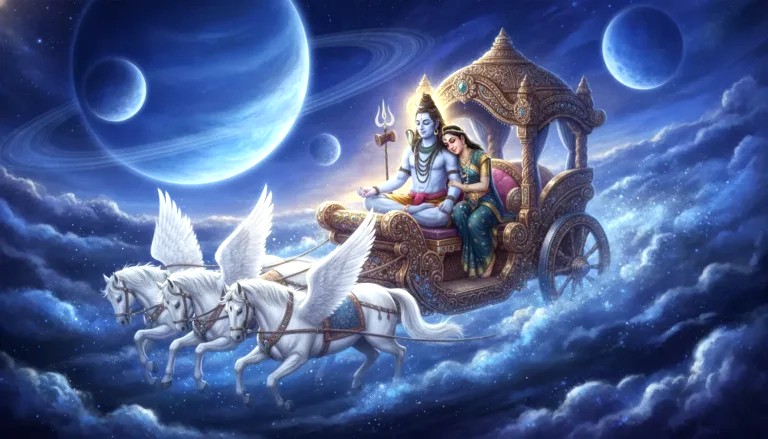
Celestial Vehicles of Ancient India: Traversing Dimensions Beyond the Mortal World
Pushpaka Vimana: Wielded by Ravana and Lord Rama
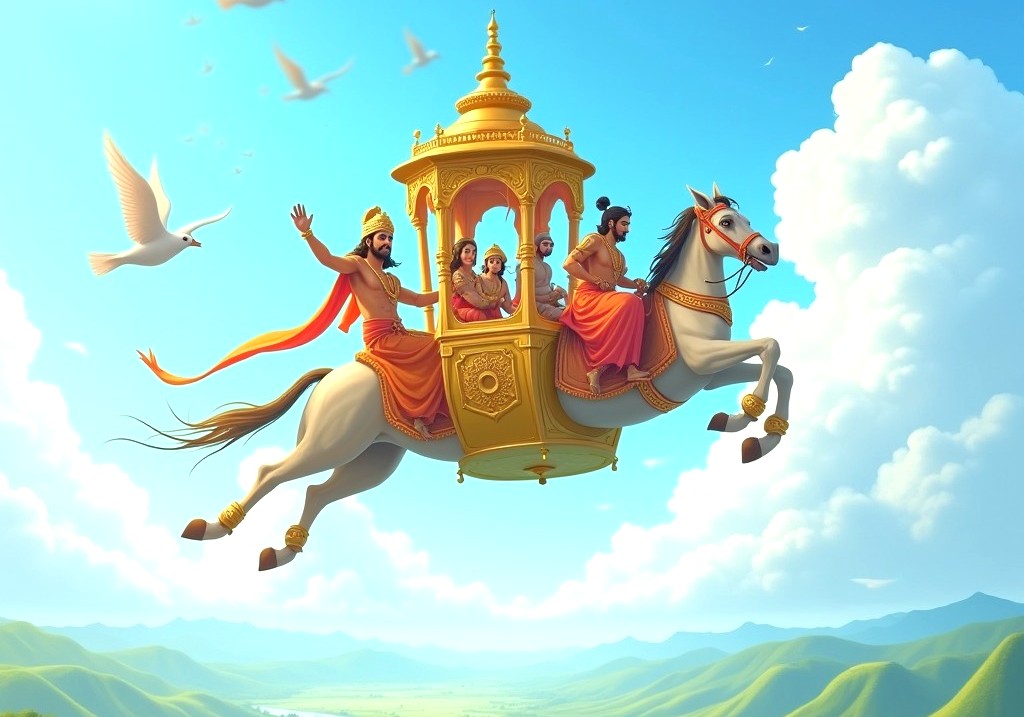
The Pushpaka Vimana is the most legendary of celestial vehicles, originally created by the divine architect Vishwakarma for Lord Brahma. This golden aerial chariot was later possessed by Kubera, the god of wealth, before being seized by the demon king Ravana. It possessed the unique ability to expand or contract its size based on the number of passengers and was propelled by the willpower of its pilot. Rama utilized this vehicle to return to Ayodhya after the war in Lanka. It represents the height of ancient aeronautical imagination, serving as a mobile palace that could traverse the three worlds with effortless grace. Celestial Vehicles of Ancient India
Aruna Ratha: Driven by the Sun God Surya
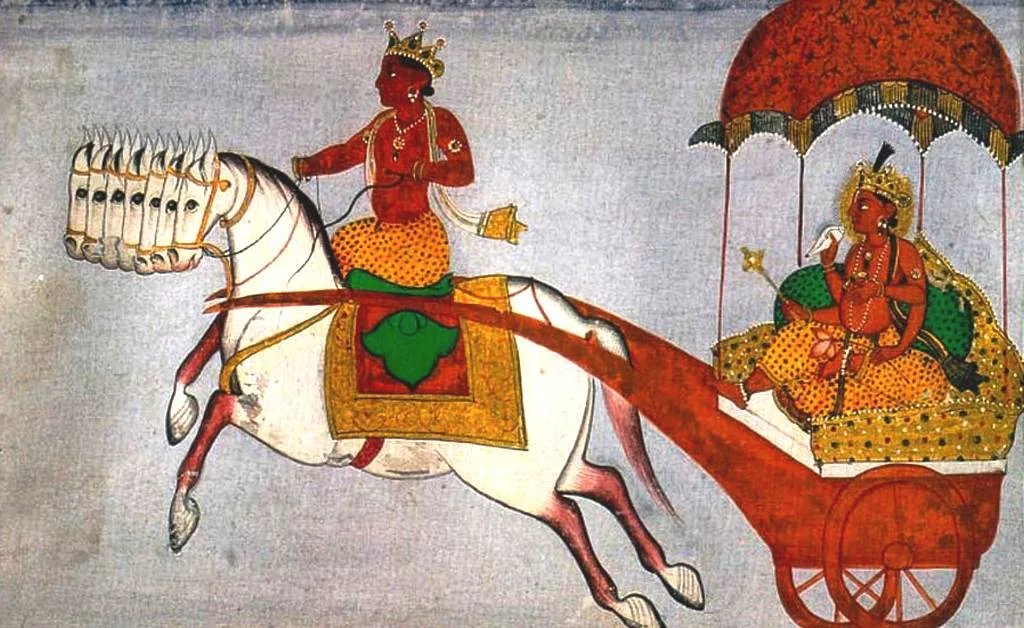
The Aruna Ratha is the majestic vehicle of the Sun god, Surya, which traverses the sky daily to bring light to the mortal world. This chariot is pulled by seven horses, representing the seven colors of the rainbow and the seven days of the week. The vehicle is driven by Aruna, the personification of the dawn, who sits at the front to shield the world from the Sun’s direct, blinding heat. It symbolizes the relentless passage of time and the life-giving energy of the cosmos. The chariot’s movement is synchronized with the celestial laws, ensuring the perpetual cycle of day and night.
Vaimanika Ratha: Commanded by Indra the King
The Vaimanika Ratha is the celestial chariot of Indra, the King of the Devas, used to lead the heavenly hosts into battle against the Asuras. This vehicle is often depicted as being pulled by Uchchaihshravas, the divine white horse that emerged from the churning of the ocean. It is equipped with advanced defenses and can travel between the heavenly realms and the earth in the blink of an eye. The chariot represents the sovereign authority of the heavens and the military might of the gods. It was famously sent to earth to transport the hero Arjuna to the celestial capital, Amaravati. Celestial Vehicles of Ancient India
Hamsa Vimana: Navigated by Lord Brahma
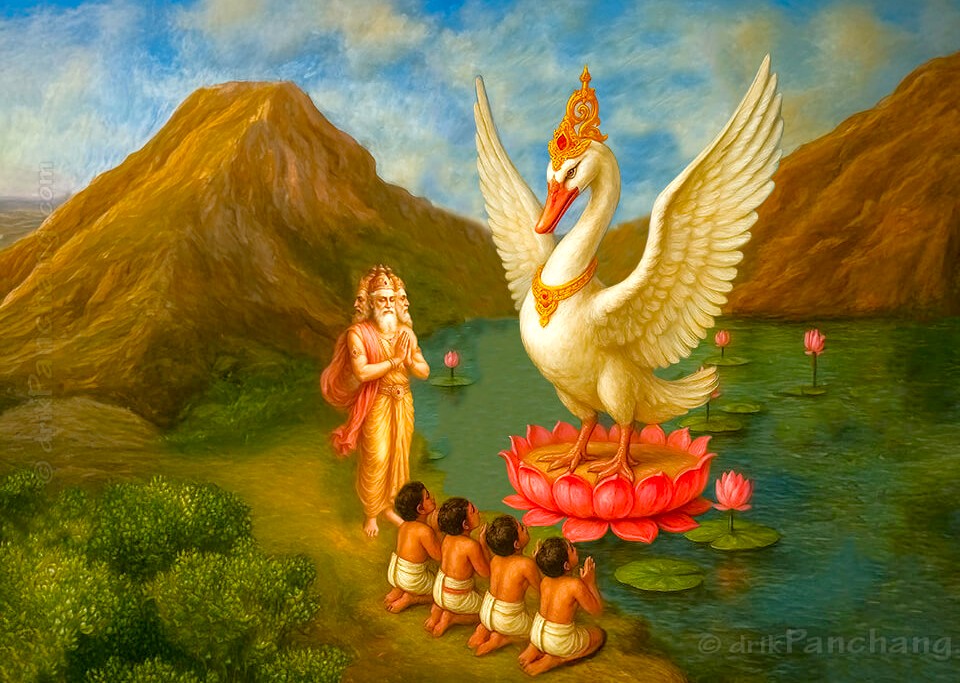
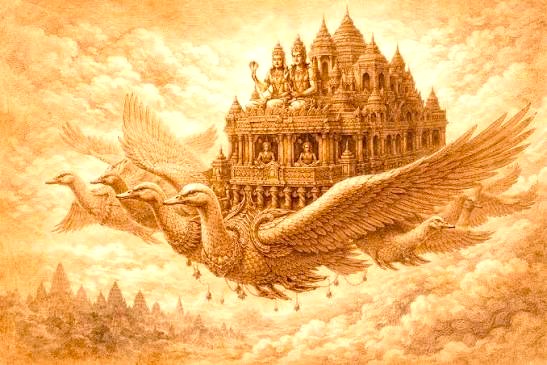
The Hamsa Vimana is the elegant vehicle of Lord Brahma, the creator, manifesting as a great white swan or a chariot pulled by these graceful birds. This vehicle symbolizes the power of discrimination, as the swan is believed to be able to separate milk from water. It allows the creator to travel across the vast expanses of the universe while remaining in a state of deep meditation. The Hamsa Vimana represents the purity of the intellect and the lightness of a soul that has transcended material attachments. It is the ultimate vessel for the dissemination of the Vedas and the maintenance of cosmic order.
Shuka Vimana: Travelled by the Sage Narada
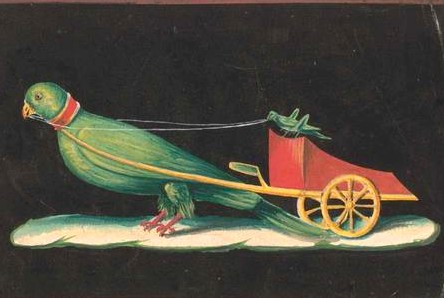
The Shuka Vimana is the celestial vehicle associated with the sage Narada and occasionally other messengers of the gods, often depicted as a giant parrot or a chariot pulled by them. Parrots symbolize the power of speech and the repetition of sacred truths. This vehicle allows the wielder to travel instantly between different dimensions to deliver divine decrees or to witness the unfolding of the cosmic drama. It represents the agility of the mind and the importance of communication in maintaining the harmony of the universe. The parrot’s green hue reflects the life-force and the vibrant energy of the messages it carries. Celestial Vehicles of Ancient India
Garuda Vahana: Mounted by Lord Vishnu
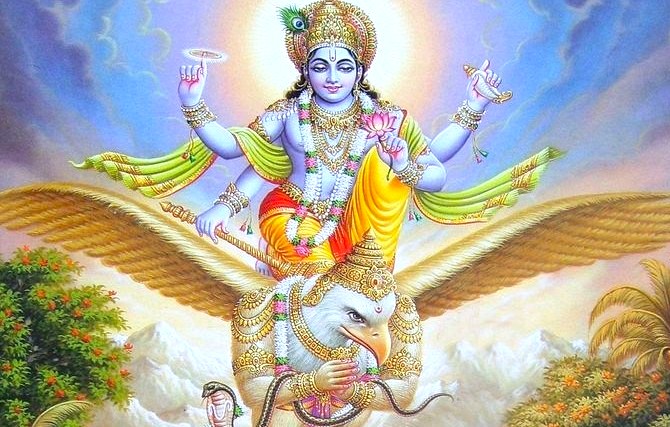
The Garuda Vahana is the supreme celestial mount of Lord Vishnu, manifesting as the king of birds, a giant eagle with golden wings. Garuda is not merely a vehicle but a divine being in his own right, representing the Vedas and the power of swift, decisive action. He carries Vishnu across the universe to intervene in the affairs of gods and men, ensuring the protection of the righteous. The sight of Garuda in the sky is a sign of impending divine justice. He symbolizes the soaring spirit of devotion and the ability to overcome the serpents of ego and worldly attachment.
Chandra Ratha: Sailed by the Moon God Chandra
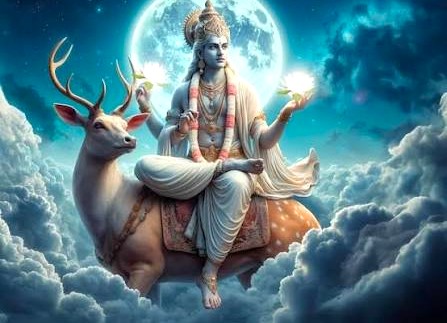
The Chandra Ratha is the glowing vehicle of the Moon god, Chandra, which sails through the night sky to provide cooling light and nourish the vegetation. This chariot is pulled by ten white horses or antelopes, representing the speed of the mind and the subtle movements of the celestial bodies. The vehicle is associated with the nectar of immortality and the rhythmic cycles of the tides and the human psyche. It represents the reflective and emotional aspects of the consciousness. The movement of the Chandra Ratha is essential for the growth of medicinal herbs and the restoration of energy during the night.
Nandi Vahana: Ridden by Lord Shiva
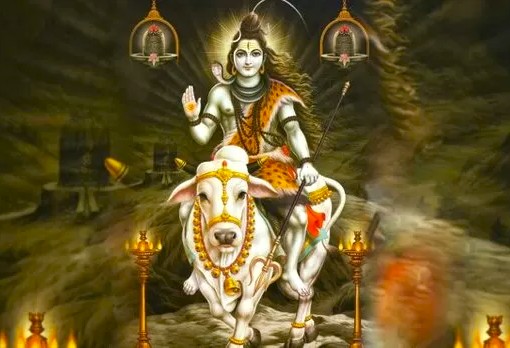
The Nandi Vahana is the powerful mount of Lord Shiva, manifesting as a majestic white bull that represents strength, virility, and unwavering devotion. Nandi is the gatekeeper of Shiva’s mountain abode, Kailash, and serves as the vehicle that carries the destroyer of illusions into the world. The bull symbolizes the controlled power of the senses and the stability of the earth. When Shiva travels upon Nandi, it signifies the union of the highest consciousness with the raw energy of nature. Nandi’s presence is a reminder that strength must always be guided by wisdom and a commitment to the divine will. Celestial Vehicles of Ancient India
Mayura Vahana: Flown by Kartikeya the Warrior
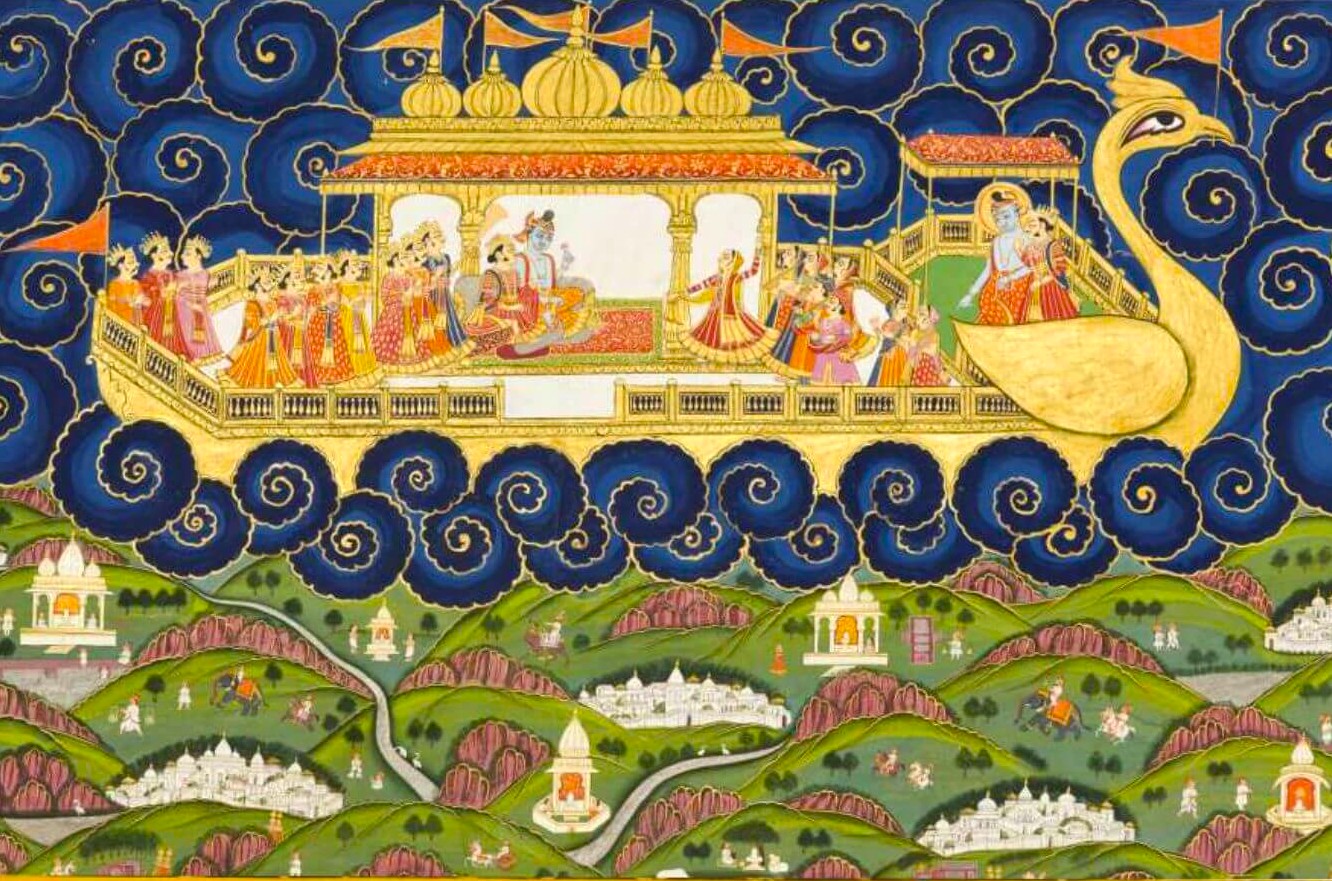
The Mayura Vahana is the vibrant vehicle of Kartikeya, the god of war and commander of the celestial armies. The peacock, with its colorful plumage and ability to destroy snakes, represents the destruction of pride and the victory over toxic impulses. The vehicle allows the warrior god to move with lightning speed across the battlefield, its feathers serving as a shield against enemy illusions. It symbolizes the beauty of the disciplined warrior and the alertness required to maintain peace. The Mayura Vahana is a testament to the fact that even the most aesthetic forms can harbor the greatest martial power.
Mushika Vahana: Steered by Lord Ganesha
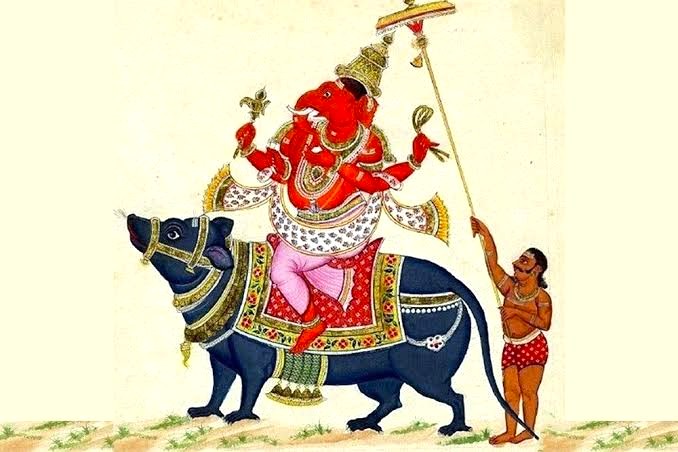
The Mushika Vahana is the unique vehicle of Lord Ganesha, the remover of obstacles, manifesting as a small mouse. This seemingly paradoxical pairing represents the divine ability to control even the smallest and most hidden aspects of the mind. The mouse symbolizes the wandering ego and the desire that can gnaw away at one's foundations. By riding the mouse, Ganesha demonstrates his mastery over these erratic forces. The vehicle allows him to penetrate the smallest of spaces and to find solutions where others see only barriers. It represents the triumph of intellect and patience over the restless and greedy nature of the lower self. Celestial Vehicles of Ancient India
Simha Vahana: Guided by Goddess Durga
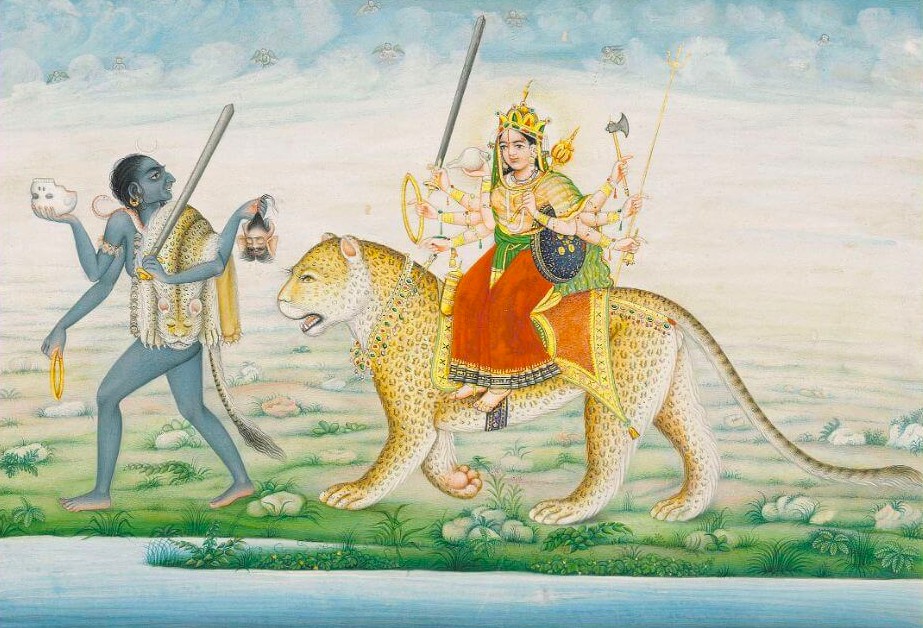
The Simha Vahana is the formidable vehicle of Goddess Durga, manifesting as a powerful lion or tiger. This vehicle represents the raw power of nature, the untamed courage, and the ferocity required to combat the most terrifying demons. The lion symbolizes the majesty of the divine feminine and the ability to command the highest levels of energy. When Durga rides the lion into battle, it signifies that the entire strength of the universe is concentrated toward the destruction of evil. It represents the protection of the innocent and the uncompromising nature of justice when the moral order is under threat.
Ulooka Vimana: Occupied by Goddess Lakshmi
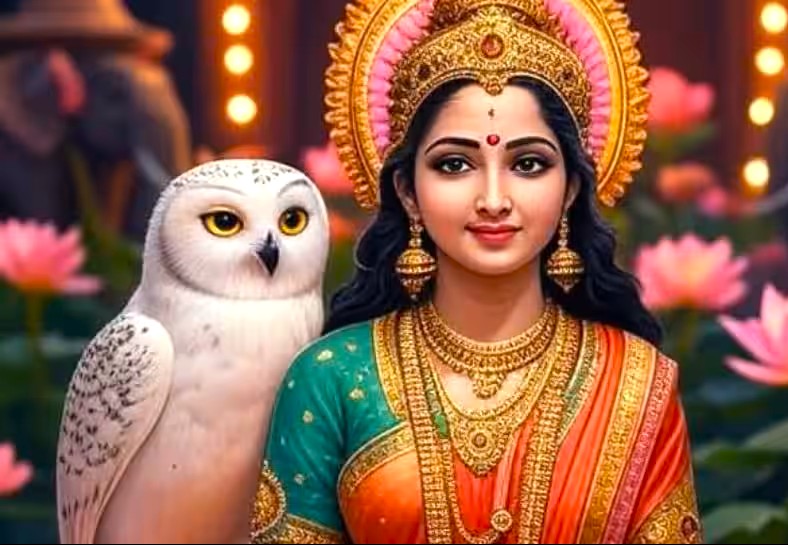
The Ulooka Vimana is the celestial vehicle of Goddess Lakshmi in some of her aspects, particularly those associated with the hidden wealth of the night. The owl represents the ability to see through the darkness of ignorance and the wisdom that remains alert while the rest of the world sleeps. This vehicle allows the goddess of prosperity to move unseen, blessing those who are diligent and wise even in times of difficulty. It symbolizes the silent accumulation of knowledge and the importance of foresight. The owl’s nocturnal vision reflects the capacity to perceive opportunities that are invisible to the ordinary, daylight-driven mind.
Mahisha Vahana: Driven by Yama the Just
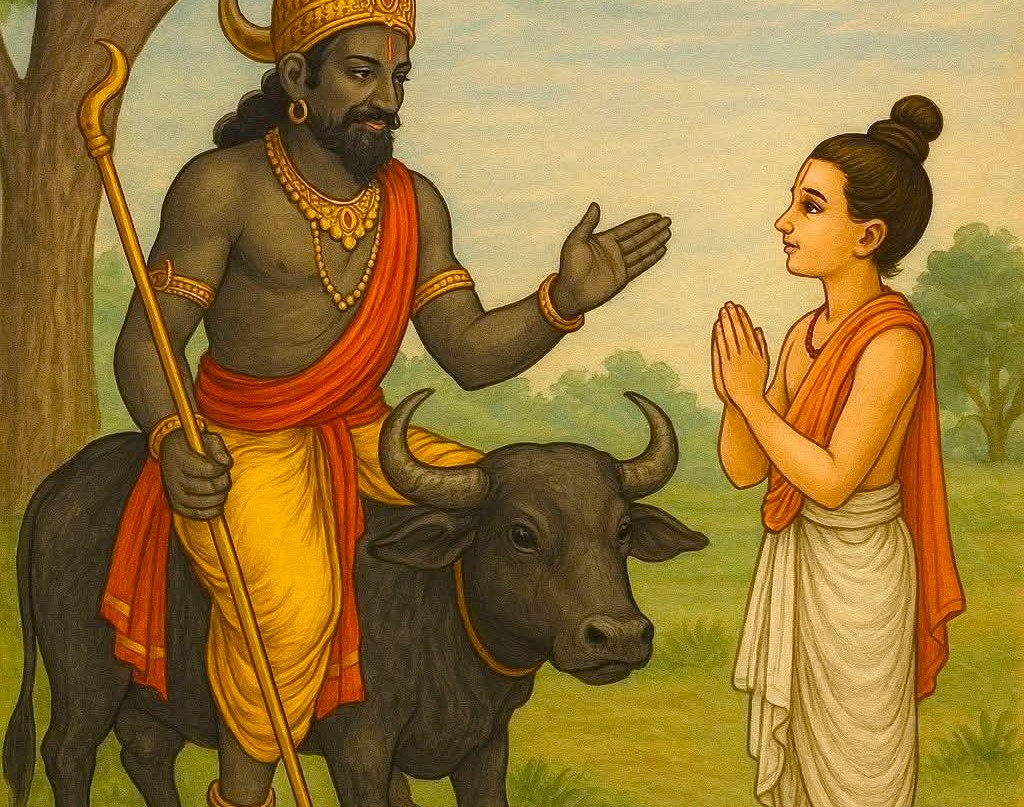
The Mahisha Vahana is the heavy, powerful vehicle of Yama, the god of death and justice, manifesting as a massive black water buffalo. This vehicle represents the relentless and unyielding nature of the law of karma and the certainty of time’s end. The buffalo symbolizes the endurance and the grounded strength required to maintain the balance of life and death. When Yama travels upon this mount, it signifies the finality of the judgment and the weight of one's past actions. It serves as a somber reminder that every living being is moving toward a destination where only their deeds will remain as their companions. Celestial Vehicles of Ancient India
Makara Vahana: Navigated by Goddess Ganga
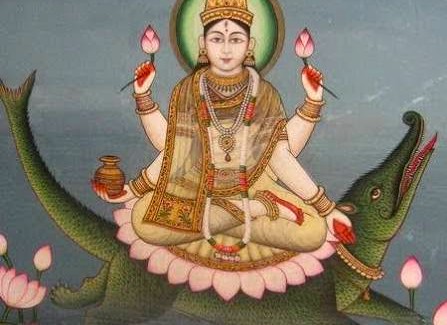
The Makara Vahana is the celestial vehicle of Goddess Ganga and Varuna, the god of the oceans, manifesting as a mythical sea creature with the head of a crocodile and the tail of a fish. This vehicle represents mastery over the subconscious mind and the depths of the emotional waters. The Makara symbolizes the duality of the water element - nurturing yet dangerous. It allows the deities to traverse the rivers and oceans, bridging the gap between the land and the abyss. It signifies the fluidity of life and the necessity of navigating the currents of the world with grace and strength.
Mesha Vahana: Propelled by the Fire God Agni
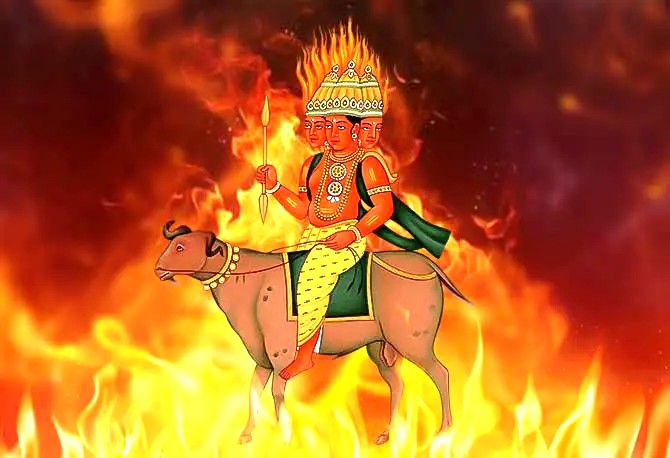
The Mesha Vahana is the celestial vehicle of Agni, the god of fire, manifesting as a powerful ram. The ram represents the assertive and pioneering energy of the fire element, its horns symbolizing the ability to break through any resistance. This vehicle allows the god of the hearth and the sacrifice to move swiftly to accept the offerings of the mortal world. It represents the heat of transformation and the initial spark of creation. The Mesha Vahana signifies the raw, impulsive power of the spirit that must be harnessed and directed through the sacred rituals to benefit the entire community.
The Departure of the Celestial Fleet
The decline of the era of celestial vehicles occurred as the high-vibrational age of the Dwapara Yuga transitioned into the denser Kali Yuga. As the human mind became increasingly tethered to the material world, the ability to perceive and pilot these willpower-driven vessels began to fade. The ancient texts record that after the departure of Krishna, many of the divine mounts and chariots were withdrawn into the subtle realms, leaving behind only the mundane modes of transport. The centralized knowledge of the Vimana Shastras was lost to time, replaced by the heavy machines of the physical age. This marked the final transition of the gods' transport from a tangible reality to the realm of sacred myth.
Step Inside The Story - View All Tour Itineraries & Details

We’re here to offer genuine, thoughtful guidance if your interested in travelling to India. As a small, dedicated team, we pay close attention to every detail so you can focus on enjoying the experience while we take care of the planning. We believe the best trips begin when someone truly listens to what you want and how you like to travel, so the journey feels right for you and contributes to a happy, positive group on tour. Our communication stays clear, straightforward, and respectful at every step, with the goal of helping you feel understood, supported, and confident from first contact to the end of your journey.
Click Catherine Frith - About The Founder
Click Discover Life Travel - All tours and more
Click Why We Are Different - Unique, Safe, Transparent