Catherine: Founder of Discover Life Travel
Doesn't Just Follow the Path - She Builds a Brand New One
Firelines at Seventeen: First Landing in a Raw, Unfiltered India
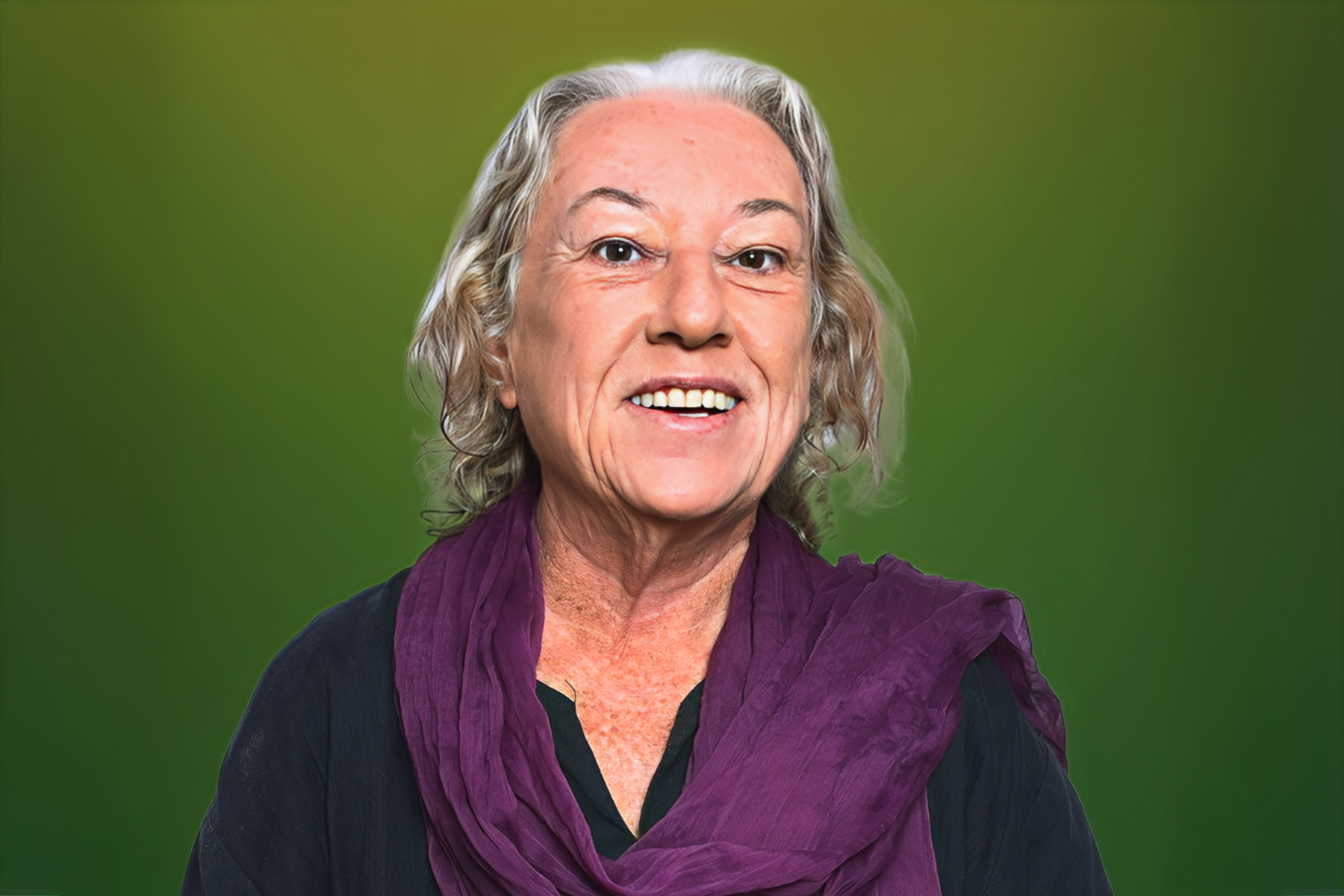
Catherine. Iwas seventeen in 1984 when friends invited me to their homeland in Punjab, India. I had just finished my college art and design course and was hungry for something bigger than the safe, familiar world I knew. With my family’s cautious blessing and a head full of half‑formed ideas about India, I boarded the plane, not realising how deeply that decision would shape the rest of my life. We landed in Old Delhi. Stepping out of the airport, we were hit by heat, noise, and a wall of strangers’ eyes. Delhi then was nothing like the Delhi of today - hardly any foreign travellers, no online reviews, no safety tips, just raw street life. We became instant targets. No one wanted to take us to Ludhiana unless we paid heavily. We agreed.
About Catherine: Six Inches from Impact

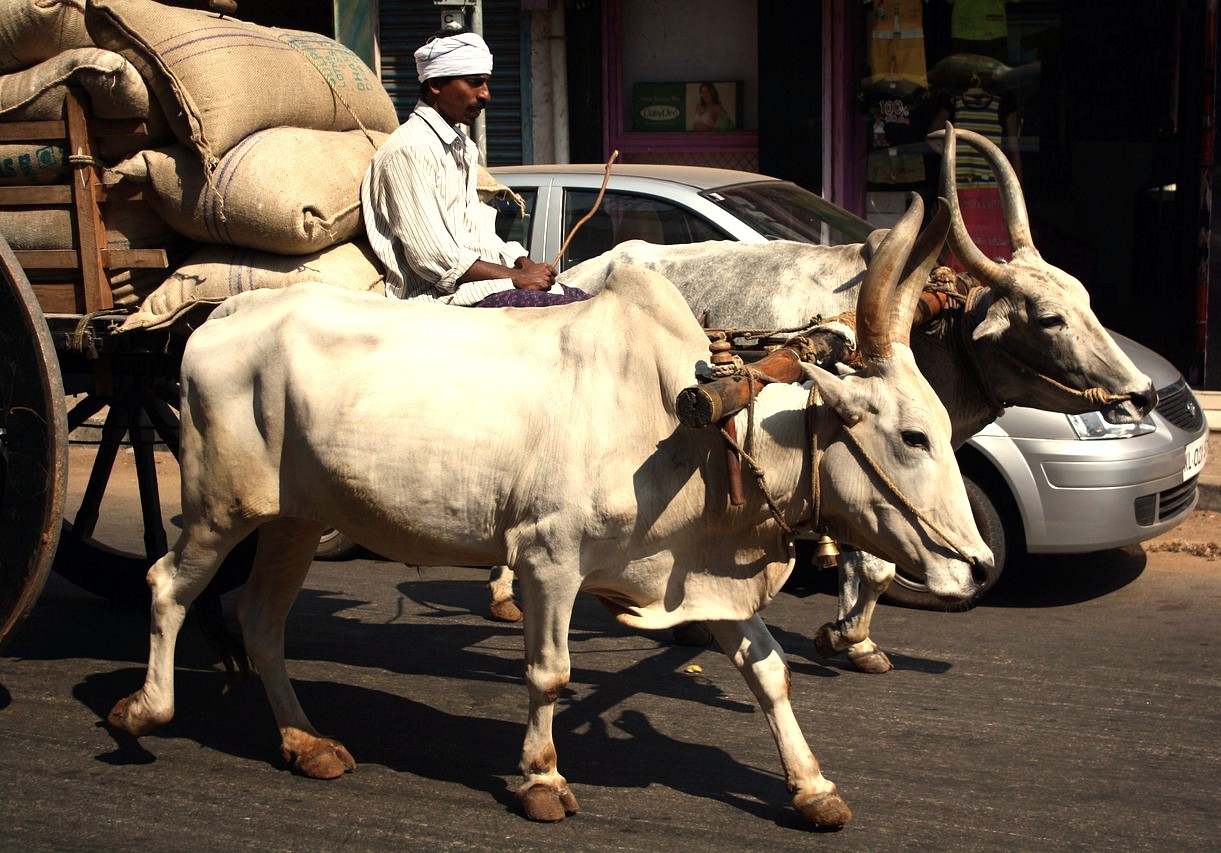
That drive is burned into me. Bullock carts, babas, goats, cows, chaos on the road - strange, however - I was not prepared for the real shock that was coming. I was in the back left seat of the taxi, looking out the window, watching the freeway slip by when, out of nowhere, a man on a motorbike, helmet on, slammed into the glass six inches from my face. A crack, a dull thud, then spinning wheels and a still body on the road. My friends somehow saw nothing, I still am unable to comprehend this. Only the driver and I absorbed what had just happened. He had cut the motorcycle off causing the incident. Our eyes met in the rear‑view mirror - no words, just a flat, resigned unknown knowing. Something in me folded. I slid onto the floor behind the front passenger seat and stayed there, numb, while he kept driving, offering no apology, no explanation. Later I understood why. If he had stopped and taken responsibility, he risked being beaten or killed by an angry crowd - the same unwritten rule that applies if you injure or kill a cow, even by accident. Out there, stopping could have cost him his life.
When a Whole Village Turned Up: My Raw Arrival in Mogra
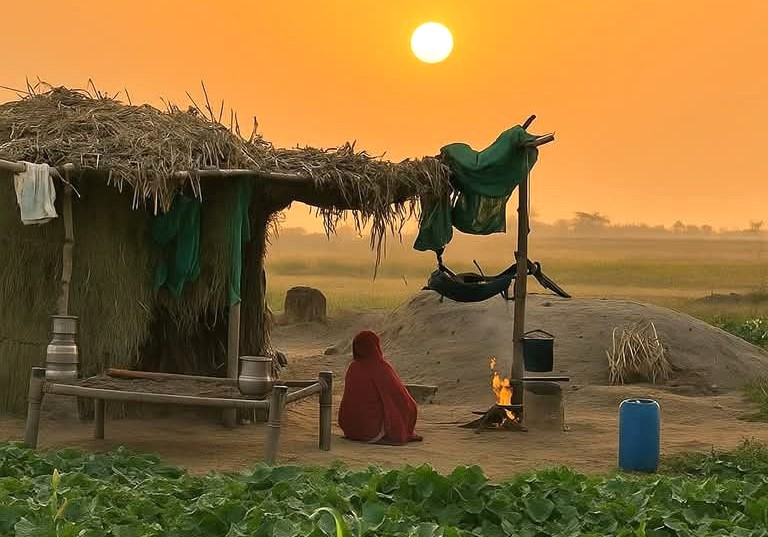
The next clear moment is arriving in Mogra, a rural village far from any city. Back then, I knew almost nothing about India except a vague interest in the deities. There was no internet to brief me, no curated stories - just reality, unfiltered. The whole village came out to greet us, laughing, curious, and generous. I remember warmth, hands reaching out, palms on our heads - stroking us - so many, kids giggling, women smiling without hesitation. That night I slept on a simple charpoy on the rooftop under an open sky. The next three days are mostly gone from my memory, like my mind decided to take a break. But I was safe. Just shockingly unprepared, naïve, and completely out of my depth - and that’s the truth of how it began.
Shaking Off the Shock: Village Life, High Society and Everything In Between
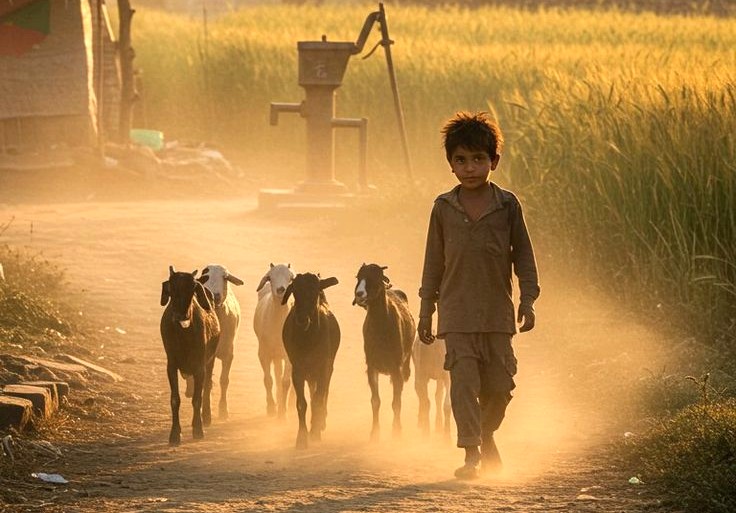
Despite everything, I had never felt so at home in the rural setting, there I would walk alone into the farms, letting the noise of the village fade behind me. By one of the water pumps feeding the fields through narrow canals, I sat down, leaned back, and let myself drift off for a while - feeling the rhythm of the sound of the water, completely at peace. The air smelled of soil and grain, and dust landed on my shoes. A tractor rattled far off, its engine noise steady but distant enough not to bother me. Every now and then, someone’s voice carried across the fields, then faded again. There was nothing special happening, but for once, that was exactly what I needed, nobody calling "Catherine".
Curiosity, Real Life, and Quiet Contribution
Before this new experience in Ludianna, back at the village, the first days were full of curiosity and excitement. I was the novelty, the outsider, and so were they to me. As the weeks went on, the shine wore off. These were people living in very basic conditions, with little formal education, stuck in a small social circle where everyone knew everyone’s business. Underneath the hospitality, old tensions surfaced - gossip, jealousy, simmering resentment that had nothing to do with me, however it touched myself anyway. It became clear that it was time to move on before any ill feelings truly developed to remain permanent. Before we left, I paid for and helped organise a new outdoor Indian‑style toilet - a small, practical thing, something they genuinely needed - especially for women as an indiscreet walk into the fauna to relieve themselves as they are not to expose their toiletry needs.
Silence, canals, and finding real peace
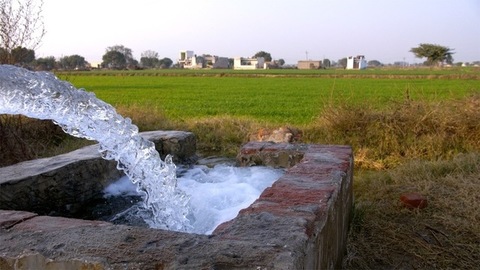
Despite everything, I had never felt so at home in the rural setting. The wheat fields wrapped around the village like a soft boundary from the rest of the world. I would walk alone into the farms, letting the noise of human drama fade behind me. By one of the water pumps feeding the fields through narrow canals, I sat down, leaned back, and let myself drift off for a while - feeling the rhythm of the sound of the water for the first time in days, completely at peace. A tractor rattled far off, its engine noise steady but distant enough not to bother me. Every now and then, someone’s voice carried across the fields, then faded again. I watched the water run in the narrow channel beside me, simple and constant, and felt my shoulders finally loosen. There was nothing special happening, but for once, that was exactly what I needed.
Whispers of Conflict Grow Suddenly Loud
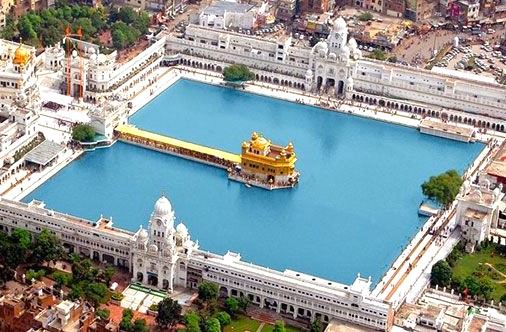
Four weeks into my stay, the mood shifted. Rumours of tension between Sikhs and the government stopped being background noise and became the centre of every conversation. I was living with a Sikh family, hearing everything from their side of the fence. The Golden Temple at Amritsar dominated the talk. I found myself in rooms with influential people who spoke in low voices about “what’s coming” long before it hit the news. This was in referance to the assasination of Indra Ghandi before it actually occured.
Golden Temple Faith Meets Loaded Guns
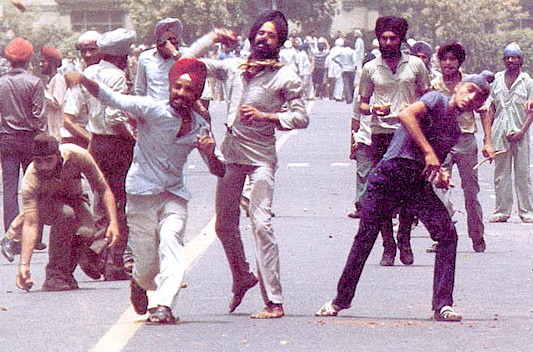
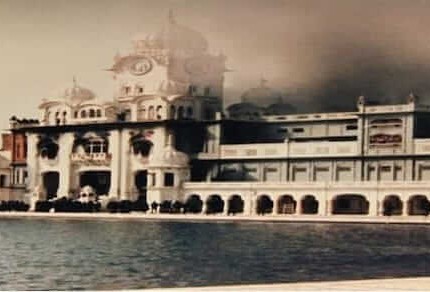
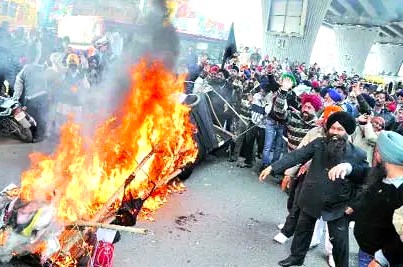
The story, as it was generally told, was simple and raw: the bhagwan‑like leader (Operation Blue Star) was Sant Jarnail Singh Bhindranwale. Inside the Golden Temple - had become deeply corrupt under his rule, stockpiling weapons in a place millions believed was untouchable. Indira Gandhi, then Prime Minister, ordered the army in. What followed was brutal. The firefight was so intense people said the sacred pool ran red. After that, facts blurred and emotions took over. Many Sikhs believed their faith itself had been attacked, and the backlash was fierce. Punjab spiralled. Suddenly there were curfews, street life was cut off overnight. For the first week, nobody was allowed out at all - not for food, not for anything. Then the rules softened just enough so you could buy essentials. Army helicopters thudded overhead. Checkpoints, rifles, tension you could taste. Local police, underpaid and fully aware people needed to eat, helped them / us by turning a blind eye to those brave enough to venture out. It was scary in a very real way - not a movie, not a story someone else told, but the air I was breathing. "Keep Calm Catherine".
From Preacher to Militant: The Rise of Jarnail Singh Bhindranwale
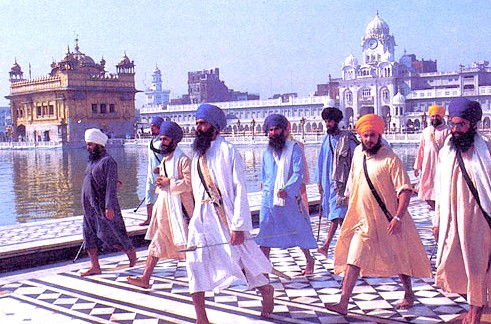
Bhindranwale was never called a Bhagwan in the history books. In records, speeches, and photographs, he is simply Jarnail Singh Bhindranwale. Yet by 1984, to many in Punjab, he occupied the kind of charged space people reserve for prophets, rebels, or villains, depending on where they stood. He began as a preacher, head of the Damdami Taksal, travelling through villages and gurdwaras, urging a return to strict Sikh discipline and identity. In a climate of political tension, corruption, and Sikh anger toward the Indian state, his message slid from purely religious into openly political.
By the early 1980s, he was no longer just a travelling preacher. To some Sikhs he symbolised defiance; to the Indian government, terror and secession; to many ordinary people, fear and uncertainty. Violence escalated as killings, police repression, and extremist rhetoric fed each other. Bhindranwale and his armed followers occupied and fortified the Golden Temple complex in Amritsar, turning the holiest Sikh shrine into a stronghold.
In June 1984, Operation Blue Star sent the army into the complex. Fierce fighting followed, and Bhindranwale was killed inside the shrine he had chosen as his last stand. His death ended the siege, but left deep scars and a bitter, contested legacy.
One Empty Bench, One Brutal Moment
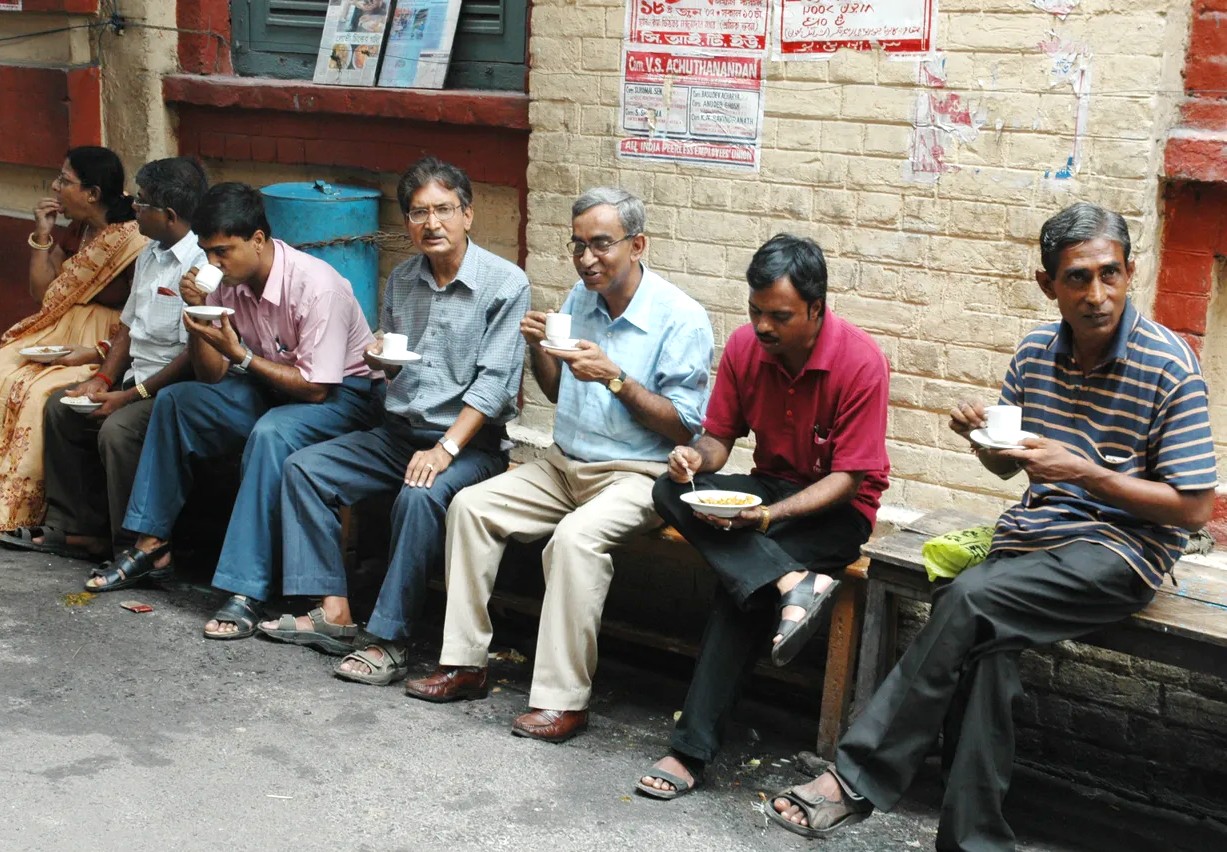
Our well‑connected friends did what they could. They sent over ice, food, cold drinks - little comforts that felt enormous. One day they arrived at the apartment that they rented for me, they appeared flat, visibly shaken, arms full of snacks. They had just been sitting outside a shop, sipping cold drinks on a simple bench. When they finished, they stood up and walked off. Other people slid into their place, the way it always happens in India - no empty seat stays empty for long. Moments later, a car roared past and someone opened fire with a machine gun, killing everyone on that bench. Wrong place, wrong time - however, not for my friends, they were lucky. It hit me hard: safety was now pure luck.
Terror Erupts Near Ludhiana’s Busy Market
Mid-afternoon, while shopping near Ludhiana, I was in a fabric shop, carefully choosing materials. The shop was long and narrow, crammed from floor to ceiling with goods. Suddenly, I heard a deafening explosion, incredibly close by. In an instant, everything shifted into what felt like slow motion. I turned my head toward the front of the shop and saw people looking in the direction of the sound. A moment later, everyone began to run, desperate to get out. I grabbed my bags and we rushed outside, my heart pounding in a kind of slow-motion meltdown. The blast must have been only 300 or 400 meters away.
I was terrified, adrenaline surging through my body. Getting away was not easy, as hundreds of people all tried to leave at once, racing toward taxis and rickshaws. In that moment, all differences - money, nationality, status - ceased to matter; we were simply one mass of people united by the instinct to escape. I do not remember any aggression, only a shared, overwhelming GET OUT NOW feeling. The rickshaw, which would normally carry two passengers, somehow held eleven of us. We were packed in like sardines, even clinging to the roof. That is all I can clearly remember about this event. "Catherine, I told myself, this is but a dream"
Leaving Stopped Being Simple: Checkpoints, Silence, and Borrowed Courage
By then, the message was clear. It was time to get out of Ludhiana. I had tried to leave earlier, when authorities ordered all tourists and journalists either to exit Punjab immediately or prepare to be stuck. I didn’t fully grasp how serious that line was. By the time I and my friends understood, it was already complicated. I could not leave through normal, legal channels anymore. So they improvised. One day I was taken from the flat they’d arranged for me to live in, I was hustled quietly down the stairs and out to a waiting jeep. No explanations, just urgent faces. I was told to lie down in the back.
Someone threw a tarpaulin over me, turning the world into darkness and muffled sound. As we drove, we passed through checkpoint after checkpoint, soldiers and police pausing to look in, sometimes tapping on the sides. I held my breath, listening to engines, boots, voices, and the crinkle of the tarp. That was my way out of Punjab - hidden, smuggled, scared, and very much aware that I was out of my depth in a history far bigger than me.
When Control Vanished, Trust Stepped In With Local Grace
On the way to the airport, India gave me one last test. A flat tyre, almost no time before the flight, and of course - no spare. For a moment, everything in me tightened: the what‑ifs, the fear of being stuck, the echo of the weeks I’d just lived through. Then something in me released. This is India, I thought. Control is a myth here. You let go, you let in, and you trust that somehow the road will rise to meet you, and it always does. My face must have been a mix of “oh no” and “oh yes” - caught between panic and a strange, quiet surrender. And then, as if on cue, a local couple appeared. No drama, no big speech, just calm, practical kindness.
They stepped in, helped sort the mess, and got us to the airport in time for the flight. That’s how it often went there: edge‑of‑disaster one minute, unexpected grace the next. I left India knowing this much for sure - there are more stories that I could ever tell, many of them wild, many of them hilarious, and all of them stitched with the same raw, unpredictable honesty. Two weeks later, Indra Ghandi was assaniated, and India broke out in extreme violence.
Cracking Open a “Perfect” Australian Life

In 2004 I went back. Twenty years had passed and life had knocked some maturity and real wisdom into me. I knew myself better. I knew what I wanted, and I knew the life I had in Australia, as good as it looked on paper, needed to crack open. I’d been living in the Blue Mountains on the edge of Sydney, successfully running a Natural Theropies practice I genuinely loved, however, something deeper was calling. It felt old, rooted, insistent. I left it all behind and flew to India with one clear intention: to support children there, in a real, hands-on way. For two months I moved through cities and towns, meeting NGOs from around the world, visiting Indian charities, sitting in offices, listening to speeches, reading brochures. I wanted something that felt aligned, not just impressive on paper.
Nothing truly landed, and again, India seemed to have its own design for my life. I reached Alleppey in Kerala, after an overnight boat stay, and sat in a small restaurant writing. Across the room, a western man had been sitting there just as long, silent, unbothered. Then, as if pushed by something invisible, I said hello. We talked a little. I mentioned why I was there, how I was searching for a way to work with children that felt genuine. He listened,then calmly wrote down a phone number,slid it across the table and said, “This is who you are looking for”. No explanation, no story, just a name and a number - and somehow I knew he was right.
One Phone Call, and There She Was
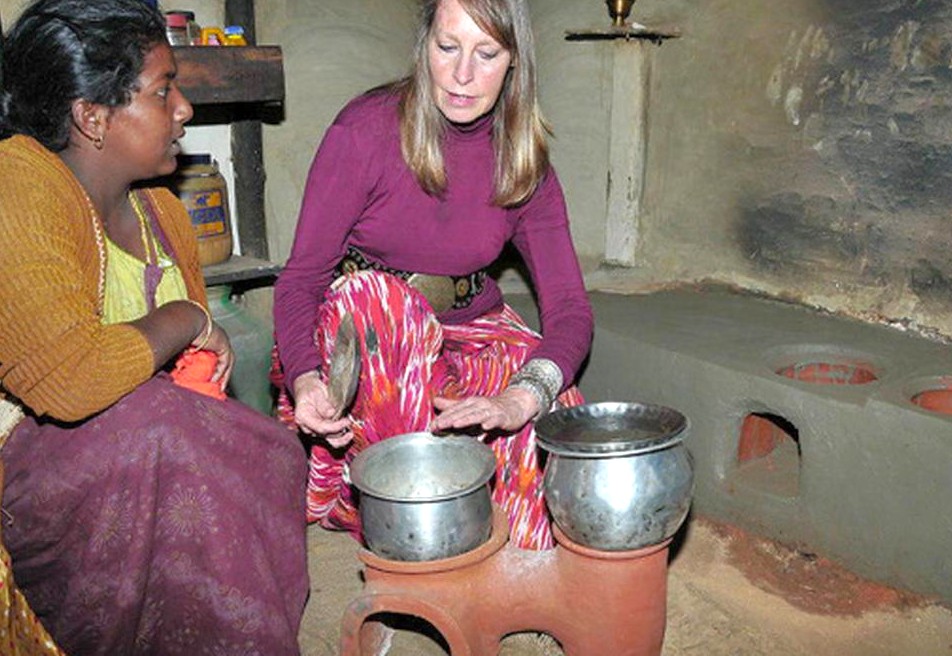
I called immediately, and by chance of course she answered: “Hello, Ann Peck speaking,” and that was that. Instant resonance. Something in her tone, her clarity, told me she was solid. Anne met me at the bus stand in Kodaikanal, and I knew straight away she was the real deal. No performance, no spiritual gloss, just grounded presence and quiet competence. Over the years I joined in on different projects, watched how she moved, how money was handled, how decisions were made. Kids Health India had won my heart, mind and trust. It was real grassroots work: no fancy offices, no big salaries, fully volunteer‑driven, books transparent, every rupee accounted for. That level of integrity hooked me.
Travel That Gives Back, by Design
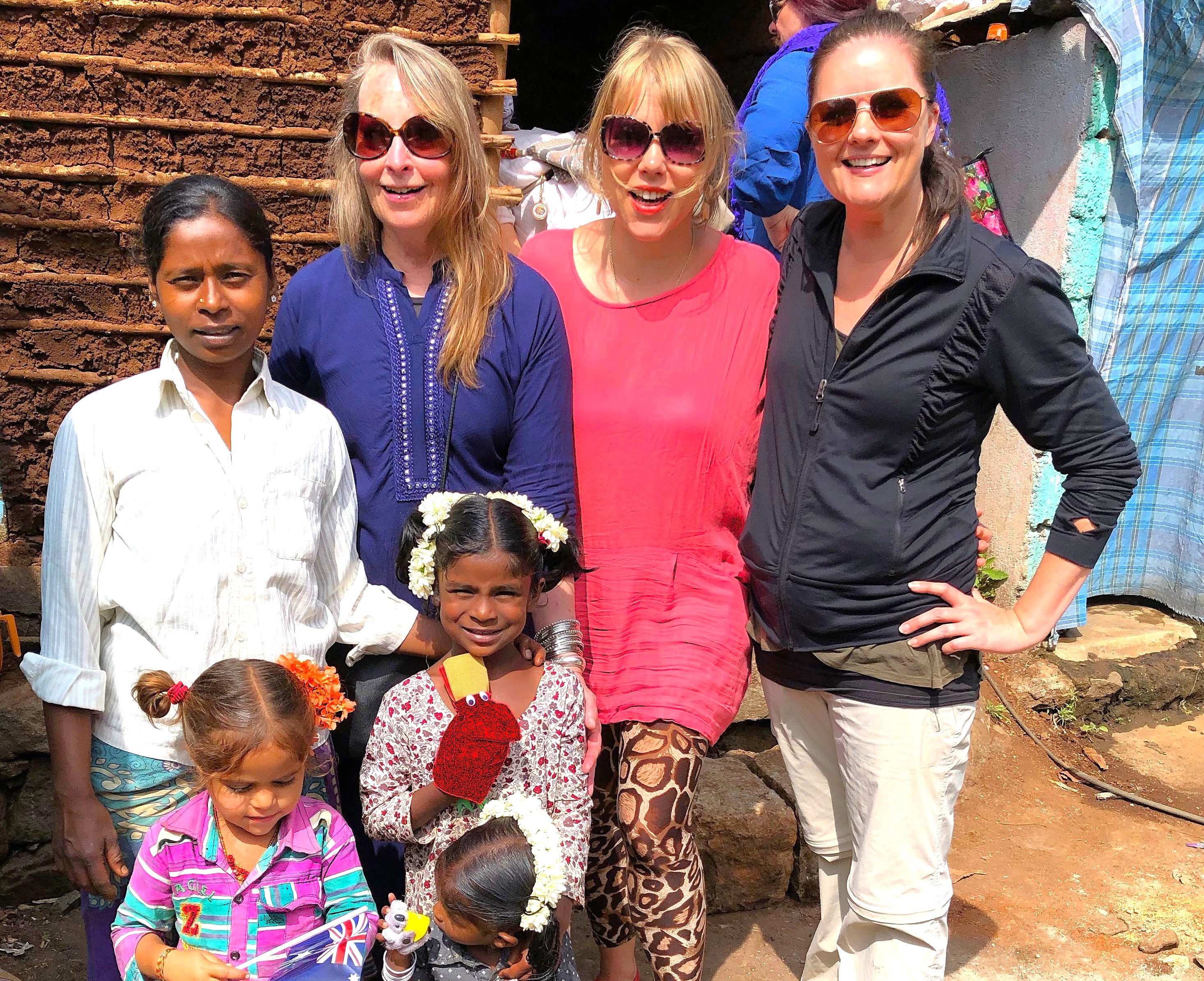
Since 2004 I’ve been supporting KHI and, alongside that, I built Discover Life Travel and Mother Masala Tours as a way to sustain myself, and keep supporting the work in India. Now I’ve shaped a life and career that feel balanced - earning a living while giving back, and inviting others into the wisdom, intensity and wild joy of India through the tours I’ve created. Join me and my wholehearted team to uncover India’s people, culture and legends - travel with depth, clarity and care, and give back simply by choosing to book with me. My journey is rooted in purpose-driven exploration. By bridging the gap between meaningful philanthropy and high-quality travel, I provide guests with an authentic connection to the heart of the subcontinent. Every itinerary is crafted with a commitment to ethical engagement and personal growth. Together, we celebrate the vibrant spirit of India while fostering sustainable support for local communities. "Discover India - Discover Yourself."