Unique Insights Into The Rivers Of India
Brahmaputra River: India
Discover Life Travel
Lifeline of the Eastern Heights
The Brahmaputra River, originating from the Angsi Glacier in the Himalayas of Tibet, is known as the Yarlung Tsangpo before it cuts through the world's deepest canyon. Its name translates from Sanskrit as 'Son of Brahma', the creator deity, reflecting its masculine energy compared to the feminine Ganges. Flowing across 3,848 kilometers, it traverses Tibet, India, and Bangladesh before merging with the Padma to enter the Bay of Bengal. This water system sustains nearly 130 million people, providing a foundational resource for the civilizations of the Assam Valley for millennia. The river passes through rugged mountain terrain and the lush plains of the Northeast, carving a path that has defined the boundaries of ancient kingdoms and modern nations since the Vedic period. Brahmaputra River India
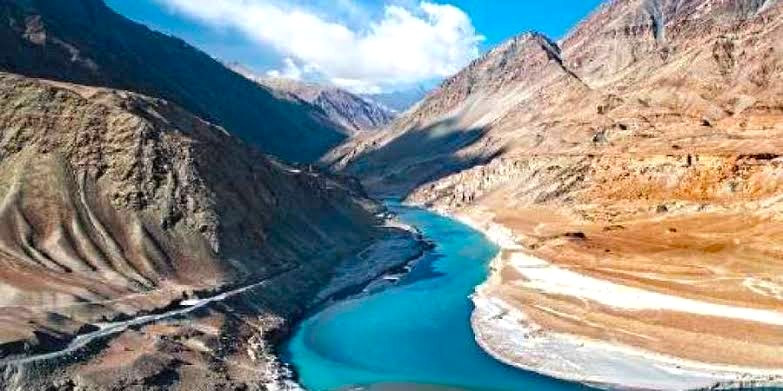
Brahmaputra River India: Primordial Echoes of the Valley
Before recorded history, the region surrounding the river was inhabited by the Austro-Asiatic and Tibeto-Burman groups around 5,000 BCE. Local oral traditions identify the warrior-sage Parashurama as a central figure who used his axe to release the trapped waters from the mountains, creating the valley. During the Neolithic period, approximately 2000 BCE, settlements appeared along the banks featuring polished stone tools and handmade pottery. These early inhabitants practiced shifting cultivation and worshiped the spirits of the forest and the water. The river was seen as a divine entity descending from the heavens. Excavations reveal that these prehistoric communities traded salt and silk with neighboring highland tribes, establishing the earliest mountain economic networks.
Rise of the Varman Dynasty
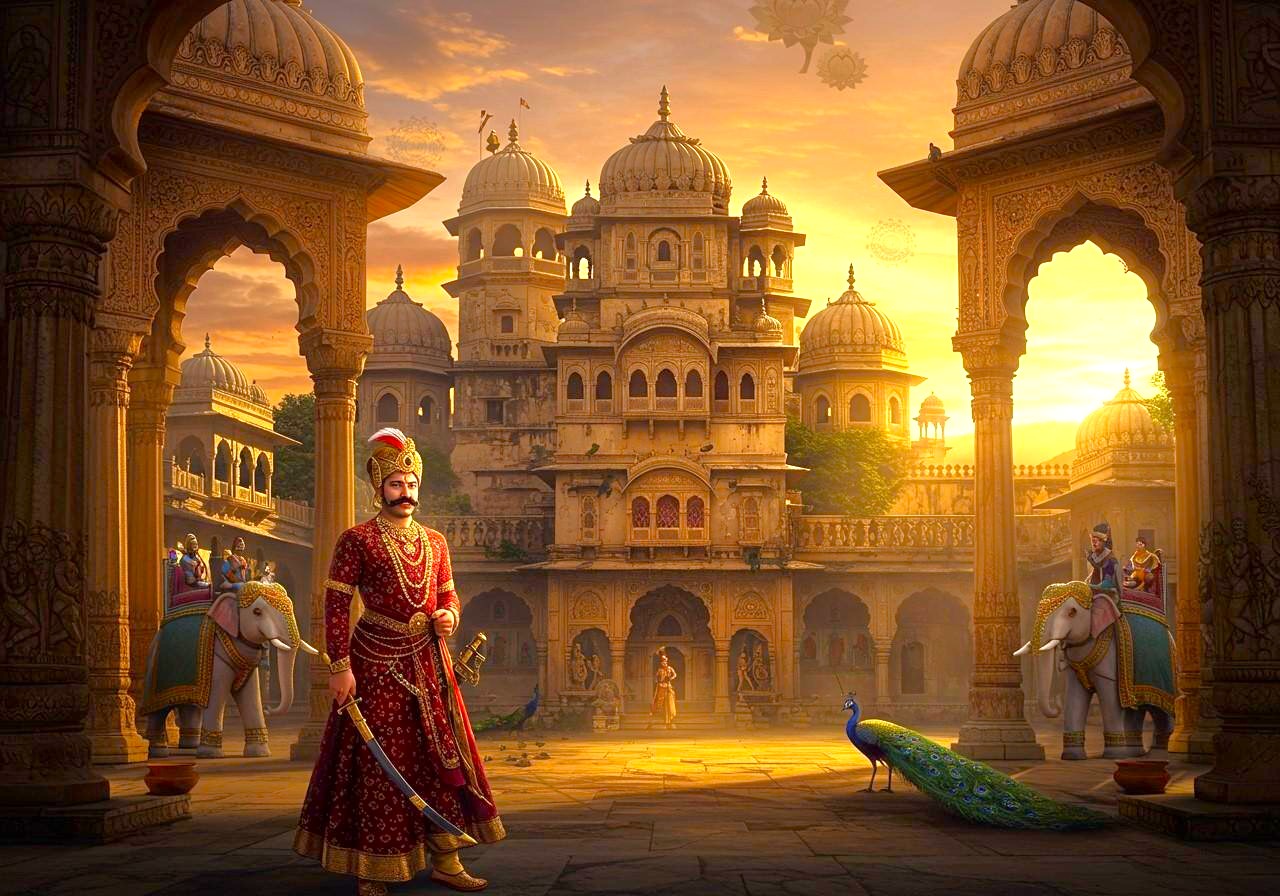
In 350 CE, the Varman Dynasty established its capital at Pragjyotishpura on the banks of the Brahmaputra. Led by rulers like Pushyavarman and later Bhaskaravarman, this Dynasty controlled the vast territory of Kamarupa. They developed the river as a major logistical artery for defense and communication. The population of the capital reached approximately 80,000 during its peak in the seventh century CE. The royal family lived in timber and stone palaces where the King and Queen oversaw diplomatic relations with the Chinese Tang Dynasty. Royal children were educated in Sanskrit and statecraft. This era marked the transition of the river from a wild mountain stream into the political center of a powerful regional sovereign. Brahmaputra River India
Engineering the Flood Plains
The construction of early water management systems began under the Mlechchha Dynasty around 650 CE. They built raised embankments and stone retaining walls to protect settlements from the massive summer floods that occurred between June and August. By 900 CE, the Pala Dynasty expanded these systems, creating elaborate drainage channels that diverted excess water into natural depressions called 'Beels'. The engineering focused on accommodating the river's high sediment load, ensuring that fertile silt was deposited in the fields without destroying the crops. This meticulous management allowed for a surplus of rice, supporting a growing population of weavers and metalworkers who settled in the valley, transforming the swamps into productive agricultural land.
Chronicles of the Ahom Dynasty
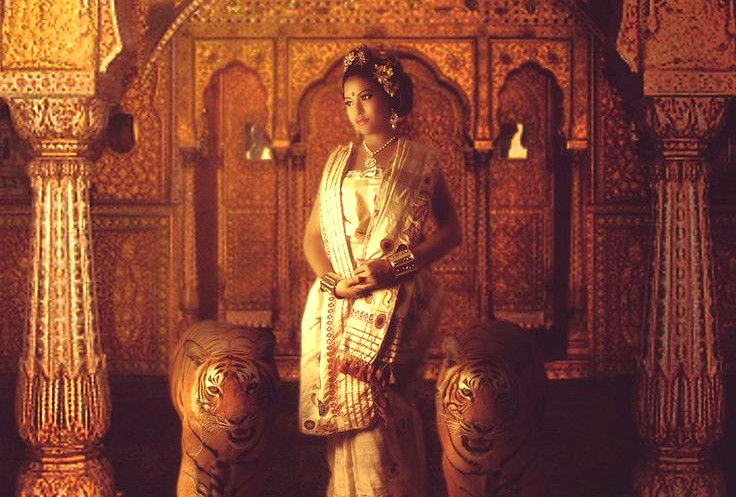
The Ahom Dynasty, founded by Sukaphaa in 1228 CE, shifted the focus to the upper valley near Charaideo and Sibsagar. For six centuries, this lineage governed the Brahmaputra basin, successfully resisting multiple invasions. The royal households maintained strict protocols, with the Queen Consort often holding significant administrative power. Marriage for royal women served as a tool for political stability, uniting the Ahoms with the neighboring Kachari and Chutia tribes. The population of the valley swelled to over 1,500,000 by 1700 CE. These rulers fortified the riverbanks with massive earthen mounds known as 'Maidams' and established a military bureaucracy that used the river for naval warfare, ensuring a stable kingdom.
Spirits of the Red River
Religious practices along the Brahmaputra center on the concept of 'Shakti' or divine feminine power. The most significant site is the Kamakhya Temple, where the river turns red during the Ambubachi Mela in June. In 1897 and 1950, records show thousands gathered despite natural disasters. Daily rituals include the offering of flowers and incense to the water at sunrise. Devotees believe the river possesses the power to grant fertility and spiritual renewal. Local priests maintain oral histories of the river's path, which has shifted significantly over centuries. The river is also sacred to Tibetan Buddhists, who see the upper reaches as a path to purification, preserving a continuous record of trans-Himalayan pilgrimage. Brahmaputra River India
Harvests of the River Silt
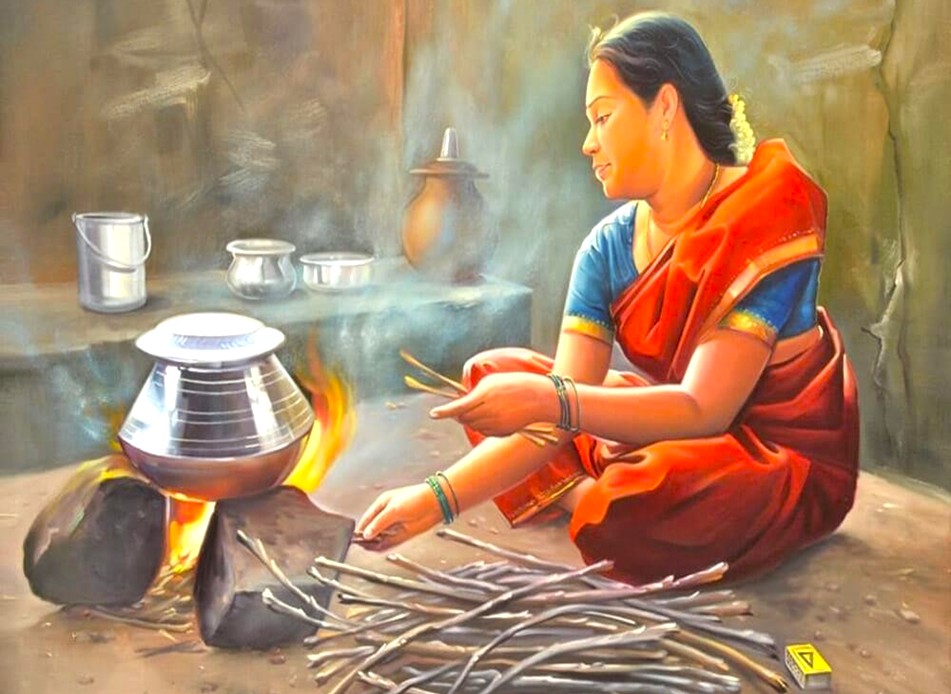
Food traditions along the river rely heavily on the annual enrichment of the soil. A staple is the 'Masor Tenga', a sour fish curry made with river carp and local tomatoes or lemon. In the 1900s, annual fish harvests exceeded 1,200 tons. Preparations involve steaming fish in banana leaves or slow-cooking in bamboo tubes. The royal kitchens traditionally prepared 'Pitha', a rice cake made from sun-dried grain, during the harvest season. Quantities were massive; during a 17th-century royal celebration, chronicles mention the consumption of 15,000 kilograms of sticky rice and 5,000 liters of buffalo milk. Daily meals for commoners consisted of rice, fermented bamboo shoots, and wild greens gathered from the banks.
Rhythms of the Bihu Festivals
Festivals mark the agricultural cycle and the river's seasonal changes. The Rongali Bihu, held in mid-April, marks the beginning of the sowing season. Another key event is the Bhogali Bihu in January, where community feasts are held around large bonfires called 'Mejis' built from river reeds. During these times, the river banks are transformed into arenas for traditional wrestling and buffalo fights. Cultural performances include the 'Bihu' dance, characterized by rapid hand movements and rhythmic drumming. These celebrations are timed with the lunar calendar, ensuring communal harmony. The scale of these events requires months of preparation, involving village councils who coordinate the construction of temporary shelters and communal kitchens near the water. Brahmaputra River India
Battles of the Naval Might
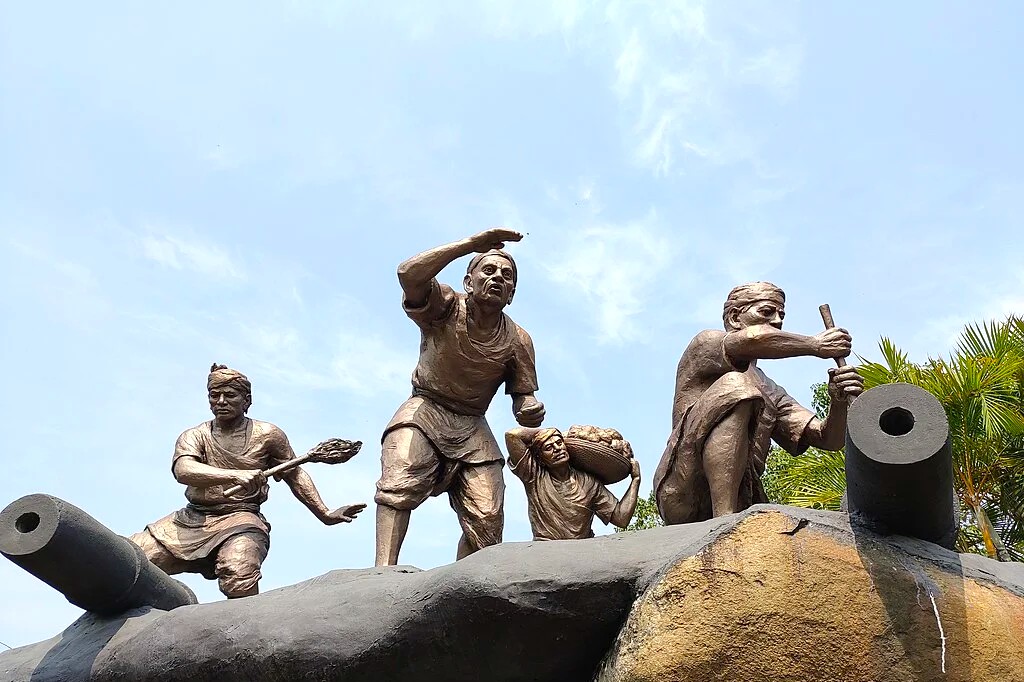
The river has been a site of significant naval conflicts. In 1671 CE, the Battle of Saraighat took place, where the Ahom general Lachit Borphukan defeated the Mughal forces. The Mughals attempted to cross the river with a massive fleet, but the Ahoms used the narrow channel and river currents to their advantage. Later, in the early 19th century, the Burmese invaded the valley, leading to the First Anglo-Burmese War. A decisive naval engagement occurred near Guwahati, where British gunboats eventually pushed the Burmese back. These conflicts focused on controlling the river crossing points that allowed access to the interior of the Northeast. The river is depicted in local folklore as a protector that swallowed invading armies.
Arteries of the Silk Trade
Trade routes followed the river's course, connecting the Assam Valley to the Silk Road in the north and the sea in the south. From 200 CE, Muga silk, ivory, and agarwood were transported on wooden boats to Bengal and beyond. The Roman Empire valued Indian silk highly, which traveled through these riverine routes. In the 1800s, the British East India Company established tea plantations and coal mines, using the river as the primary transport corridor. These routes facilitated the movement of labor, bringing thousands of workers from central India to the tea gardens. The river acted as a highway for salt from the coast and rice from the delta, creating a complex economic web that linked isolated mountain communities.
Healing from the Monsoon Forest
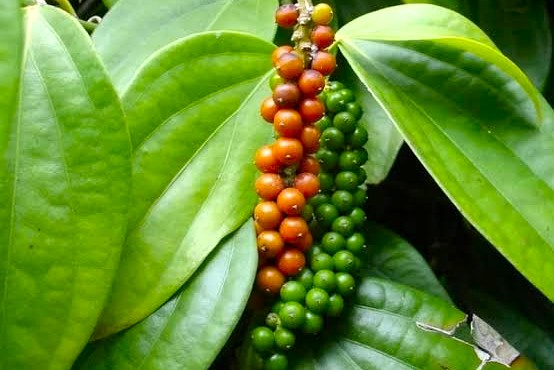
Medicinal practices along the Brahmaputra utilize the immense biodiversity of the rainforests. The 'Bej' or traditional healers use 'Brahmi' for memory and 'Vasaka' for respiratory ailments. During the 16th century, the Ahom kings established state-supported medical gardens that integrated local tribal knowledge with Sanskrit texts. The forests near Kaziranga are known for rare orchids and herbs used to treat malaria, which was common in the humid valley. Royal families employed specialists who prepared tonics from rhinoceros horn and forest herbs. These remedies were documented in 'Sanchipat' manuscripts made from the bark of the agar tree. The river water is often used in the preparation of these medicines to ensure purity and potency. Brahmaputra River India
Domesticity within the Bamboo Groves
Daily life for the royal families was a blend of ritual and agrarian management. The King typically inspected the rice stores and fortifications before holding court. The Queen oversaw the weaving of royal garments, a task considered sacred for women in the valley. Children played with clay models of animals and learned the history of their ancestors through oral poetry. Meals were served on bell-metal plates, with a focus on fresh river produce. In the evenings, the family gathered in open pavilions to watch shadow puppetry or listen to court musicians. Despite their power, the royals lived in structures designed to sway with earthquakes, ensuring their survival in a landscape shaped by the river's tectonic volatility.
Legacy of the Colonial Stream
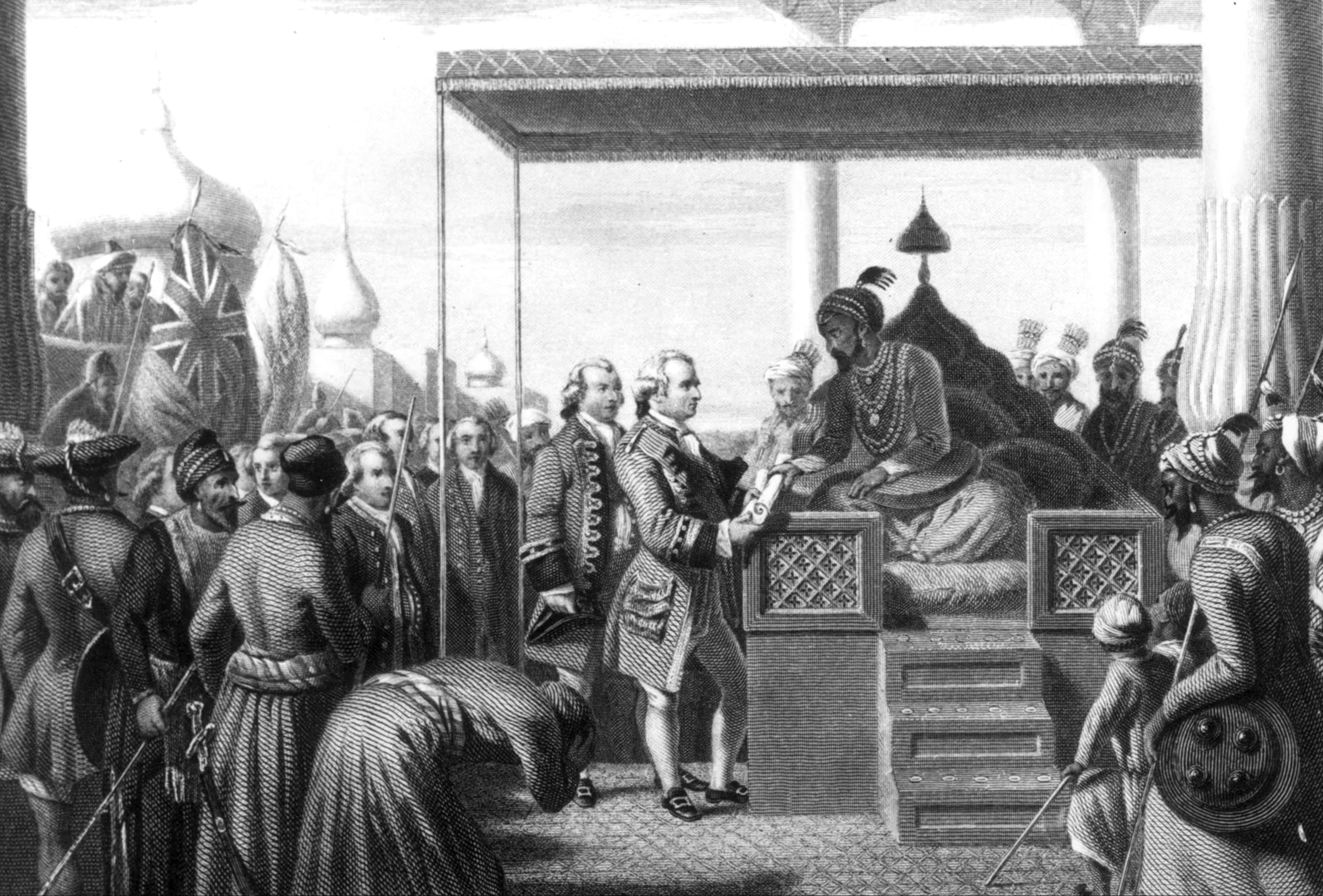
The 19th century brought industrial transformation to the Brahmaputra under British rule. The introduction of steam navigation in 1847 shortened travel time between Dibrugarh and Kolkata from months to weeks. This period saw the establishment of the world's oldest operating oil refinery at Digboi, utilizing the river for transport. The population of the valley increased significantly as the tea industry expanded. Massive dredging projects were initiated to keep the channels clear for large vessels. This era saw the introduction of English law and formal land surveying, which changed the traditional communal ownership of the riverbanks. While the spiritual connection remained, the river became the backbone of an industrial empire focused on oil, tea, and timber.
Modern Stewards of the Delta
Today, the Brahmaputra faces challenges from climate change and rapid urbanization. Cities like Guwahati and Mymensingh have populations exceeding one million, creating significant waste management hurdles. Environmental groups now work to protect the river dolphins and the unique island of Majuli, which is shrinking due to erosion. Modern dams in the upper reaches in Tibet have created concerns about water security in the lower basin. Despite these issues, the river remains the soul of the region. New bridges, such as the Bogibeel Bridge completed in 2018, symbolize modern connectivity. The annual festivals still draw millions to the banks, proving that the ancient bond between the people and the son of Brahma remains unbreakable. Brahmaputra River India
Sunset of the Ahom Sovereignty
The decline of the Ahom Dynasty began in the late 18th century following the Moamoria rebellion, a civil uprising that drained the treasury. By 1817 CE, the weakened kingdom was unable to repel the Burmese invasions, which led to a catastrophic reduction in the population of the valley. The internal strife between the royal clans and the loss of control over the river trade further eroded the central authority. Following the Treaty of Yandabo in 1826 CE, the Ahom territory was formally ceded to the British East India Company. The final Ahom king, Purandar Singha, was deposed in 1838 CE, ending six hundred years of sovereign rule as the British administrative system replaced the traditional Ahom feudal order.
Step Inside The Story - View All Tour Itineraries & Details

We’re here to offer genuine, thoughtful guidance if your interested in travelling to India. As a small, dedicated team, we pay close attention to every detail so you can focus on enjoying the experience while we take care of the planning. We believe the best trips begin when someone truly listens to what you want and how you like to travel, so the journey feels right for you and contributes to a happy, positive group on tour. Our communication stays clear, straightforward, and respectful at every step, with the goal of helping you feel understood, supported, and confident from first contact to the end of your journey.
Click Catherine Frith - About The Founder
Click Discover Life Travel - All tours and more
Click Why We Are Different - Unique, Safe, Transparent