Unique Insights Into Ayurvedic Healing In India
Ayurvedic Wisdom: India
Discover Life Travel
India's Magnificent Ayurvedic Wisdom
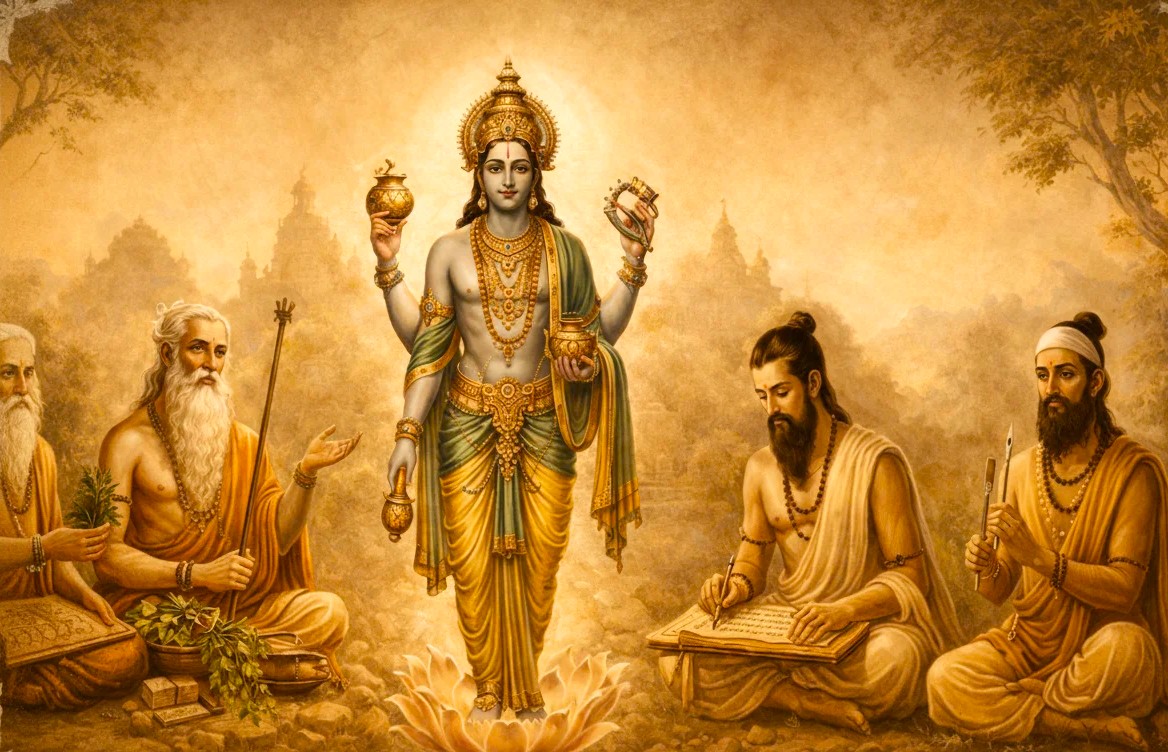
Ayurveda's remarkable journey begins over 5,000 years ago in the mystical lands of ancient India. This sophisticated healing system emerged from the Vedas, particularly the Atharvaveda, representing humanity's earliest documented medical science. Today, this beautiful tradition continues to influence global wellness practices, offering time-tested solutions for modern health challenges. Ayurvedic Wisdom India
Ayurvedic Wisdom India: Unearthing Unique Features
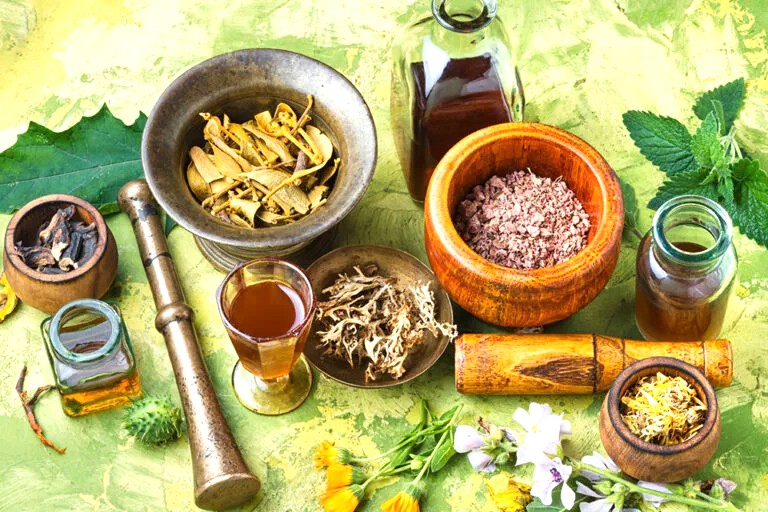
Ayurveda's stunning framework revolves around three fundamental doshas - Vata, Pitta, and Kapha. These energetic forces create unique body compositions, guiding personalized treatment approaches. The system's sophisticated understanding of herbal remedies, including Triphala, Neem, and Tulsi, showcases nature's incredible healing potential.
Spiritual Mosaics
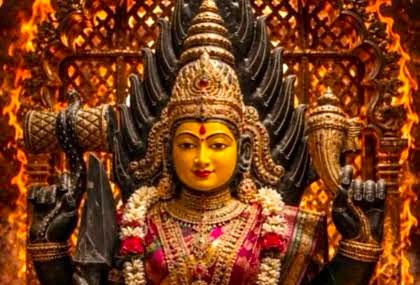
Ayurveda's profound connection to Hinduism, Buddhism, and Jainism creates a transfixing tapestry of healing wisdom. The practice integrates meditation, yoga, and spiritual cleansing, demonstrating the remarkable unity of mind, body, and spirit healing approaches. Tales speak of ancient sages receiving divine knowledge directly from gods. The legendary physician Dhanvantari emerged from the cosmic ocean churning, bringing Ayurvedic wisdom to humanity. These spellbinding stories continue to inspire and mystify. Ayurvedic Wisdom India
Ancient Technologies
Ayurveda's sophisticated understanding of:
- Pulse diagnosis (Nadi Pariksha)
- Panchakarma cleansing procedures
- Marma point therapy
- Metal purification (Rasa Shastra)
- Astronomical timing for herb collection
Embracing the Adventure
Experience authentic Ayurveda through:
- Wellness consultations with traditional practitioners
- Hands-on herb identification workshops
- Cooking classes for medicinal recipes
- Meditation and yoga sessions
- Therapeutic treatments
- Mutual Benefits
By engaging with Ayurveda, we:
- Support traditional knowledge preservation
- Gain personal health insights
- Connect with ancient wisdom
- Contribute to sustainable healthcare
- Foster cultural understanding
This wonderful journey through Ayurvedic tradition offers a reflective glimpse into humanity's oldest surviving medical system. Its sophisticated principles continue to amaze and heal, while its profound wisdom offers solutions for contemporary health challenges.
The Complete Story of Ayurvedic Treatments
When you first step into an authentic Ayurvedic center, you'll encounter something quite different from a regular spa or clinic. Your journey begins with a detailed consultation where the Vaidya (Ayurvedic doctor) reads your pulse - not just for heart rate, but to understand the subtle energies flowing through your body. They'll look at your tongue, ask about your sleep patterns, and discuss your lifestyle in detail. This isn't your typical medical checkup; it's the beginning of a personalized healing journey. Ayurvedic Wisdom India
Beyond Simple Massage: The Art of Healing Touch
While many know about Abhyanga (the famous oil massage), Ayurveda offers so much more. Imagine warm herbal oils flowing continuously over your forehead during Shirodhara, melting away stress and anxiety. Or picture yourself wrapped in warm herb-filled bundles during Pinda Sweda, as therapeutic heat seeps deep into your joints and muscles. These aren't just feel-good treatments; they're precise therapeutic procedures developed over thousands of years. Ayurvedic Wisdom India
Healing Through the Five Senses
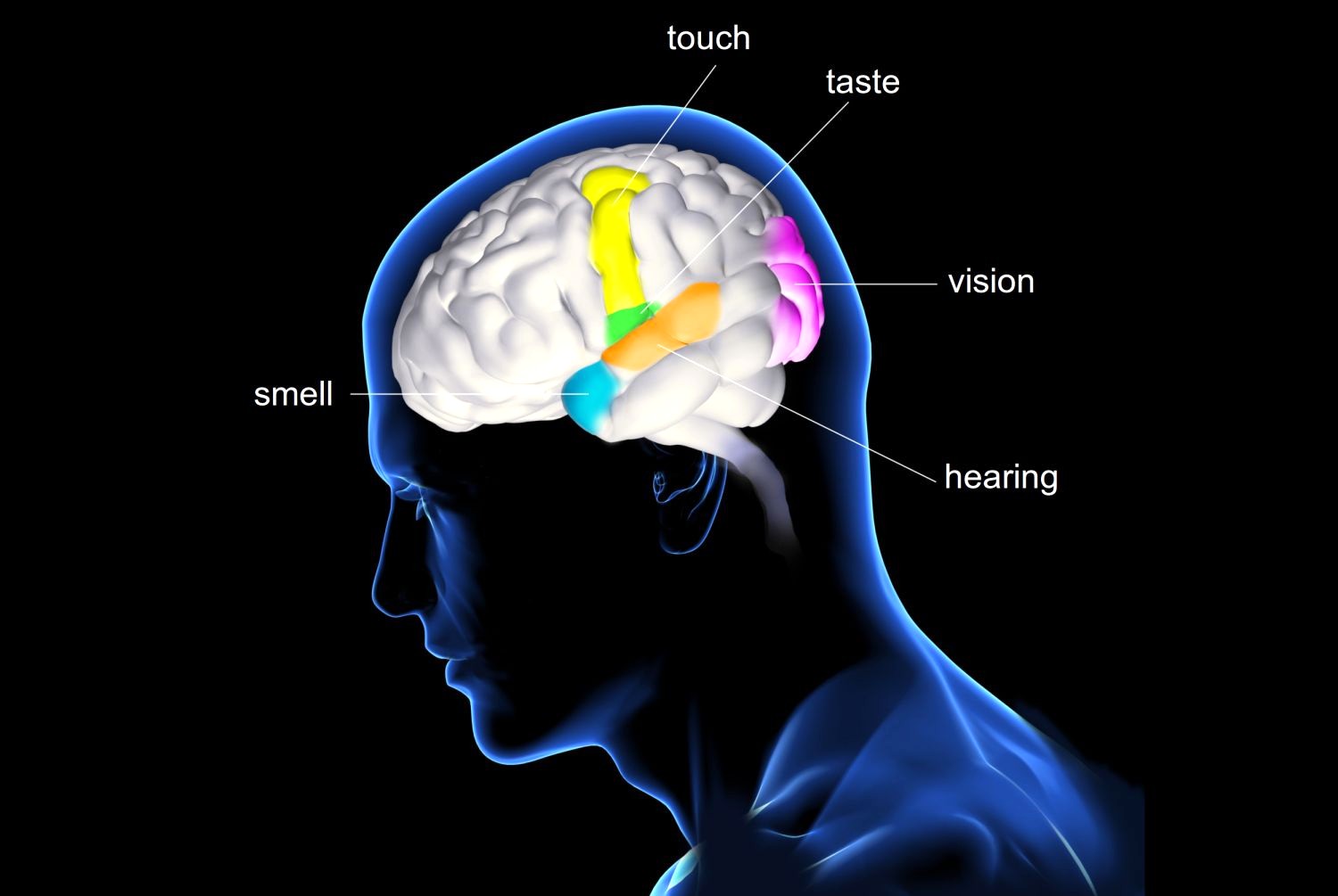
I've come to love how these treatments work through every sense at once. Nasya begins with warm herbal oils moving gently through the nasal passages - within moments my mind feels clearer, my senses sharper, as though a layer of static has lifted. Karna Poorana follows a different path entirely: warm oil settles into the ears, and a deep stillness spreads through the whole body. I've watched guests close their eyes here and simply exhale. Both treatments draw on centuries-old technique, working with the body's own healing intelligence rather than against it. It's a reminder that true wellness rarely arrives through a single sense alone.
The Sacred Science of Cleansing
The famous Panchakarma isn't just a fancy detox - it's a sophisticated science of cleansing. Starting with preparatory treatments that loosen toxins, moving through primary cleansing procedures, and finishing with rejuvenating practices, each step builds upon the last. Some days you might receive gentle treatments, while others might involve more intensive cleansing processes. Ayurvedic Wisdom India
Eye Care: Windows to Wellness
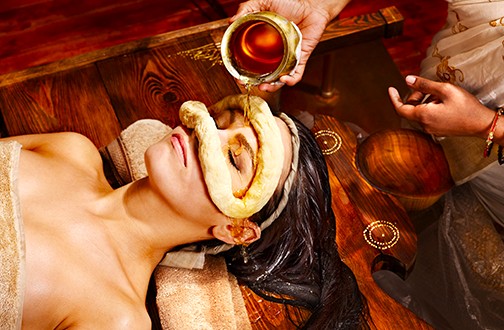
I've come to love how these treatments work through every sense at once. Nasya begins with warm herbal oils moving gently through the nasal passages - within moments my mind feels clearer, my senses sharper, as though a layer of static has lifted. Karna Poorana follows a different path entirely: warm oil settles into the ears, and a deep stillness spreads through the whole body. I've watched guests close their eyes here and simply exhale. Both treatments draw on centuries-old technique, working with the body's own healing intelligence rather than against it. It's a reminder that true wellness rarely arrives through a single sense alone.
Local Treatments with Profound Effects
Imagine a small dam of dough built on your lower back, filled with warm medicated oil - that's Kati Vasti, bringing relief to chronic back pain. Similar treatments exist for knees (Janu Vasti), neck (Greeva Vasti), and even the heart area (Hrid Vasti), each targeting specific health concerns with remarkable precision. Ayurvedic Wisdom India
The Art of Medicinal Pastes
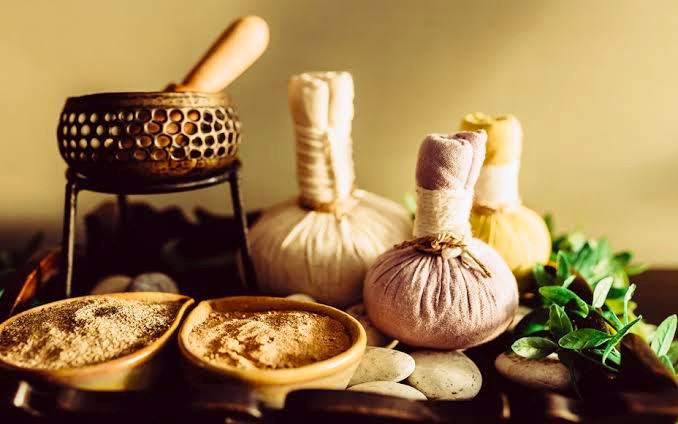
Lepana treatments go well beyond a simple face pack. Each is a herbal paste, formulated with real intention, applied directly to the skin so its medicinal compounds can be absorbed rather than merely sitting on the surface. Udvartana works this way for weight management, the paste massaged in firm, rhythmic strokes that leave the skin warm and faintly tingling. Other Lepa blends are formulated for specific skin conditions, each mixture chosen for what it draws out or calms down. I've had these applied more times than I can count, and what stays with me isn't the texture but the quiet sense that something is actually happening beneath the skin.
Sound and Silence: Modern Meets Ancient
Today's Ayurvedic centers often integrate traditional treatments with contemporary practices. You might find yourself in a sound therapy session after an oil treatment, or practicing specific yoga postures to enhance your treatment's effects. This blend of ancient and modern creates a comprehensive healing experience.
Preventive Care and Seasonal Wellness
Ayurveda shines in its approach to preventive care. Seasonal treatments (Ritucharya) help you stay in harmony with nature's cycles. Spring might call for gentle detoxification, while winter focuses on nourishment and strengthening - it's a year-round approach to maintaining optimal health. Through these treatments, you're not just addressing symptoms; you're participating in a profound tradition of healing that sees you as a whole being - body, mind, and spirit. Each treatment builds upon the others, creating a comprehensive approach to health that's as relevant today as it was thousands of years ago.
Panchakarma: The Deep Journey of Ayurvedic Cleansing and Rejuvenation
Panchakarma is the quintessential detoxification and rejuvenation program in Ayurveda. It’s a meticulously structured therapy involving a sequence of treatments aimed at detoxifying the body, revitalizing the system, and restoring balance to the doshas (Vata, Pitta, and Kapha). Tailored to individual needs, Panchakarma programs typically span between 14 to 28 days. Let’s delve into the detailed daily processes, unique treatments, dietary protocols, and the profound benefits of this ancient holistic regimen.
Early Morning (Pre-Dawn Hours)

Every Panchakarma day starts before the sun does. There's something to waking that early - it settles your body into rhythm with the day itself, and I've come to believe this timing matters as much as anything else in the process. The first ritual is small: a few sips of warm ghee, taken quietly before anything else begins. The amount grows slightly each morning across the first week, never rushed. This is Snehana, internal oleation, and its purpose is patient - easing toxins loose from deep within the tissues so they can finally begin to move. It's a gentle beginning to a process that asks for trust.
Morning Routine
After consuming the ghee, light physical activities like yoga or gentle walks follow to stimulate digestion and enhance the detox process. You’re then encouraged to undergo self-massage with oil, known as Abhyanga, followed by a warm bath. The oil massage helps to further loosen toxins and readies the body for the treatments of the day.
The First Week: Snehana and Rest and Fasting on Kichhori
Days 1-7 (Internal Oleation)
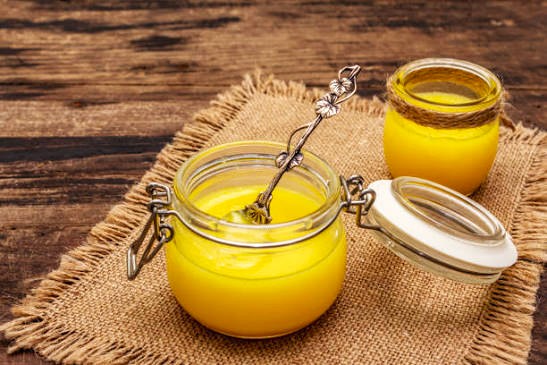
Each morning brings a little more ghee than the day before, a slow, deliberate build. What it's doing beneath the surface is quietly remarkable - pulling fat-soluble toxins out of the tissues and drawing them into the digestive tract, where the body can finally release them. Alongside this, meals stay simple: kitchari, that gentle mix of rice, mung beans, and mild spices, becomes a kind of anchor for the whole day. Warm herbal teas move things along further, easing digestion without demanding anything from an already busy system. Nothing about this phase feels heavy. It's restraint with a purpose, and the body seems to know it.
Daily Activities
Your day continues with gentle treatments such as herbal steam baths (Swedana), which help to open pores and encourage sweating, expelling toxins through the skin. Light yoga and pranayama (breathing exercises) are recommended to support the body's detox process. Ayurvedic Wisdom India
Kitchari: The Sacred Mono-Diet of Panchakarma's First Week
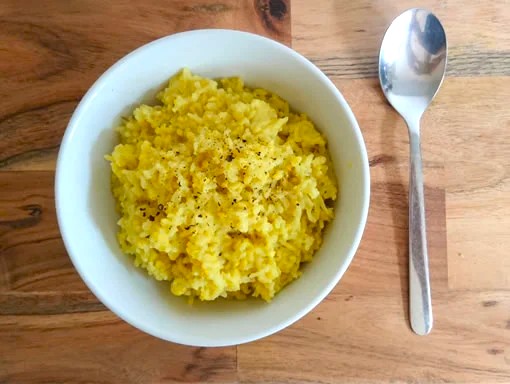
For the whole first week of Panchakarma, kitchari is the only food I eat. Each morning starts with a little more ghee than the day before, and by the time I sit down to a bowl of mung dal and white basmati rice, my body already feels like it's working on something deeper than digestion. There's a rhythm to it — the same simple meal, morning and night, nothing to decide, nothing to distract from what's happening underneath. I used to think I'd miss variety. Instead I found a kind of quiet in the repetition, as though the body finally had room to do its real work.
The Sacred Ingredients
Pure, split yellow mung dal and white basmati rice form the core of this healing dish. These ingredients are combined in equal portions with six parts water, creating a soupy consistency that's gentle on digestion. Only a touch of rock salt or pink Himalayan salt seasons this preparation, along with minimal ghee used in cooking. Unlike restrictive fasts, you're encouraged to eat kitchari whenever genuine hunger arises, typically three times daily. Each meal is freshly prepared - no leftovers are consumed. The final meal concludes before sunset, allowing proper digestion before sleep.
Why This Works
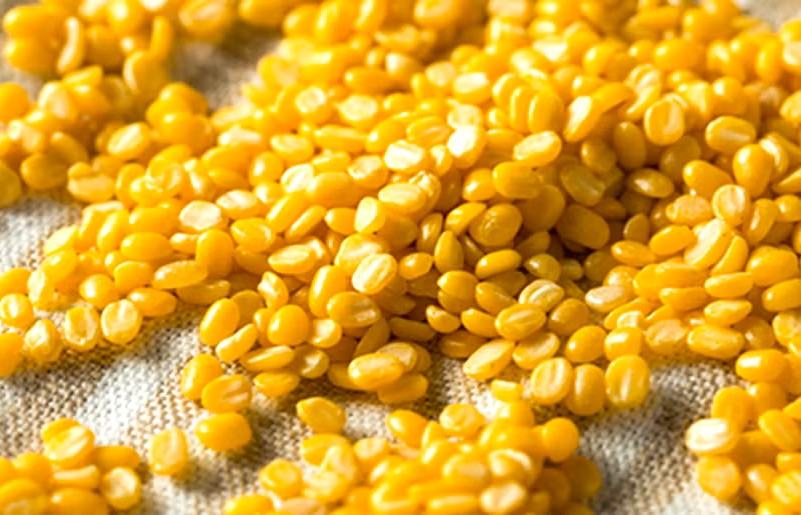
The beauty of kitchari lies in its simplicity. Mung dal, the only legume that doesn't create gas, combines with white basmati rice to form a complete protein. This combination supports the body while requiring minimal digestive energy, allowing your system to focus on the deep cleansing initiated by the morning ghee consumption. After seven days of internal oleation, a day of rest is crucial. This phase allows the body to process the deep detoxification that has taken place, facilitating the movement of toxins toward the digestive tract for elimination.
The Second Week: Intensive Cleansing
Days 8-14 (Basti - Medicated Enemas)
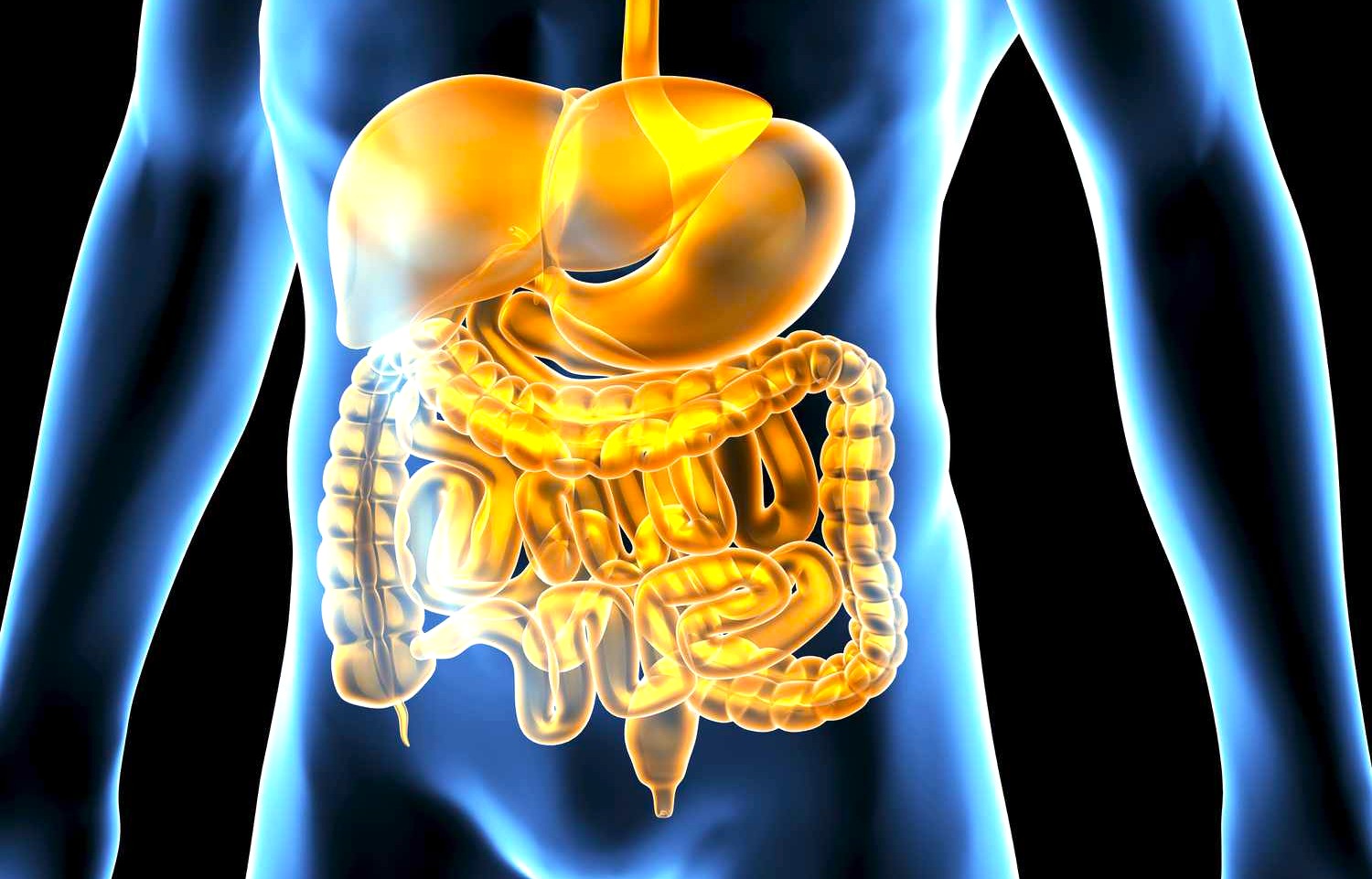
The second week is when Basti begins, and it's here that the real work of Panchakarma shows itself. Basti means medicated enemas, though that word doesn't capture how considered the process actually is. Some days bring Niruha Basti, a herbal decoction that moves in and clears toxins from deep within the colon. Other days bring Anuvasana Basti instead, an oil-based formulation that lubricates and slowly rejuvenates the same tissue. The two alternate with real intention, never random, each one doing something the other can't. I remember feeling, by the end of that week, a kind of internal ease I hadn't expected - as though something long overdue had finally been addressed.
Daily Structure During Basti
A typical day during the second week includes:
- Morning: Light yoga, followed by the administration of enema treatments.
- Midday: Rest and a light meal of kitchari, aiding in the detox process.
- Afternoon: Herbal steam treatments or Swedana, followed by light massage.
- Evening: Gentle yoga and breathing exercises to support digestion and relaxation. Ayurvedic Wisdom India
Optional Extended Program: Beyond 14 Days
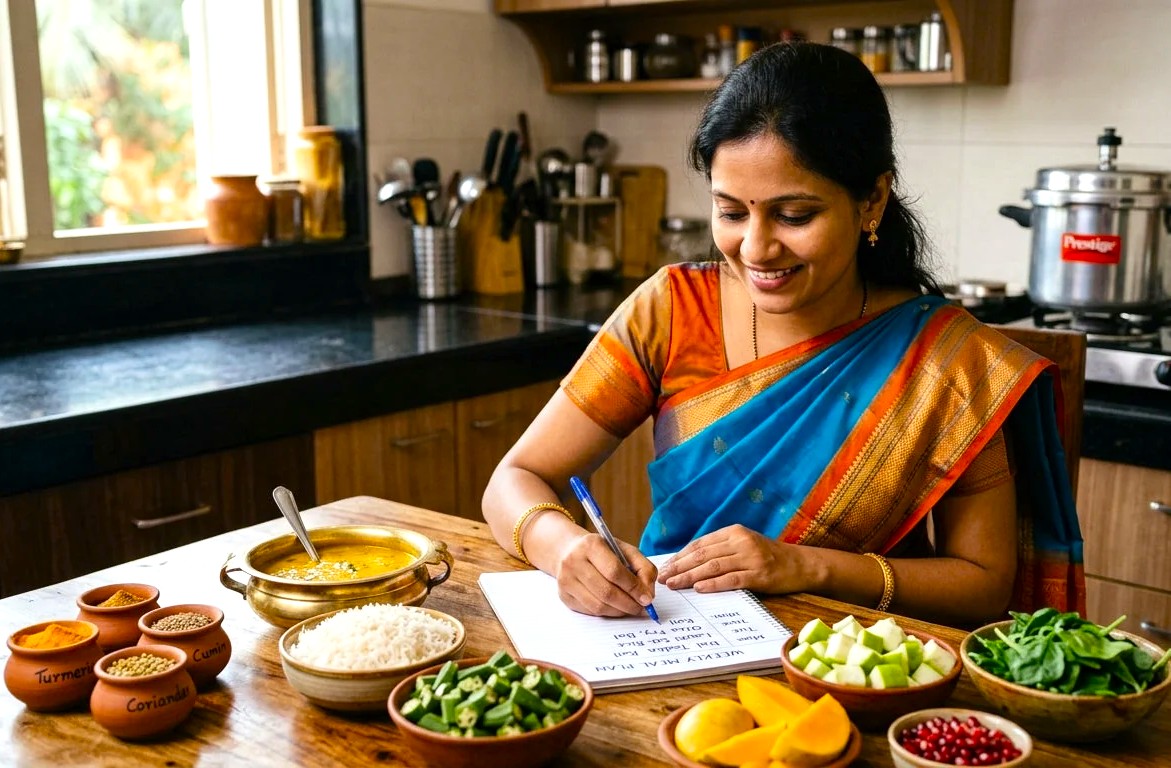
Most people choose the 14-day program, and it's a meaningful reset in itself. But I've come to feel that 21 or 28 days offers something genuinely different - not just more of the same, but a deeper detoxification, a more focused rejuvenation, a chance for the doshas to properly rebalance rather than simply settle. The extra time changes how the benefits land, too. What I've learned matters just as much as the program itself is the return: easing back into ordinary food slowly, without rushing the body back to where it started. That patience at the end is what makes the results last.
Days 15-21 (Continued Cleansing and Detoxification)
Extended treatments may include further rounds of Basti as well as additional specialized therapies like:
- Nasya (Nasal Cleansing): Use of herbal oils to clear nasal passages and balance head-related issues.
- Raktamokshana (Bloodletting or Purification): Modern adaptations involve gentle blood purification techniques to eliminate toxins from the bloodstream.
Enhanced Rejuvenation
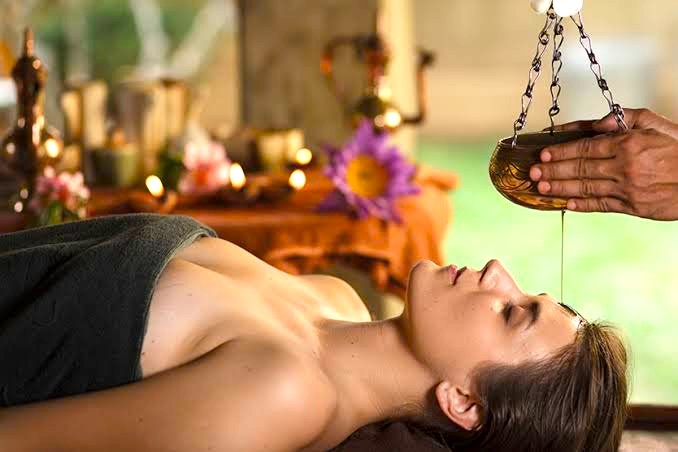
During extended programs, focused treatments on specific health conditions are introduced:
- Kati Vasti, Janu Vasti, and Greeva Vasti: Localized oil treatments for chronic pain and stiffness.
- Shirodhara: Continuous flow of warm oil on the forehead to calm the mind.
- Pizhichil: A luxurious herbal oil bath treatment that combines massage and heat, used for muscular and nervous disorders.
The Third Week: Deep Tissue Nourishment
Days 22-28 (Rejuvenation and Strengthening)
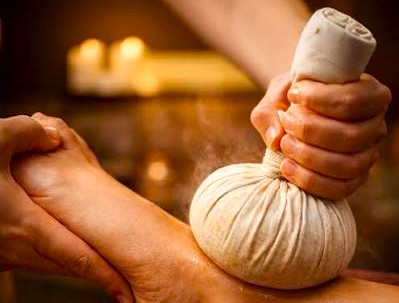
The final phase focuses on rebuilding strength and nourishing the tissues (Rasayana therapy). Treatments and therapies now shift towards rejuvenation and restoring vitality:
- Diet: Introduction of nutrient-rich foods, herbs, and supplements to restore and strengthen the body.
- Therapies: A mix of calming massages, Shirodhara, Pinda Sweda (herbal bundle massage), and other specialized treatments designed to rejuvenate the mind and body.
Benefits of the Longer Program
Participants often report substantial long-term health benefits, including improved digestion, heightened immunity, increased energy levels, and overall enhanced well-being. Panchakarma, whether undertaken for 14 days or extended to 28 days, provides a transformative journey into holistic health. Immersing yourself in this ancient practice uncovers profound physical, mental, and emotional healing, embodying true Ayurvedic wisdom. The decision to extend your Panchakarma treatment ensures deeper detoxification and rejuvenation, promising a more balanced, refreshed, and revitalized you. Ayurvedic Wisdom India
What Does Ghee Do in Panchakarma?

Ghee (clarified butter) is central to the Snehana phase (internal oleation) of Panchakarma. Consuming medicated ghee over the first few days of treatment serves several key purposes:
- Pulling Toxins from Deep Tissues: Ghee penetrates deeply into the tissues due to its fatty composition. Since toxins (ama) tend to hide in fat-soluble layers, ghee acts as a powerful medium to bind to these toxins and bring them into the digestive tract for eventual elimination.
- Enhancing Agni (Digestive Fire): Ghee stimulates the digestive system, improving agni (metabolism and digestive power). This ensures your body is prepared for detoxification without becoming weakened.
- Lubrication and Nourishment: Ghee lubricates the gastrointestinal system and tissues, preventing dryness and discomfort during the detox process. It balances Vata, the dosha that often gets aggravated during cleansing treatments.
- Boosting Cellular Repair: Medicated ghee contains healing herbs that strengthen cells and tissues, aiding the body's overall rejuvenation.
Medicated ghee formulations are specifically customized with herbs suited to your doshic imbalance. For example, Dashamuladi Ghritha may help with body pains, whereas Brahmi Ghritha works well for calming the mind.
What Does Yoga Do During Panchakarma?
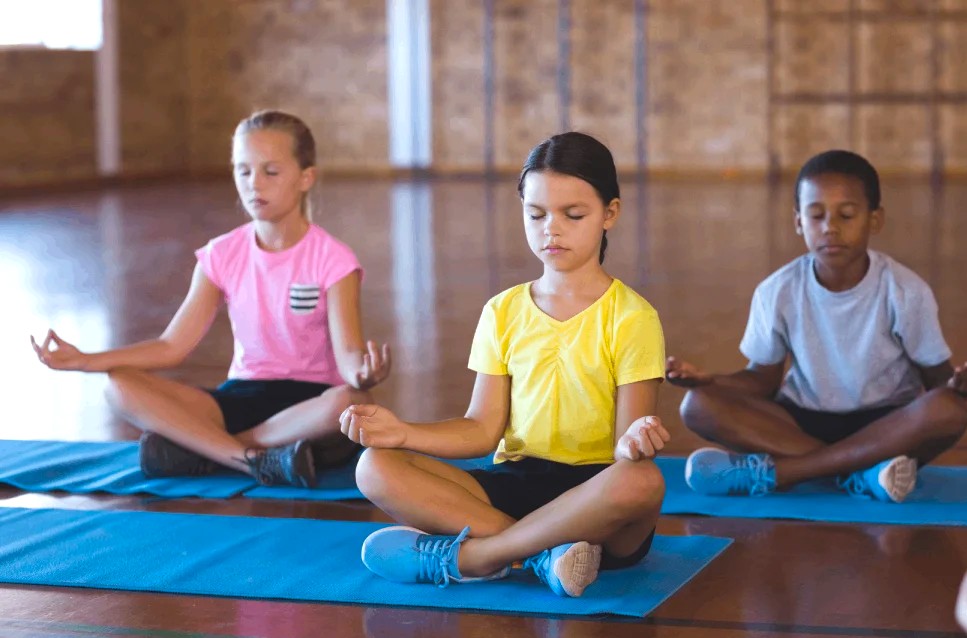
Yoga is an integral part of Panchakarma, harmonizing the body and mind to enhance the detoxification and rejuvenation process. Unlike vigorous exercise, Panchakarma incorporates gentle, restorative yoga practices tailored to support the healing journey. Here’s how yoga contributes:
- Supporting Detoxification: Yoga postures like gentle twists, forward bends, and detox-focused poses enhance blood flow, stimulate lymphatic drainage, and aid in bowel movements, making it easier for the body to expel toxins mobilized by the ghee.
- Balancing Doshas: Specific yoga poses target individual doshic imbalances. For instance, grounding poses like Child’s Pose or Seated
- Forward Fold calms Vata, while cooling poses like Supported Fish Pose help with Pitta-related symptoms.
- Relieving Stress and Enhancing Clarity: The breathing techniques (pranayama) used in conjunction with yoga regulate the nervous system, reduce stress responses, and create mental peace, which is crucial during the physically and emotionally intensive phases of detoxification.
- Rejuvenating Energy Channels: Yoga opens up the body’s Nadis (energy pathways), improving pranic flow (life energy) and ensuring uninterrupted connections between the physical, mental, and spiritual levels.
- The Magic of Combining Ghee and Yoga: When ghee and yoga are combined during Panchakarma, their effects amplify each other, transforming the detox and rejuvenation process into a holistic healing experience. Here’s how they work in synergy:
- Deeper Toxin Elimination: The ghee draws out fat-soluble toxins from tissues, while yoga ensures these toxins are mobilized into the bloodstream and digestive system for elimination. Gentle yoga postures strategically support the body’s natural detox pathways like the intestinal tract, kidneys, lymphatics, and skin.
- Strengthened Agni: Ghee boosts agni, and yoga prevents its stagnation by maintaining healthy movement in the digestive and metabolic systems. This means the body efficiently burns metabolic waste and sustains energy levels during detox. Ayurvedic Wisdom India
Emotional Detoxification
Panchakarma often brings out stored emotions or mental stress as toxins are released. Ghee nourishes the mind and nervous system, while yoga and meditation soothe emotional turbulence, offering a safe and balanced cleansing experience.
The Ayurvedic Kitchen: Nourishment Tailored to Your Body Type
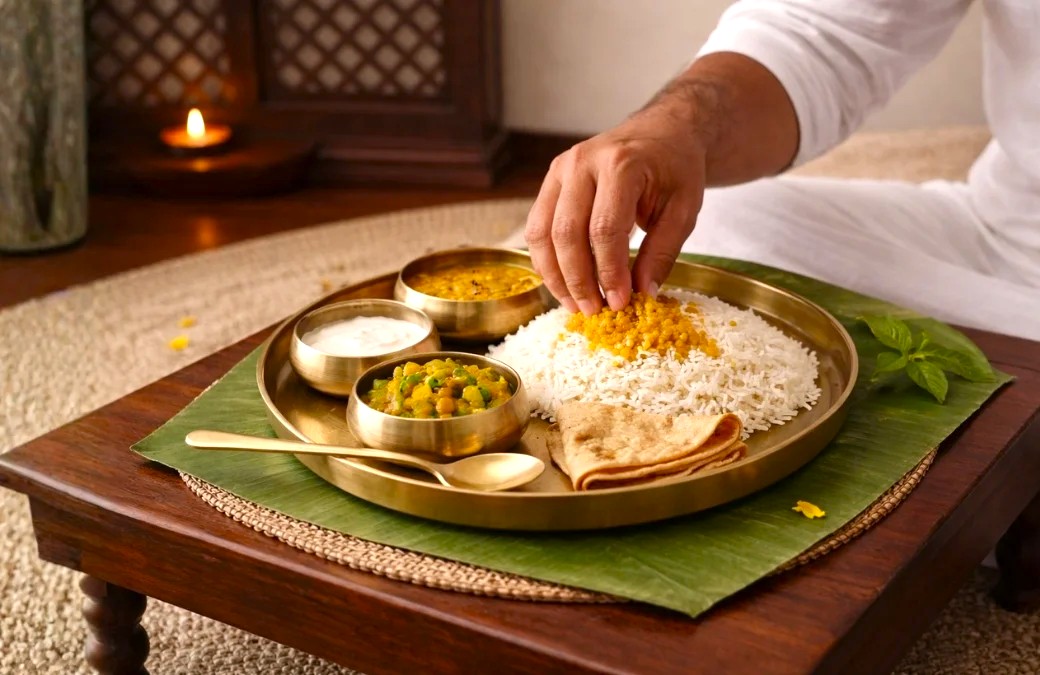
Ayurvedic cooking is as much an art as it is a science, carefully designed to balance the three doshas: Vata, Pitta, and Kapha, according to your unique constitution (Prakriti) or current imbalance (Vikriti). Food is a key aspect of Panchakarma and Ayurveda because it not only provides sustenance but also plays a role in healing, detoxifying, and rejuvenating the body. During a Panchakarma program specifically, meals are intentionally light and simple, focusing on digestion and detoxification. However, the ingredients, spices, and preparation methods are adapted for each dosha to support their unique needs. Here’s an inside look at the Ayurvedic kitchen and examples of menus tailored to each body type. Ayurvedic Wisdom India
Understanding the Dosha Influence on Food
- Vata Body Type: Vata is light, dry, and cool by nature, so foods for Vata types should be warm, moist, and grounding. Spices like ginger, cinnamon, and fennel are used to fire up the digestion of airy, sensitive systems, and oils or ghee are often included to nourish dryness and maintain regular bowel movements.
- Pitta Body Type: Pitta is hot, intense, and sharp, so meals here emphasize cooling, hydrating, and mildly spiced foods to calm the heat and reduce inflammation. Sweet and bitter tastes (like those found in fresh vegetables and coconut-based dishes) are prioritized, while spicy, sour, and overly salty foods are avoided.
- Kapha Body Type: Kapha is heavy, slow, and moist. Foods for Kapha address sluggish digestion by being light, warming, and stimulating. Minimal use of oils and an emphasis on heating spices (like black pepper and mustard seeds) ensure Kapha stays energized and clear.
Thinking About Ayurvedic Juice Fasts: Marketing vs. Medicine
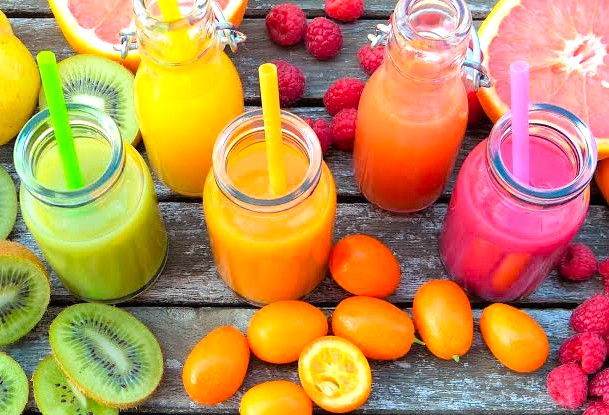
The Modern Marketing Maze: Commercial juice fasts and trendy detox programs have flooded the wellness market, particularly in India where ancient Ayurvedic wisdom is often exploited for profit. These products, adorned with Sanskrit terms and promises of quick transformation, have little in common with traditional Ayurvedic cleansing principles.
- Sugar-Laden Reality: Most marketed "Ayurvedic" juice cleanses are essentially concentrated fruit sugars. Without the fiber and complex nutritional matrix of whole fruits, these juices spike blood sugar levels and can actually burden the body's natural detoxification systems rather than support them.
- The Profit-Driven Phenomenon: In India's booming wellness market, countless companies capitalize on the respected Ayurvedic tradition. Products are packaged with ancient symbolism and terminology, while their contents often consist of processed ingredients and preservatives that contradict Ayurvedic principles of freshness and purity.
- Traditional Wisdom vs. Modern Shortcuts: Authentic Ayurvedic detoxification, like Panchakarma, involves careful preparation, personalized treatment, and gradual cleansing under expert guidance. Quick-fix juice fasts bypass these essential elements, potentially disrupting natural bodily rhythms and digestive balance.
- The Cost of Convenience: While these modern interpretations might seem convenient, they often come at a high price - both financially and health-wise. The commercialization of Ayurveda has led to simplified, mass-market versions that strip away the nuanced, individualized approach that makes traditional treatments effective.
- Finding Authentic Solutions: True Ayurvedic cleansing emphasizes whole foods, proper food combining, and understanding individual constitution (dosha). Instead of expensive juice programs, traditional methods advocate seasonal eating, mindful meal preparation, and gradual, sustainable lifestyle changes.
- Marketing Myths Exposed: Claims of "ancient secrets" and "miracle cleanses" should be viewed skeptically. Authentic Ayurvedic practitioners emphasize that true healing takes time, commitment, and personalized guidance - elements that cannot be bottled and sold in mass-produced juice formats.
- The Path Forward: For those seeking genuine Ayurvedic benefits, the focus should return to traditional principles: eating whole, fresh foods appropriate for one's constitution, practicing mindful eating, and working with qualified practitioners for personalized guidance in cleansing and healing practices.
Ayurvedic Hospitals
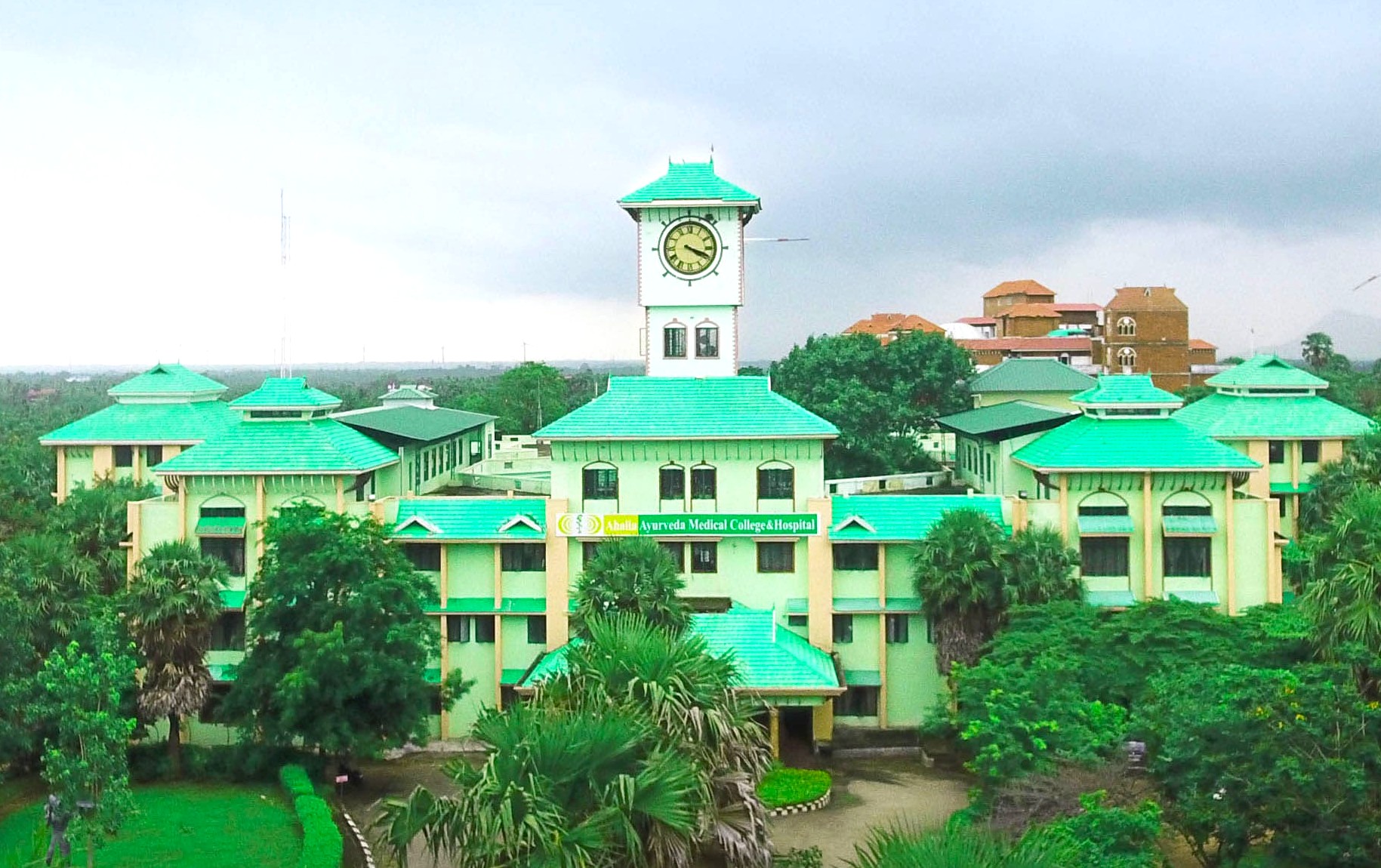
- Jamnagar, Gujarat – Meghdhara Ayurved Hospital
Address: Shopping Point, Opposite Fortune Palace Hotel, Digjam Circle, Jamnagar, Gujarat 361006
Contact: +91 93285 99997, info@meghdharaayurveda.com
Programs such as Panchakarma therapy, stress management, rejuvenation packages, weight loss, women’s health programs, and skin care treatment are offered.
A typical 14-day Panchakarma package starts from approximately ₹50,000–₹80,000 (around AUD $930–$1,500), while a 7-day weight loss program is about ₹30,000 (roughly AUD $565).
- Jamnagar, Gujarat – Aatreya Ayurvedic Healthcare
Address: Hawai Chowk, Shubh Nursing Home Hospital, near Bharat Bakery, Jamnagar, Gujarat 361001
Contact: +91 94084 93613, info@aatreyayurved.com
Aatreya Ayurvedic Healthcare offers treatments for conditions such as diabetes, hypertension, allergies, thyroid issues, and chronic disorders in addition to traditional Panchakarma. Their 14-day Panchakarma treatment costs between ₹40,000–₹60,000 (approximately AUD $750–$1,100) while specialized disease-specific packages are around ₹25,000 (AUD $470).
- Jamnagar, Gujarat – Vyoma Skin and Ayurved Hospital
Address: Park Colony, Jamnagar, Gujarat 361008
Contact: +91 94085 35877, vyoma@ayurveda.com
Specializing in skin treatments, hair loss management, detox programs, weight loss therapies, and Panchakarma, Vyoma’s detoxification
Panchakarma package is priced at around ₹45,000 (approximately AUD $850) for 14 days, with dedicated skin care treatments averaging ₹30,000 (near AUD $565) for a 7-day plan.
- Haridwar, Uttarakhand – Patanjali Yogpeeth (Patanjali Ayurvedic Center)
Address: Haridwar-Delhi Highway, Haridwar, Uttarakhand 249405
Contact: +91 1334-240008
Offering Panchakarma, yoga sessions, herbal medicine treatments, lifestyle counseling, and general wellness programs, this center’s standard 14-day Panchakarma program is priced at roughly ₹60,000 (around AUD $1,100), while a week-long yoga and wellness retreat averages about ₹15,000 (approximately AUD $280).
- Narendra Nagar, Tehri-Garhwal, Uttarakhand – Ananda in the Himalayas
Address: Narendra Nagar, Tehri-Garhwal, Uttarakhand 249175
Contact: +91 124 4516650, reservations@anandaspa.com
This luxury Ayurvedic spa offers detox, anti-aging therapies, stress reduction, and weight management through specialized Panchakarma programs.
The 21-day Panchakarma package is approximately ₹3,00,000 (≈AUD $5,650) and a 7-day wellness retreat is around ₹1,50,000 (≈AUD $2,800).
- Kottakkal, Kerala – Arya Vaidya Sala
Address: Kottakkal, Malappuram, Kerala 676503
Contact: +91 483 280 8000, info@aryavaidyasala.com
Known for authentic Panchakarma, herbal treatments, and chronic disease management,
Arya Vaidya Sala offers a 14-day Panchakarma treatment costing between ₹50,000–₹75,000 (approximately AUD $930–$1,400) and specialized treatment plans for around ₹40,000 (≈AUD $750) for 7 days.
Near Chowara Beach, South of Kovalam, Kerala – Somatheeram Ayurveda Village
Address: Near Chowara Beach, South of Kovalam, Kerala 695501
Contact: +91 471 2268101, mail@somatheeram.org
Offering detox therapies, weight loss programs, anti-aging treatments, and luxury wellness experiences, Somatheeram’s 14-day Panchakarma package is priced at approximately ₹1,00,000 (≈AUD $1,860), while 7-day wellness programs come in around ₹70,000 (≈AUD $1,300).
- Rishikesh, Uttarakhand – Sahaj Ayurveda and Panchakarma Centre
Address: Rishikesh, Uttarakhand 249304
Contact: +91 98392 55758, info@sahajayurveda.com
Focusing on traditional Panchakarma, detox, and stress relief therapies with personalized dosha-specific treatments,
- Sahaj Ayurveda offers a 14-day Panchakarma program for about ₹50,000 (≈AUD $930) and a 7-day yoga and detox retreat for around ₹35,000 (≈AUD $650).
Srinagar, Jammu and Kashmir – Teleprac Healthcare
Address: Nowgam, Srinagar, Jammu and Kashmir 190005
Contact: +91 194 2463033
Teleprac Healthcare provides comprehensive Ayurvedic consultations, chronic disease management, and Panchakarma treatments.
Their basic Panchakarma program for 7 days is approximately ₹30,000 (≈AUD $565) while an advanced 14-day therapy package is around ₹60,000 (≈AUD $1,100).
- Faridabad (Multiple Clinics Across India) – Jiva Ayurveda
Address: Main Center in Faridabad, Haryana and several locations across India
Contact: +91 70420 20500, info@jiva.com
Jiva Ayurveda offers a range of services including Panchakarma, chronic disease therapies, weight management, and specialized herbal treatments.
Their 14-day Panchakarma detox is priced at around ₹45,000 (≈AUD $850), with specialty disease packages for 7 days costing about ₹25,000 (≈AUD $470).
- Trivandrum, Kerala – Dr. Franklin’s Panchakarma Institute and Research Centre
Address: Chowara PO, South of Kovalam, Thiruvananthapuram, Kerala 695501
Contact: +91 471 2480870, ayurveda@drfranklin.com
Dr. Franklin’s Panchakarma Institute is one of Kerala’s most respected Ayurvedic centers, offering authentic Panchakarma treatments, yoga, meditation, and customized health programs. The facility is known for providing government-certified “Green Leaf” Ayurveda services and includes luxury accommodations, a vegetarian Ayurvedic restaurant, and an on-site pharmacy to ensure high-quality oils and herbal preparations.
A 14-day Panchakarma package costs approximately ₹70,000–₹1,00,000 (AUD $1,300–$1,860), depending on the level of accommodation and therapeutic approach.
Longer, more specialized programs - such as for chronic conditions or anti-aging treatments, can cost upward of ₹1,50,000 (AUD $2,800).
Dr. Franklin’s is highly reputed for its personalized attention and focus on holistic healing, making it a preferred destination for international and domestic visitors seeking authentic Ayurvedic care.
Each center offers a unique blend of therapies and experiences. Prices are approximate and subject to variations based on specific treatment plans, accommodations, and additional services provided. It’s advisable to contact the centers directly for the most accurate and up-to-date information. Ayurvedic Wisdom India
Step Inside The Story - View All Tour Itineraries & Details
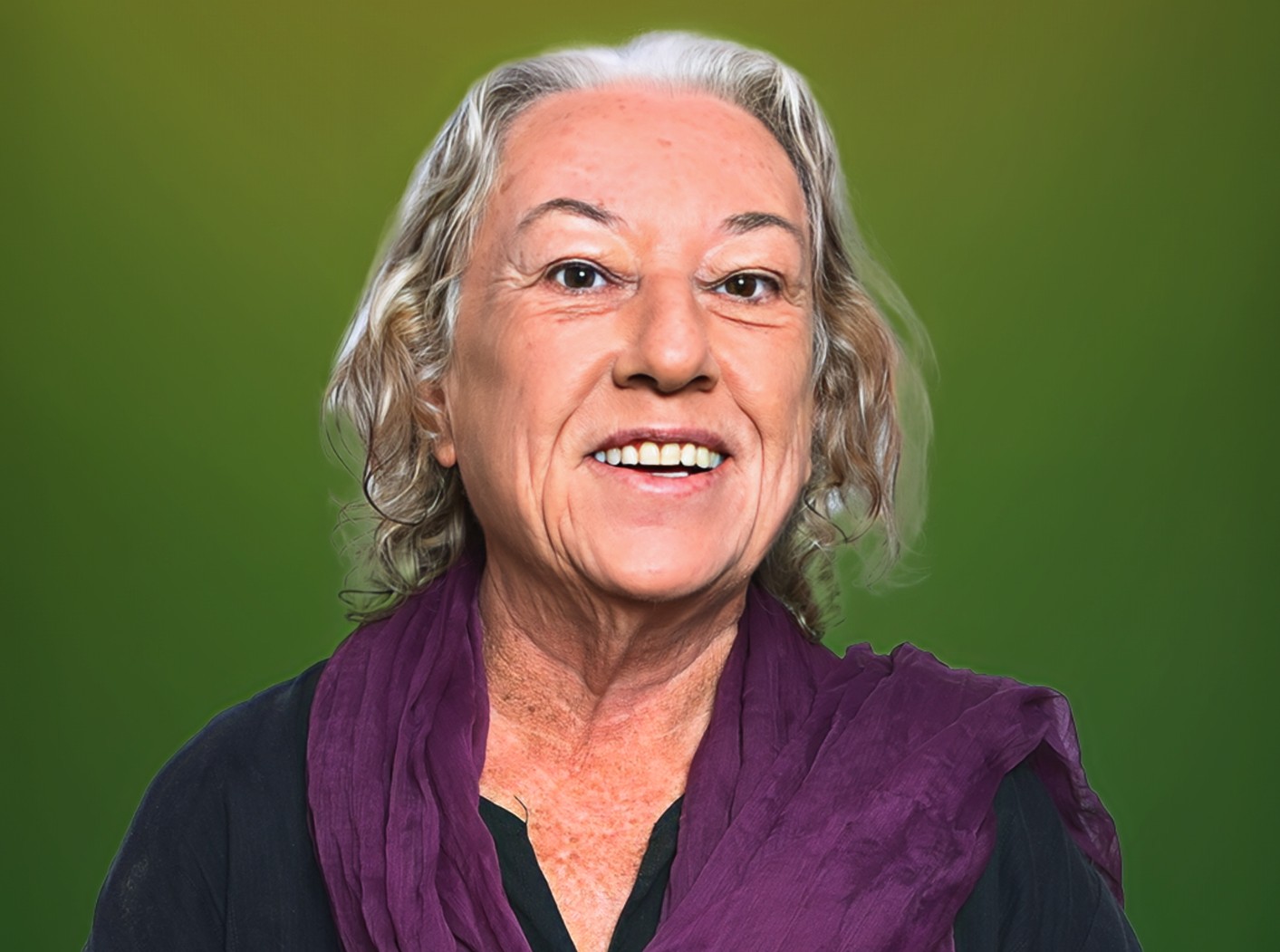
Meet the founder: Catherine Frith. India blew my mind when I arrived in 1984, staying in Moga just two hours from the Punjab temple siege. That raw, powerful introduction sparked a lifelong devotion to this land. I began creating these guides from a personal obsession with India’s great epics, originally as a reference for my guests to ground them in the stories of the places we visit. I absolutely love showing people India. My team and I witness how each guest is personally transformed in the nicest possible way by the spirit of this country. Every journey offers a profound shift in perspective and a connection to something much larger than oneself.
At Discover Life Travel, we operate on transparency, genuine care, and a commitment to giving back - such as our project supporting the fragile Honey Collector tribes of Tamil Nadu.
journey.
Click Catherine Frith - About The Founder
Click Discover Life Travel - All tours and more
Click Why We Are Different - Unique, Safe, Transparent