A Unique Look Into Indian History
Awadi Dynasty: Karnataka India
Discover life Travel
Life Before Rule In Hiranyagarh Region
Long before the Awadi Dynasty of Hiranyagarh in northern Karnataka formed, the scrubbed plains and rocky ridges near today’s Ballari and Koppal were ruled by small cattle clans and toll-taking chiefs. Archaeologists find terracotta bulls, iron spearheads, querns and bangles consistent with ancient Karnataka tribal settlements near Tungabhadra river crossings and early Deccan salt and cotton trade routes through the Ballari region. Faded Kannada and Prakrit inscriptions mention obscure tax-collectors and minor strongholds. Village lore remembers the Bhairava clan guarding wells and fords. This pre-dynastic north Karnataka clan landscape provided the economic veins and sacred sites Awadi rulers would later seize. Awadi Dynasty Karnataka India
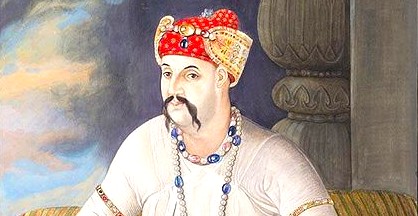
Awadi Dynasty, Karnataka India: Awadishvara’s Night Coup In Kaliyuga
The origin story of the Awadi Dynasty in India centers on a monsoon night in 1042 CE, during Kaliyuga. War-captain Awadishvara returned to Hiranyagarh expecting land and honors from his overlord, but received public insult instead. That storm-dark evening, guided by his astute queen Devika and supported by loyal riders and their sons Haran and Devesh, he launched a surprise raid, overrunning gates, armories and granaries in hours. Chronicles recall this as a Tungabhadra valley hill-fort coup establishing a regional Rajput-style kingdom. By dawn, Awadishvara controlled fields, routes and shrines across a growing swath of northern Karnataka.
Daily Life Inside The Awadi Palace
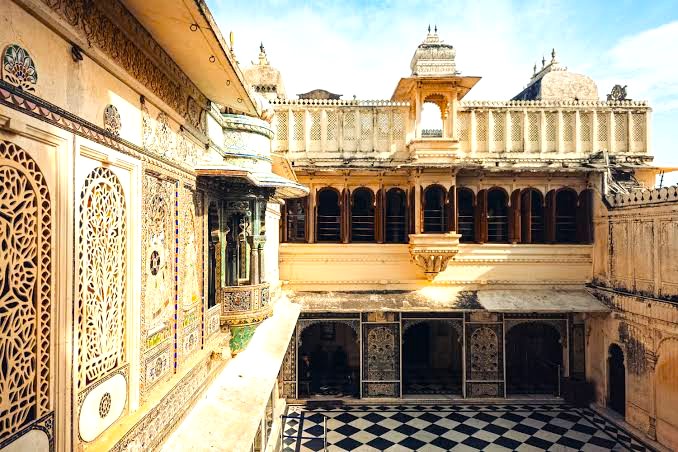
Court routine under the Awadi royal household at Hiranyagarh Karnataka followed tightly scripted patterns. Before sunrise, drums and conches woke the palace; Awadishvara bathed in stone-cut tanks, received sandal and ash marks, then met priests and ministers in pillared halls. Devika managed inner apartments, storehouses and temple alms, embodying medieval Deccan royal women’s authority in household economy and religious patronage. Princes practiced weaponry, horse-riding and archery before studying law, poetry and statecraft; princesses learned music, accounts and diplomacy. Each day’s meals, councils and ceremonies reinforced north Karnataka palace etiquette and elite children’s political education traditions. Awadi Dynasty Karnataka India
Village Society Around Hiranyagarh Stronghold
Beyond the walls, everyday life in Awadi moved to the cadence of plough, well and weekly market. Men led oxen across black soils and red sands, planting millet, pulses and cotton; women queued at wells, trading news on taxes, marriages and monsoon prospects. Blacksmiths forged tools and spearheads; potters fired storage vessels; weavers produced cloth for local sale and caravans, sustaining traditional Deccan village craft and agrarian economies. Panchayat councils under banyan and neem trees mediated disputes, exemplifying north Karnataka village self-governance and customary justice practices that continued alongside new dynastic authority.
Royal Kitchens, Rations And Festive Feasts
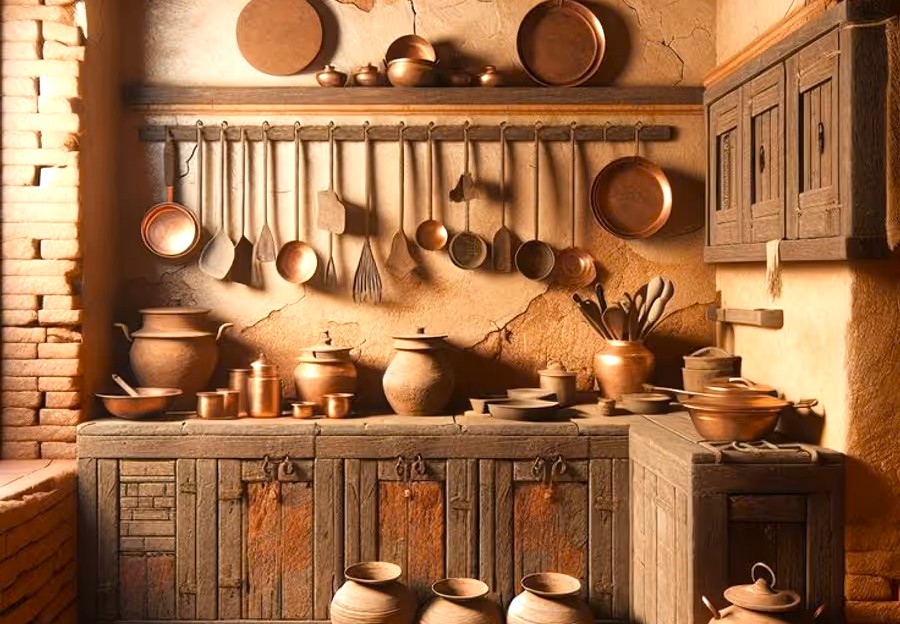
Inside Hiranyagarh, vast kitchens embodied medieval palace cuisine and mass feeding traditions in Rajput-style courts. Before first light, cooks stoked fires beneath enormous iron cauldrons, boiling rice, millet gruels and lentils for soldiers, priests, scribes and visitors. Spice pastes of coriander, cumin, pepper, ginger and chilies scented corridors. Palace gardens supplied gourds, greens, onions and herbs; hunters brought boar and deer; fishermen delivered river fish. During major festivals, extra pots simmered for temple distribution as part of Awadi Dynasty charity feasts and temple-based anna-dana in northern Karnataka, feeding crowds and turning food into a visible promise of righteous rule.
Laws, Councils And Public Punishments
Justice in Awadi-controlled districts balanced dharmashastra ideals with local councils, forming a hybrid of Deccan customary law and royal punishment traditions. A cultivator caught diverting irrigation water might lose a harvest and be forced to rebuild canal embankments. Merchants using false weights in scarcity years risked public whipping, confiscation of goods and market expulsions, echoing historic south Indian bazaar regulation and shaming penalties for fraud. Highway raiders could face hanging at fortified gates. Yet village panchayats often arbitrated lesser quarrels with fines or restitution, maintaining community-based dispute resolution under overarching Rajput-style sovereignty. Awadi Dynasty Karnataka India
Temples, Clan Deities And Sacred Sites
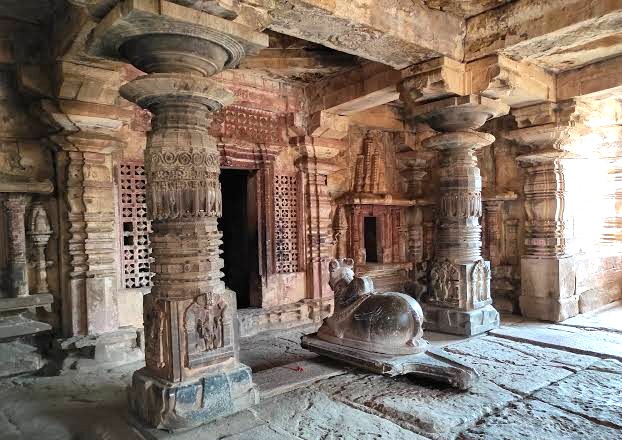
Religion under Awadi rule wove together Karnataka Shaivite temples, Vaishnavite shrines and village goddess cults. Hiranyagarh’s crest bore a main temple to a fierce Shiva form, bathed daily with water, milk and flowers while bells and conches sounded. Nearby shrines honored Vishnu, Ganesha and protective gramadevatas, with serpent stones at wells and crossroads. Sacred groves harbouring ancient trees and stones marked older animist practice within a syncretic religious landscape in medieval north Karnataka. Awadi patronage through land grants and procession sponsorship made royal temple endowment and festival support a key tool in fusing spiritual and political legitimacy.
Festivals, Processions And Market Fairs
Festival days in Hiranyagarh showed off northern Karnataka temple processions, cattle fairs and folk performance traditions. Deity images left sanctums on decorated palanquins or wooden chariots, borne along flower-strewn streets amid drumming, conches, singing and dance. Villagers from the plains and low hills flocked to town for medieval south Indian religious fairs combining worship, trade and entertainment. Harvest festivals began with first-fruit offerings at shrines, followed by communal meals and music under torches. These events reinforced the Awadi house’s image as dharmic protectors and generous hosts, using public ritual and mass feasting as political theatre. Awadi Dynasty Karnataka India
Royal Courts, Music And Entertainers
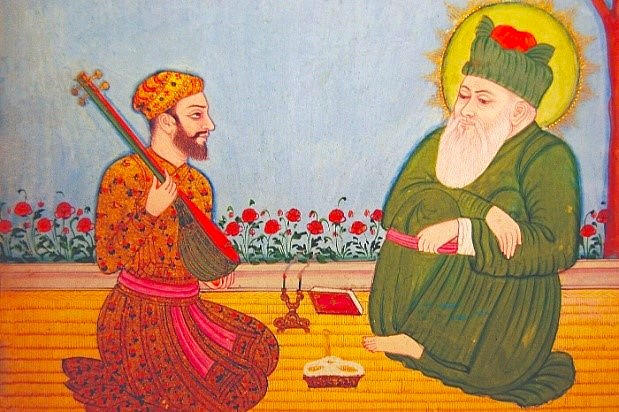
The audience hall in Hiranyagarh was both council chamber and stage, typifying Deccan durbar culture and courtly entertainment in medieval Karnataka. Morning sessions heard petitions about land, taxation and borders; emissaries presented tribute and proposed alliances. Afternoons featured poets reciting Sanskrit and Kannada praises, singers and dancers presenting epics, and storytellers dramatizing local legends, integral to north Karnataka royal image-making through bardic and musical traditions. Jugglers, illusionists and wrestlers provided spectacle. Behind carved pillars, factions gauged favor and risk, revealing how court performance, status competition and political negotiation were deeply entwined in Awadi governance.
Battles, Frontiers And Persistent Survival
The military history of this line contributes to northern Karnataka warfare and frontier defense strategies in the medieval Deccan. From Hiranyagarh, Awadi forces guarded fords, trade lanes and frontier villages against rival chiefs and larger sultanates. Engagements at river crossings, rocky passes and shrinking tanks saw cavalry, archers and elephants used in evolving south Indian battlefield tactics for semi-arid regions. Some years brought loss of forts; others reclaimed ground through counter-raids and shrewd alliances. The dynasty’s reputation grew for strategic retreat and resilience under pressure, using terrain knowledge, negotiated truces and timely offensives to remain significant beyond its raw size. Awadi Dynasty Karnataka India
Marriages, Alliances And Women’s Influence
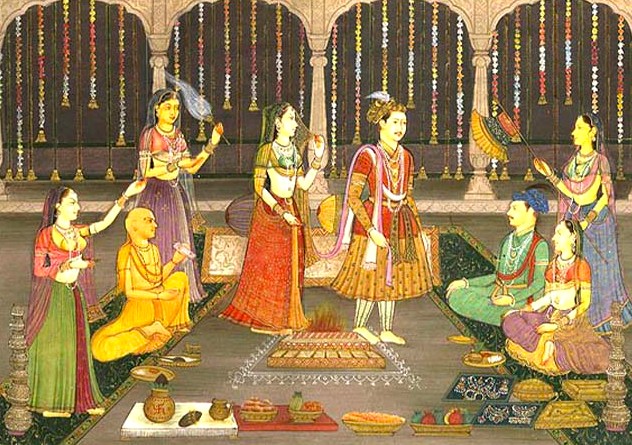
Dynastic marriages under this house show Rajput-style matrimonial alliance networks in northern Karnataka states. Princesses of Hiranyagarh married into nearby Kannada and Telugu houses, reshaping border politics and trade access. Incoming queens brought dowries, warriors or claims, and often appear in inscriptions gifting land to temples or tanks, evidence of medieval Indian royal women’s property rights and religious patronage roles. Within palaces, senior women influenced appointments, mediated clan disputes and steered succession debates. At village level, women’s labor in fields, home industries and ritual life sustained gendered economic foundations of Deccan agrarian society, typically underrepresented in formal chronicles.
Magic, Crafts And Courtly Poets
Cultural life in Awadi courts illustrates medieval Indian court literature, performing arts and artisanal patronage. Illusionists conjured flames, birds or coins from nowhere, stunning battle-hardened nobles. Sculptors and painters decorated temples and palaces with narrative friezes and murals of battles, processions and deities, contributing to north Karnataka temple art and iconography evolution. Court poets in Sanskrit and Kannada composed prashastis and narratives casting Awadishvara and heirs as lions, monsoon clouds and guardians of dharma. Patronage of these creators formed a vital royal propaganda and cultural prestige system in medieval Deccan kingdoms, extending Awadi influence through stories and images.
Funeral Pyres And Hero Memorial Stones
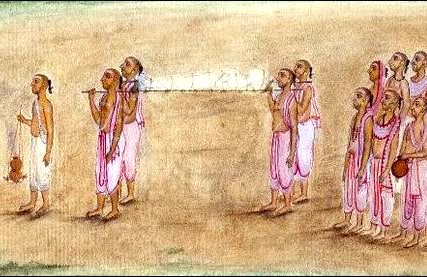
Death customs in Awadi realms reflect Karnataka cremation traditions and viragallu hero-stone commemorations. Ordinary subjects were carried to ghats near rivers or large tanks, cremated on wood pyres while priests and kin recited mantras; ashes were immersed in water or buried near sacred trees. Nobles and rulers received sandal-scented pyres, extended rites and memorials in temple reliefs. Along roads and former battlefields, upright stones depicted warriors on horseback or in combat, serving as hero memorial stones honoring fallen fighters in medieval north Karnataka. These markers rooted courage and memory in the landscape, teaching values to all who passed. Awadi Dynasty Karnataka India
Physicians, Healers And Temple Medicine
Health care within Awadi lands combined Ayurvedic medicine, folk remedies and temple healing practices in medieval Karnataka. Court vaidyas examined pulse, tongue and history, prescribing herbal decoctions using neem, ginger, long pepper and region-specific plants. Bonesetters and barber-surgeons reset fractures and lanced abscesses. Village healers applied charms, protective threads and smoke fumigations, representing traditional rural healing rituals and spiritual protection techniques in south India. Temples maintained tanks and shelters where pilgrims sought cures through vows and baths. During epidemics, rulers might sponsor special rites to disease goddesses and impose quarantines, blending empirical health measures with religious responses.
Aqueducts, Tanks And Managed Water Flow
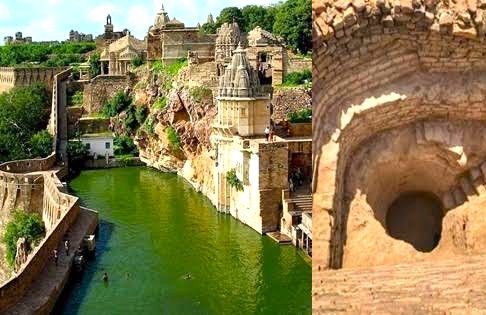
Waterworks under Awadi rule demonstrate irrigation tank construction and canal systems in semi-arid environments. Stone and earthen channels captured monsoon runoff from hills, feeding stepped tanks and reservoirs that held water into dry months. From these, smaller canals watered paddy pockets and garden plots, administered via community water-sharing agreements and panchayat oversight in traditional Deccan villages. Within Hiranyagarh, concealed conduits supplied palace baths, kitchens and temple cisterns. Inscriptions celebrated new tanks and repaired embankments as evidence that Awadi kings fulfilled dharmic duties as protectors of rain-fed harvest and public welfare, crucial in this fragile climate.
Succession Shifts And New Banners Raised
Over time, resource strain, factional disputes and external pressures weakened Awadi central power, fitting broader patterns of dynastic transition among medieval north Karnataka hill-fort states. Influential generals and merchant-backed nobles gradually seized more authority, until a rival house finally assumed Hiranyagarh’s throne. New emblems replaced old ones on coins and standards, yet rural ballads and temple stories continued to mention Awadishvara and Devika. This shows how the legacy of the Awadi Dynasty in regional Karnataka memory and identity persisted beyond formal rule, with shrines, tanks and tales preserving their imprint long after banners changed above the fort. Awadi Dynasty Karnataka India
Step Inside The Story - View All Tour Itineraries & Details

We’re here to offer genuine, thoughtful guidance if your interested in travelling to India. As a small, dedicated team, we pay close attention to every detail so you can focus on enjoying the experience while we take care of the planning. We believe the best trips begin when someone truly listens to what you want and how you like to travel, so the journey feels right for you and contributes to a happy, positive group on tour. Our communication stays clear, straightforward, and respectful at every step, with the goal of helping you feel understood, supported, and confident from first contact to the end of your journey.
journey.
Click Catherine Frith - About The Founder
Click Discover Life Travel - All tours and more
Click Why We Are Different - Unique, Safe, Transparent