Unique Insights Into The Empires Of India
Aurangzeb: Shadow of the Peacock Throne
Discover Life Travel
Austere power on the Indian plains
Aurangzeb’s Mughal Dynasty, dominant in much of the Indian subcontinent during the late seventeenth century, grew from a Turko‑Mongol line that first crossed the Khyber passes in the early 1500s. The word “Mughal” derived from “Mongol,” but in India it came to indicate a Persianate court ruling over a wide agrarian base. Born on 3 November 1618 at Dahod in present‑day Gujarat, Aurangzeb Alamgir later ruled from Delhi, Agra, Lahore, and the Deccan city of Aurangabad. His reign from 1658 to 1707 coincided with rising populations in the Gangetic plain, expanding textile centers in Gujarat and Bengal, and new maritime links through Surat and other ports. An intensely religious monarch, he imposed a stricter Sunni code than earlier Mughal rulers, even as he relied on many of the same clans, systems, and trade corridors that had supported Akbar and Shah Jahan. Aurangzeb Shadow of the Peacock
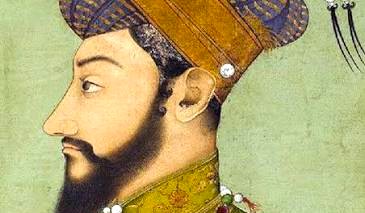
Aurangzeb Shadow of the Peacock: Whispers From Timurid Origins
Long before Aurangzeb’s birth, the dynasty traced its line to Timur through Babur and Humayun, and to Chinggisid roots through maternal lines. Babur, after defeating Ibrahim Lodi at Panipat in 1526, established the Mughal presence in Delhi and Agra, while Humayun and Akbar deepened control across northern India. By the time Shah Jahan, Aurangzeb’s father, took power in 1628, the dynasty already governed from Kabul to parts of the Deccan. Aurangzeb grew up amid these traditions, shaped by the memory of earlier conflicts with Afghans, Rajputs, and Deccan sultanates. This Timurid heritage underlined his sense of duty, conquest, and custodianship of a realm linked by Persian, Turki, and Indo‑Islamic court culture.
Names, Meanings, And Sacred Titles
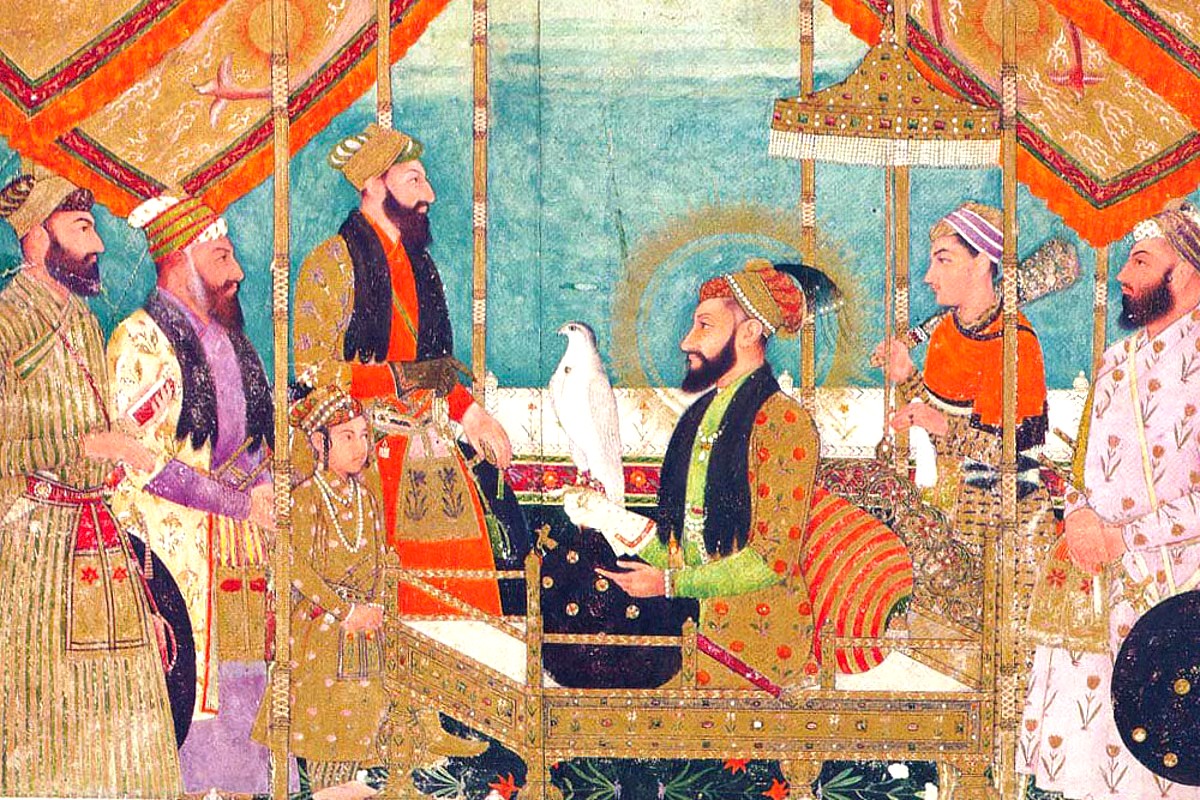
The name “Aurangzeb” is thought to combine Persian elements meaning “ornament of the throne” or “ornament of the crown,” while his chosen regnal title “Alamgir” signified “seizer of the world.” During his reign, Delhi and later Aurangabad served as central seats of authority, with key strongholds in Agra, Lahore, Burhanpur, and the fortresses of the Deccan. These names, repeated in farmans and chronicles, positioned the king as both a legal ruler and a guardian of faith. His titles carried echoes of earlier sultans while emphasizing moral rigor and world‑embracing claims. Yet the terrain under him always remained complex, marked by diverse communities, multiple languages, and older sacred geographies outside any single ruler’s control. Aurangzeb Shadow of the Peacock
Palaces Raised In Stone And Dust
Aurangzeb inherited major palace complexes from his predecessors, particularly in Delhi and Agra, but he also directed works in the Deccan. Shah Jahan had begun construction of Shahjahanabad and the Red Fort at Delhi in the 1630s, and these structures formed the framework for Aurangzeb’s northern court when he seized power after 1658. In the Deccan, Aurangzeb’s favored headquarters at Aurangabad developed through the 1660s and 1670s with mosques, markets, and administrative quarters. Although his personal taste leaned toward simplicity, the building programs, repairs, and fortifications under his officers continued across the empire, supporting garrisons and provincial administrations. By 1700, a lattice of forts, palaces, mosques, and caravanserais supported a dominion stretching from Kabul to Tanjore in some form of allegiance.
Lineages At Court And In The Field
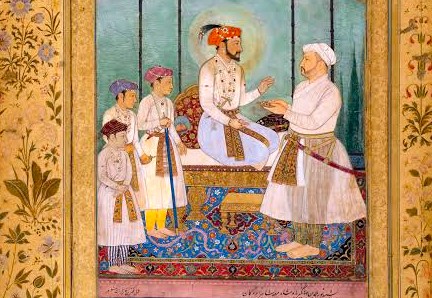
The ruling house centered on Aurangzeb, son of Shah Jahan and Mumtaz Mahal, with brothers Dara Shukoh, Shah Shuja, and Murad Bakhsh forming the immediate rival circle during the war of succession in the 1650s. At court, lineages such as the Sayyids of Barha, the Turani Amirs, the Irani nobility, Rajput houses including the Kachhwahas of Amber and the Rathores of Marwar, and Deccani elites all held commands. After Aurangzeb’s seizure of power, factions shifted, with families like the Asaf Jahis later rising in the Deccan. Marriages connected Aurangzeb to various noble houses, although his marriage politics were more selective than Akbar’s expansive pattern. Within the zenana, women from Persian, Central Asian, and Indian backgrounds influenced cultural and charitable life, even as the emperor limited their public visibility.
Sacred Law And Daily Devotion
Aurangzeb’s religious outlook followed the Hanafi school of Sunni Islam with a strong emphasis on jurisprudence. He commissioned the Fatawa‑i Alamgiri, a multi‑volume compendium of legal opinions completed around the late 1670s and early 1680s, aiming to align state practice with Islamic law as understood by the ulama of his time. Personal devotion included regular prayer, fasting in Ramadan, and recitation of the Quran; chroniclers noted his habit of copying verses by hand in his later years. While temples and shrines continued across the empire, some were demolished or taxed more heavily when associated with rebellion or political resistance. Jizya on non‑Muslims, reimposed in 1679, signaled his commitment to a sharper confessional line, even as many Hindu officers still served in high mansab ranks. Aurangzeb Shadow of the Peacock
Calendars, Mosques, And Festival Nights
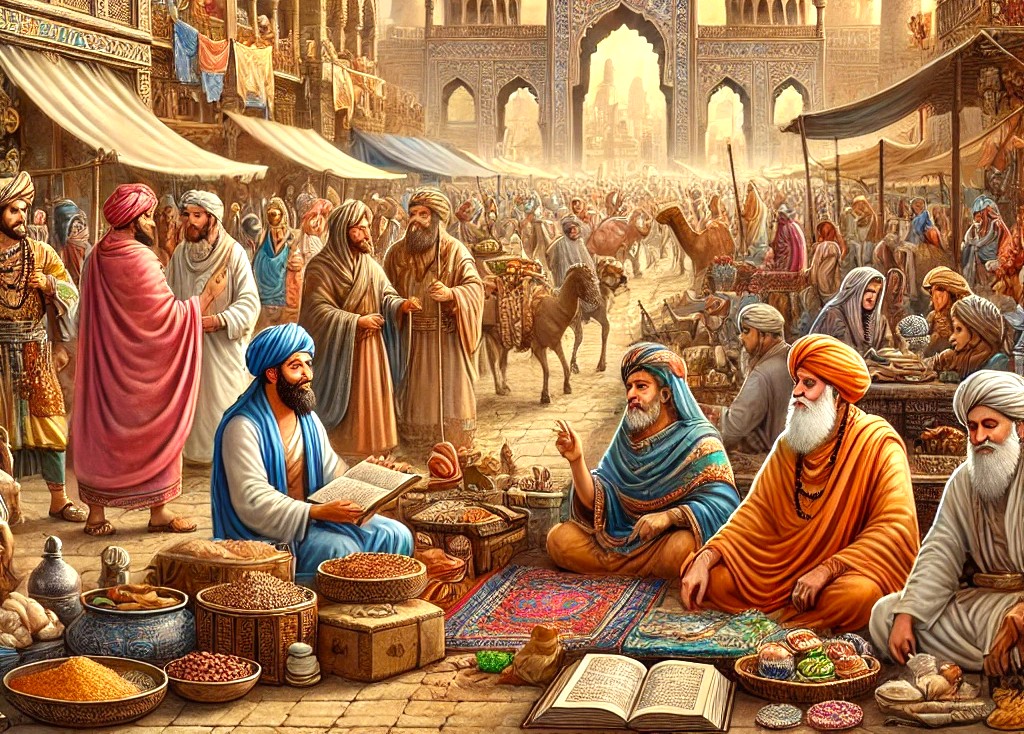
Under Aurangzeb, the Islamic lunar calendar guided official life, with key celebrations including Eid al‑Fitr and Eid al‑Adha. Eid prayers in Delhi, Agra, and later Aurangabad typically began shortly after sunrise, followed by distribution of food and alms within and around the great congregational mosques. The night of mid‑Shaban and the final ten nights of Ramadan held additional devotional weight, with recitation circles and extra prayers. In many regions of his realm, Hindu communities continued to celebrate Diwali and Holi, though overt royal patronage decreased compared with Akbar’s era. These layered calendars shaped court audiences, tax schedules, and military campaigns, with commanders adjusting marches and sieges to allow for major religious observances when possible.
Food Quantities And Imperial Kitchens
Court kitchens under Aurangzeb remained large, though the ruler’s personal habits tended toward austerity. Records suggest that the imperial household consumed massive quantities of grain, meat, and clarified butter, measured in maunds, to feed thousands of soldiers, servants, and dependents daily. Rice preparations, flatbreads, and stewed meats flavored with coriander, cumin, cloves, and saffron formed the core of elite meals, while simpler millet and pulse dishes fed ordinary troops. Sweet dishes such as halwa, kheer, and various confections appeared during festival days and at the conclusion of fasts. Aurangzeb himself is described as preferring modest servings, often supporting his personal expenses by selling copies of the Quran that he had written, but the broader kitchen apparatus still symbolized dynastic power and patronage. Aurangzeb Shadow of the Peacock
Rivers, Tanks, And Sacred Water
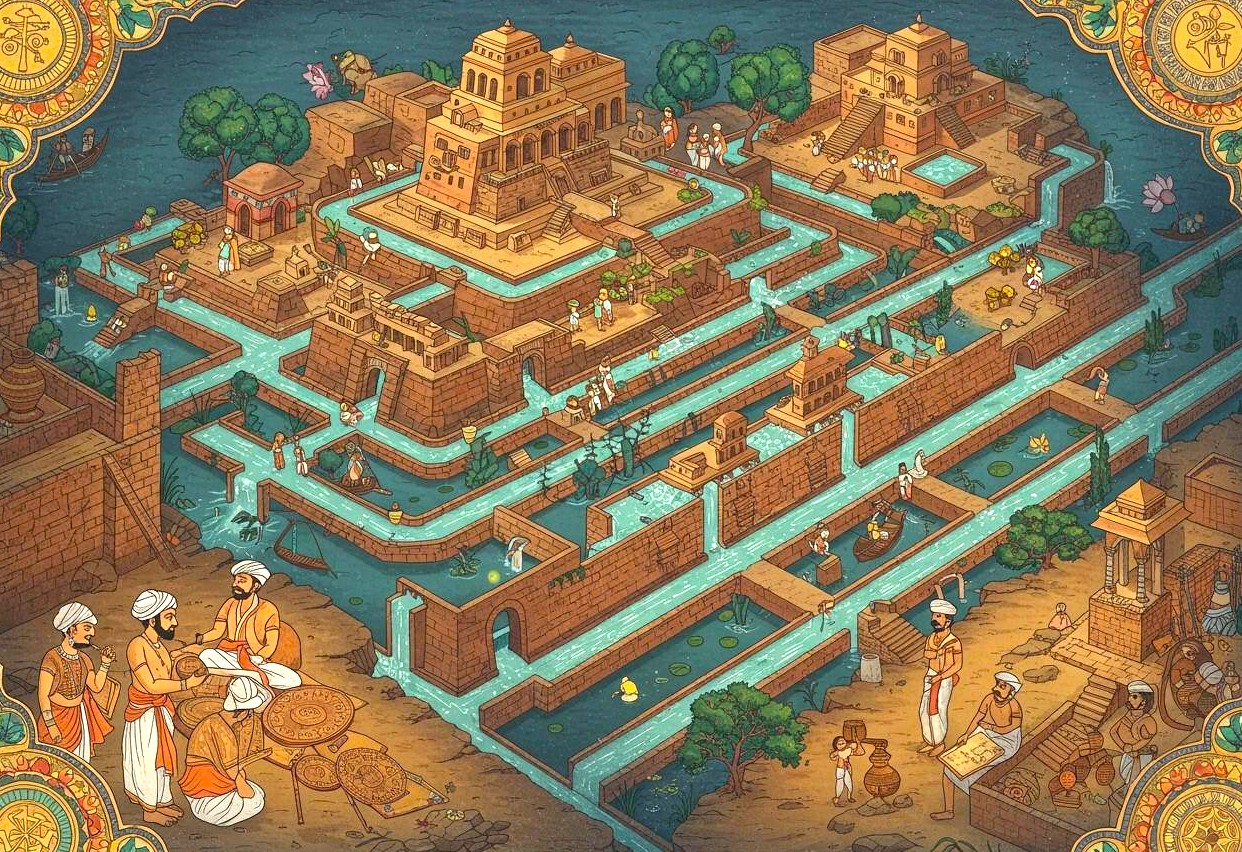
The dynasty’s centers depended on major rivers and engineered water channels. In the north, Delhi and Agra drew from the Yamuna through canals, wells, and stepwells maintained by local officials and religious endowments. Lahore continued to rely on the Ravi and associated canals, while in the Deccan, Aurangabad depended on seasonal rivers, groundwater, and constructed tanks that stored monsoon rains. In each urban center, waterworks supplied mosques, palaces, gardens, and residential quarters, supporting both ritual purification and ordinary household needs. Control over these systems carried spiritual overtones, as reliable water meant not just health and irrigation but also the ability to fulfill ablutions and communal prayers on schedule.
Marriage Alliances And Royal Women
Aurangzeb’s principal wife, Dilras Banu Begum of the Safavid‑connected Shia Qizilbash family in India, bore him several children, including his heir Muhammad Azam Shah. Other consorts and wives came from noble clans across the empire, though Aurangzeb did not cultivate Rajput alliances as extensively as Akbar or Jahangir. Within the inner quarters, senior women played important roles in raising princes, sponsoring mosques, and supporting scholars through endowments. Royal daughters such as Zeb‑un‑Nissa became noted for literary and scholarly pursuits, composing poetry and engaging with mystical currents, even under a father known for legal rigor. These marriages and maternal lines shaped loyalties within the court, influencing which princes received broader support when succession struggles loomed. Aurangzeb Shadow of the Peacock
Medicines, Surgery, And Sacred Healing
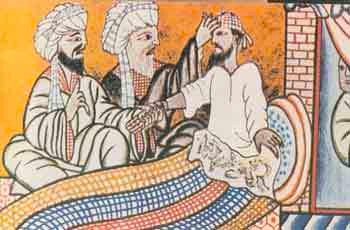
Healthcare during Aurangzeb’s reign combined Unani, Ayurvedic, and local medical knowledge. Court physicians, or hakims, followed classical texts, diagnosing imbalances of heat, cold, moisture, and dryness, and prescribing compound remedies of herbs, minerals, and animal substances. Ingredients such as sandalwood, myrobalan, saffron, opium in regulated doses, and metallic preparations appeared in treatment protocols. Surgeons handled wounds from battlefields, performing basic operations, setting fractures, and applying cauterization where needed. Alongside formal medicine, people sought cures at Sufi shrines and Hindu temples, tying threads, offering sweets, and seeking baraka or prasad with hopes of relief from chronic ailments. For the royal family, health measures included strict diets, seasonal regimens, and attentive monitoring by trusted physicians.
Daily Rhythms Of The Imperial Household
Aurangzeb’s day often started before dawn with ablutions and the first prayer, followed by private Quran recitation. After sunrise, he held audiences, reviewing petitions, consulting ministers, and reading reports from governors stationed from Kabul to the Carnatic. Unlike some predecessors, he limited public display, reducing ceremonial music and festivities at court while increasing time devoted to administrative paperwork and legal deliberations. Afternoons brought discussions with military commanders and revenue officials, and decisions about campaigns or provincial appointments. In the evening, he returned to his quarters, met select family members, and sometimes continued copying Quranic verses, treating this act as personal devotion as well as a source of modest income during his later years in the Deccan. Aurangzeb Shadow of the Peacock
Campaign Roads, Markets, And Trade Winds
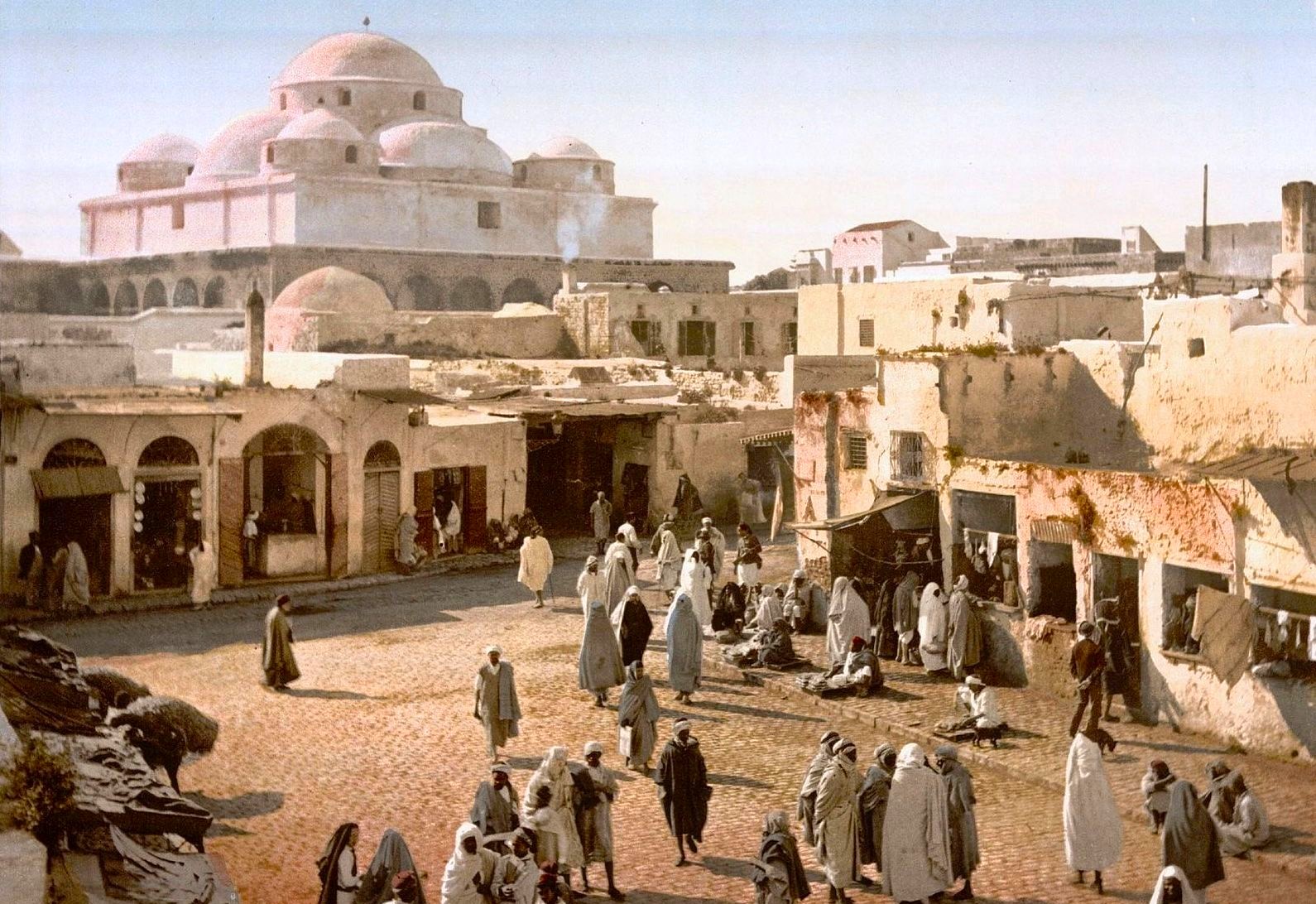
Aurangzeb’s long wars in the Deccan reshaped trade routes as armies marched across the Godavari and Krishna river basins. Traditional overland corridors from Kabul to Lahore, Delhi, and Agra still carried horses, textiles, and metals, while routes from Agra to Surat and other Gujarati ports linked inland producers to Indian Ocean commerce. European companies from Britain, the Netherlands, and France expanded their role in port cities after 1660, exporting cotton textiles and importing silver, copper, and military goods. Despite heavy taxation and wartime disruptions, craft centers in Gujarat, the Coromandel, and Bengal continued to grow, feeding regional and overseas demand. The empire’s currency system, based on the silver rupee and gold mohur, remained a standard of value across these networks.
Battles, Sieges, And Shifting Frontiers
Aurangzeb’s reign is remembered for sustained warfare. After defeating his brother Dara Shukoh at Samugarh near Agra in May 1658, and consolidating power by 1660, he turned south against the Deccan sultanates and the rising Maratha power under Shivaji. The capture and later execution of Sambhaji in 1689 dealt a heavy blow to Maratha leadership, yet guerrilla resistance continued across the hill forts. Campaigns against Bijapur culminated in its fall in 1686, and against Golconda in 1687, bringing these sultanates under direct Mughal control. However, the cost in men, money, and overstretched lines of supply weakened central authority even as frontiers seemed to widen on maps and in chronicles. Aurangzeb Shadow of the Peacock
Populations Under A Lengthening Shadow
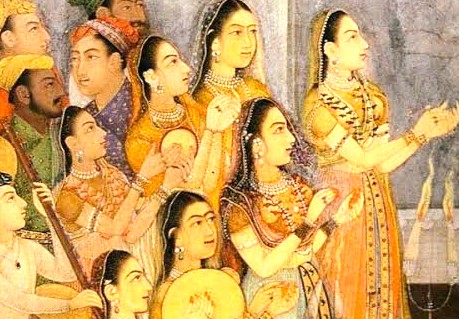
By the late seventeenth century, Mughal territories under Aurangzeb likely contained over 100 million people, making the dynasty one of the world’s most populous states. Delhi, Agra, Lahore, Burhanpur, Aurangabad, and Hyderabad each held tens or hundreds of thousands, with changing fortunes as military priorities shifted. Prolonged campaigns and taxation pressures created hardship in many districts, leading to migrations, local uprisings, and banditry along some routes. Yet irrigated zones in the Ganges plain and fertile coastal belts in Bengal and Gujarat still supported dense settlements, feeding both local households and distant markets. Population patterns reflected the tension between imperial demands and regional resilience, a tension that would intensify after Aurangzeb’s death.
Lingering Echoes In Present Times
Today, much of Aurangzeb’s former realm lies within India, Pakistan, and Bangladesh, where cities like Delhi, Aurangabad, and Hyderabad retain traces of his reign in mosques, streets, and inherited memories. Debates over his policies and legacy continue in public discussions, textbooks, and family stories, reflecting diverging evaluations of his religious rigor and military choices. People across the region still gather for Eid prayers, Sufi urs commemorations, and Hindu festivals that persisted through his era and beyond. Rural landscapes shaped by canals, wells, and agrarian taxation under the Mughals now sit within new nation‑states, yet echo the older administrative grids. In these continuities and arguments, Aurangzeb’s dynasty remains a reference point for questions of faith, power, and justice.
Fading Authority And Successor Dynasties
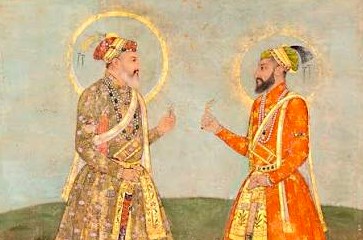
Aurangzeb died on 3 March 1707 near Ahmednagar, leaving his heirs a vast but strained empire soon contested by sons Bahadur Shah I, Azam Shah, and Kam Bakhsh. Over the next decades, Maratha confederacies, Afghan leaders, and regional powers such as the Nizam of Hyderabad and the Nawabs of Bengal, Awadh, and Arcot asserted greater autonomy. The Mughal court in Delhi became largely ceremonial after the invasion of Nadir Shah in 1739 and Ahmad Shah Durrani’s raids in the mid‑eighteenth century. European companies filled commercial and then political vacuums, especially the British in Bengal after 1757. By the early nineteenth century, the dynasty born from Babur and reshaped by Aurangzeb had been replaced in real power by successor states and colonial regimes. Aurangzeb Shadow of the Peacock
Step Inside The Story - View All Tour Itineraries & Details

We’re here to offer genuine, thoughtful guidance if your interested in travelling to India. As a small, dedicated team, we pay close attention to every detail so you can focus on enjoying the experience while we take care of the planning. We believe the best trips begin when someone truly listens to what you want and how you like to travel, so the journey feels right for you and contributes to a happy, positive group on tour. Our communication stays clear, straightforward, and respectful at every step, with the goal of helping you feel understood, supported, and confident from first contact to the end of your journey.
Click Catherine Frith - About The Founder
Click Discover Life Travel - All tours and more
Click Why We Are Different - Unique, Safe, Transparent