A Unique Look Into Indian History
Agnivanshi Dynasty India: Central & North
Discover Life Travel
The Agnivanshi Legacy: Born of Fire
Before the Agnivanshi (Fire‑born) Rajput lineages are said to emerge, early medieval north and central India were already filled with Kshatriya houses, tribal chiefs, and post‑Gupta regional powers. Hill forts in the Aravallis, forest strongholds in Malwa, and townships along trade routes linked Gujarat, the Deccan and the Ganga plains. Old lineages traced themselves to the solar (Suryavanshi) and lunar (Chandravanshi) dynasties of epic fame, while many newer families sought prestigious origins in Puranic lore. Into this environment of competing claims and fragmenting empires, later tradition places a dramatic fire‑sacrifice on Mount Abu from which the Agnivanshi Rajputs supposedly arose. Agnivanshi Dynasty India
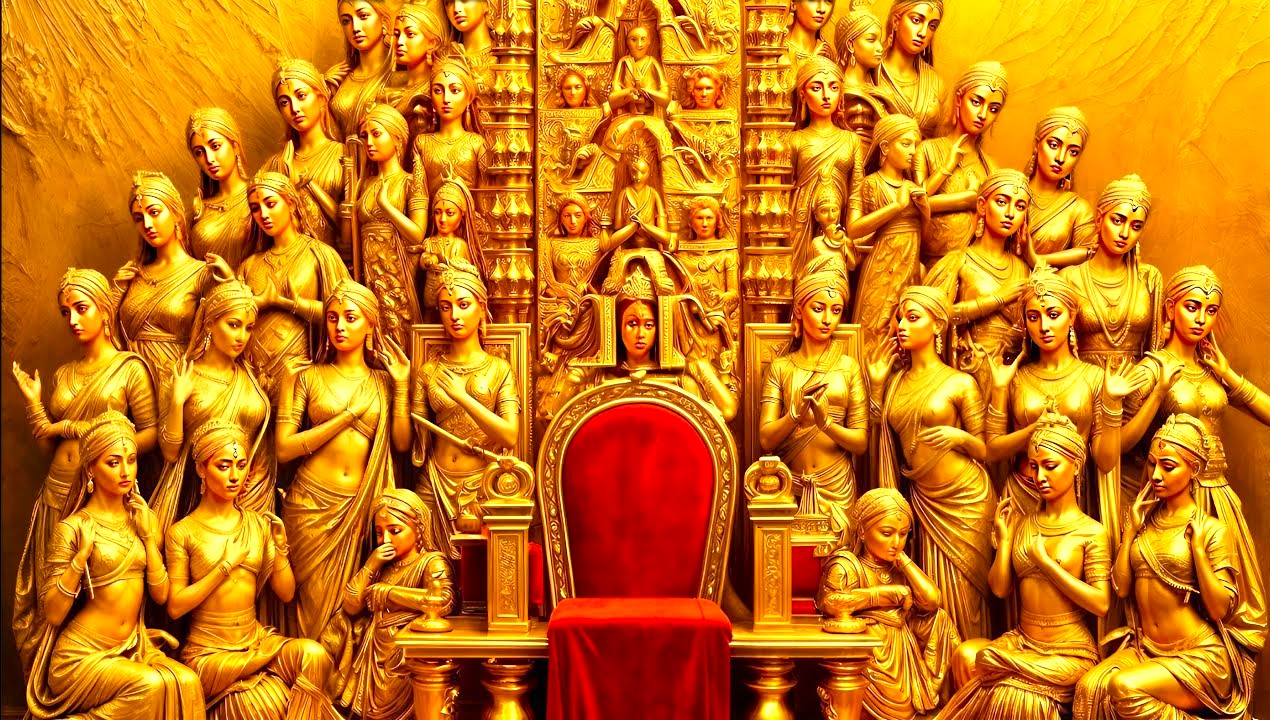
Agnivanshi Dynasty India: The Fire On Mount Abu
According to later Rajput and Puranic legends, Brahmin sages and gods, hard‑pressed by demons or unruly tribes in the Aravalli region, performed a great agni‑kunda yajna (fire sacrifice) on Mount Abu. From the flames emerged four Kshatriya heroes, who became the ancestors of four major Agnivanshi clans: Parihar / Pratihara - Parmar / Paramara - Chauhan / Chahamana - Solanki / Chaulukya. In this telling, these houses are not just local warlords but fire‑born defenders of dharma, created to restore order. Historically, these clans rose between the 7th and 11th centuries as powerful regional dynasties in Rajasthan, Malwa and Gujarat, and the story of fire‑birth gave them a shared, sacred charter.
Agnivanshi Identity: Myth And Politics
The Agnivanshi myth is less about literal origin and more about legitimation. By claiming descent from a sacrificial fire overseen by Brahmins and gods, these Rajput clans: Grounded their authority in Vedic ritual and divine will - Differentiated themselves from rival lineages and tribal chiefs - Justified their role as protectors of Brahmins, temples and pilgrimage routes In practice, the different Agnivanshi houses often fought each other and made pragmatic alliances, but in bardic songs and court genealogies they were presented as brother lineages, linked by the fire of Mount Abu. Agnivanshi Dynasty India
Daily Life In An Agnivanshi Court
Whether in a Parmar court at Dhar, a Chauhan court at Ajmer, or a Solanki court at Anahilavada (Patan), the idealized Agnivanshi court day followed a shared Rajput–Brahmanical pattern. At dawn, the ruler bathed, received tilak, and worshiped the kuldevi (clan goddess) and major deities like Shiva, Vishnu or Surya. Brahmin priests recited mantras; astrologers read the almanac. Queens managed the zenana, jewels, grain and textiles, and oversaw alms, temple gifts and marriages, reflecting royal women’s roles in economic and ritual management. Princes drilled with horse, spear and bow on the maidan; after practice they learned Sanskrit, court etiquette and political history from tutors and bards. Through public durbars, inspections, hunts and festival appearances, Agnivanshi rulers enacted a code of honor, bravery and generosity that defined how Rajput kingship should look and feel.
Village Society Under Agnivanshi Rule
Outside these courts, most subjects of Agnivanshi‑ruled regions - Rajasthan, Malwa, parts of Gujarat - lived in agrarian and pastoral villages. In semi‑arid zones, peasants grew millets (bajra, jowar), barley and pulses; in better‑watered tracts, wheat, rice and sugarcane. Cattle, sheep and camels grazed on scrub and fallow; herding communities were essential to the economy. Women fetched water from wells and stepwells, ground grain, spun and wove, raised children and managed household shrines. Artisans - smiths, potters, weavers, leatherworkers, carpenters - clustered in villages and small bazaars. Panchayats and caste councils settled disputes, shared water and managed grazing, showing resilient local self‑governance under distant Agnivanshi banners.
Royal Kitchens, Hunts And Feasts Of Fire‑Born Kings
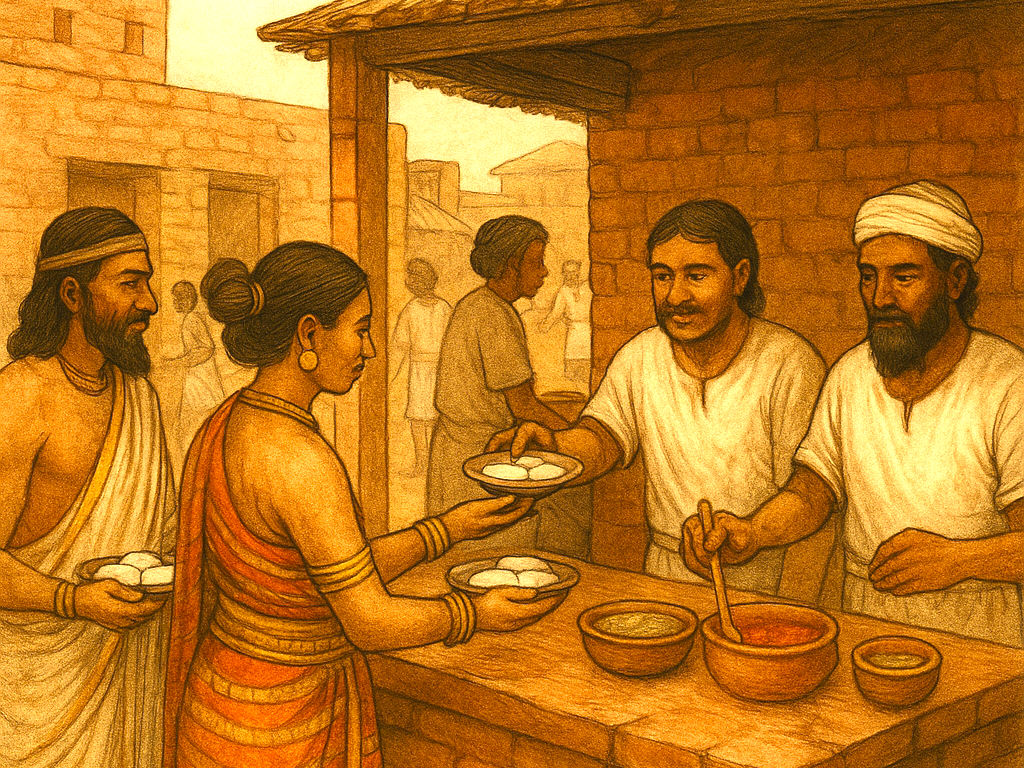
In Agnivanshi palaces and forts, kitchens turned grain and game into courtly Rajput cuisine. Nobles ate breads from wheat or millet, lentils, ghee, buttermilk, vegetables and, for Kshatriyas, meat - often from hunts (boar, deer, birds). Hunting in Aravalli hills or Malwa forests doubled as military training and status display. Caravans brought spices, dried fruits and luxury foods from farther afield. On Dussehra, major victories, temple consecrations or weddings, cauldrons of food were opened at palace gates and temples, feeding Brahmins, bards and commoners. Such feasts expressed the “fire‑born” king’s duty to share prosperity, echoing the original sacrificial fire that supposedly gave them life. Agnivanshi Dynasty India
Law, Honor And Justice In Agnivanshi Realms
Legal order in Agnivanshi territories combined dharmashastra‑based ideas, royal decrees and Rajput codes of honor. Land and water disputes were usually heard by village elders and Brahmins, then confirmed by state officials; copper‑plate grants and inscriptions fixed boundaries and tax obligations. Offenses that struck at honor - betraying a guest, harming Brahmins, violating temple property - could bring particularly strong responses. Banditry on routes under Agnivanshi protection, treason or gross misconduct by feudatories invited exemplary punishments at city gates or on gallows hills. Yet in daily life, village and caste councils used fines, restitution and ritual reconciliations, revealing a layered justice system where royal law and local conscience had to coexist.
Temples, Kuldevis And Sacred Fire
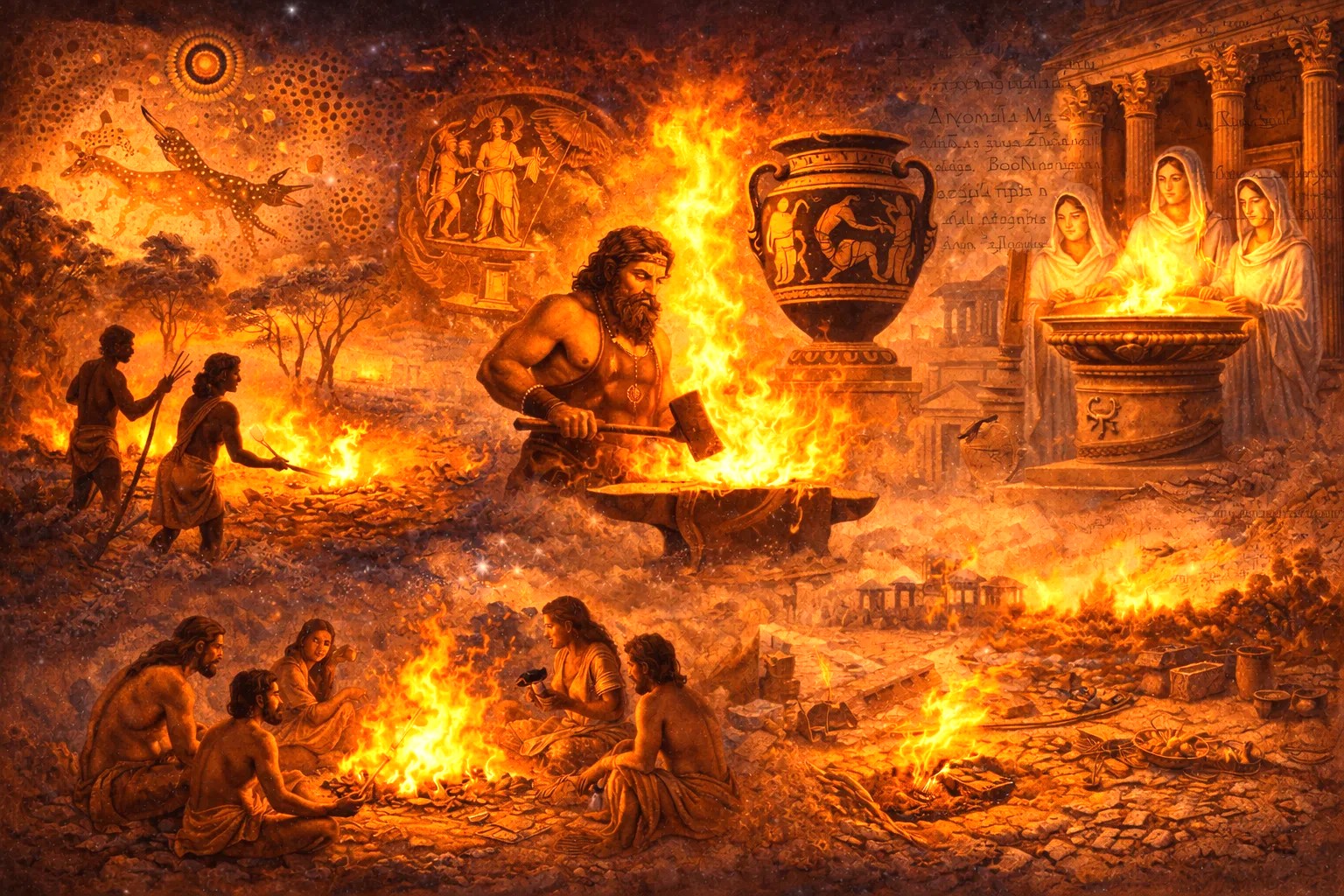
Religious patronage was central to Agnivanshi self‑presentation. Temples to Shiva, Vishnu, Surya and Devi dotted their domains: each clan had its kuldevi (clan goddess) - often fierce forms associated with protection in war and fertility at home. The fire myth itself tied them symbolically to Vedic sacrifice: as if their very bloodline were an extension of the yajna fire. They endowed temples with land, lamps, gold and rights to village revenues, and built ghats, dharmashalas and stepwells. Jain merchant communities also flourished under Agnivanshi protection, especially in Gujarat and parts of Rajasthan, erecting splendid temples of their own. Through this plural but Brahmanically framed patronage, “fire‑born” kings positioned themselves as guardians of dharma and sacred geography. Agnivanshi Dynasty India
Festivals, Rath Yatras And Rajput Pageantry
Festivals turned Agnivanshi capitals and towns into arenas of ritual theatre and political messaging. On Navaratri and Dussehra, the link to the fire myth was implicit: kings worshipped weapons, rode in procession, witnessed martial displays and symbolically vanquished evil effigies. Rath yatras (chariot processions) for deities, Holi color play, Diwali lights, and local goddess days filled streets with music, drums, conches and decorated animals. Markets and melas sprang up around temples and tanks; traders sold cloth, grain, ornaments and toys. The visible presence of the raja and nobles - distributing gifts, hearing petitions, honoring Brahmins - made festivals occasions when cosmic, communal and royal orders were publicly aligned.
Durbars, Bards And The Story Of The Fire‑Born
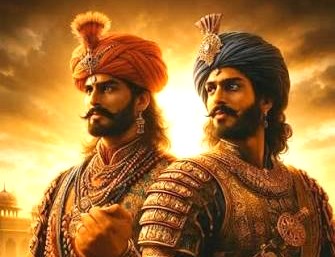
Agnivanshi courts were thick with charans and bhats (bards) who kept the Mount Abu fire myth and clan histories alive. In durbars, they recited genealogies that linked living kings to the original fire‑born ancestors; they sang of battles, vows, betrayals and miracles that reinforced heroic ideals. Persian‑language scribes and poets, especially in later centuries, added another layer of court culture, while Sanskrit pandits composed puranic‑style genealogies. Patronage - and, robes, horses, seats of honor - rewarded loyal bards and punished dissenters, making memory itself a carefully curated political resource. Through these narratives, Agnivanshi dynasties claimed a special status among Rajputs, even when their real power waxed and waned.
Campaigns, Forts And Inter‑Rajput Rivalries
Despite their shared mythical origin, Agnivanshi houses often fought each other. Pratiharas in the west, Paramaras in Malwa, Solankis in Gujarat and Chauhans in Rajasthan all competed over forts, trade routes and fertile tracts. They also faced external powers: early on, Gurjara‑Pratiharas resisted Arab incursions; later, these lineages battled Palas, Rashtrakutas, Kalachuris and eventually Turkic sultanates. Forts like Ajmer’s Taragarh, Chittor (under some Paramara/related lines), Dhar and Patan’s defenses became key stages for siege and defense. Victories added luster to the fire‑origin story; defeats and loss of territory were often reinterpreted in bardic lore as tragic proofs of unbending honor rather than political miscalculation. Agnivanshi Dynasty India
Marriages, Alliances And Women In The Fire‑Born Houses
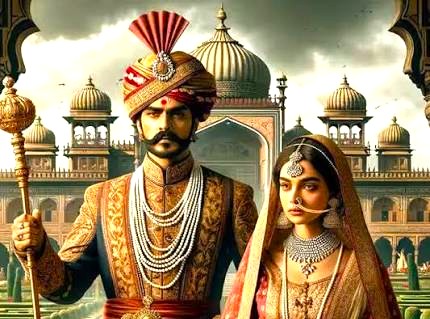
Marriage networks knit Agnivanshi dynasties into a wide Rajput kinship web. Daughters were married into other Rajput and regional houses to secure peace or support; brides from prestigious lineages strengthened internal standing. Queens endowed temples, tanks and charities, appearing in inscriptions as donors and patrons. They also influenced succession, mediated factional rifts and maintained ties with natal families, exercising quiet but significant political agency. In bardic memory, women of these houses sometimes embody the extreme end of Rajput honor - through acts like jauhar (mass self‑immolation) when defeat seemed certain - linking gender, sacrifice and the fire motif in a powerful, if often tragic, set of images.
Artisans, Fort‑Cities And Material Culture
Agnivanshi patronage shaped stone architecture, sculpture and urban forms across Rajasthan, Malwa and Gujarat. Forts, palaces and temples featured carved pillars, arched gateways, jharokhas and chhatris, forming early strands of what would become signature Rajput styles. Stonecutters, metalworkers, textile artisans and painters all served these courts, creating weapons, jewelry, murals and, in later centuries, miniature paintings. Temple complexes and market towns around them fostered craft guilds and commercial networks. In Gujarat, Solanki patronage led to some of the subcontinent’s finest stepwells and temples (like the Sun temple at Modhera), while Paramaras sponsored Malwa’s early Nagara‑style temples - each claiming, in stone, the prestige of the fire‑born patrons behind them. Agnivanshi Dynasty India
Cremation Ghats, Chhatris And Hero Stones
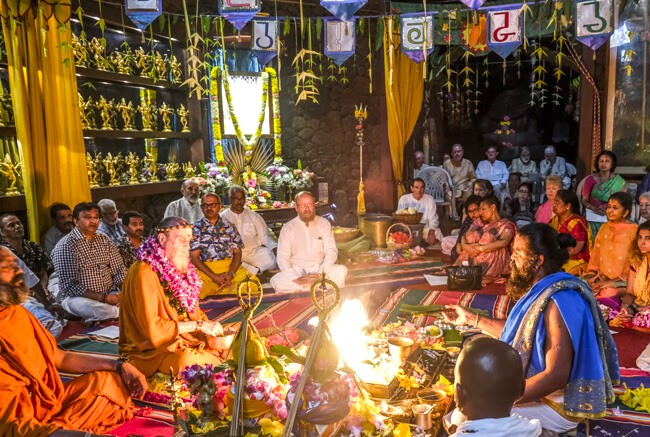
Funerary practice for Agnivanshi Rajputs followed Hindu cremation rites, with royal and noble pyres on designated ghats by rivers or tanks. Cenotaphs (chhatris) rose over spots associated with key rulers; hero stones (viragallu / paliya‑type markers) commemorated those who fell in battle or sacrifice. These monuments, scattered across their realms, turned landscapes into maps of remembered valor and lineage presence. Annual rituals at these sites, as well as bardic recitations, reinforced the idea that the fire of Mount Abu still burned in current generations, connecting funeral flames, ancestral chhatris and the original sacrificial fire into a continuous symbolic chain.
Healers, Shrines And Sacred Fire Imagery
Health care in Agnivanshi realms relied on Ayurvedic vaidyas, folk healers and shrine‑based practices. Vaidyas treated fevers, injuries and chronic ailments with herbs and diets; bonesetters and midwives handled fractures and childbirth. People sought cures from local deities, serpent shrines and Sufi pirs: fire itself appeared both as a danger and purifier - ritual flames used in homas, lamps and healing rites. The fire myth added another layer: royal rituals around agni emphasized purification, continuity and divine sanction, contributing to a broader symbolic world where fire was central to both life and legitimacy.
Fragmentation, Sultanates And Afterlives Of The Fire‑Born
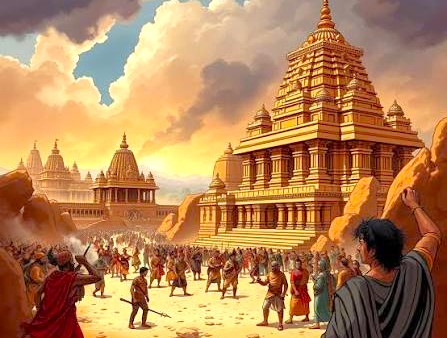
From the 12th–13th centuries onward, Turkic sultanates (Ghurid, Delhi Sultanate) and later powers (Mughals) eroded many Agnivanshi strongholds. Some lines, like the Pratiharas and early Solankis, declined or were replaced; others, like Chauhan branches, survived as smaller principalities or merged into new Rajput formations. Yet the Agnivanshi idea persisted in genealogies, ballads and royal claims. Later Rajput houses often traced or re‑traced their ancestry to the Mount Abu fire, using that prestige in negotiations with sultanates, the Mughals and the British. In this sense, the Agnivanshi (Fire) Dynasty is not a single state but a mythic charter for multiple Rajput dynasties, whose political fortunes rose and fell, but whose shared story of fiery origin continued to shape how they - and others - understood Rajput identity, honor and kingship. Agnivanshi Dynasty India
Step Inside The Story - View All Tour Itineraries & Details

We’re here to offer genuine, thoughtful guidance if your interested in travelling to India. As a small, dedicated team, we pay close attention to every detail so you can focus on enjoying the experience while we take care of the planning. We believe the best trips begin when someone truly listens to what you want and how you like to travel, so the journey feels right for you and contributes to a happy, positive group on tour. Our communication stays clear, straightforward, and respectful at every step, with the goal of helping you feel understood, supported, and confident from first contact to the end of your journey.
Click Catherine Frith - About The Founder
Click Discover Life Travel - All tours and more
Click Why We Are Different - Unique, Safe, Transparent